Birds
Feathered surviving theropod dinosaurs with hollow bones, flow-through lungs, and extreme navigation.
Aves
Birds are living theropod dinosaurs that survived the Cretaceous extinction. Their lightweight hollow bones, unidirectional air-sac respiration systems, and specialized aerodynamic feathers allow them to conquer ocean crossings, sub-zero Antarctic winters, and tropical canopies.
Key Evolutionary Adaptations
Avian respiration relies on air sacs that circulate oxygen continuously during both inhalation and exhalation.
Bar-tailed godwits migrate over 11,000 kilometers non-stop across open ocean without feeding or resting.
Emperor penguins dive to depths exceeding 500 meters, surviving sub-zero waters with dense multilayer plumage.
Birds (page 2 of 3)
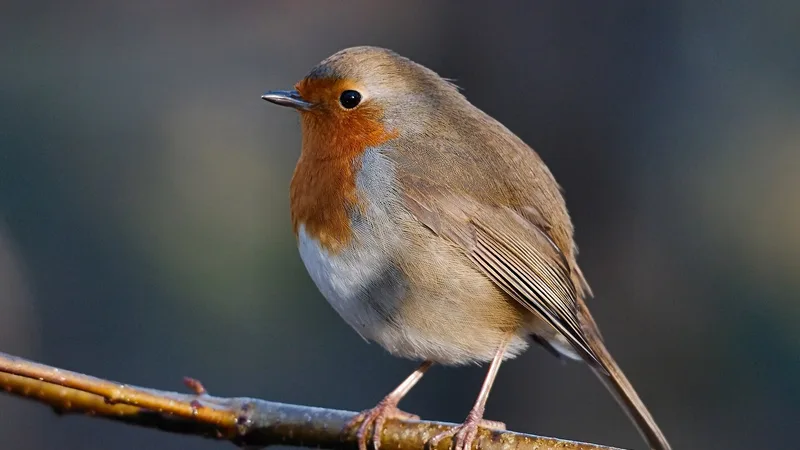
European Robin
Gardener's shadow, ferociously territorial songster, and the bird that became the Victorian icon of Christmas.
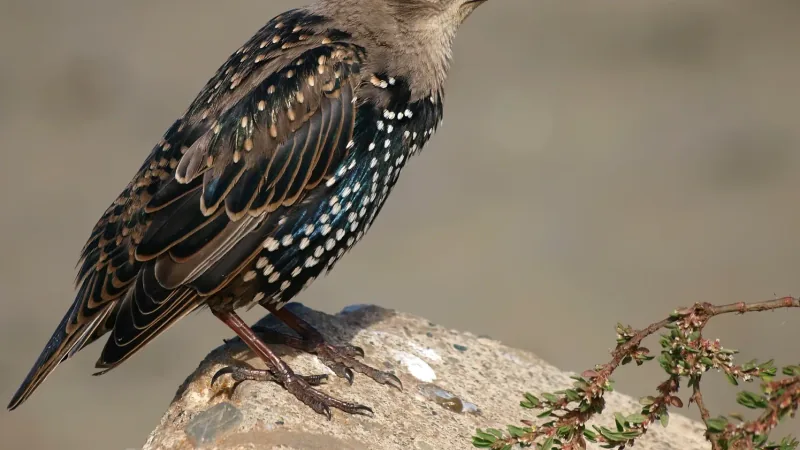
European Starling
The iridescent mimic whose larger British winter roosts can top a million birds, and whose flocks can burst into a "flash expansion" after a falcon attacks.
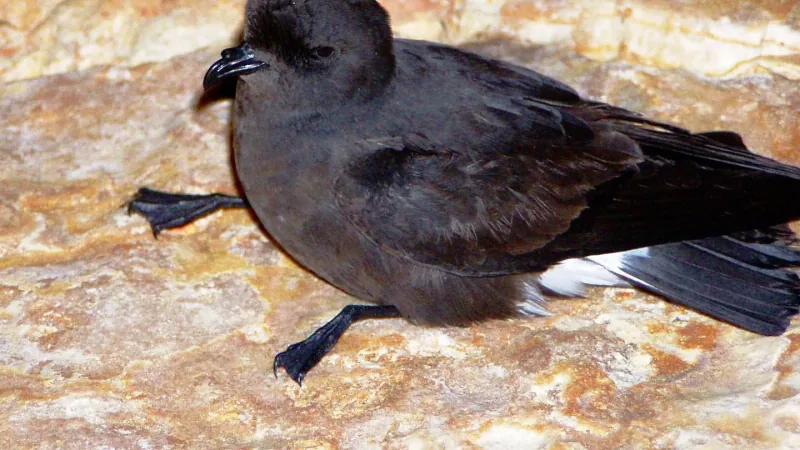
European Storm Petrel
The Atlantic's smallest seabird, weighing about 25 grams but migrating from the north-east Atlantic to winter off southern Africa.
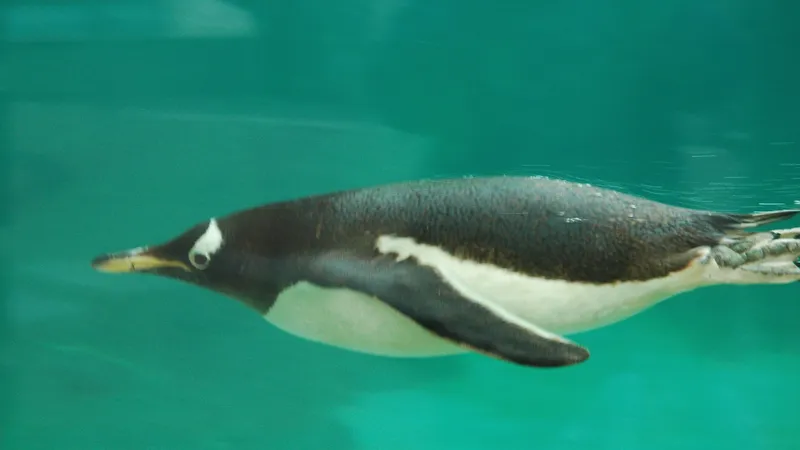
Gentoo Penguin
A penguin whose tracked deep dives averaged 80 metres, whose nest can hold over 1,700 pebbles, and which one 2020 study proposes splitting into four species.
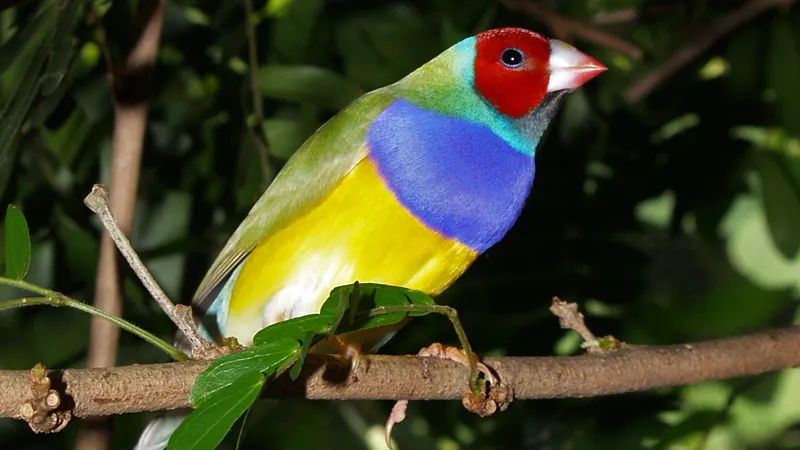
Gouldian Finch
A small Australian finch whose red or black head color traces to one stretch of DNA near the Follistatin gene, and whose chicks hatch with light-reflecting beak nodules that help their parents feed them in a dark hollow.
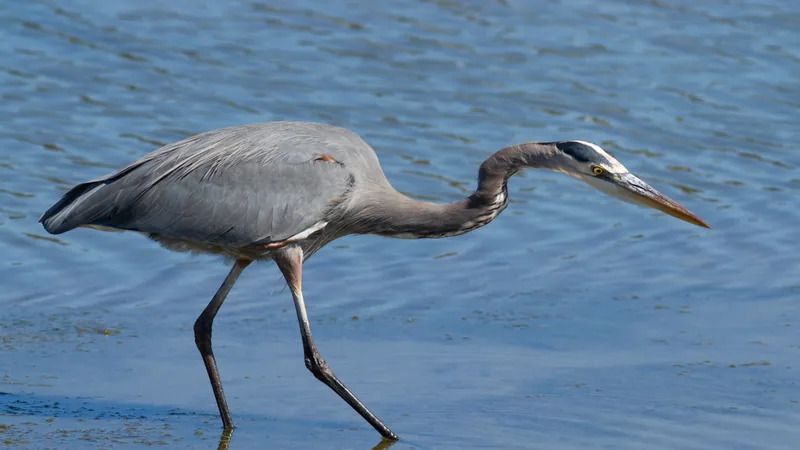
Great Blue Heron
Waits in shallow water, then strikes with a rapid thrust of the bill
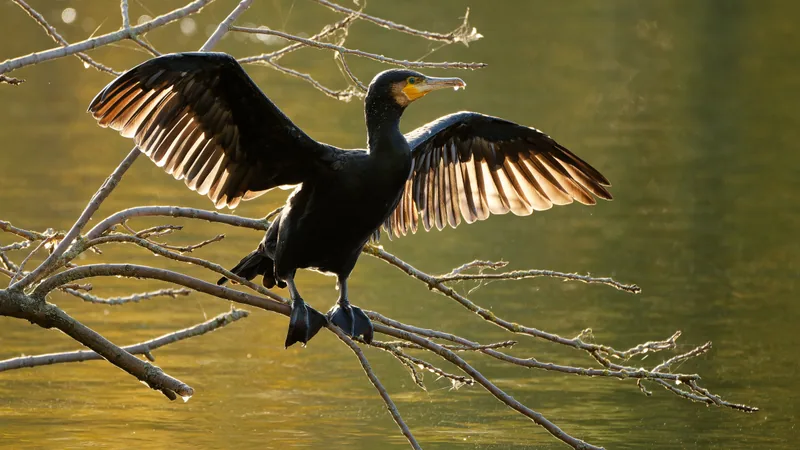
Great Cormorant
A fish-chasing diver with wettable feathers, which has to hang out its wings to dry.
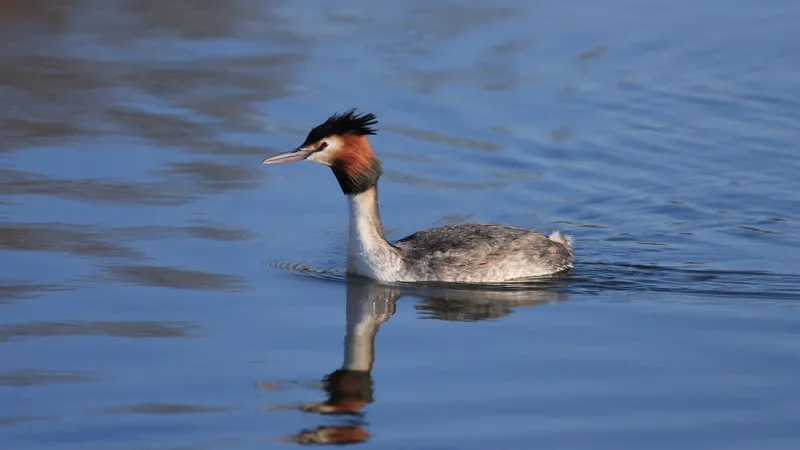
Great Crested Grebe
The diving bird whose courtship runs from paired head-shaking to a breast-to-breast 'Penguin-dance,' and whose chicks ride on their parents' backs.
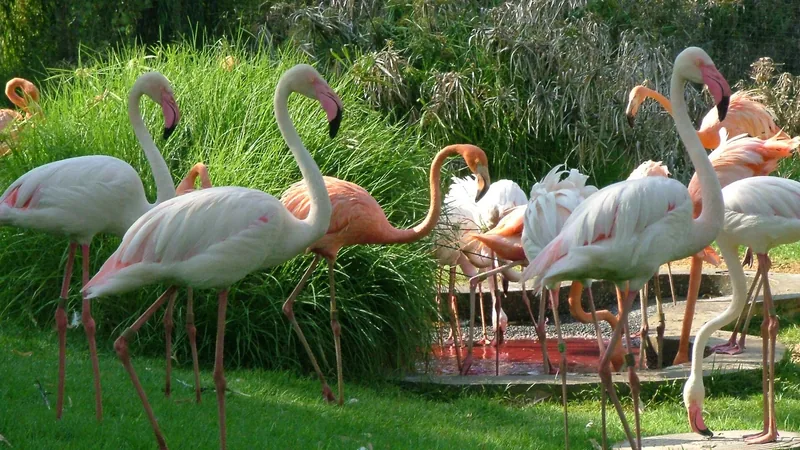
Greater Flamingo
Pink from pigments in its food, a filter-feeding bill that works upside down, and a one-legged stance scientists aren't sure about.
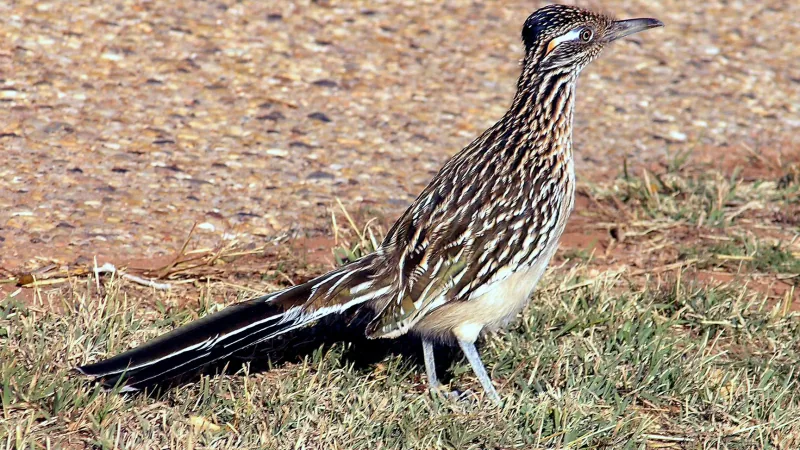
Greater Roadrunner
Ground-running desert cuckoo that hits up to 20 miles per hour, smashes prey against rocks, and warms up by sunbathing the black skin on its back.
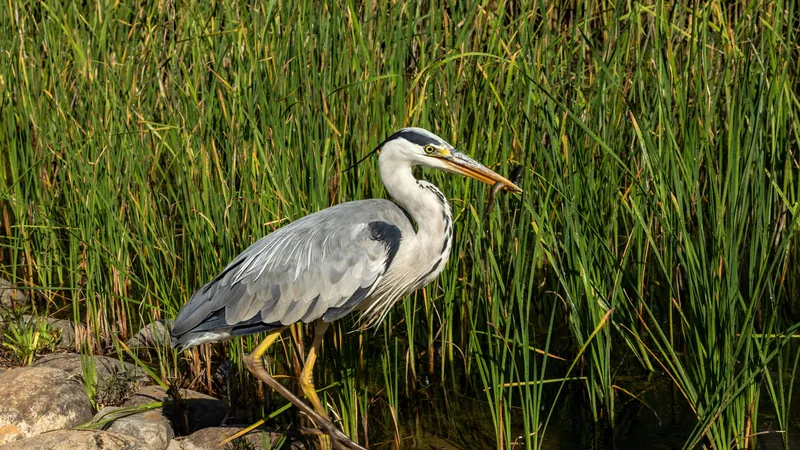
Grey Heron
A fish-eater that usually hunts by standing still, then generally swallows its catch whole.
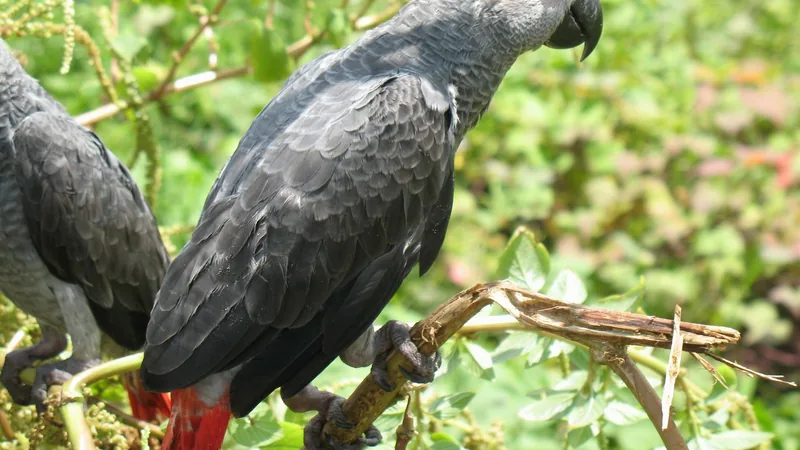
Grey Parrot
A grey parrot named Griffin outperformed 5-year-old children on a cup logic test.
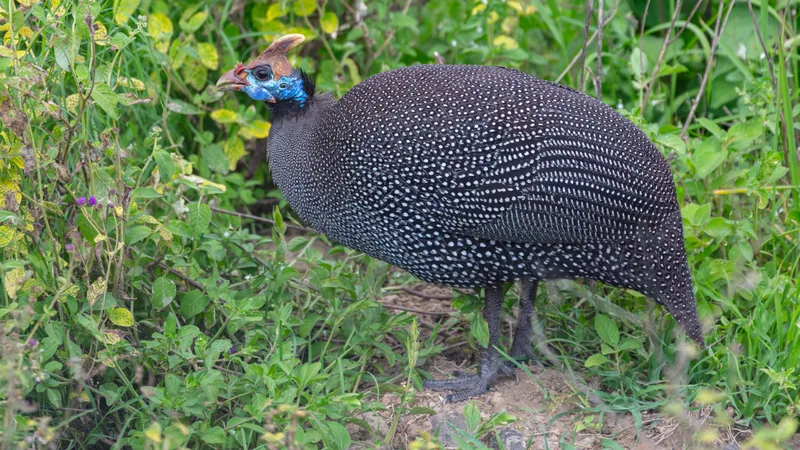
Helmeted Guineafowl
A speckled ground bird with a bony helmet and a very loud alarm call, and a knack for staying upright when the ground drops away.
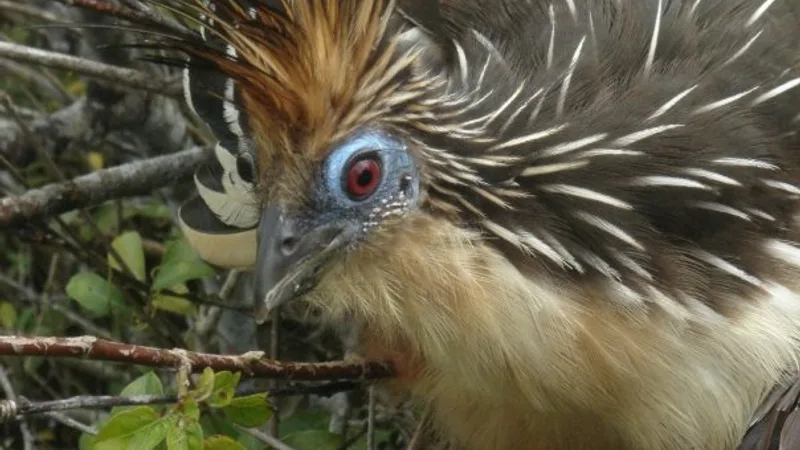
Hoatzin (Stinkbird)
A cow-style fermenting crop, wing-clawed chicks that swim from danger, and a place on the bird family tree debated since it was described in 1776.
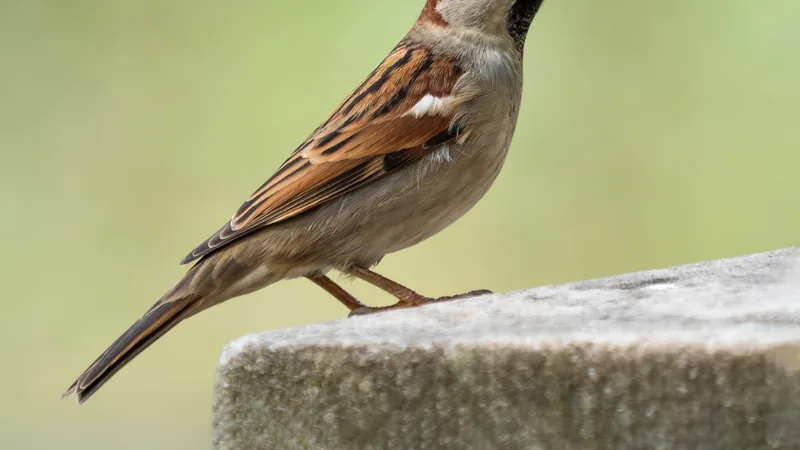
House Sparrow
A plain brown bird that developed regional differences in color and size in North America.
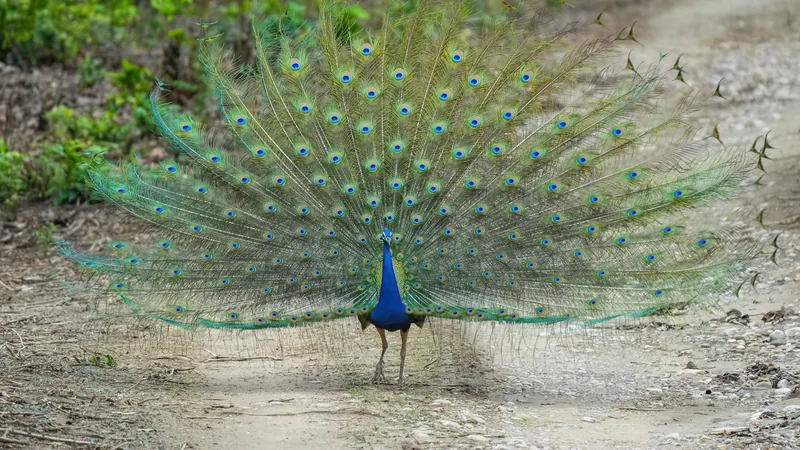
Indian Peafowl
Iridescent member of the pheasant family whose feathers get their color from a two-dimensional photonic crystal, and whose train rattles out a broadband, pulsating sound.
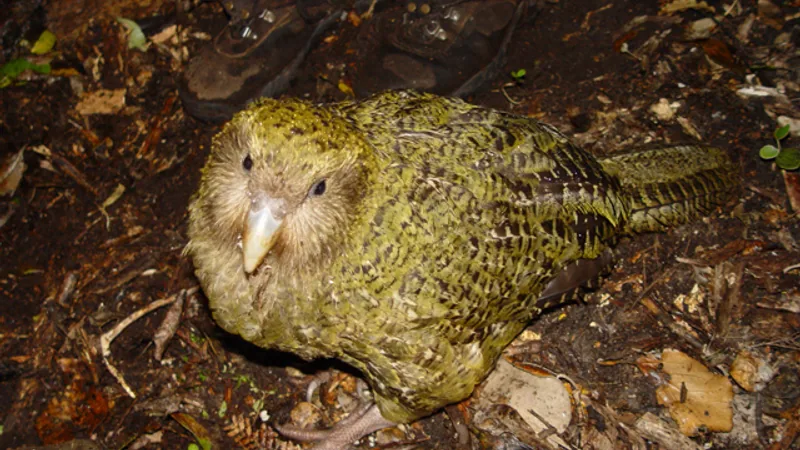
Kakapo (Owl Parrot)
The heaviest parrot in the world, camouflaged in moss-green feathers, betrayed by its own strong scent, and courting with a boom heard up to five kilometres away in ideal conditions.
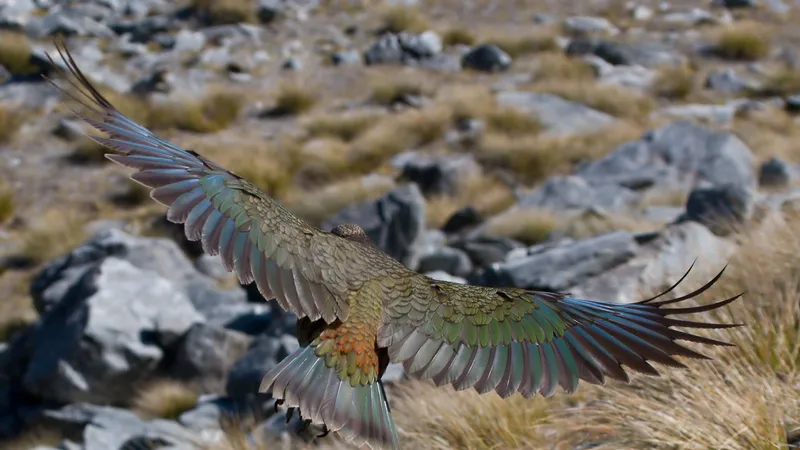
Kea (Alpine Parrot)
A mountain parrot that matched human infants and chimpanzees on a probability test, and was persecuted as a sheep killer for over a century.
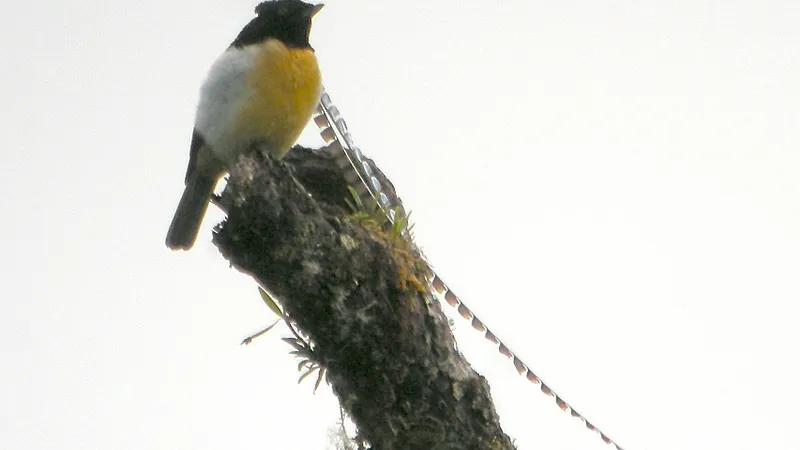
King of Saxony Bird-of-Paradise
A male's twin head plumes run twice his body length, worked by muscles housed in hollows of his skull, and his courtship song has been likened to radio static.
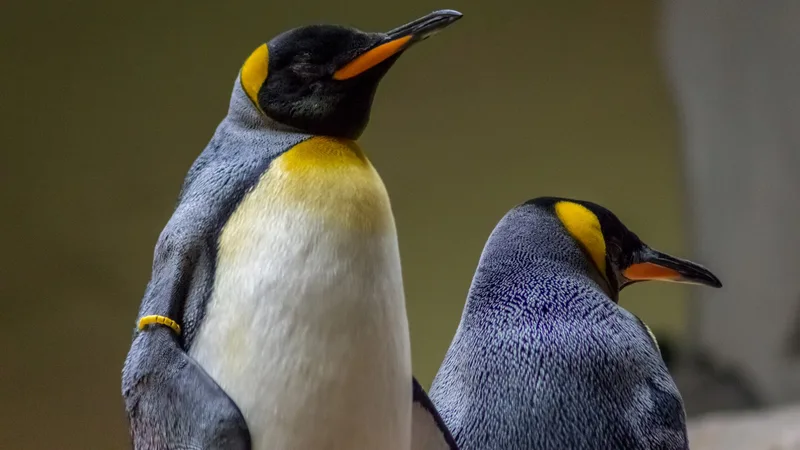
King Penguin
Sub-Antarctic penguin with an orange neck patch reaching its upper breast, second largest of all penguins, and a deep diver: tracked birds have gone past 240 meters.
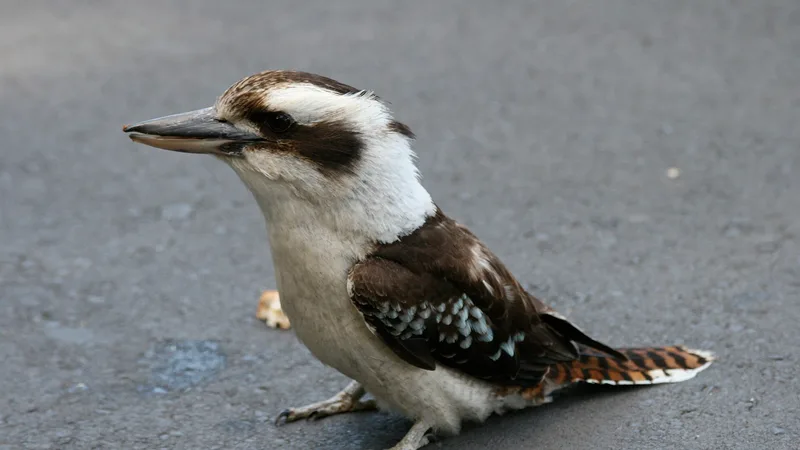
Laughing Kookaburra
World's largest kingfisher, the bush's dawn alarm clock, and a snake-smashing hunter.
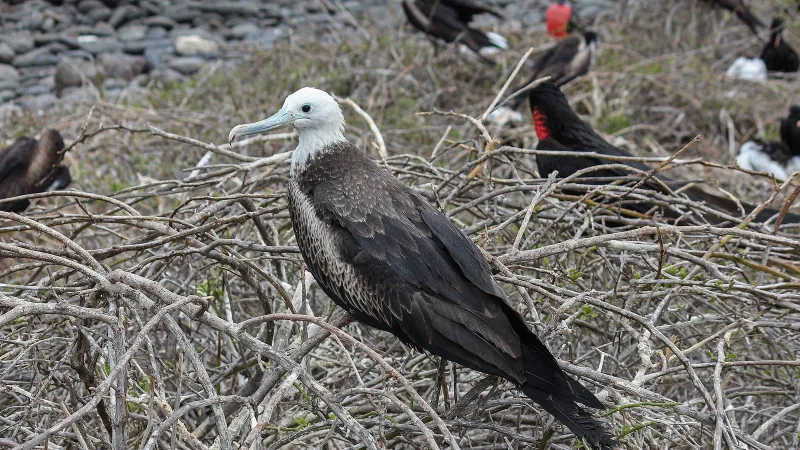
Magnificent Frigatebird
A seabird whose feathers aren't waterproof, riding wings up to eight feet across and mugging other birds for their catch.
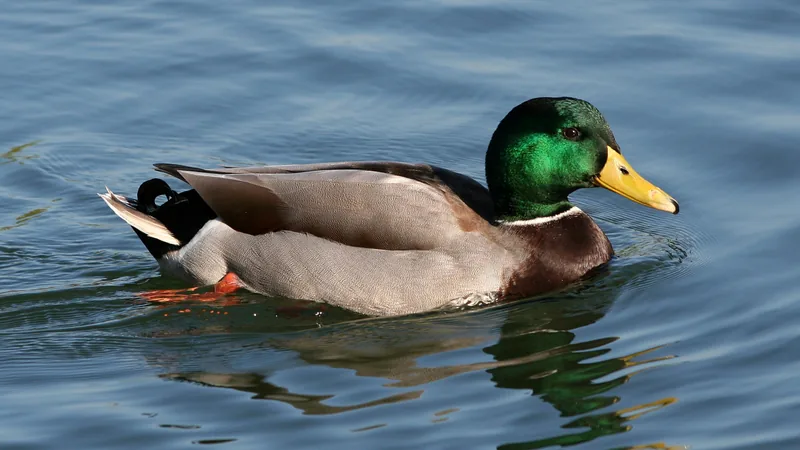
Mallard
The wild ancestor of nearly all domestic ducks, and a hen that lays larger eggs after mating with a male she prefers.
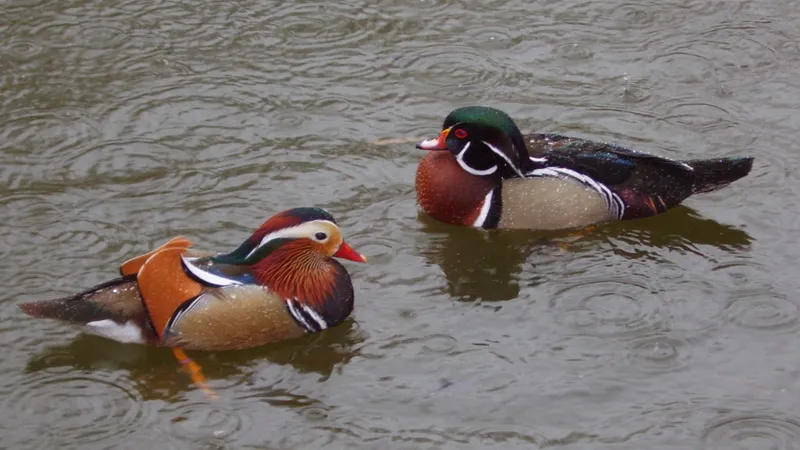
Mandarin Duck
The tree-hole nesting duck whose drake grows an enlarged, brightly colored sail feather every breeding season.