Deadly
Species with venom, bite force, or hunting ability sufficient to kill a person. Most want nothing to do with us, which is the only reason the numbers stay low.
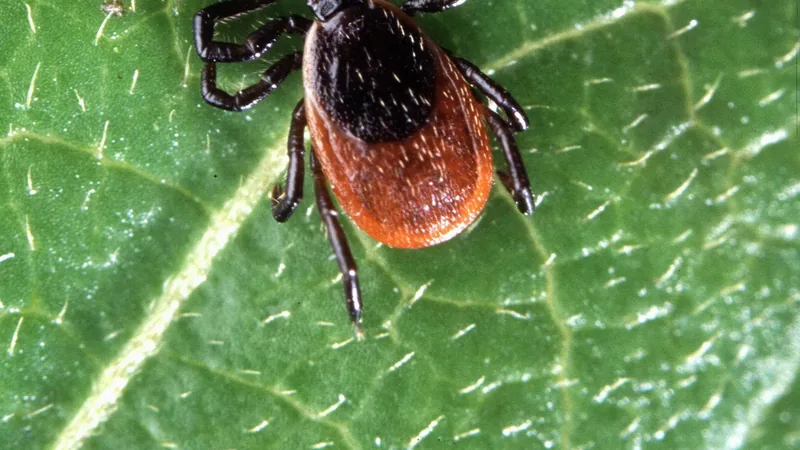
Deer Tick
Waits on a plant for a passing host to brush by, then feeds for days.
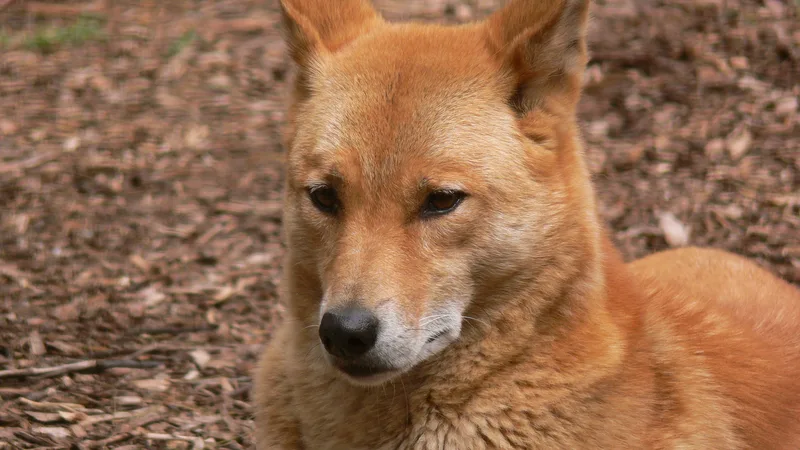
Dingo
Australia's largest land predator, which rarely barks: it howls to call its pack and marks its territory with scent.
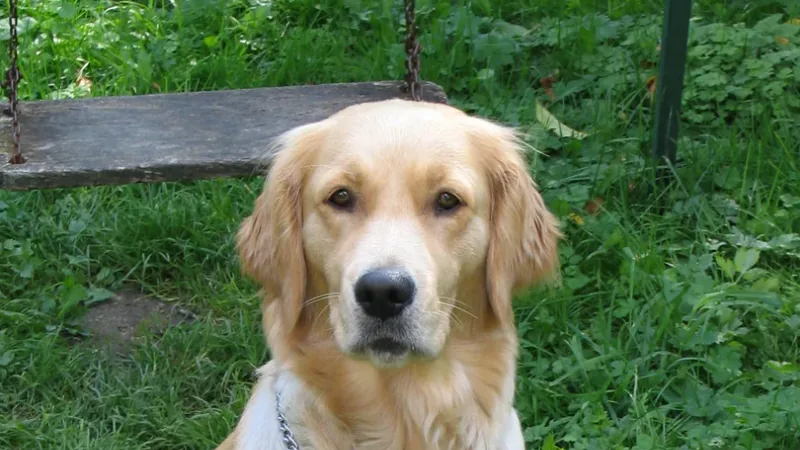
Domestic Dog
The first animal humans domesticated, with hundreds of millions of scent-sensing cells and nasal airflow tuned to carry smells to them.
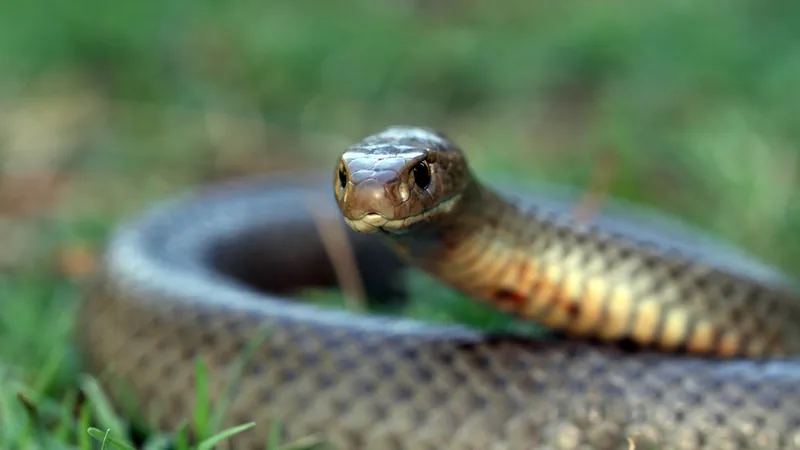
Eastern Brown Snake
Small fangs for an elapid its size, a modest average dose, and the second most toxic snake venom known.
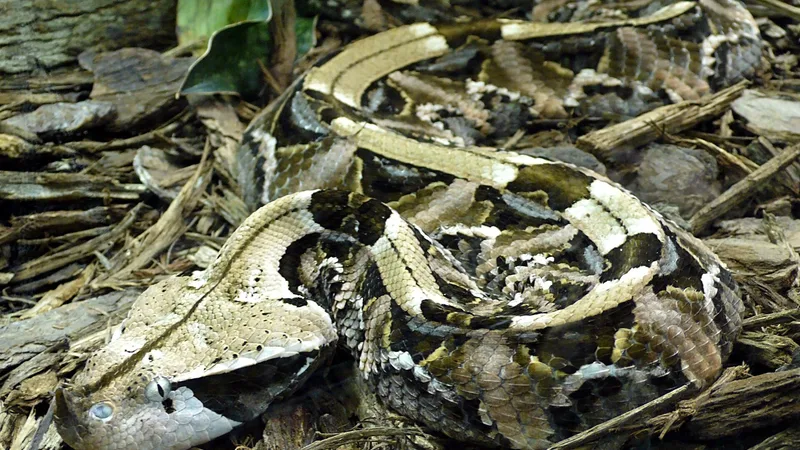
Gaboon Viper
Africa's largest viper has a head that mimics a fallen leaf, and the longest fangs of any venomous snake, up to 5 cm long.
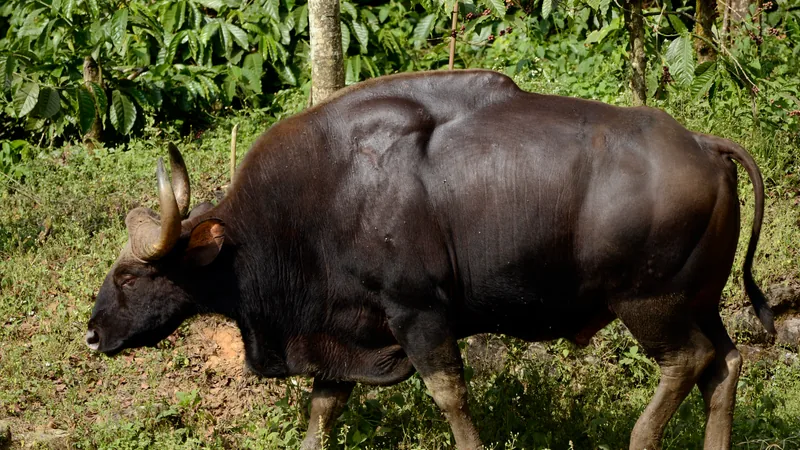
Gaur
The largest living wild cattle, whose herds, one warden wrote, are prepared to stand and fight a tiger rather than run.

Geography Cone Snail
Reef hunter whose venom insulin, released into the water, appears to disorient schools of small fish before the snail engulfs them and harpoons them with a hollow venom tooth.
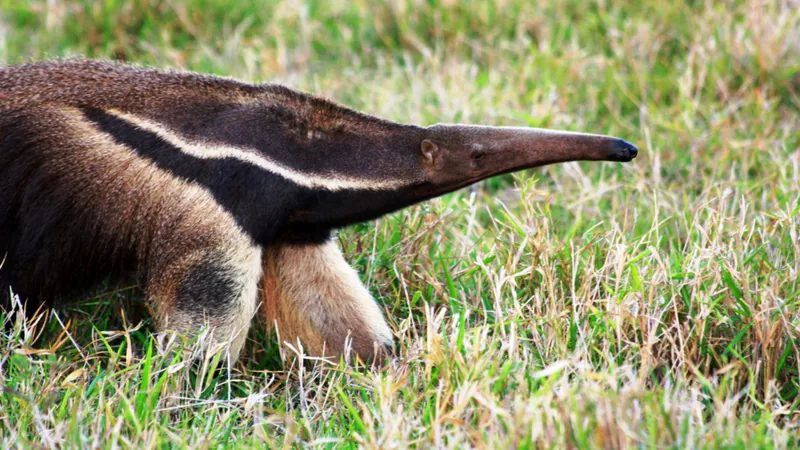
Giant Anteater
A toothless anteater whose 2-foot tongue flicks in and out up to 150 times a minute.

Golden Poison Frog
Considered the most poisonous animal in the world: a frog no larger than a bottle cap that produces enough nerve toxin at once to kill 10 people.

Great White Shark
Up to 4,500 pounds of apex predator, an electric sense tuned to 0.005 microvolts, and the largest fish known to keep parts of its body warmer than the sea.

Grizzly Bear
The most distinctive shoulder hump of any brown bear, claws built for digging, and a fall feeding binge of about 20,000 calories a day.

Hippopotamus
A one-and-a-half-tonne river giant that walks the riverbed instead of swimming, and oozes its own sunscreen.
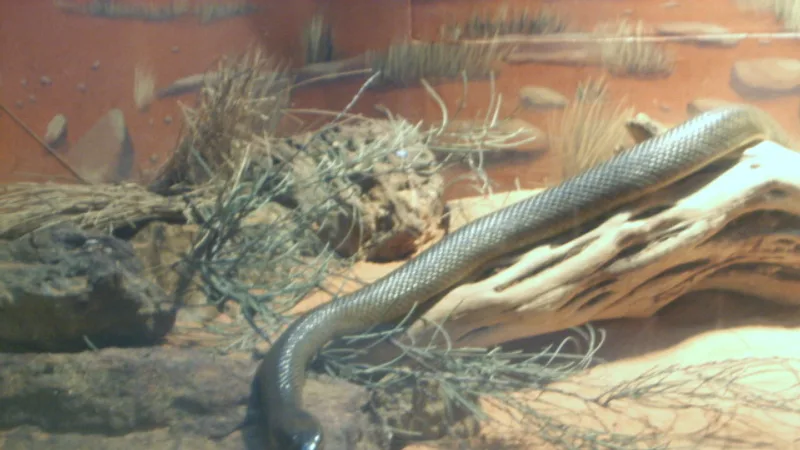
Inland Taipan
Rated the most toxic venom of any snake in lab tests on mice, carried by a shy snake whose handful of known bite victims all survived.
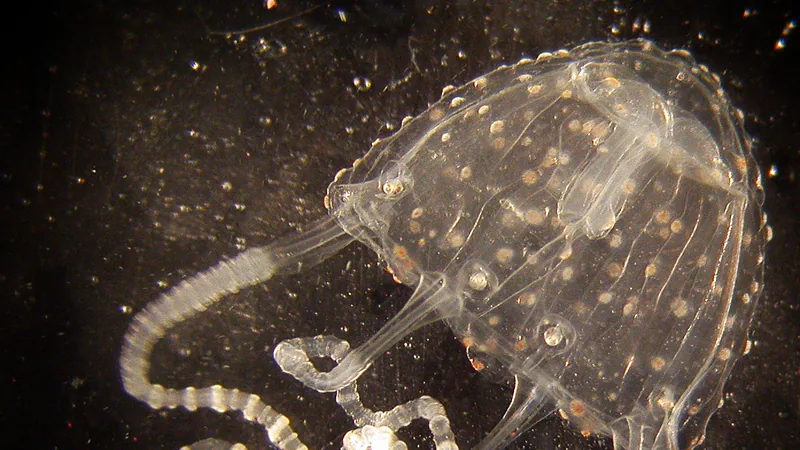
Irukandji Jellyfish
A box jellyfish that fishes for larval fish by twitching its tentacles like lures.
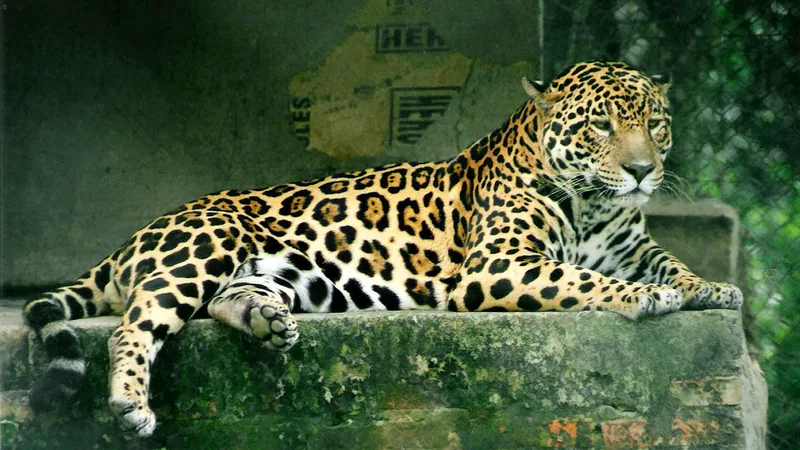
Jaguar
Skull-piercing jaws, a powerhouse swimmer, and the largest cat in the Americas.
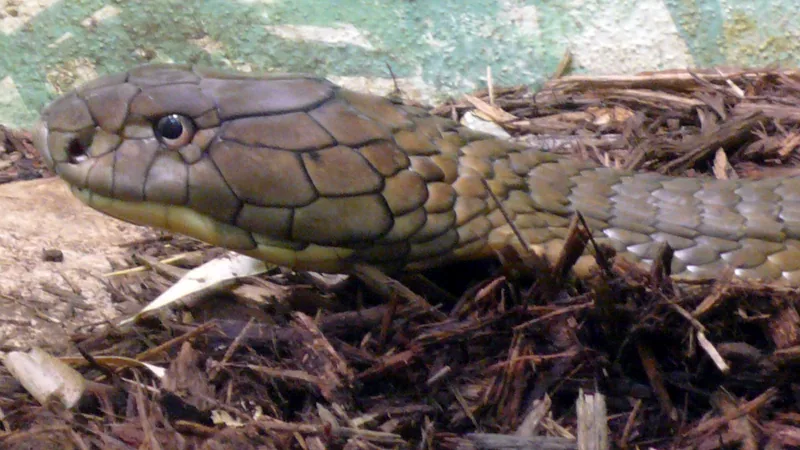
King Cobra
Up to eighteen feet of hooded crown, growling acoustic hiss, and specialized predator of other snakes.
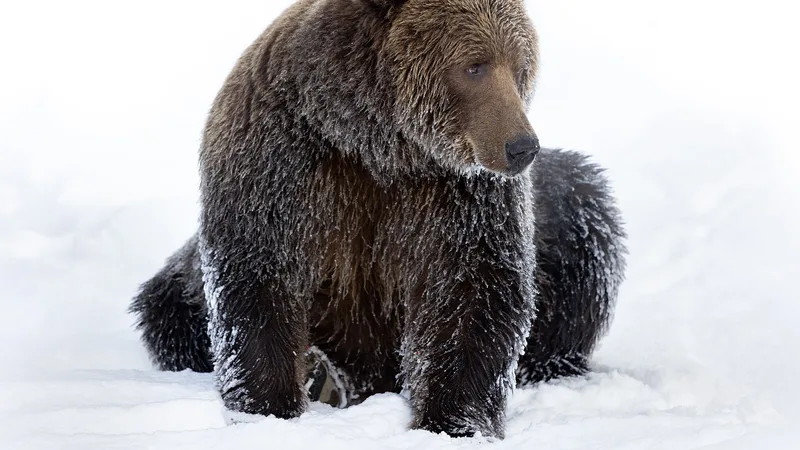
Kodiak Bear
Isolated on one Alaskan island chain for about twelve thousand years, with adult males weighing 600 to 1,400 pounds and standing up to ten feet on their hind legs.

Komodo Dragon
The largest living lizard, armored in bone and equipped with iron-coated serrated teeth and anticoagulant venom.
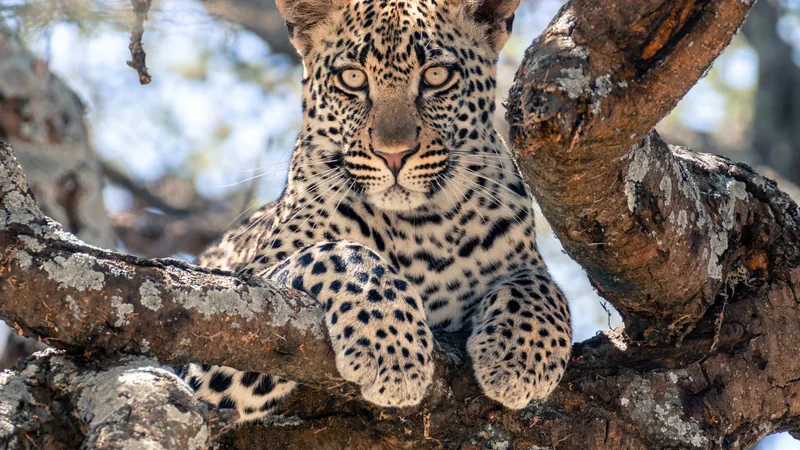
Leopard
A 21 to 75 kg big cat that climbs up to 15 m into a tree carrying its kill, out of reach of lions and hyenas.
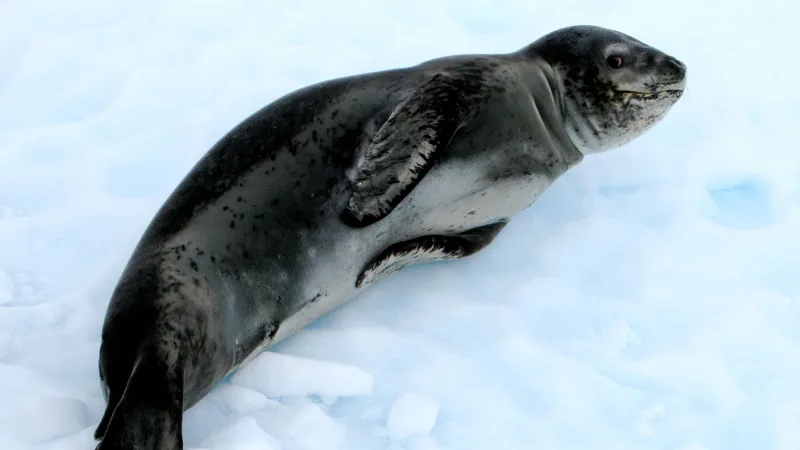
Leopard Seal
The serpentine apex hunter of Antarctic pack ice with a reptilian gape and teeth that double as krill sieves.
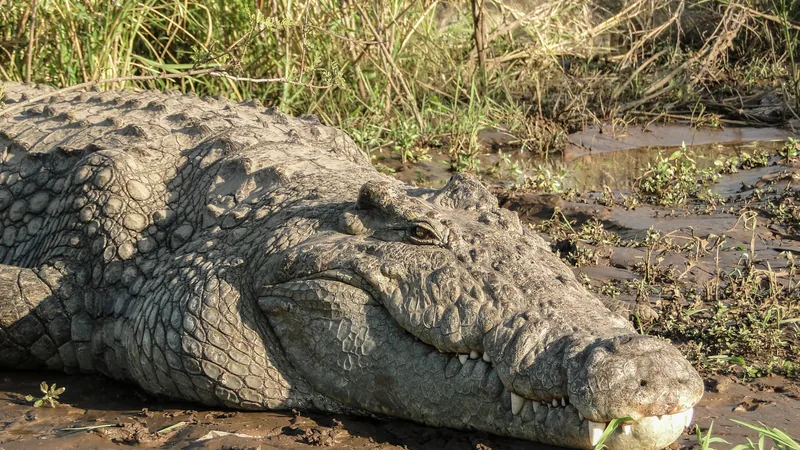
Nile Crocodile
An armored crocodile whose skin is more touch-sensitive than a primate's fingertips.
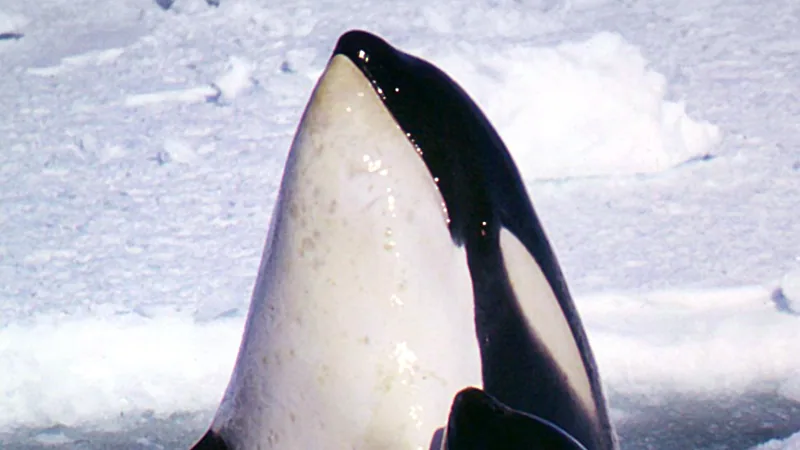
Orca (Killer Whale)
Matrilineal pod dialects, cooperative wave-washing tactics, and apex oceanic dominance.

Polar Bear
Arctic apex predator with hollow, see-through fur over jet-black skin, a nose that smells seals 20 miles off, and a shrinking sea of ice to swim.
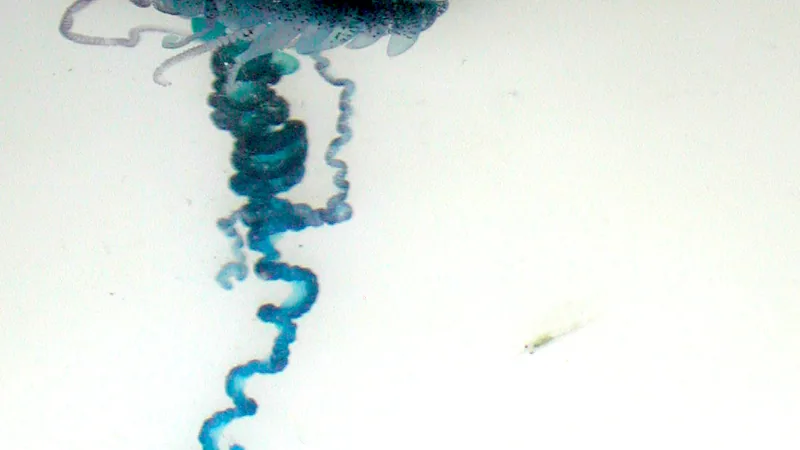
Portuguese Man o' War
Colonial siphonophore sail, up to thirty-meter neurotoxic tentacles, and ocean surface drifter.