Hoofed Mammals
Keratin-hoofed runners equipped with multi-chambered fermentation stomachs and head armor.
Ungulata
Ungulates dominate grasslands, tundra, and forests worldwide. Walking on the tips of toes encased in durable keratin hooves, these herbivores convert tough cellulose grasses into bio-mass using specialized multi-chambered stomachs or hindgut fermentation chambers.
Key Evolutionary Adaptations
Ruminant stomachs divide digestion into four distinct compartments to ferment cellulose with symbiotic microbes.
A giraffe's arterial blood pressure near the heart runs about twice a human's, to keep blood reaching the brain at the top of its neck.
Keratin hooves shock-absorb thousands of kilograms of kinetic impact during high-speed herd sprints.
Hoofed Mammals (page 1 of 2)

African Buffalo
A heavyweight, cow-like grazer whose bulls sometimes chase lions into trees.

Alpaca
The smallest domestic camelid makes antibodies with no light chain and grows fiber much stronger than Merino wool.

Alpine Chamois
Mountain relative of goats and antelopes, with hooves that grip slippery rock and hook-tipped horns on females as well as males.

American Bison
North America's largest land animal, up to 2,400 pounds of it, and a lone wolf that attacks an adult catches it only about once in 100 tries.
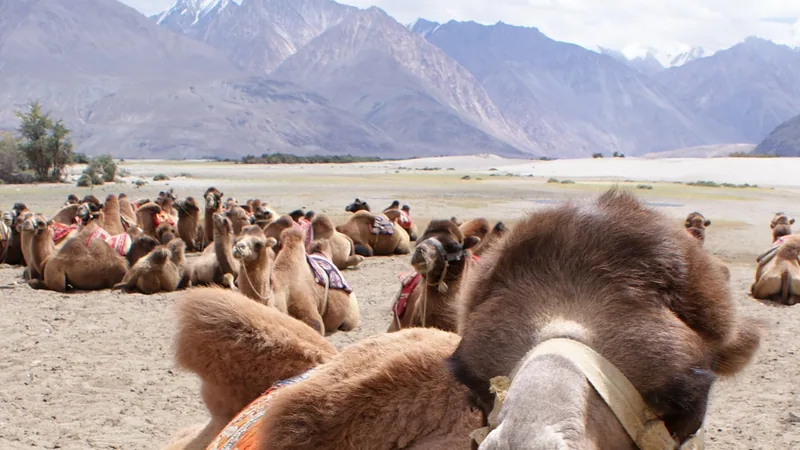
Bactrian Camel
Two humps of stored fat, a shaggy winter coat, and a body that survives temperatures from minus 29°C to 49°C.
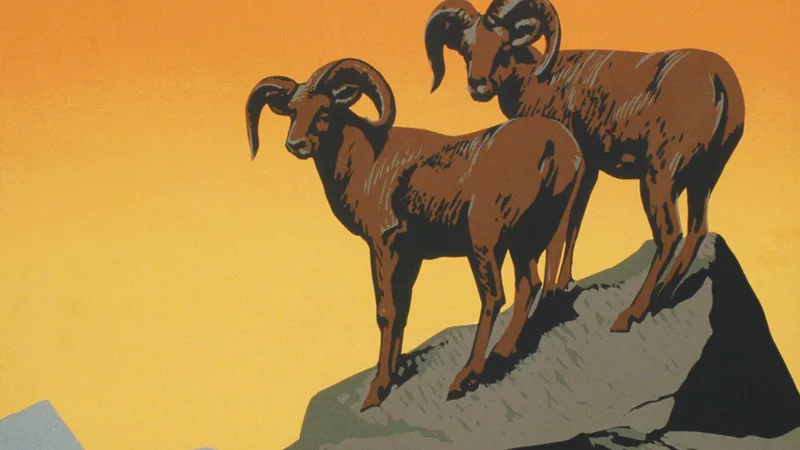
Bighorn Sheep
Horns weighing up to thirty pounds, head-first charges at up to forty mph, and hooves shaped to snag any slight protrusion.
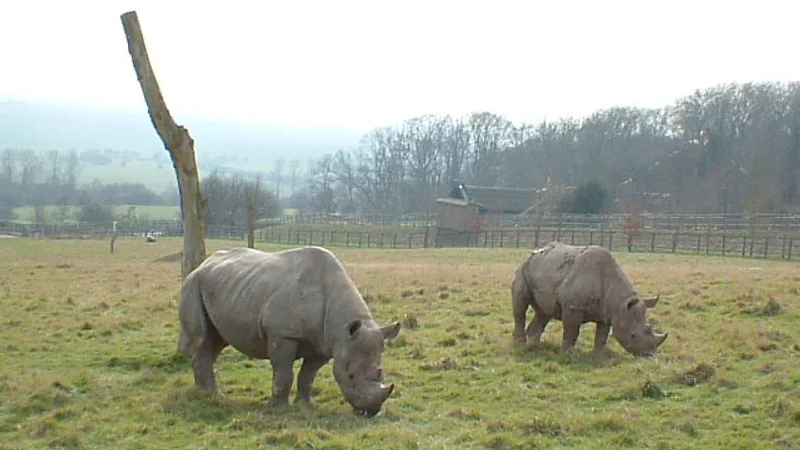
Black Rhinoceros
A hooked, prehensile lip, a recorded top speed of about 34 miles per hour, and two horns that grow from the skin all its life.
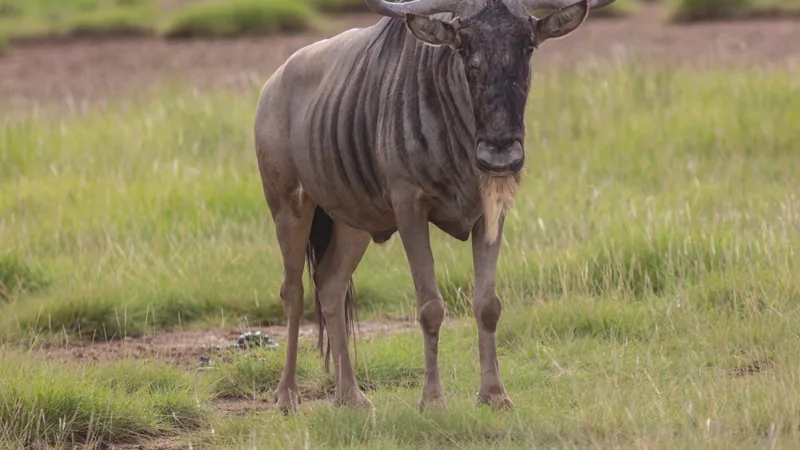
Blue Wildebeest
A bearded grassland grazer whose foreleg muscle is substantially more efficient than a cow's.
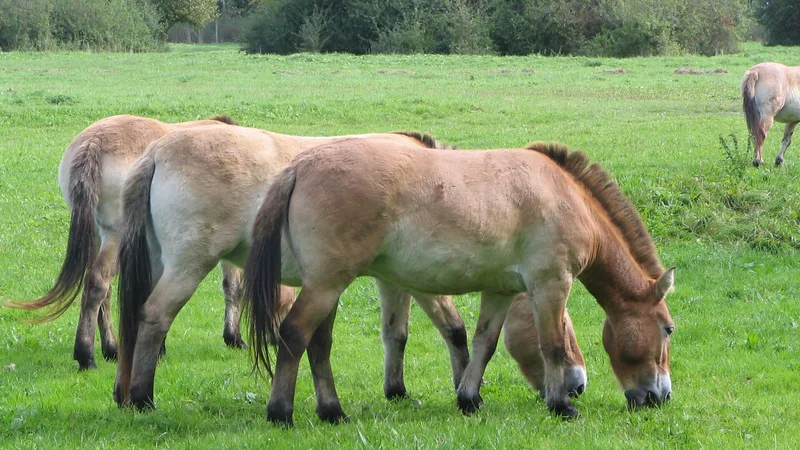
Clydesdale Horse
A Scottish farm horse first bred in the mid-1700s for heavy hauling, with males standing up to 19 hands on feathered ankles.
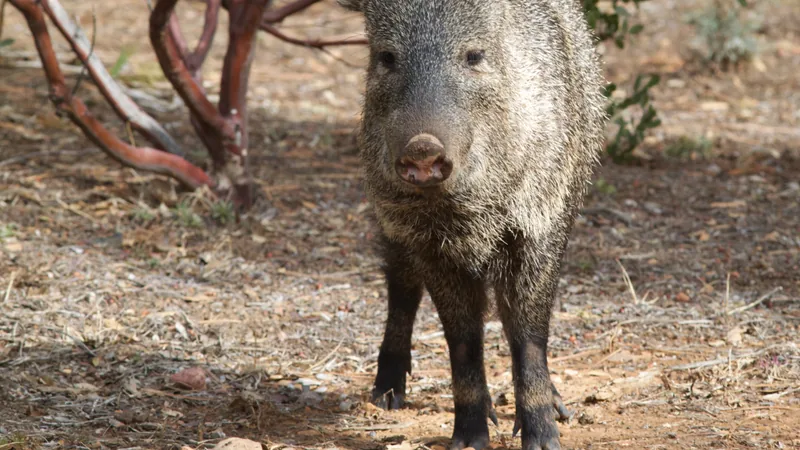
Collared Peccary
A 15 to 28 kg hoofed mammal that is not a pig, with self-sharpening canine teeth and a scent gland above its tail.
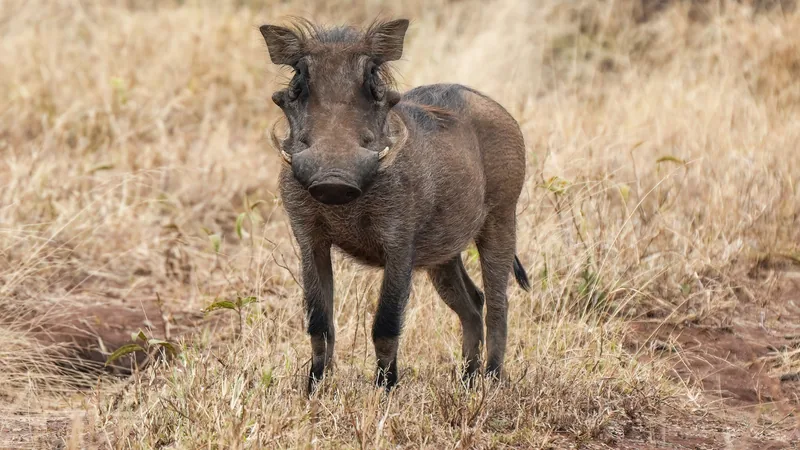
Common Warthog
Tusked survivor that usually backs into a borrowed aardvark burrow, so its tusks face whatever comes calling.
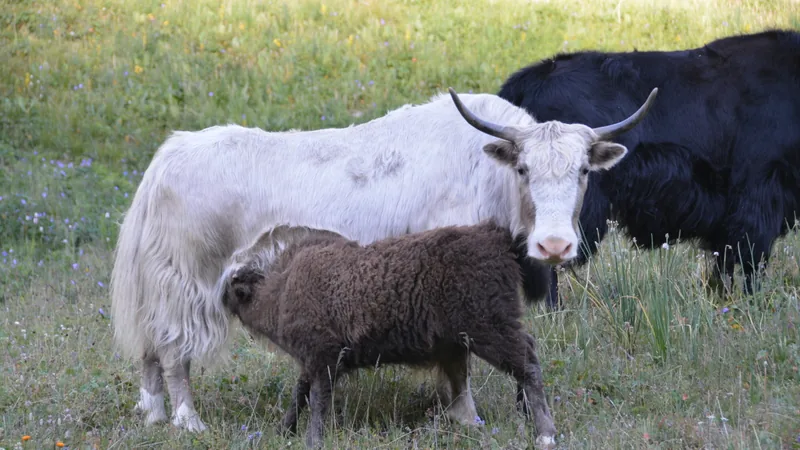
Domestic Yak
Oversized heart and lungs, a shaggy coat and a home up to 5,000 m high.
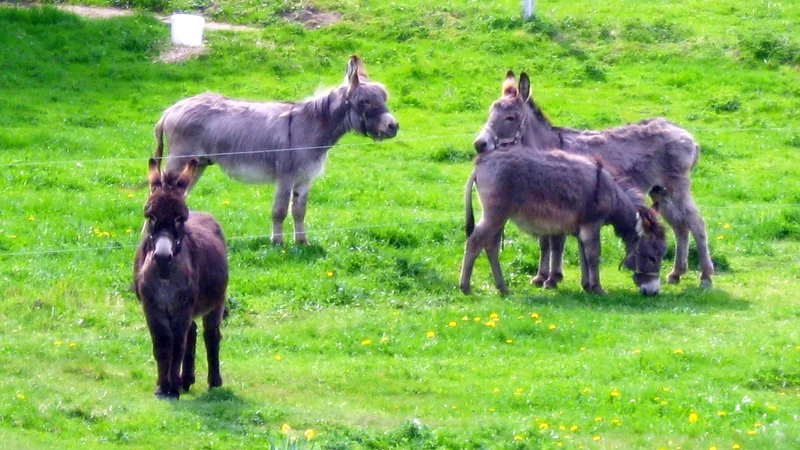
Donkey
A working equid whose hee-haw can travel up to 3 km, domesticated in Africa around 5000 BCE.
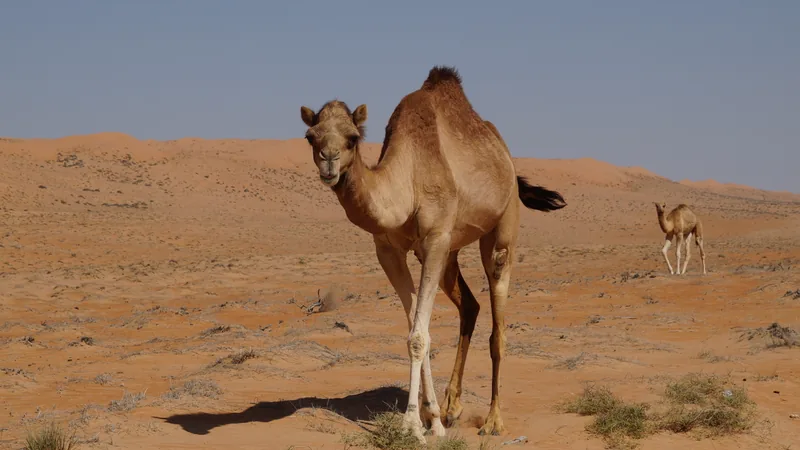
Dromedary
The desert animal that lets its body warm to 41.7 degrees Celsius instead of sweating as the day heats up.
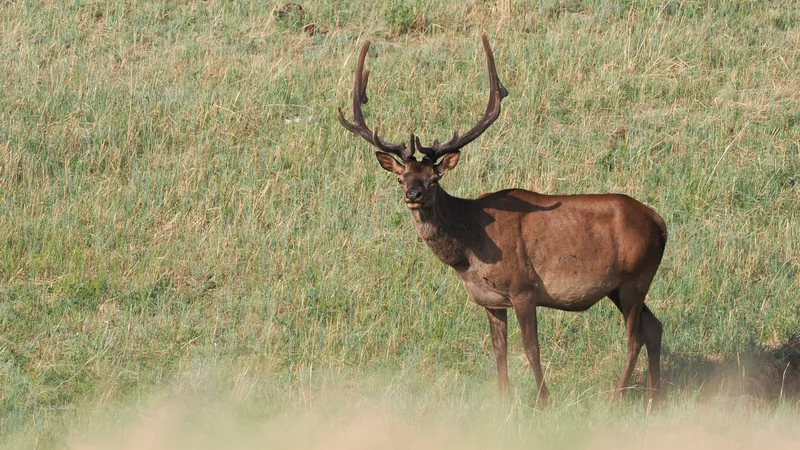
Elk
A bull's bugle is two sounds at once, and his antlers regrow every year at up to two-thirds of an inch a day.
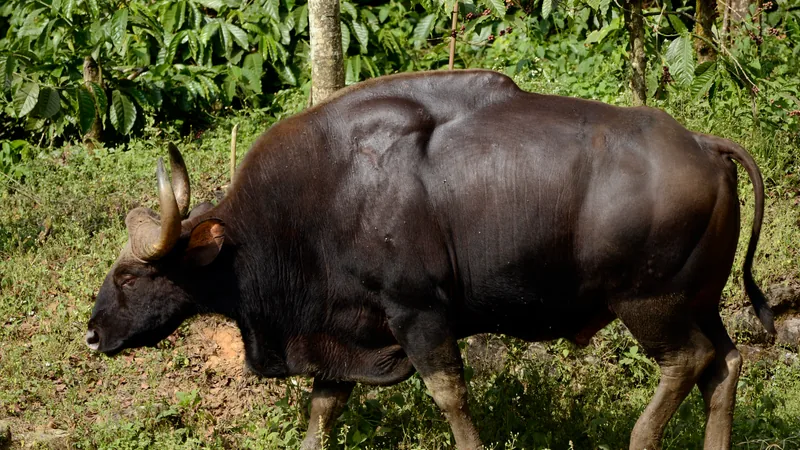
Gaur
The largest living wild cattle, whose herds, one warden wrote, are prepared to stand and fight a tiger rather than run.
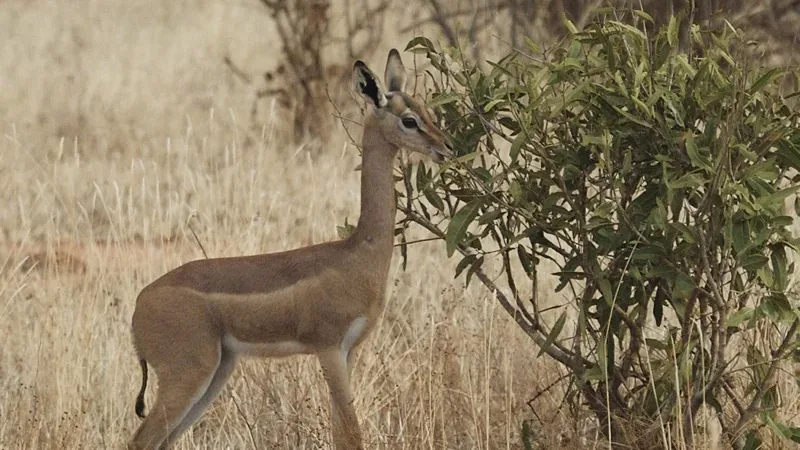
Gerenuk
A bipedal antelope of Africa's dry thornbush that rears onto its hind legs to reach leaves other antelope can't, and does not drink standing water, relying instead on the succulent plants it eats.

Giraffe
Bulls can top eighteen feet, with a roughly twenty-five-pound heart built to fight gravity and an eighteen-inch tongue that dodges acacia thorns.
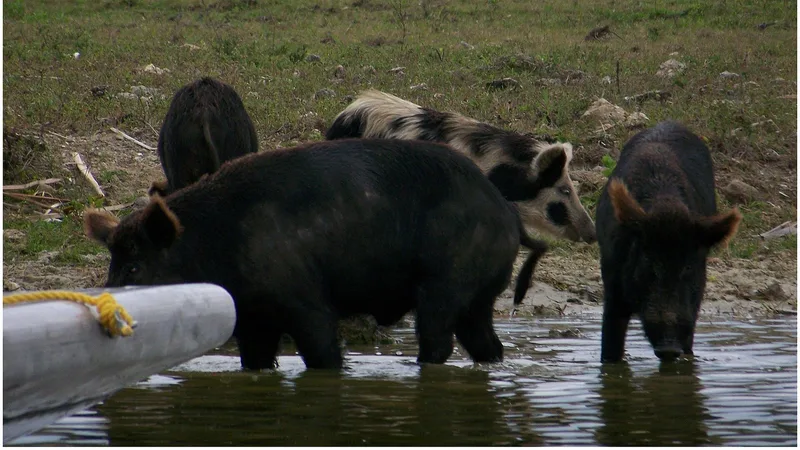
Gloucestershire Old Spot Pig
Large lop ears, black spots on white, and a history of feeding on windfall fruit in English orchards.
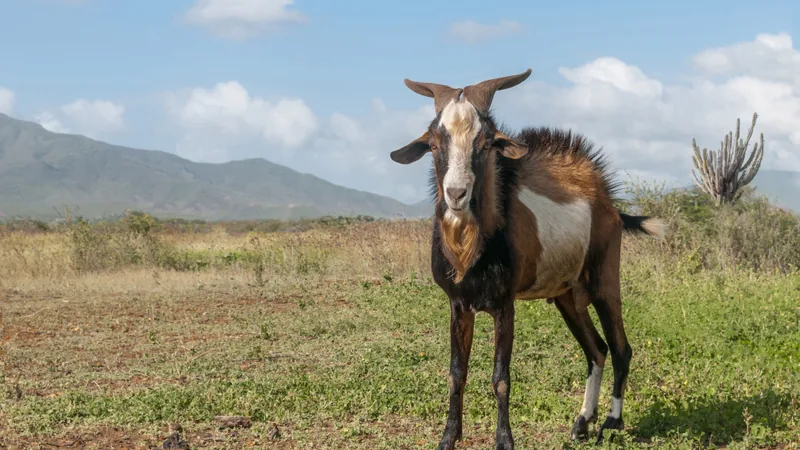
Goat
A domesticated ruminant with rectangular pupils and a digestive system that works nonstop.
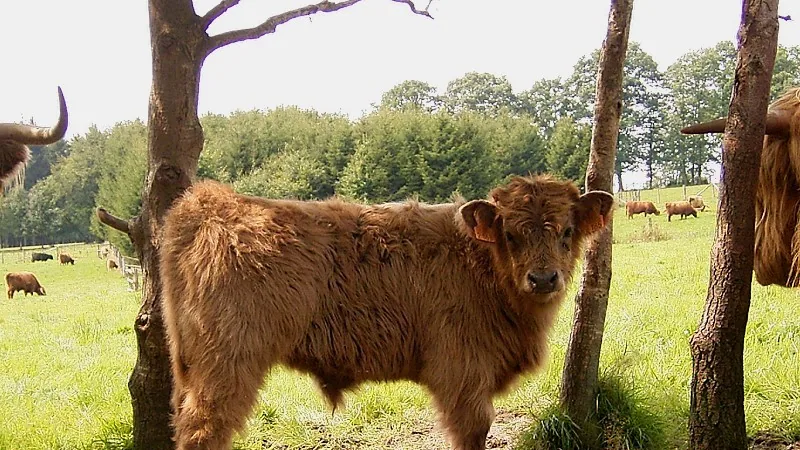
Highland Cattle
A long, shaggy coat, handlebar horns, and roots in Scotland going back to the 6th century.

Hippopotamus
A one-and-a-half-tonne river giant that walks the riverbed instead of swimming, and oozes its own sunscreen.
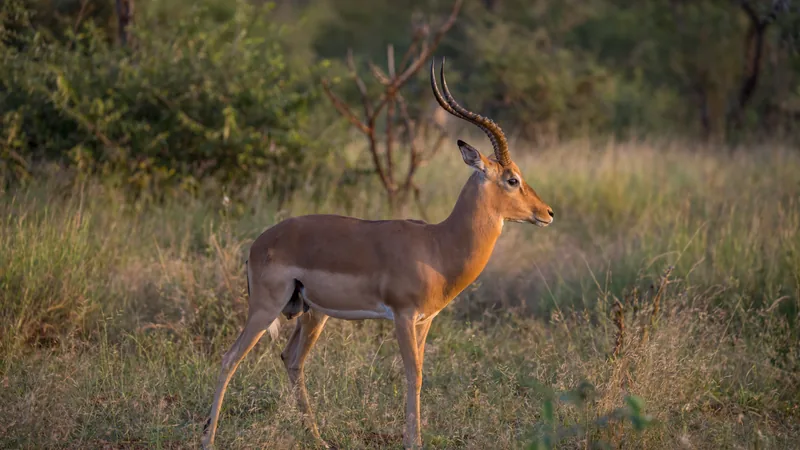
Impala
An antelope whose leaps often carry it over bushes and even other impala, with scent glands under black hair on its hind feet.
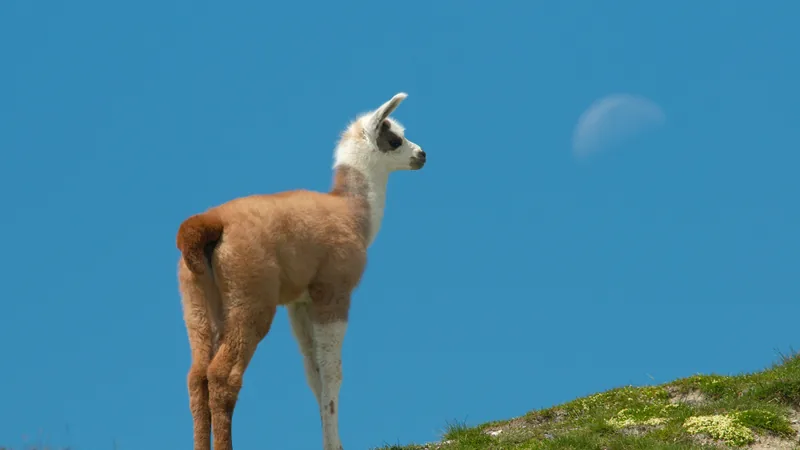
Llama
A woolly Andean pack animal that makes heavy chain-only antibodies, one of which, raised by immunization, neutralized 96 of 100 HIV-1 strains tested.