Hoofed Mammals
Keratin-hoofed runners equipped with multi-chambered fermentation stomachs and head armor.
Ungulata
Ungulates dominate grasslands, tundra, and forests worldwide. Walking on the tips of toes encased in durable keratin hooves, these herbivores convert tough cellulose grasses into bio-mass using specialized multi-chambered stomachs or hindgut fermentation chambers.
Key Evolutionary Adaptations
Ruminant stomachs divide digestion into four distinct compartments to ferment cellulose with symbiotic microbes.
A giraffe's arterial blood pressure near the heart runs about twice a human's, to keep blood reaching the brain at the top of its neck.
Keratin hooves shock-absorb thousands of kilograms of kinetic impact during high-speed herd sprints.
Hoofed Mammals (page 2 of 2)
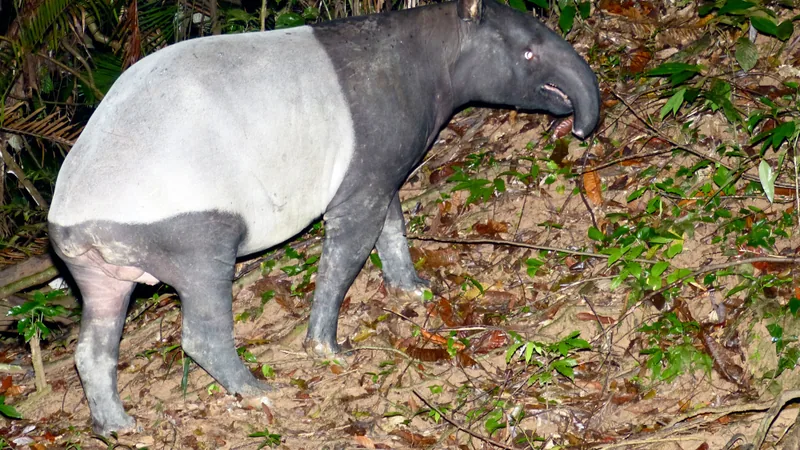
Malayan Tapir
Born striped, grown two-tone, and armed with a prehensile snout for plucking leaves.

Moose
Half-tonne boreal giant, antlers that are the fastest-growing tissue of any mammal, and stilt legs that sometimes give it an edge over wolves in deep snow.
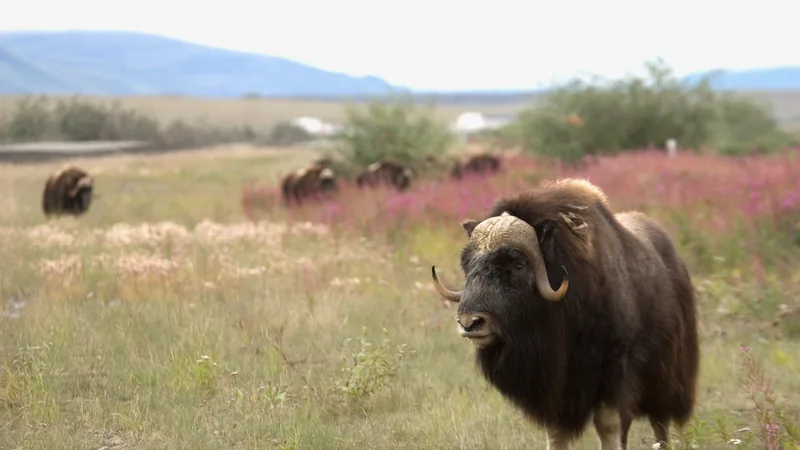
Muskox
Bulls settle rivalries by charging 50 yards or more and colliding head-first on their horn bosses.
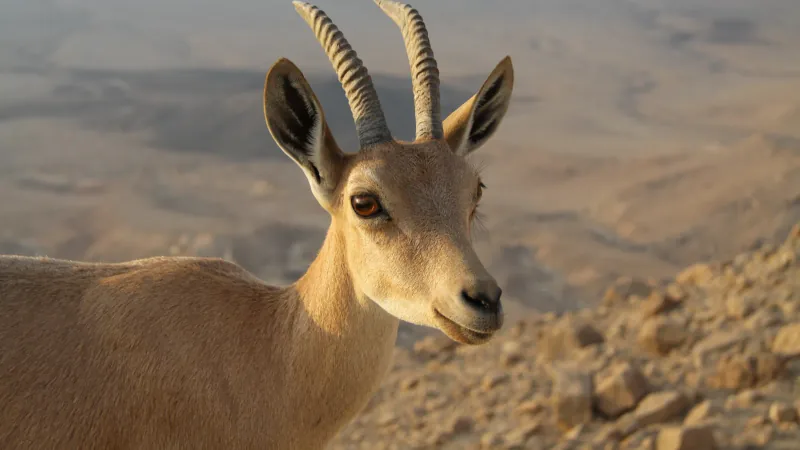
Nubian Ibex
Relatively small desert ibex of the Middle East and northeast Africa, a true cliff dweller whose males carry ridged, backward-arching horns up to 122 centimeters long.
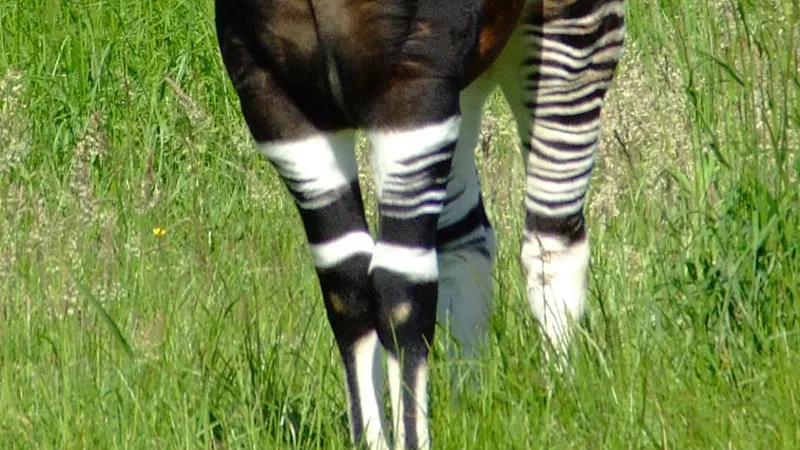
Okapi
Zebra-striped legs, a tongue that can reach past a foot, and the giraffe's only close living relative, unknown to scientists until 1901.
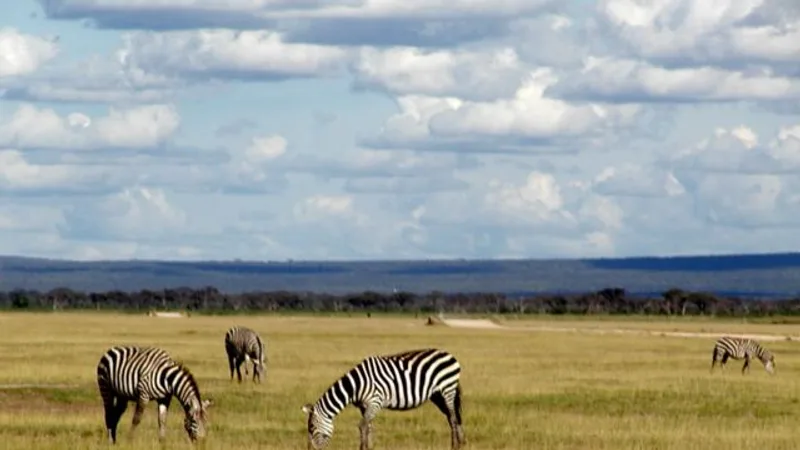
Plains Zebra
Stripes linked to biting flies, a coat as unique as a fingerprint, and a yearly Serengeti trek of around 2,900 kilometers.
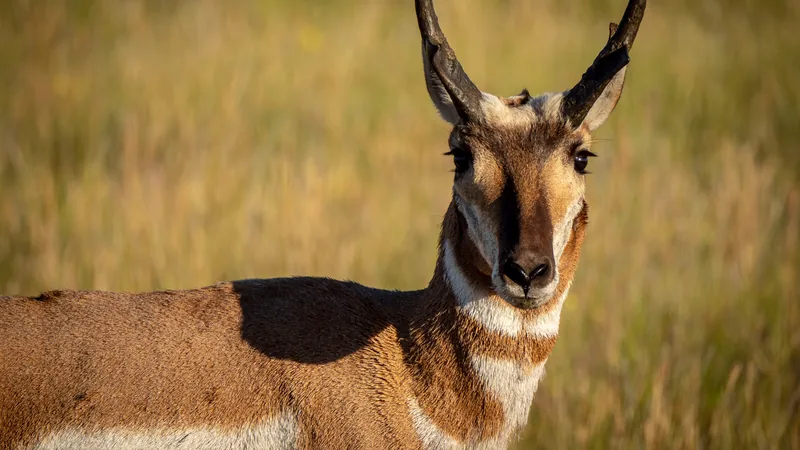
Pronghorn
A 40 to 59 kg grassland runner that can average 65 km/h over 11 km, backed by an extraordinary capacity to consume and process oxygen.
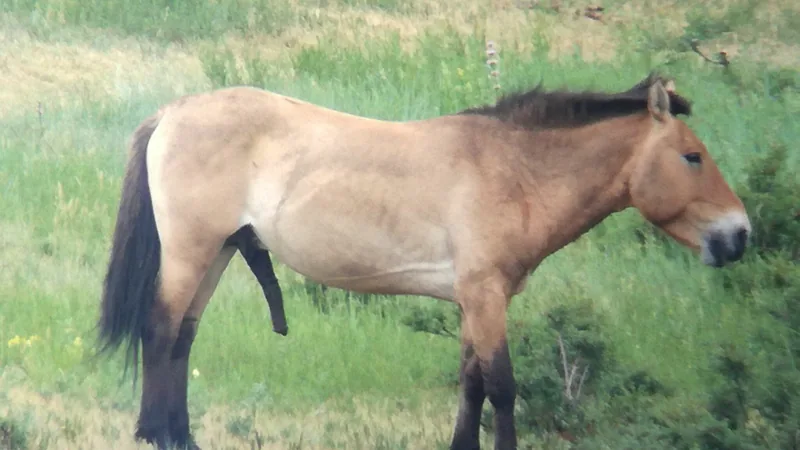
Przewalski's Horse
The wild horse with 66 chromosomes, gone from the wild and then put back.
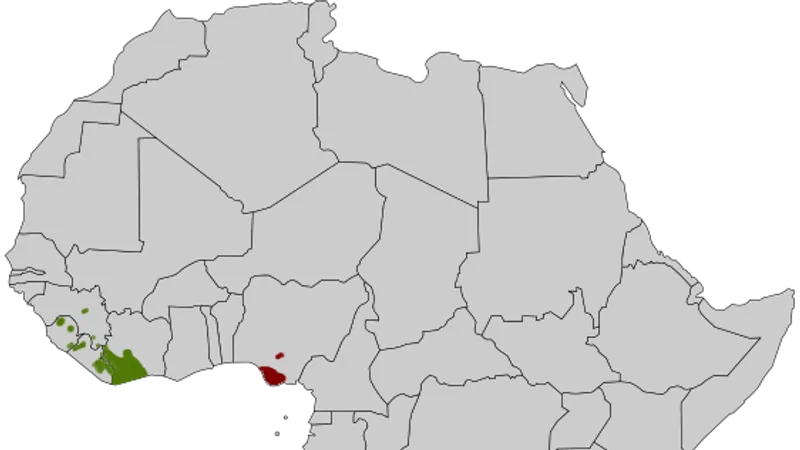
Pygmy Hippopotamus
Dwarf solitary forest hippo of the Upper Guinean swamps, with pink blood-sweat sunscreen.
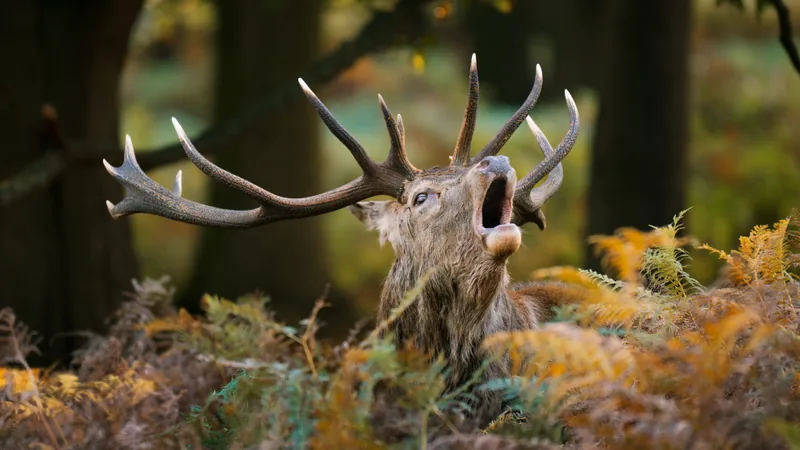
Red Deer
The UK's largest land mammal: a stag of up to 190 kg that regrows its antlers each year and roars through the autumn rut.
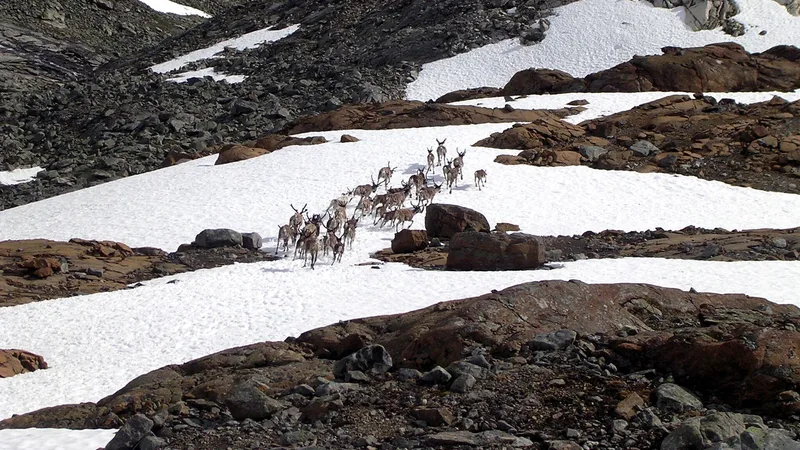
Reindeer (Caribou)
Eyes that shine deep blue in the Arctic winter, feet that click when it walks, and the only deer where cows grow antlers too.
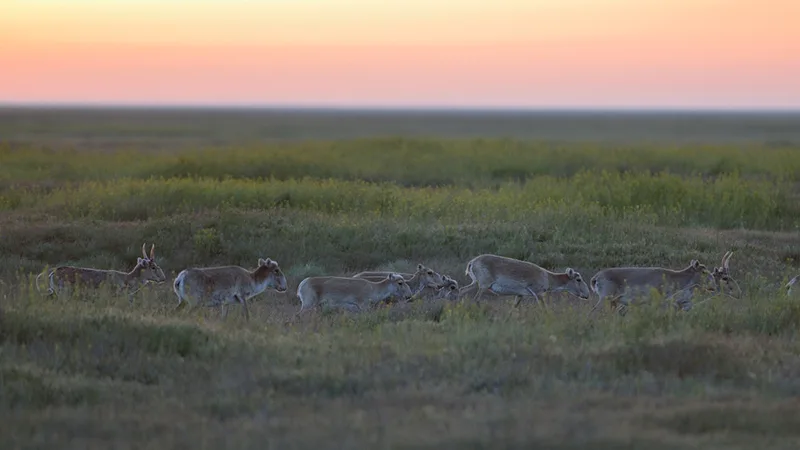
Saiga Antelope
An inflatable nose, loud nasal roars, and an Ice Age survivor of the Eurasian steppe.
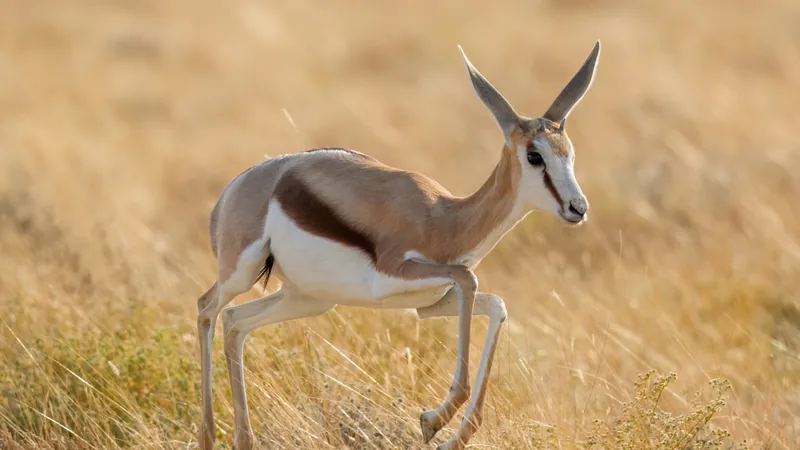
Springbok
A gazelle-like antelope that bounces on stiff legs and flares a hidden crest of white hair.
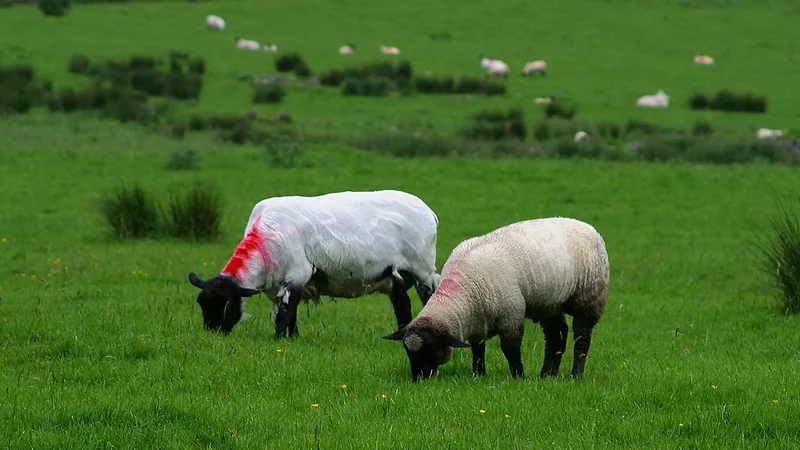
Suffolk Sheep
A jet-black, wool-free head and legs against a clean white fleece, on an English meat breed whose lambs can gain more than a pound a day.
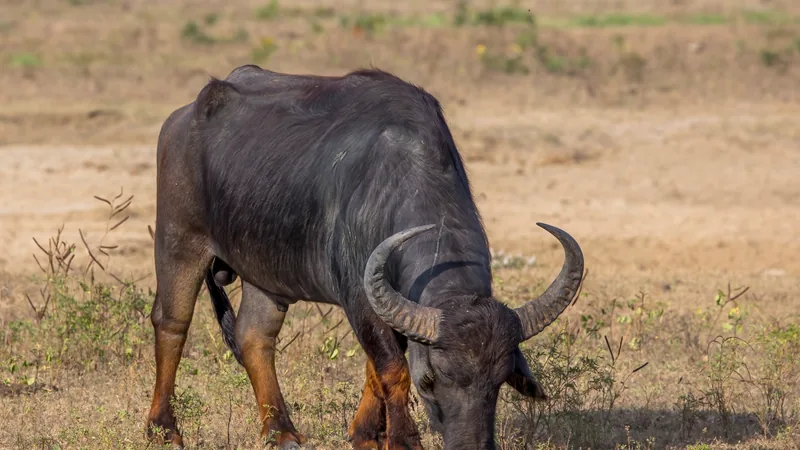
Water Buffalo
A farm giant that can reach 1,000 kg and wallows in mud to cool off.

White Rhinoceros
1,800 to 2,700 kilograms of armored grey hide and a keratin horn, carrying a name nobody has ever actually proven right.
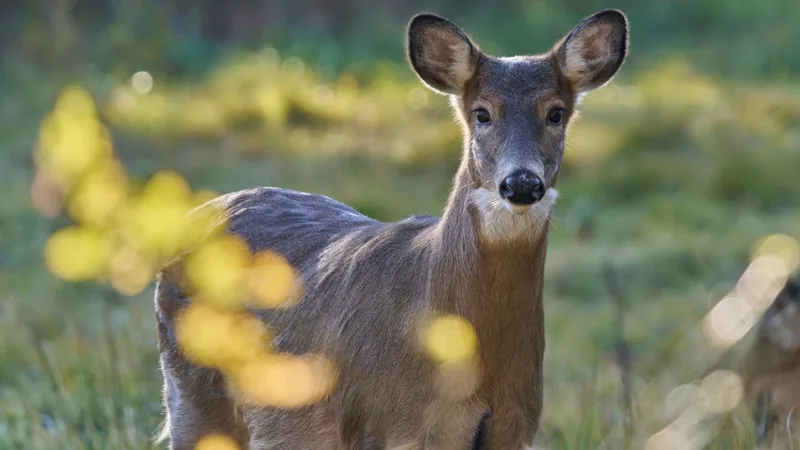
White-Tailed Deer
A fawn holds in its waste until its mother returns, and she swallows whatever it passes so predators find no sign of it.
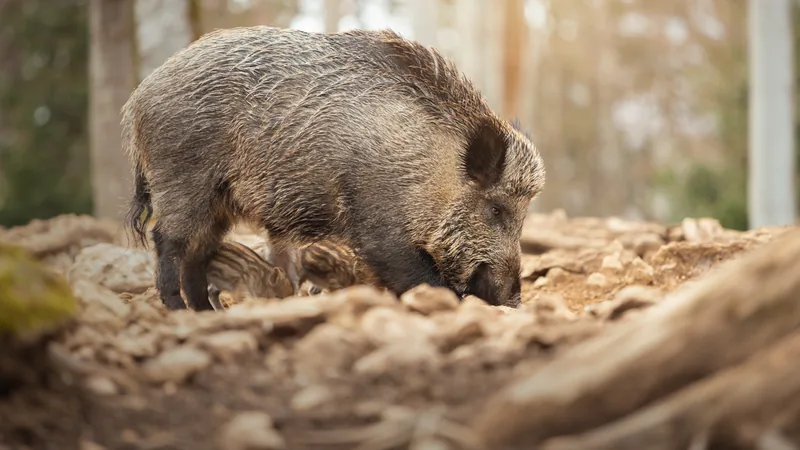
Wild Boar
A long-snouted omnivore whose upper canines are usually visible even when its mouth is closed.