Rodents & Lagomorphs
Continuously growing chisel teeth, explosive reproductive rates, and architectural engineering.
Rodentia & Lagomorpha
Representing over forty percent of all mammal species, rodents thrive on every continent except Antarctica. Their defining superpower is a set of open-rooted, self-sharpening incisors coated in hard orange enamel on the front, demanding perpetual gnawing on hard seeds, wood, and plant fibers. Rabbits, hares and pikas are not rodents but lagomorphs, an order of their own with the same ever-growing incisors, so they share this page.
Key Evolutionary Adaptations
Incisor teeth grow continuously throughout life, self-sharpening as softer inner dentin grinds against hard enamel.
Capybaras and beavers engineer wetlands and dams that reshape entire river basin ecosystems.
High metabolic rates and rapid breeding cycles allow local populations to quickly adapt to shifting biomes.
All Rodents & Lagomorphs

African Crested Porcupine
The world's longest porcupine turns its back on a threat, rattles a tail of hollow quills, and charges backward to stab anything that ignores the warning.

Alpine Marmot
A whistling mountain sentinel that slashes its metabolism to hibernate, then regrows its gut after it wakes.

American Pika
A rabbit relative that stacks hay in summer and can be killed by two hours above 28°C.

Black-Tailed Jackrabbit
A desert hare that zigzags at up to 40 miles per hour and eats its own droppings for a second pass at its food.

Black-Tailed Prairie Dog
A keystone rodent that digs towns of multi-chamber burrows, and whose shrill jump-yip seems to set off the neighbors.
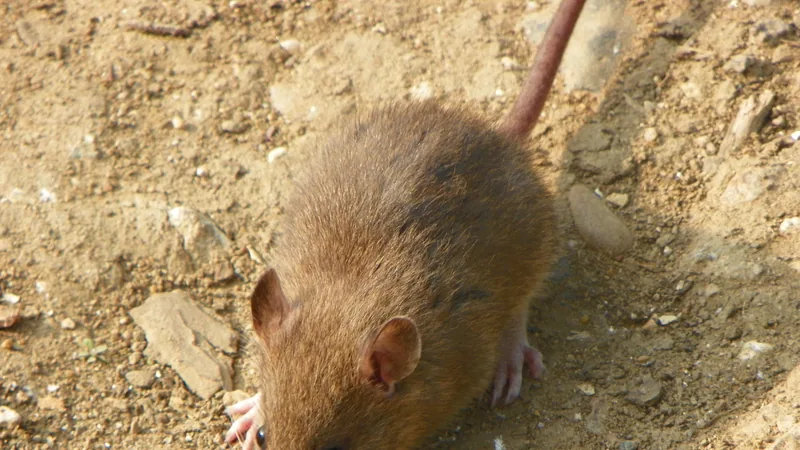
Brown Rat
A whisker-guided survivor that breeds all year and quickly learns to shun the taste of food that once made it ill.
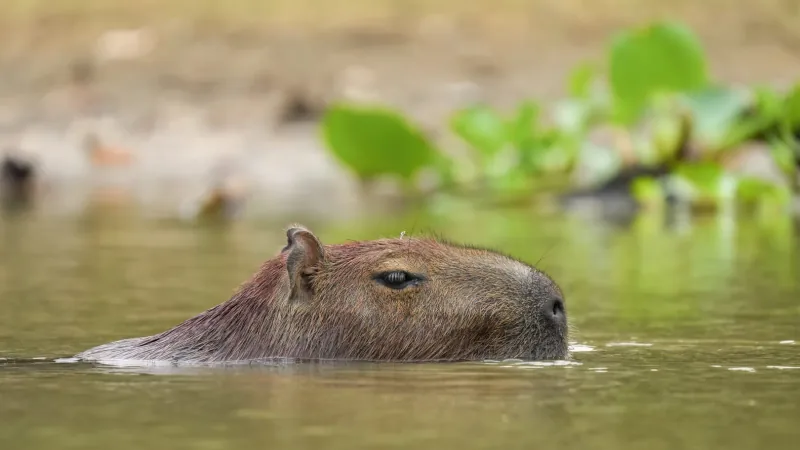
Capybara
Up to 66 kilograms (145 pounds) of South American zen diplomat, calm enough to let birds pick parasitic insects out of its fur.
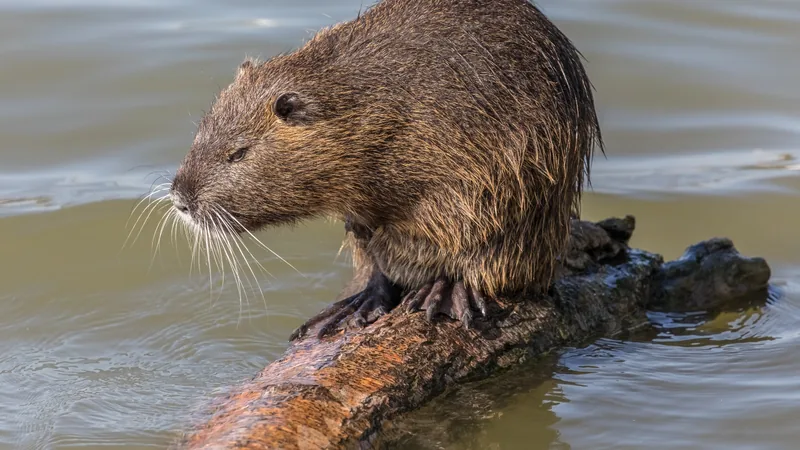
Coypu
A webbed-footed marsh rodent with its eyes, ears and nostrils on top of its head.
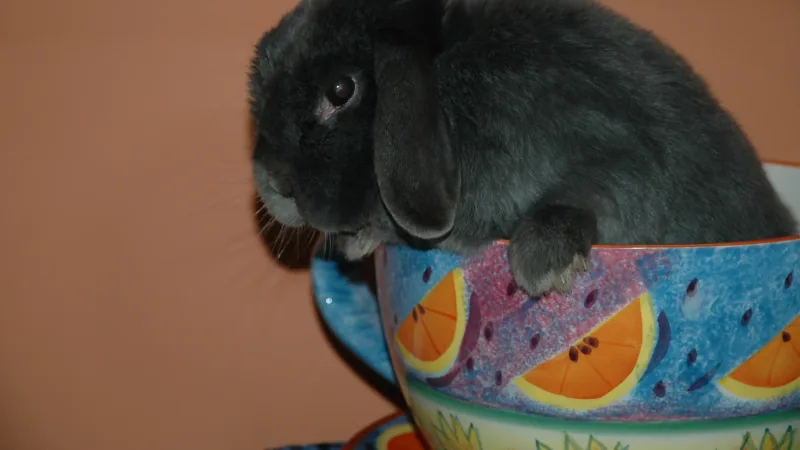
Domestic Rabbit
Sees almost all the way around, twists in midair when happy, and eats its own droppings for a second pass at its food.
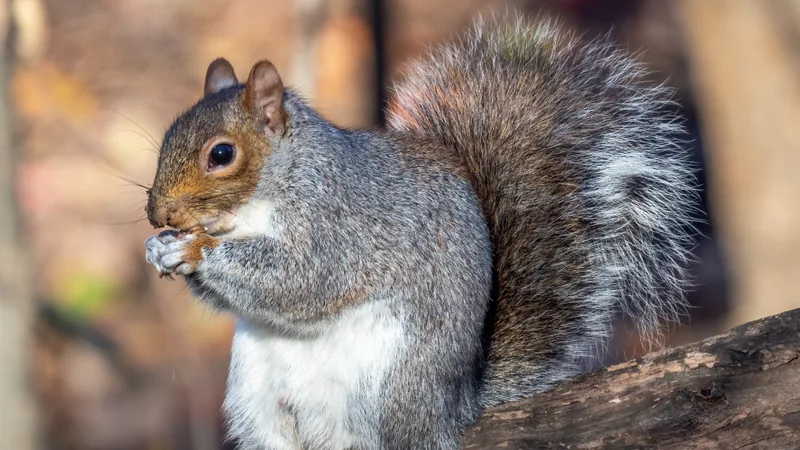
Eastern Gray Squirrel
An eastern North American tree squirrel that has been known to dig empty cache holes when other squirrels are around, and now far outnumbers the native red squirrel in the UK.
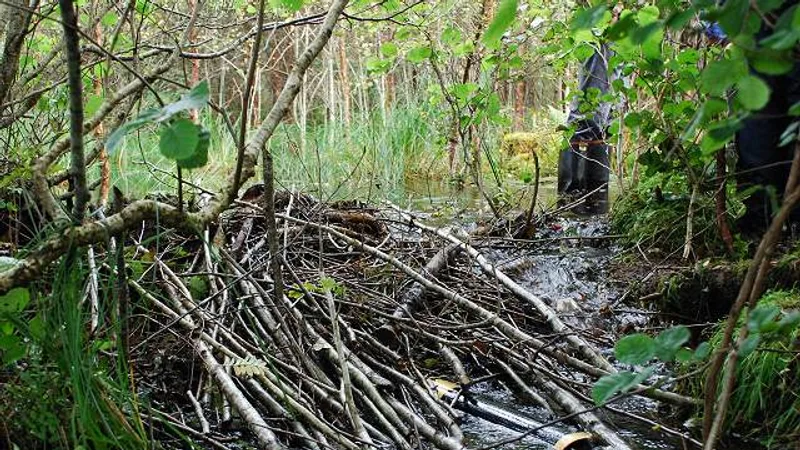
Eurasian Beaver
Europe's orange-toothed dam builder, hunted to near extinction, then counted at over 1.5 million across Europe by 2012.
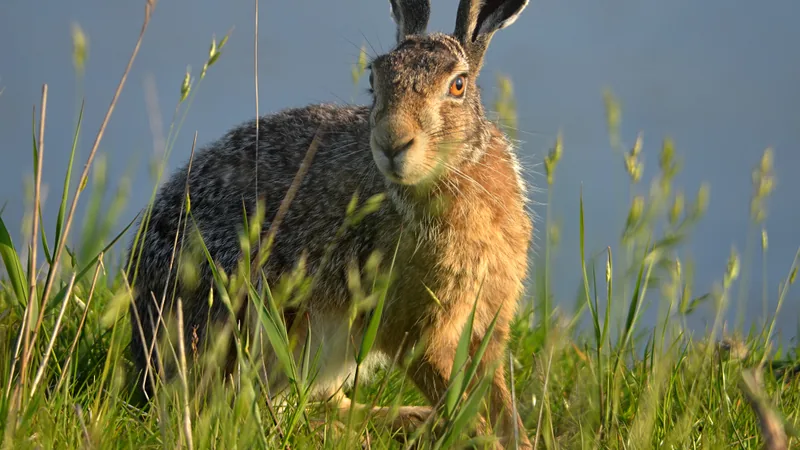
European Hare
Mom parks her furry newborns apart and makes the rounds to nurse them.
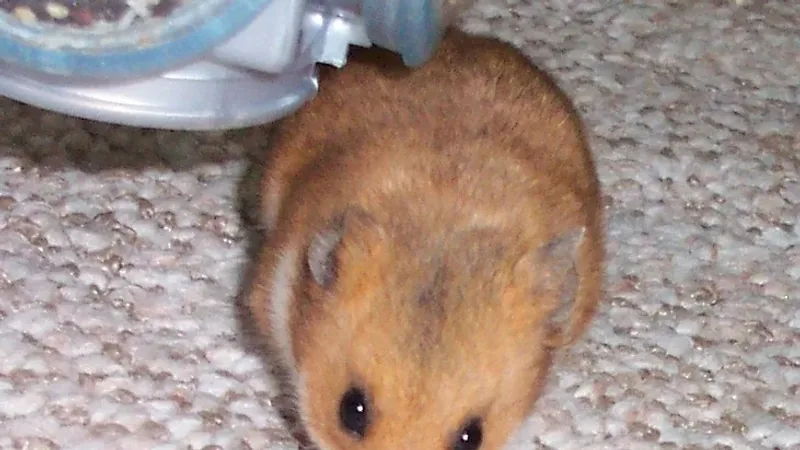
Golden Hamster
A 105 g Syrian burrower that keeps night hours in the lab, while wild females were active almost only by day.
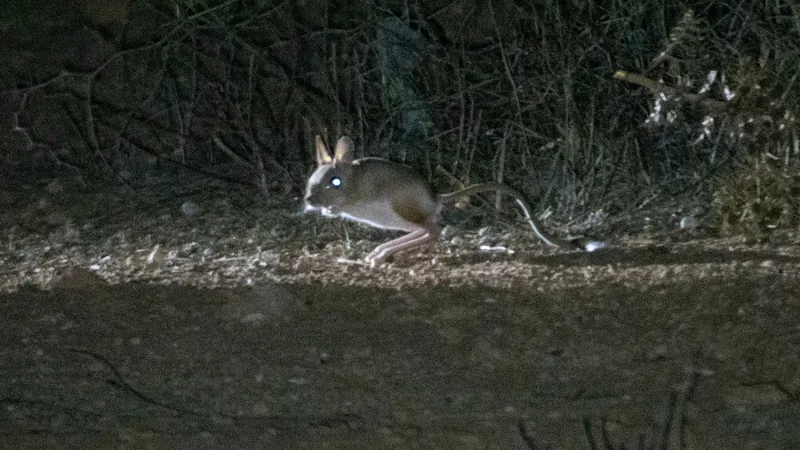
Greater Jerboa
The desert rodent that flees predators in leaps measured at up to 3 meters long, on hind legs about four times the length of its front ones.
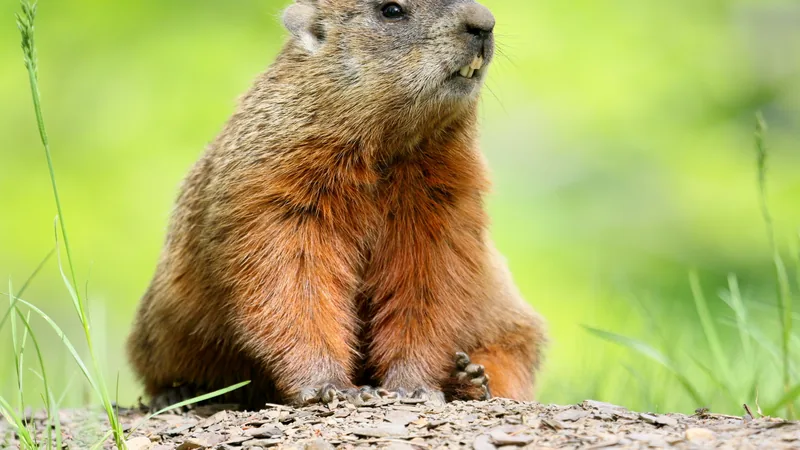
Groundhog
The largest marmot in its range, a tunnelling rodent that sleeps through the winter and warns its neighbours with a shrill whistle.
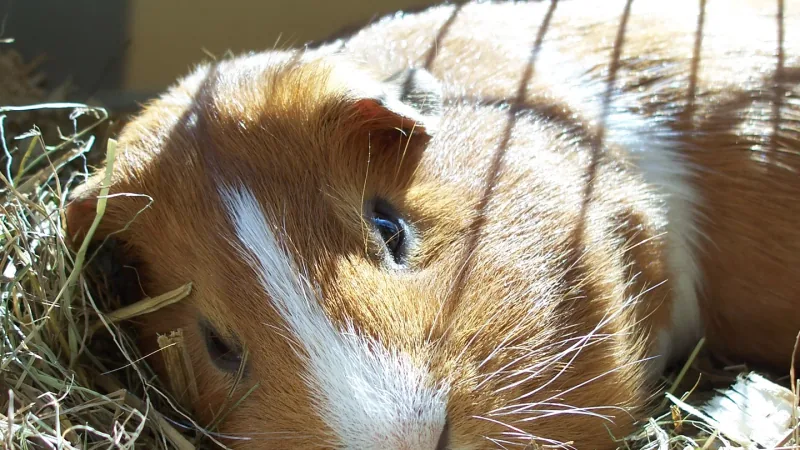
Guinea Pig
A tailless rodent with six main calls and a habit of popcorning.
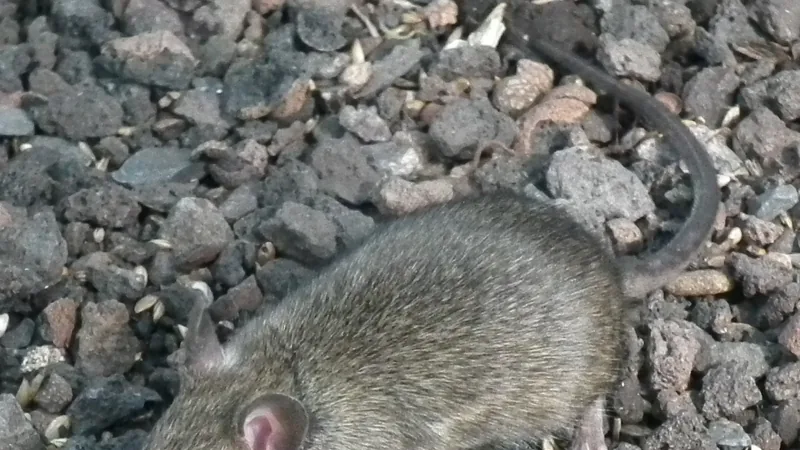
House Mouse
A 12 to 30 gram squatter whose love songs are too high for human ears.
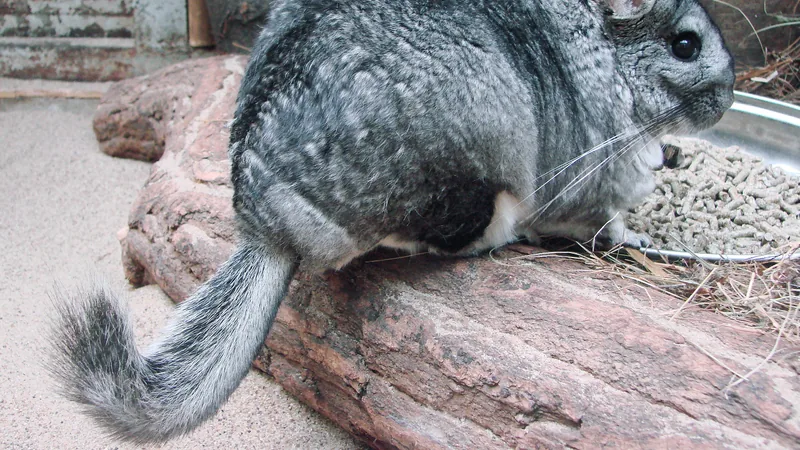
Long-Tailed Chinchilla
An Andean rodent with up to 60 hairs growing from one follicle.
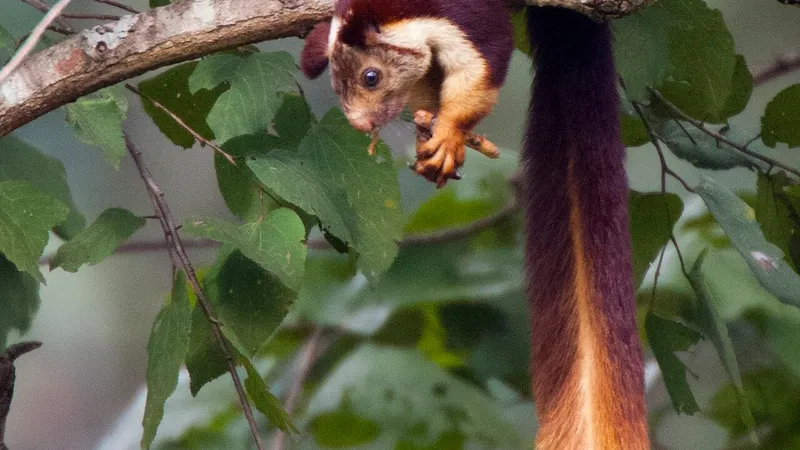
Malabar Giant Squirrel
A giant squirrel of peninsular India that can leap six meters or more between trees and rarely leaves them.
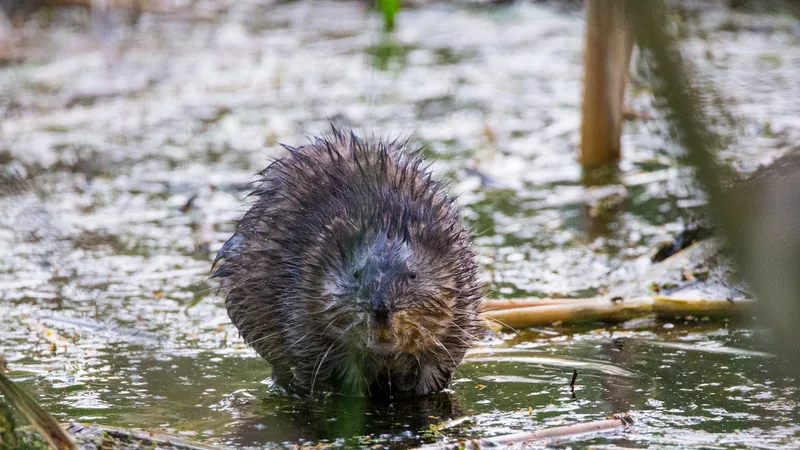
Muskrat
A marsh rodent that builds its home from piled-up plants and eats about a third of its own weight every day.
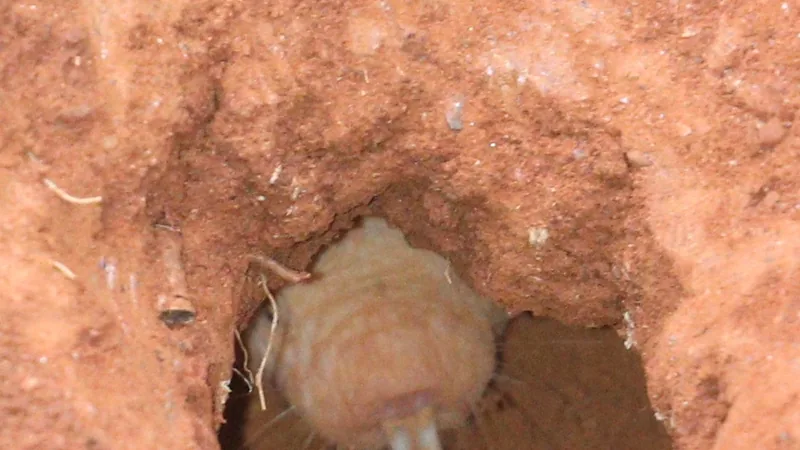
Naked Mole-Rat
The nearly hairless, essentially cold-blooded tunnel digger that shrugs off acid and chili burns, survives 18 minutes with no oxygen at all, and outlives every other rodent on record.
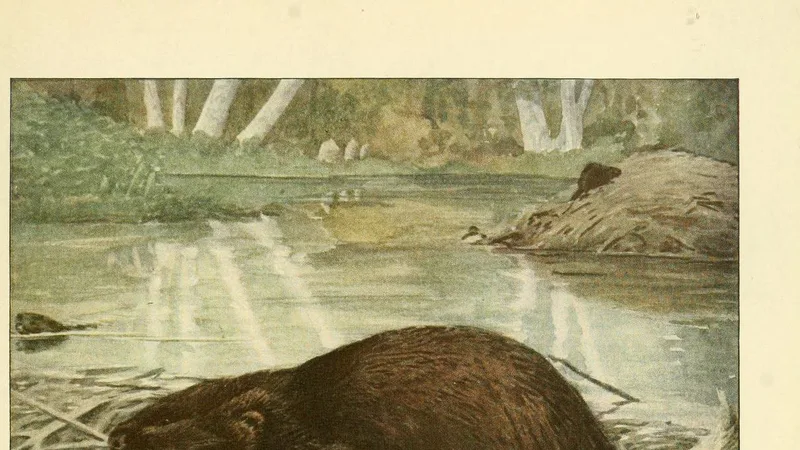
North American Beaver
Self-sharpening orange teeth strengthened with iron, and an ecosystem engineer that dams streams into ponds.
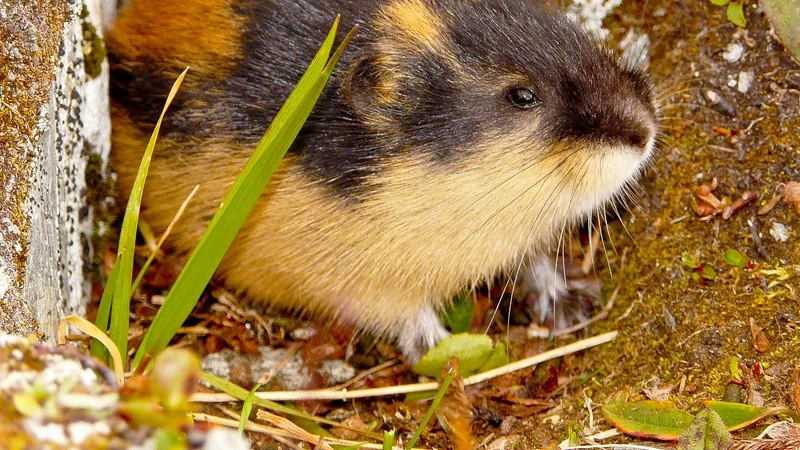
Norway Lemming
A warning-colored mountain rodent, kin of the lemmings wrongly said to leap to their deaths.
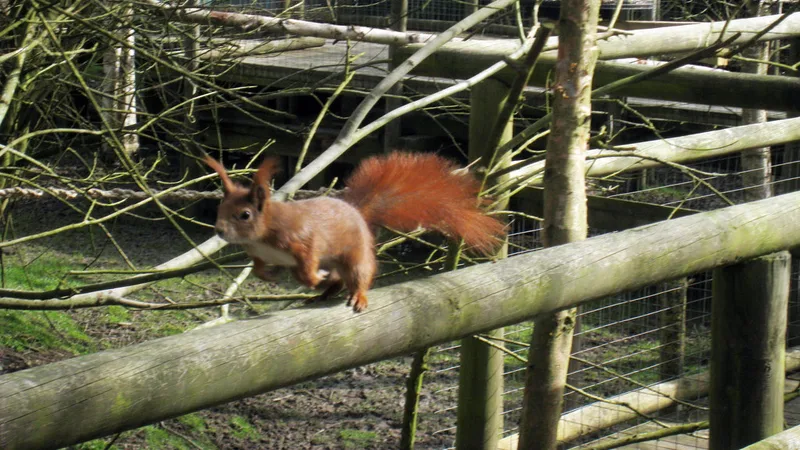
Red Squirrel
Double-jointed canopy acrobat that cracks a nut in seconds and buries seeds that may grow into trees.