Mammal
Warm-blooded vertebrates possessing hair or fur, nursing young with milk, and possessing three inner ear bones.
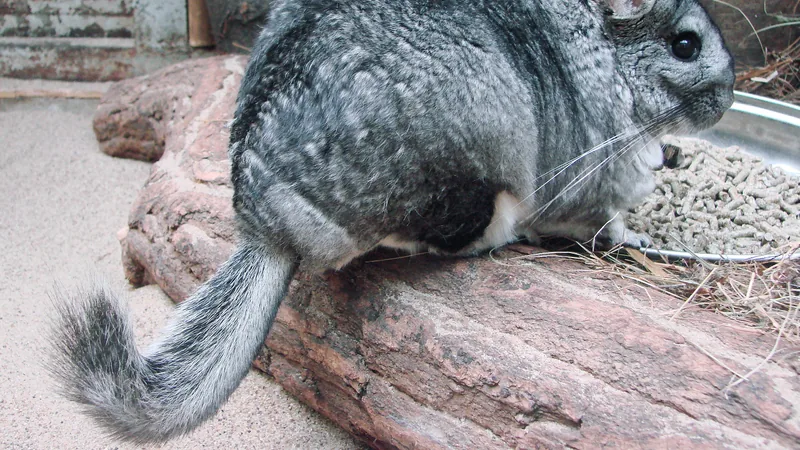
Long-Tailed Chinchilla
An Andean rodent with up to 60 hairs growing from one follicle.
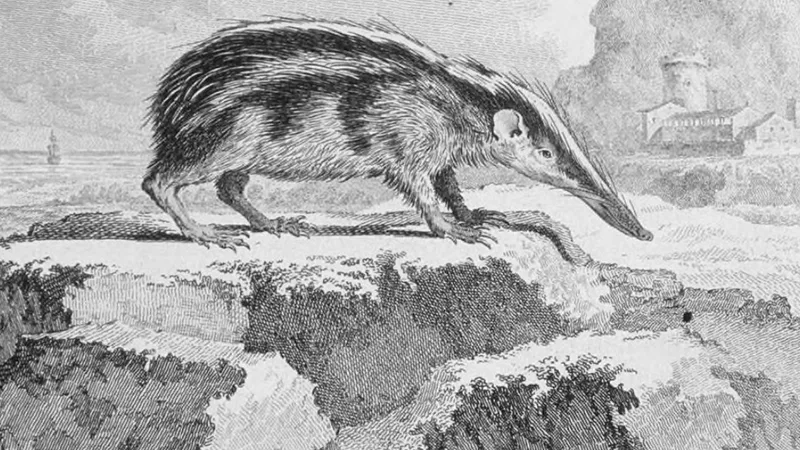
Lowland Streaked Tenrec
A black-and-yellow striped Madagascan tenrec, roughly 125 to 280 g, with back quills that rub together to make high-frequency sound.
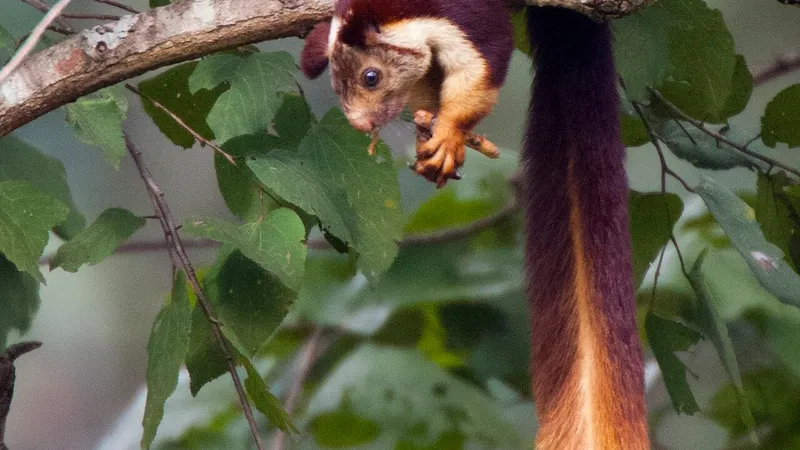
Malabar Giant Squirrel
A giant squirrel of peninsular India that can leap six meters or more between trees and rarely leaves them.
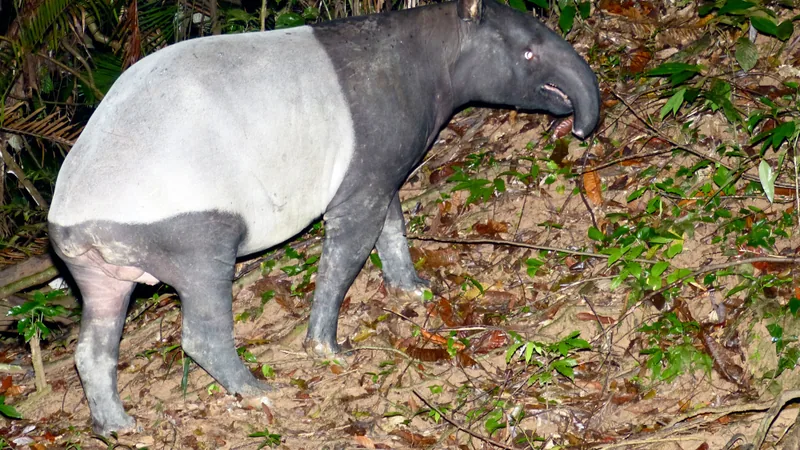
Malayan Tapir
Born striped, grown two-tone, and armed with a prehensile snout for plucking leaves.
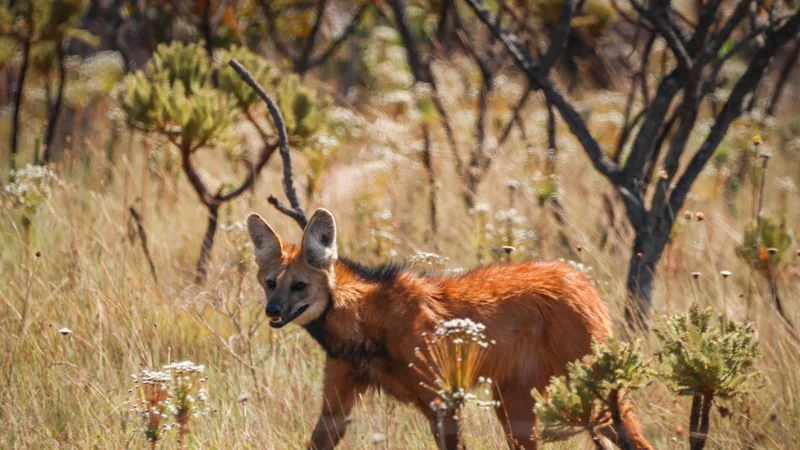
Maned Wolf
Stilt-legged golden canid of the cerrado that sees over tall grass and marks its territory with urine that reminds many people of a skunk.
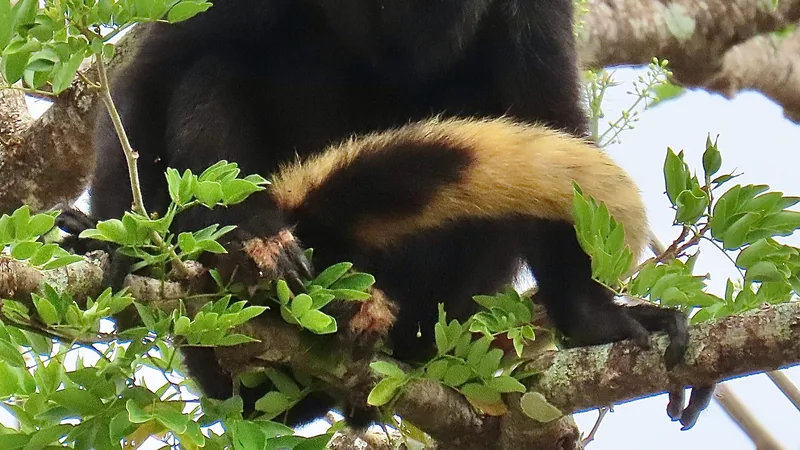
Mantled Howler Monkey
A leaf-eating monkey whose males' calls seem to help keep neighbouring troops apart.
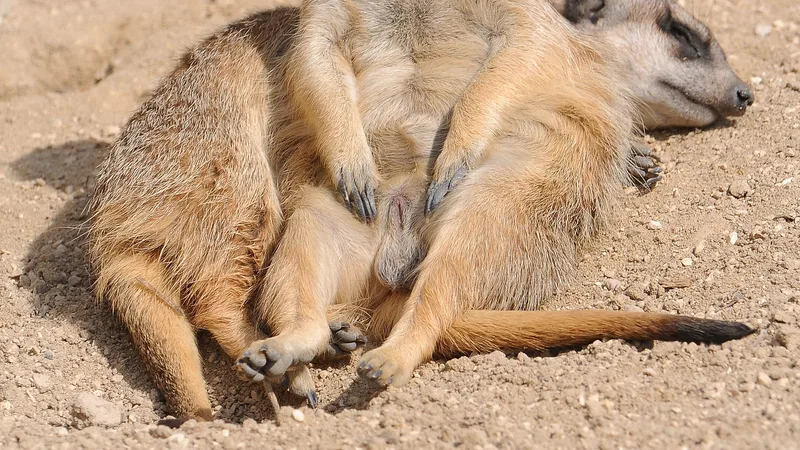
Meerkat
Sentinel shifts on its hind legs, glare-cutting eye patches, and some immunity to a scorpion's sting, just enough to make it lunch.
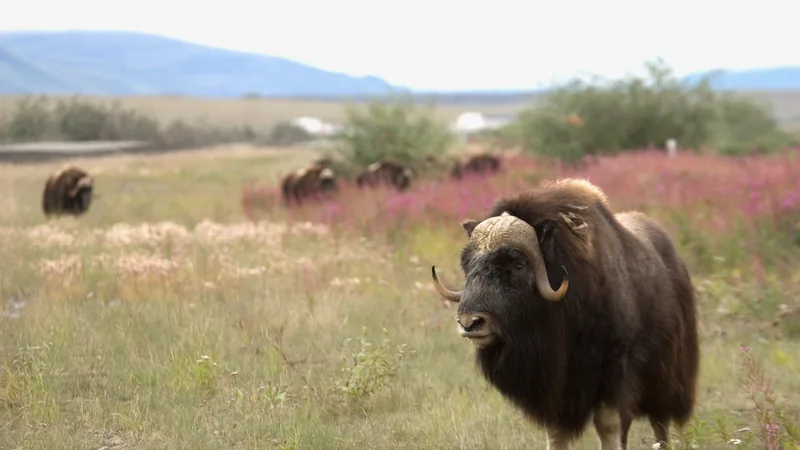
Muskox
Bulls settle rivalries by charging 50 yards or more and colliding head-first on their horn bosses.
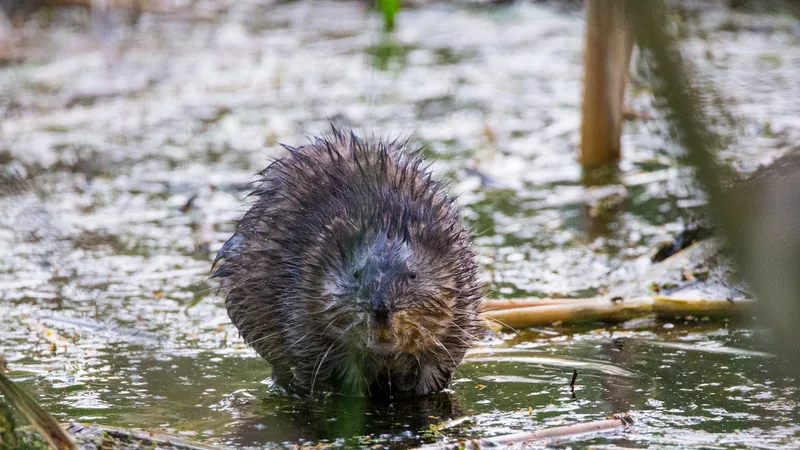
Muskrat
A marsh rodent that builds its home from piled-up plants and eats about a third of its own weight every day.
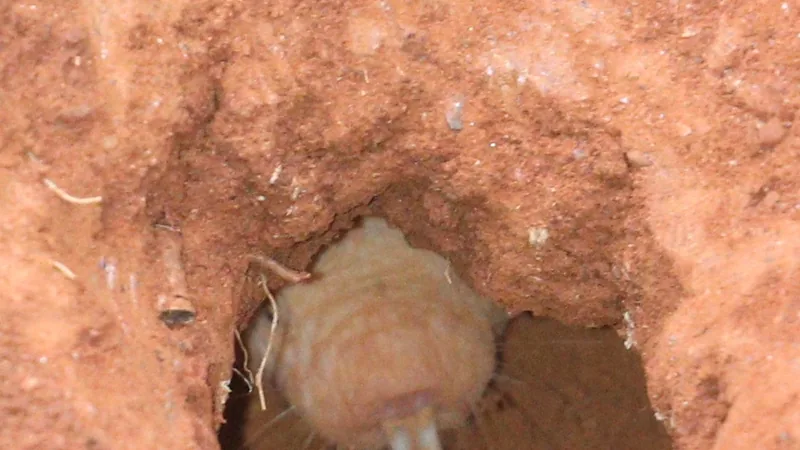
Naked Mole-Rat
The nearly hairless, essentially cold-blooded tunnel digger that shrugs off acid and chili burns, survives 18 minutes with no oxygen at all, and outlives every other rodent on record.
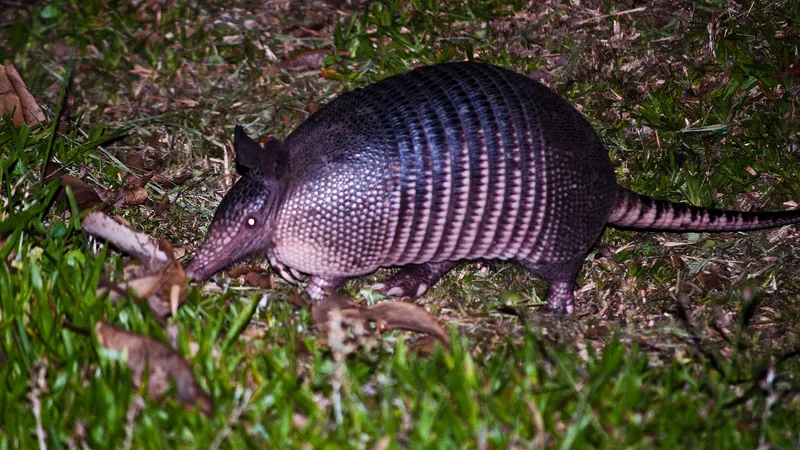
Nine-Banded Armadillo
A bony-plated digger that smells invertebrates up to 20 cm underground and almost always gives birth to identical quadruplets.
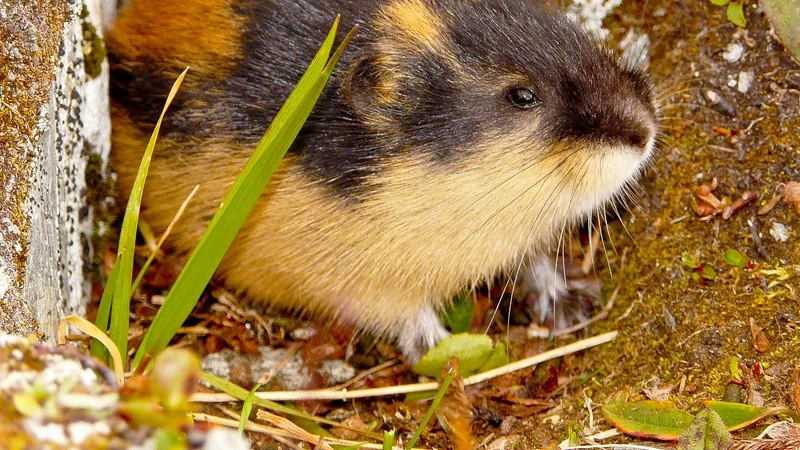
Norway Lemming
A warning-colored mountain rodent, kin of the lemmings wrongly said to leap to their deaths.
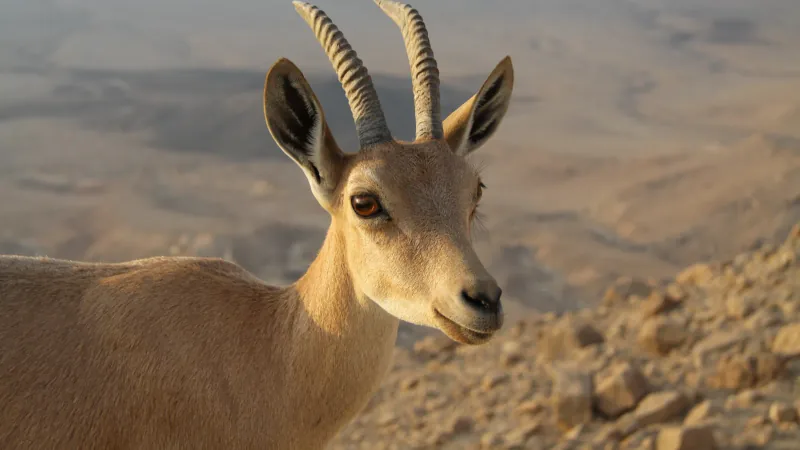
Nubian Ibex
Relatively small desert ibex of the Middle East and northeast Africa, a true cliff dweller whose males carry ridged, backward-arching horns up to 122 centimeters long.
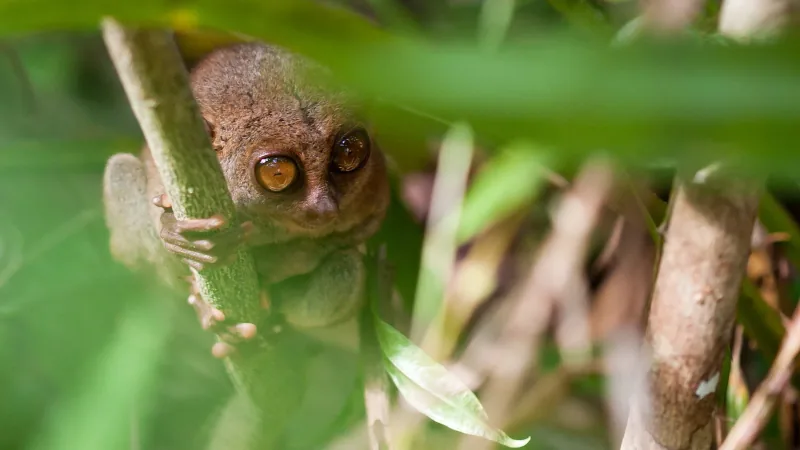
Philippine Tarsier
Hand-sized night primate with the largest eyes for its body of any mammal, a head that turns 180 degrees, and legs built for jumping.
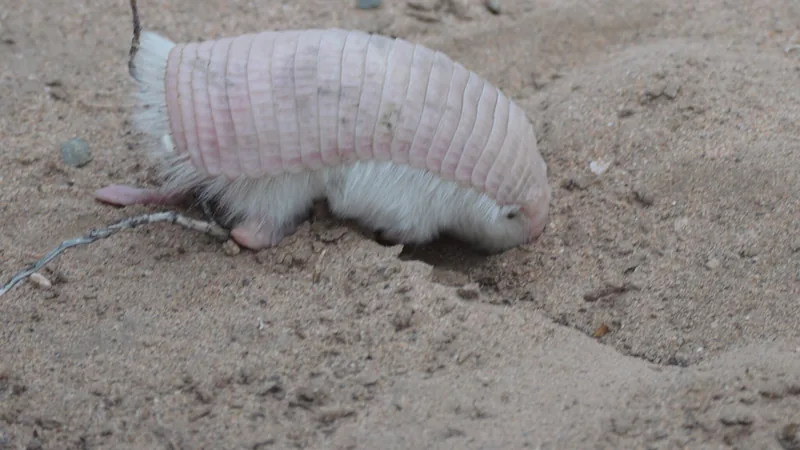
Pink Fairy Armadillo
The world's smallest armadillo, an Argentine sand-burrower wearing a shell of bony plates and hardened scales.
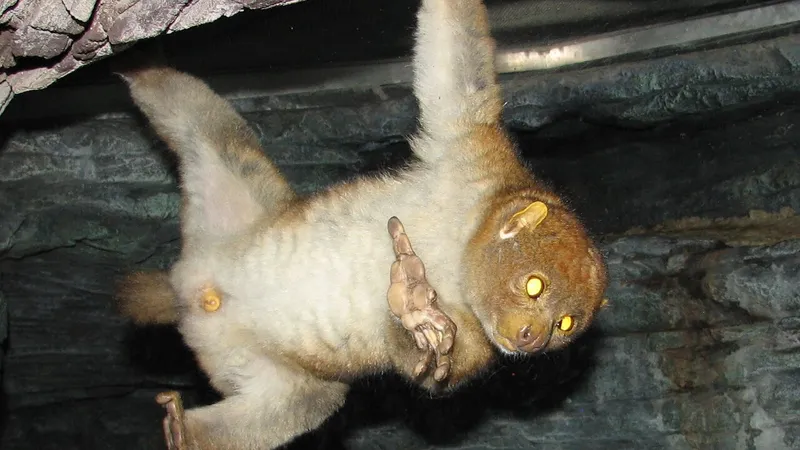
Potto
A slow, silent nocturnal primate that can hold still on a branch for long periods without fatigue, and presents predators with a shield of elongated neck-vertebra spines.
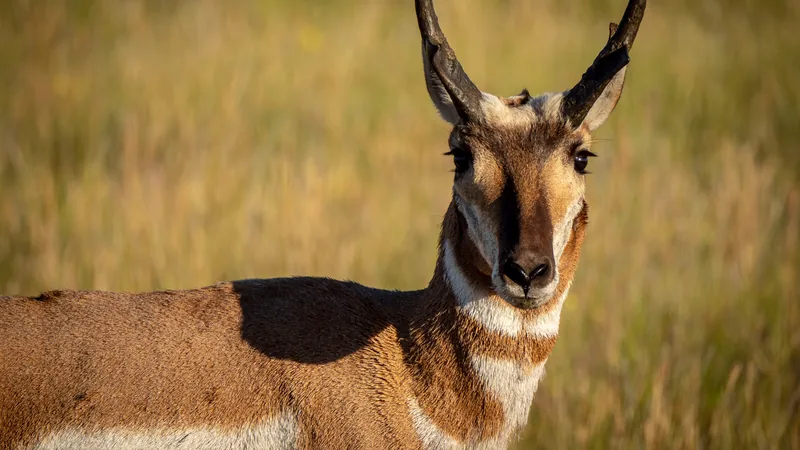
Pronghorn
A 40 to 59 kg grassland runner that can average 65 km/h over 11 km, backed by an extraordinary capacity to consume and process oxygen.
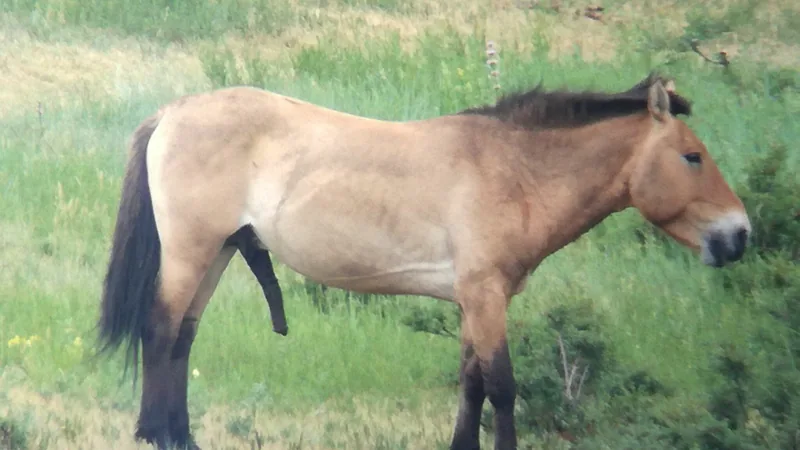
Przewalski's Horse
The wild horse with 66 chromosomes, gone from the wild and then put back.
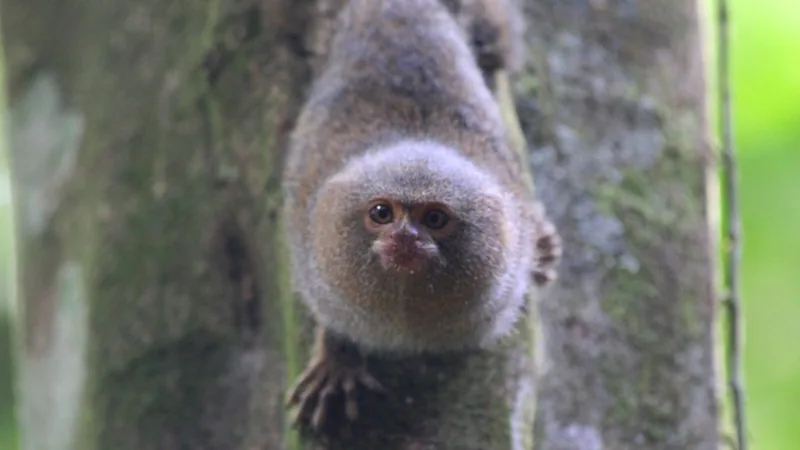
Pygmy Marmoset
The world's smallest monkey, small enough to fit in a human hand, gouges holes in tree bark and laps up the sap that puddles inside.
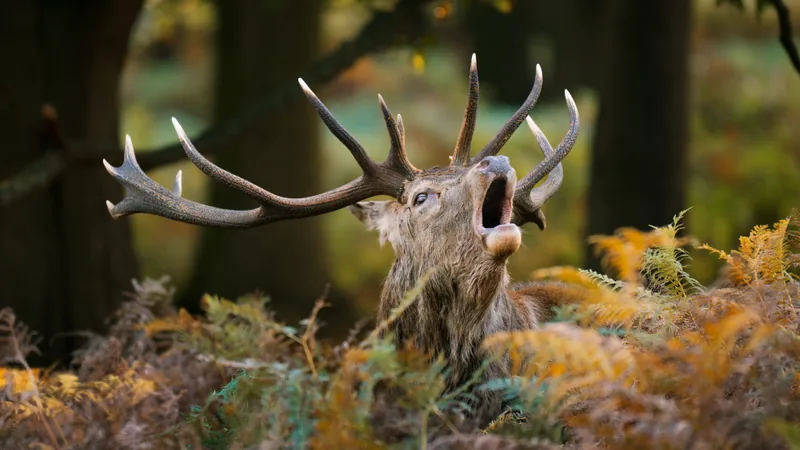
Red Deer
The UK's largest land mammal: a stag of up to 190 kg that regrows its antlers each year and roars through the autumn rut.
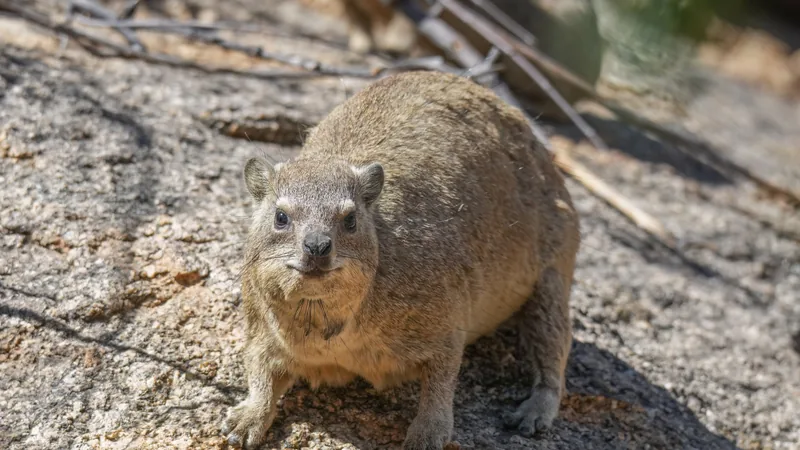
Rock Hyrax
A stub-tailed, rabbit-like rock climber with singing males, whose closest living relatives are elephants and manatees.
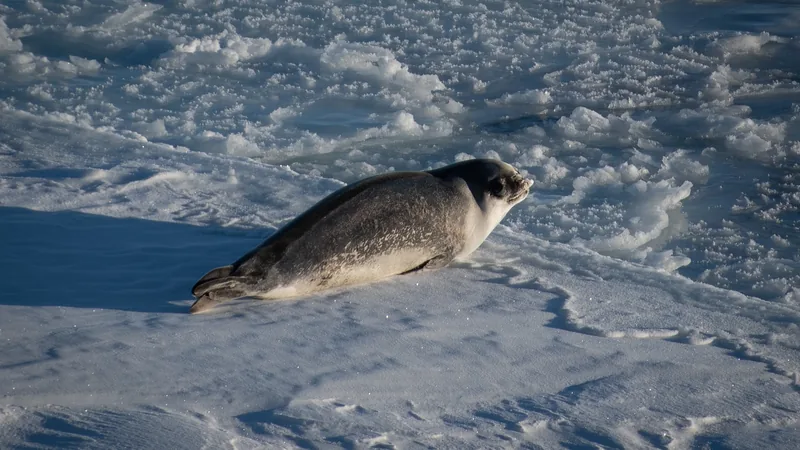
Ross Seal
The least-studied of Antarctica's ice-breeding seals, a loner with enormous eyes that often dives past 300 metres.
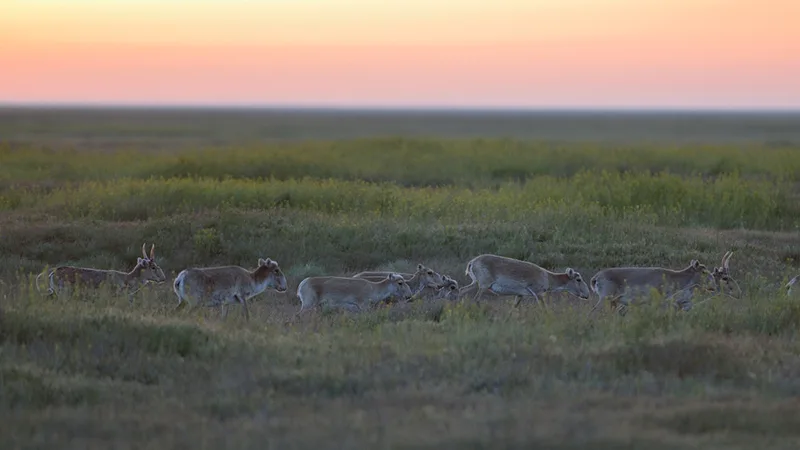
Saiga Antelope
An inflatable nose, loud nasal roars, and an Ice Age survivor of the Eurasian steppe.
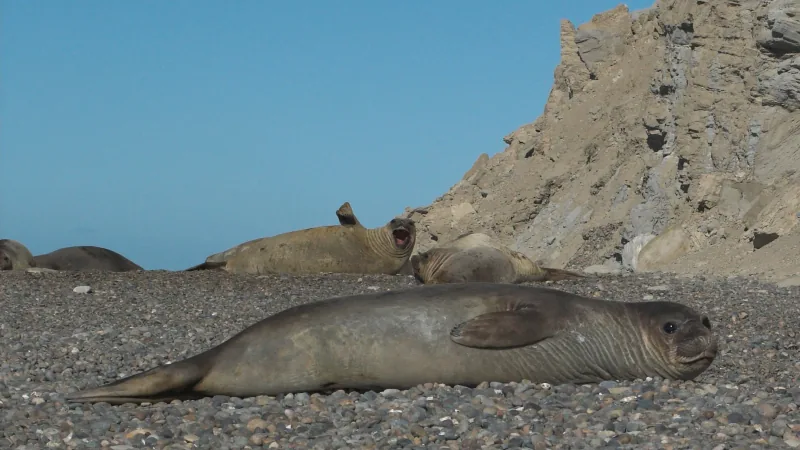
Southern Elephant Seal
The largest living carnivoran, with a roaring nose and blood built for breath-holds of up to two hours.