Damaraland, Namibia
Field
notes
A mammal that sings
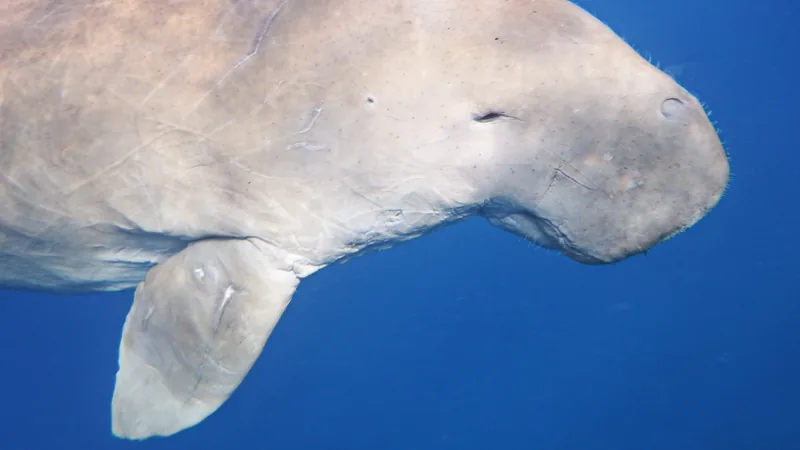
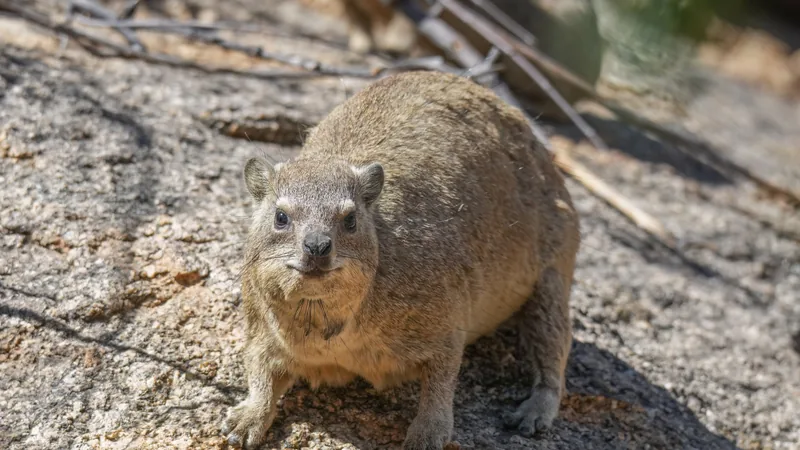
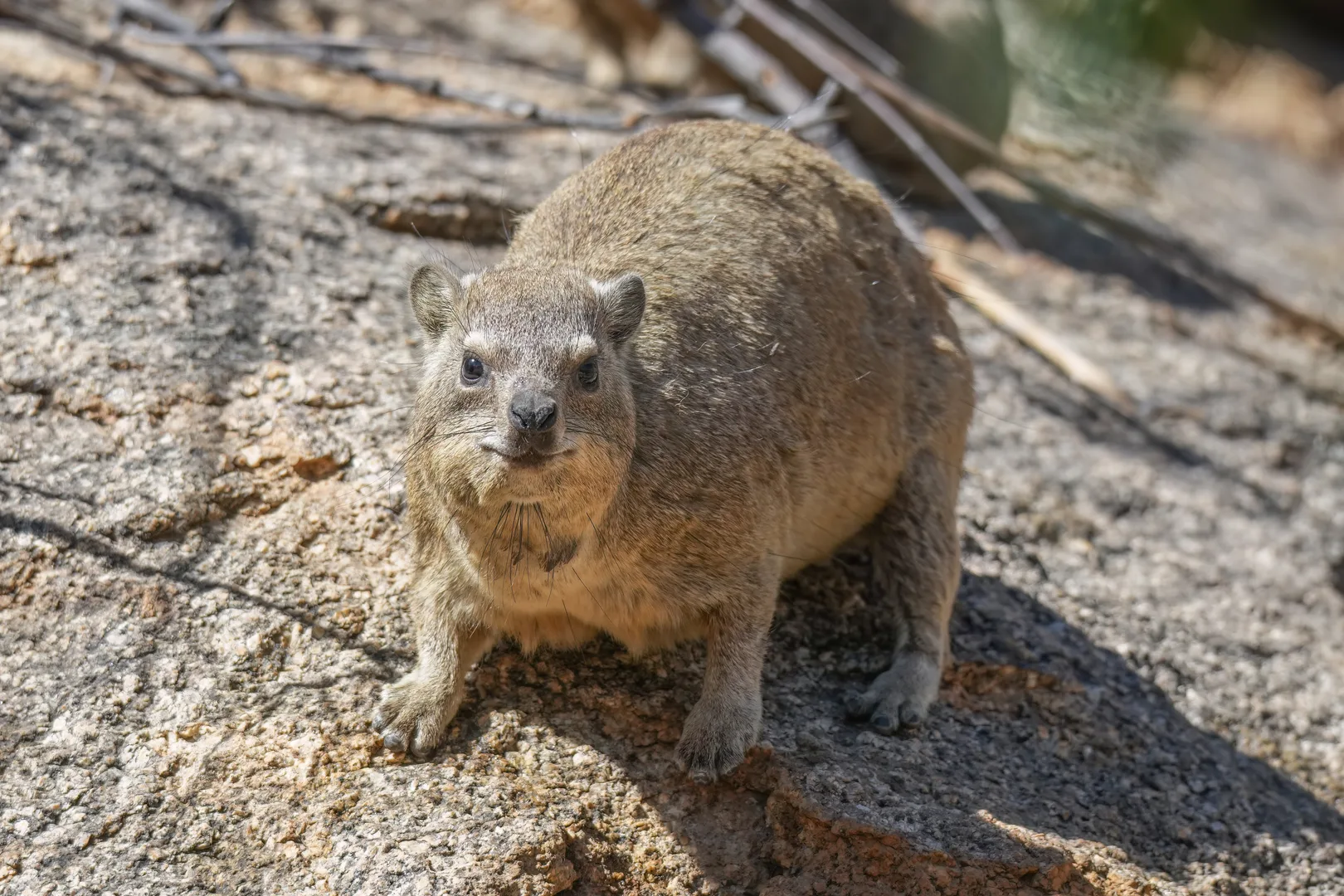
The rock hyrax, Procavia capensis, is a small, stub-tailed, rabbit-like animal from Africa. Its closest living relatives are elephants and manatees. It also has a surprise: some males sing. At one study site, a third of the adult males made a loud, elaborate call that the researchers labelled singing.
Scientists examined the order of syllables in these songs with algorithms normally used on genetic sequences. The syntax, meaning the way syllables are arranged, differed between regions of Israel, and the authors call these syntactic dialects. The authors say this hints that hyraxes may learn their calls.
Stress of domination Among singing males, the dominant ones had the highest levels of cortisol, which the researchers used as a measure of basal stress.
Singers were also, on average, older and more dominant than most silent adult males, and they mated more often.
Built for the cliffs
An adult weighs roughly 2 to 5 kilograms and measures 30 to 56 centimeters for head and body together. Its foot pads feel like rubber and stay damp with a gland’s secretion, and the middle of each pad is hollowed into a suction cup. Together, these let a hyrax climb well and run and jump on steep, rugged rock.
Its upper incisors grow continuously and look like small tusks. The species lives in rocky, scrub-covered areas across much of Africa, and in Lebanon, Israel, Jordan, Sinai and the Arabian Peninsula.
Grass, sunbathing and company
Colonies live among rocks and may hold up to 50 individuals. They start the day with a group sunbathing session, and adults are inactive about 95 percent of the time. When feeding, the dominant male stops between mouthfuls to scan for threats and gives a shrieking alarm when something worries him.
Grasses make up about 78 percent of the diet in the wet season and 57 percent in the dry season, according to Animal Diversity Web. In 11 years of data on one wild population in Israel, hyraxes in groups where members had more equal social ties lived longer.
How long they live
AnAge lists one captive that reached 14.8 years, and says wild animals have been reported to live for 8.5 years. The IUCN Red List rates the rock hyrax Least Concern.
Published
Traits
Intel
& FAQ
Guess
first
How big is a Rock Hyrax, really? Slide, lock in, and see what the sources say. Every answer is a figure from this page, quoted from where it came from.
Sources
- 01Butynski, Betjes & Jong (2026). Procavia capensis. The IUCN Red List of Threatened Species 2026: e.T41766A278607316.
- 02Rock hyrax. Smithsonian's National Zoo and Conservation Biology Institute.
- 03Rock hyrax. San Diego Zoo Wildlife Alliance.
- 04Procavia capensis (rock hyrax). Animal Diversity Web, University of Michigan.
- 05AnAge entry for Procavia capensis. AnAge: The Animal Ageing and Longevity Database, Build 15, Human Ageing Genomic Resources.
- 06Kershenbaum et al. (2012). Syntactic structure and geographical dialects in the songs of male rock hyraxes. Proceedings of the Royal Society B: Biological Sciences.
- 07Koren, Mokady & Geffen (2008). Social status and cortisol levels in singing rock hyraxes. Hormones and Behavior.
- 08Barocas et al. (2011). Variance in Centrality within Rock Hyrax Social Networks Predicts Adult Longevity. PLoS ONE.
What the sources say: 37 claims checked word for word against these sources →