Insectivores & Ancient Mammals
Venomous saliva, tactile star-snouts, and ancient evolutionary lineages of the subterranean and aquatic depths.
Afrotheria & Eulipotyphla
This deep evolutionary group spans ancient Afrotherian lineages (elephants, manatees, tenrecs, golden moles) and Eulipotyphlans (hedgehogs, solenodons, moles). Many species sport venomous bites, touch sensors that process sensory data faster than human eyes, and dense keratin quill defense.
Key Evolutionary Adaptations
Star-nosed moles possess 22 fleshy nasal rays with 25,000 Eimer organs that identify food in 8 milliseconds.
Hispaniolan solenodons deliver disabling venom through grooved second lower incisors.
African elephants communicate over tens of kilometers using infrasonic rumbles felt through sensitive foot pads.
All Insectivores & Ancient Mammals

Aardvark
A night-shift digger with spade-like claws and a sticky tongue, built to mine ant and termite nests.

African Bush Elephant
Largest land mammal alive, matriarch-led herds, and rumbles felt through the ground.

Asian Elephant
A boneless trunk with about 150,000 muscle units, a pregnancy of nearly two years, and rumbles humans can barely hear.
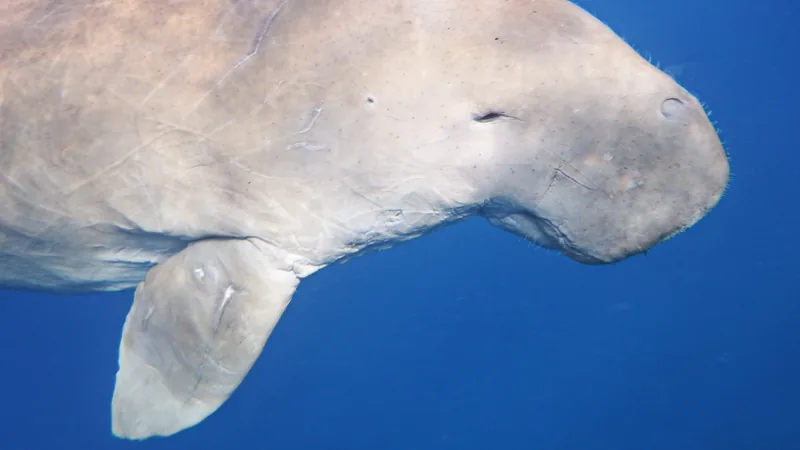
Dugong
A sea cow that rips up seagrass with a flexible upper lip and may live more than 50 years.
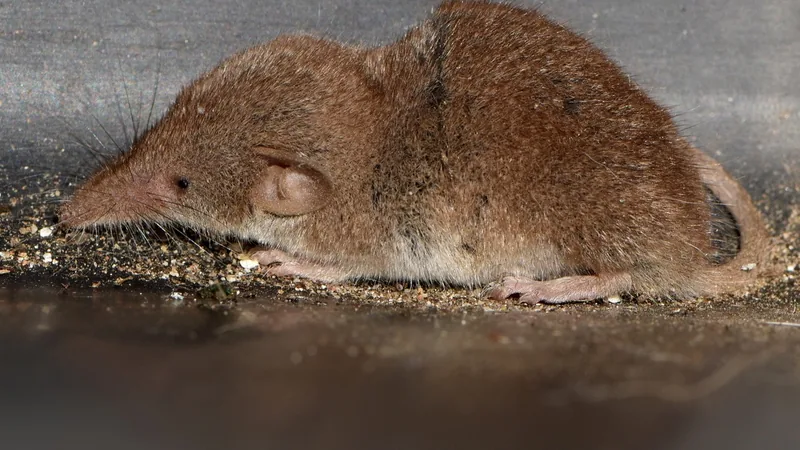
Etruscan Shrew
One of the smallest mammals alive, with a heart that has beaten 1,511 times in a minute.
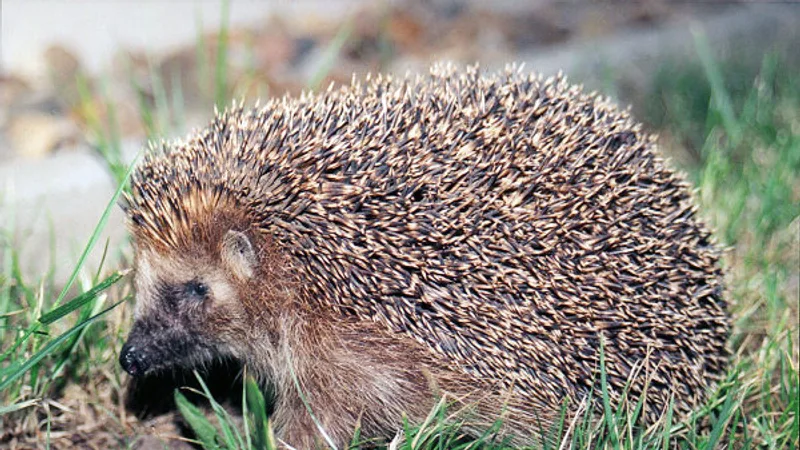
European Hedgehog
Around six thousand keratin spines, a back muscle that lets them all stand on end at once, and 1 to 2 km of travel a night.
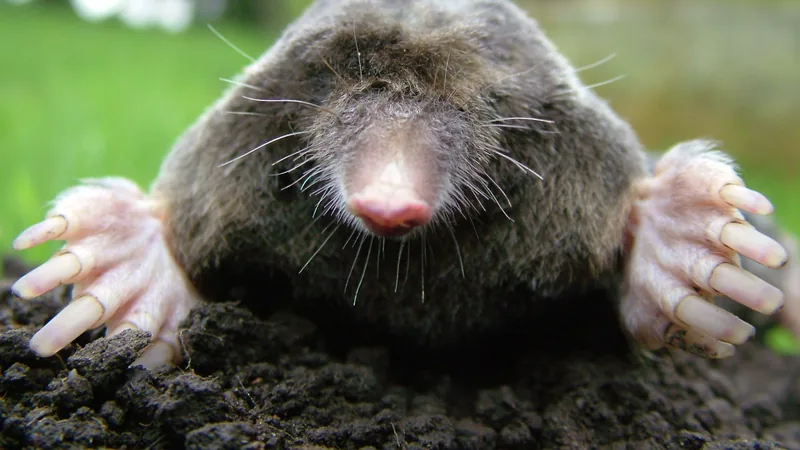
European Mole
A velvety black digger that lives underground, in tunnel networks that can run hundreds of metres.
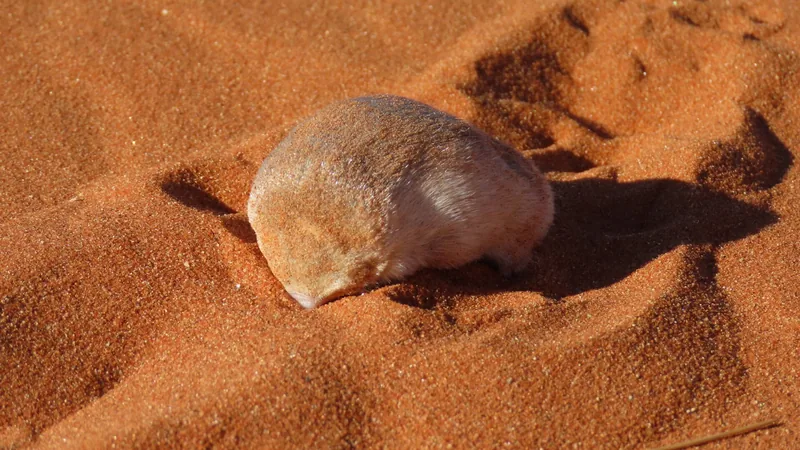
Golden Mole
The sand-swimmer with no visible eyes, and a middle-ear bone denser than any other land mammal's on record.
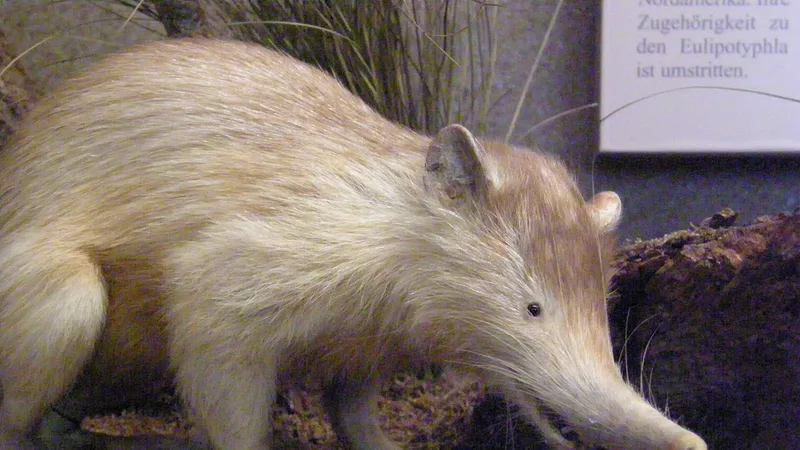
Hispaniolan Solenodon
An ancient island insectivore whose venom, lab tests suggest, lowers blood pressure but fails to paralyse invertebrates.
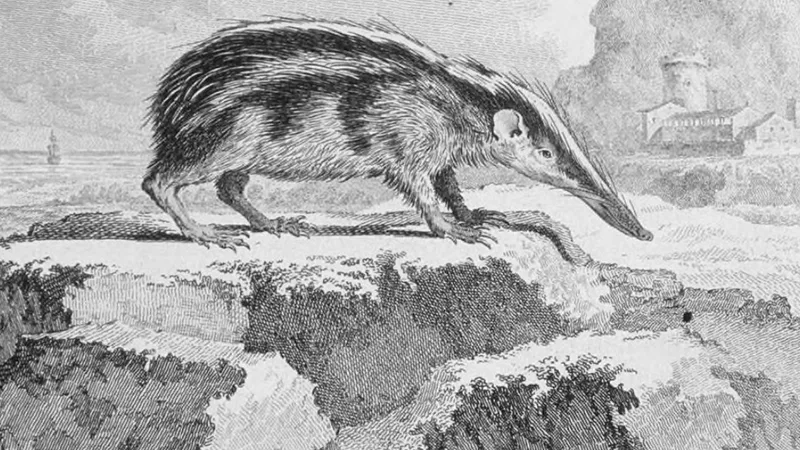
Lowland Streaked Tenrec
A black-and-yellow striped Madagascan tenrec, roughly 125 to 280 g, with back quills that rub together to make high-frequency sound.
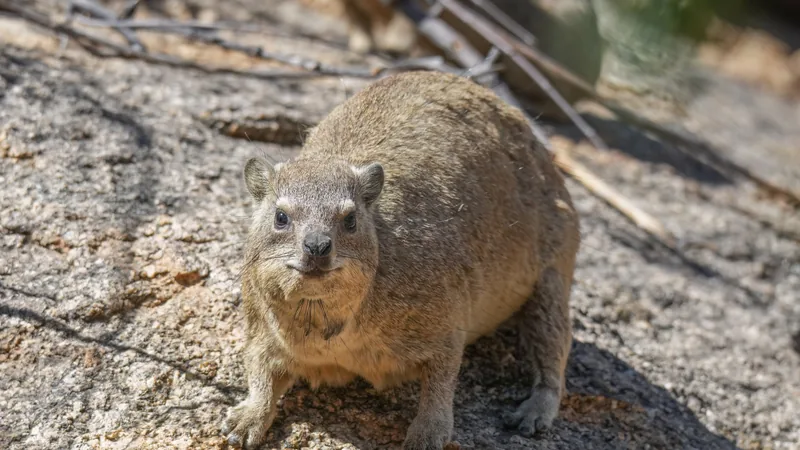
Rock Hyrax
A stub-tailed, rabbit-like rock climber with singing males, whose closest living relatives are elephants and manatees.
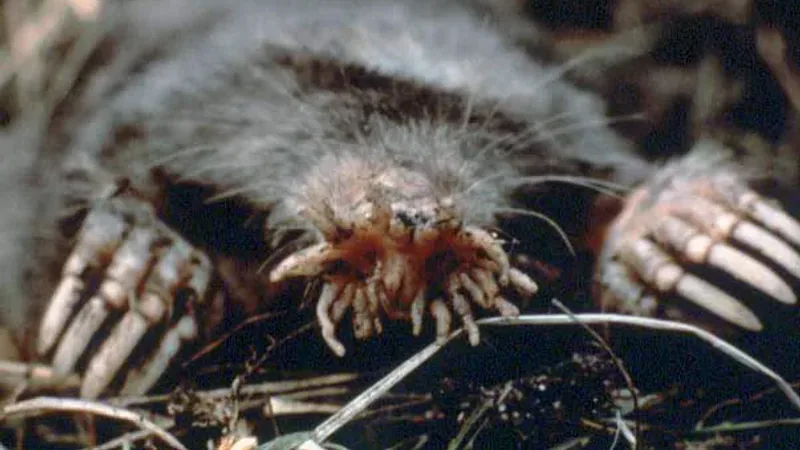
Star-Nosed Mole
A semi-aquatic mole armed with twenty-two fleshy sensory tentacles that can identify and eat a piece of prey in as little as 120 milliseconds.
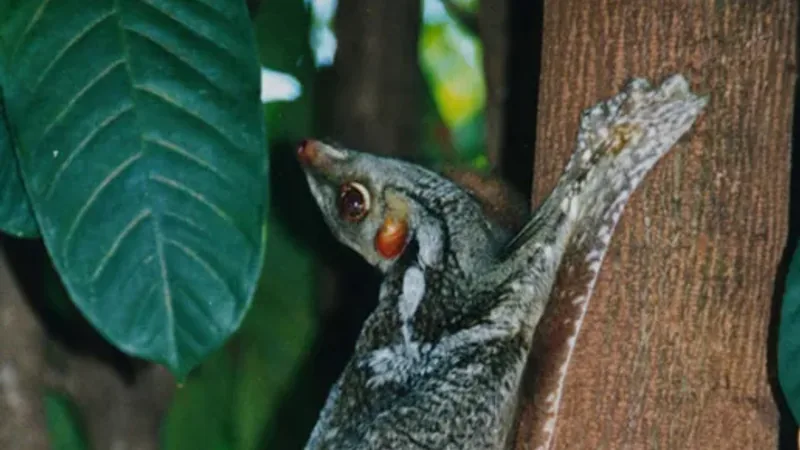
Sunda Colugo
Southeast Asian mammal with a furred gliding membrane from neck to fingers, toes and tail, carrying it up to 100 metres with little height loss.
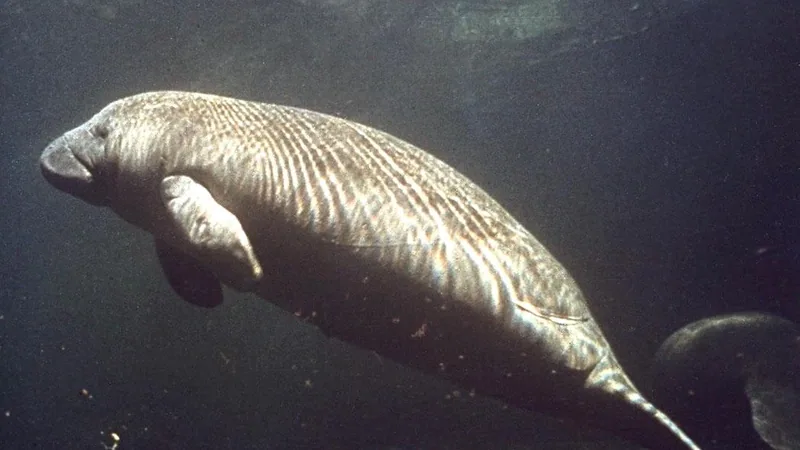
West Indian Manatee
A gentle sea cow whose dense bones may help keep it neutrally buoyant, and whose weak low-frequency hearing may be part of why boats keep hitting it.