Carnivore
Diet centered on other animals, from insects and krill to large prey, caught with teeth, beaks, talons or tongues.
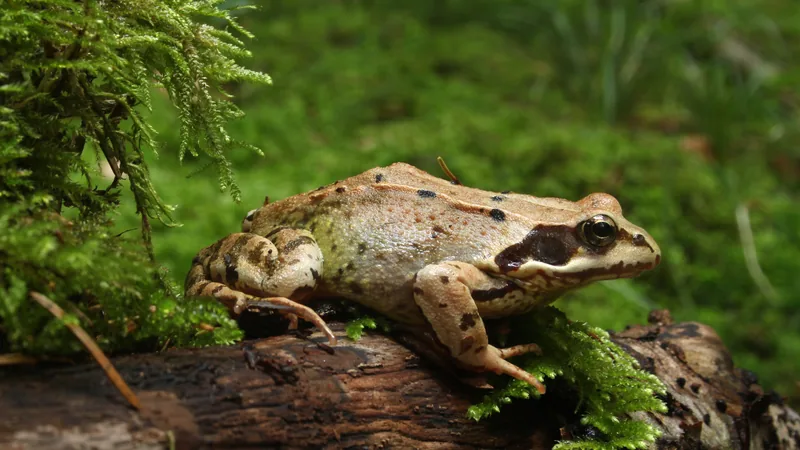
Common Frog
The frog that lives as far north as the Arctic Circle and sits out winter under rocks or buried in pond mud.
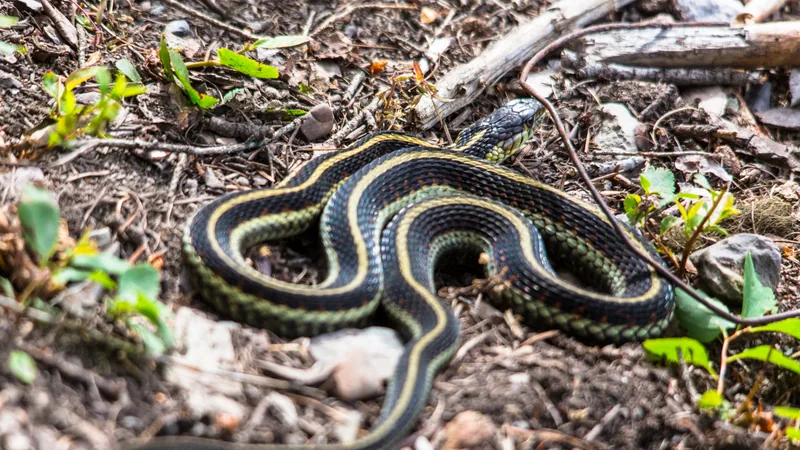
Common Garter Snake
A North American snake, some of whose populations have evolved resistance to the toxin of the newts they eat.
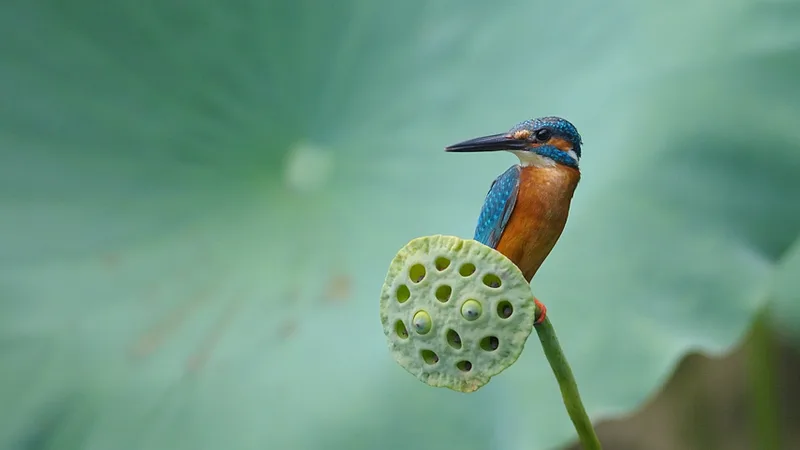
Common Kingfisher
Electric-cobalt torpedo diver, riverbank jewel, and an underwater strike made by touch alone.
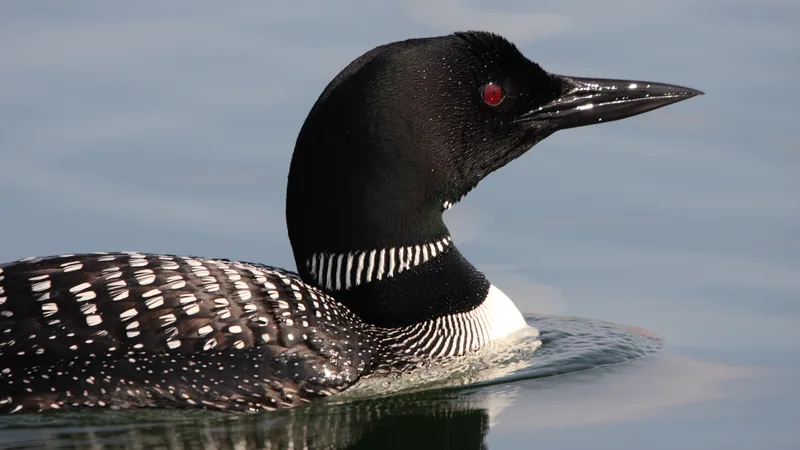
Common Loon
A dagger-billed diver with dense bones, a wolf-like wail and legs set too far back to walk well.
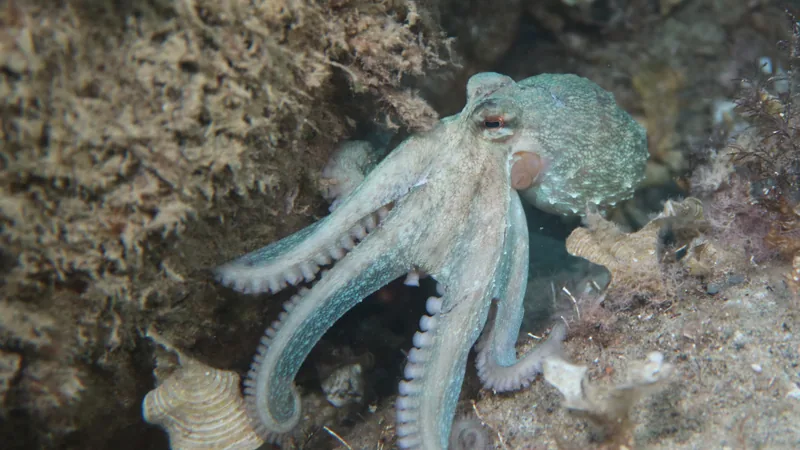
Common Octopus
A shallow-water hunter whose colour-changing skin is run by over half a million neurons, yet which is estimated to live one to two years.
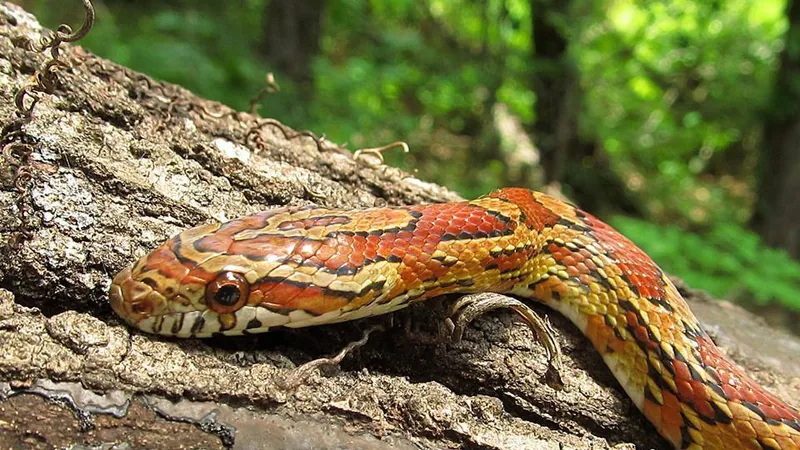
Corn Snake
The most commonly bred pet snake, and a lab model for how reptiles get their colours.
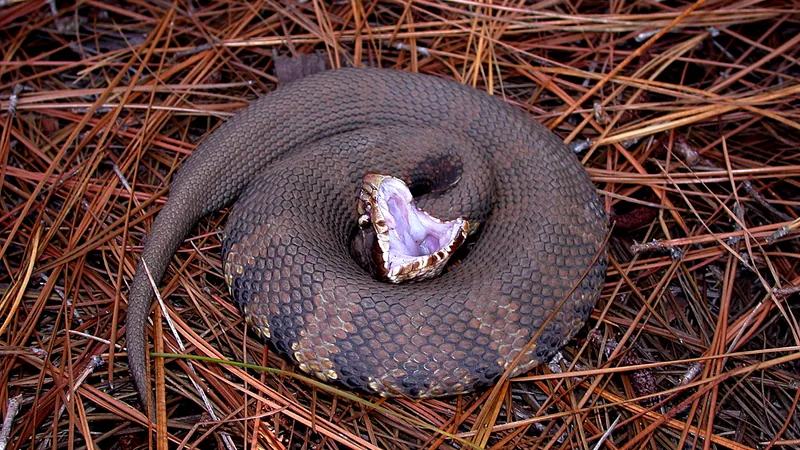
Cottonmouth
A swamp pit viper that warns with a wide-open white mouth and hunts on land and in water.
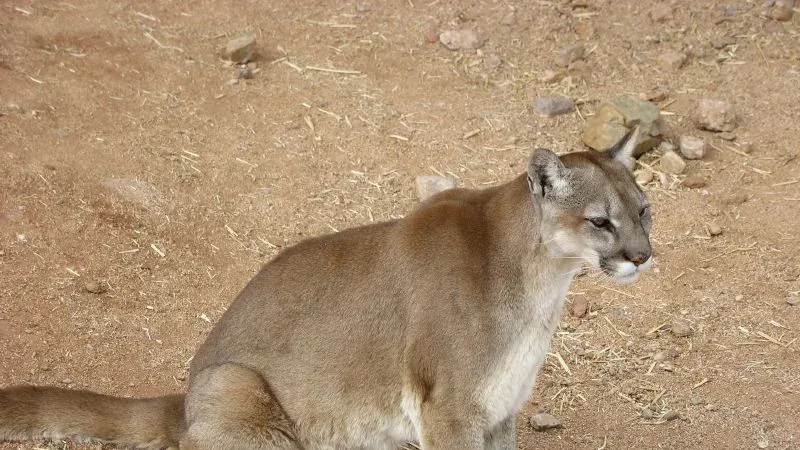
Cougar
The solitary ghost cat of the Americas that can leap 40 feet in a single bound and purrs like a smaller cat.
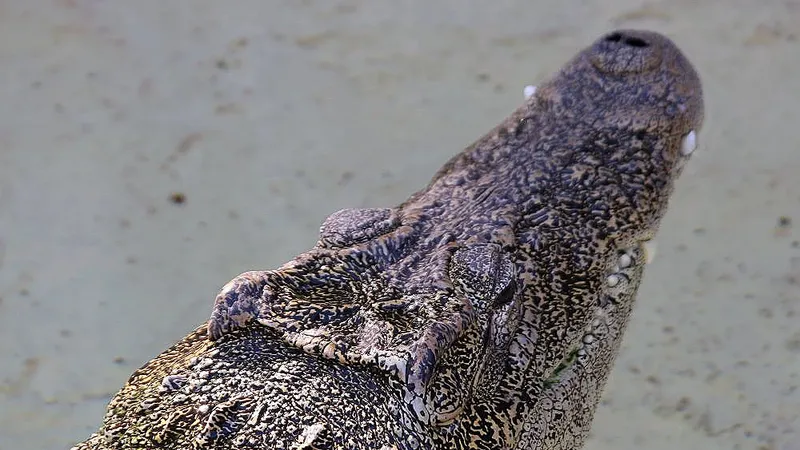
Cuban Crocodile
One of the most threatened crocodilians in the Americas, able to leap from the water for prey on overhanging branches, with teeth adapted for crushing turtle shells.
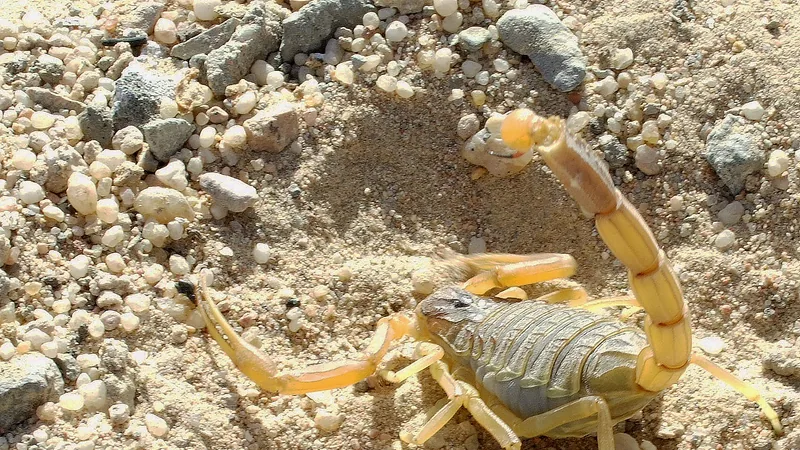
Deathstalker Scorpion
A desert scorpion about as long as a credit card, one of the most dangerous on Earth, whose venom yielded chlorotoxin, a peptide used in cancer research.
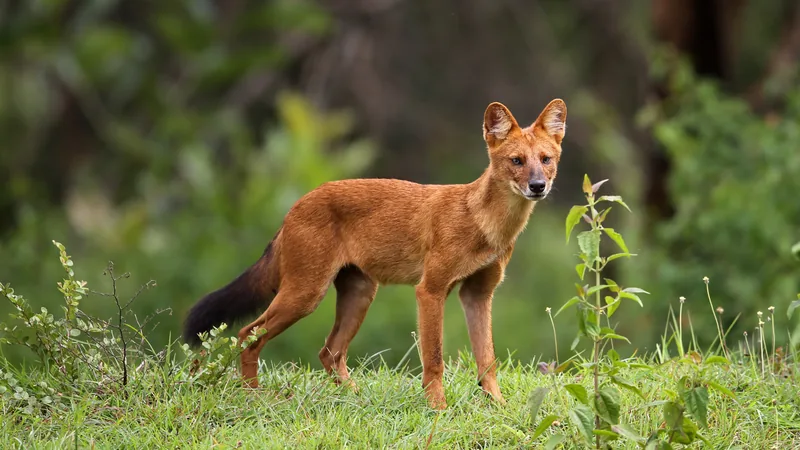
Dhole
A whistling, clucking wild dog that hunts in packs and can catch prey more than ten times its own weight.
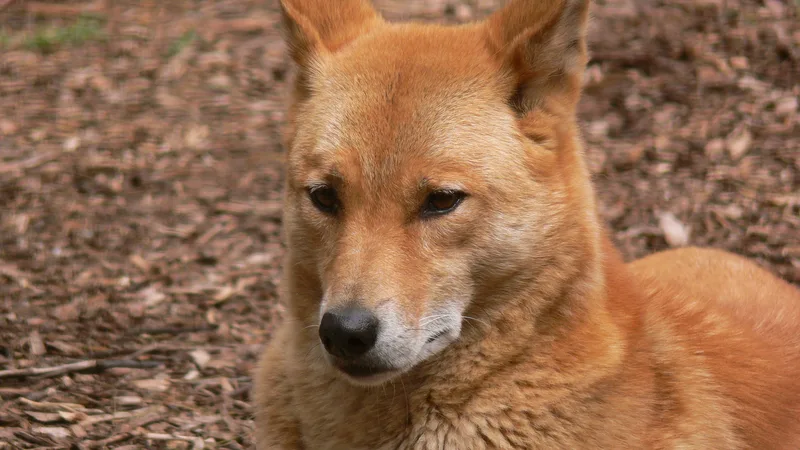
Dingo
Australia's largest land predator, which rarely barks: it howls to call its pack and marks its territory with scent.
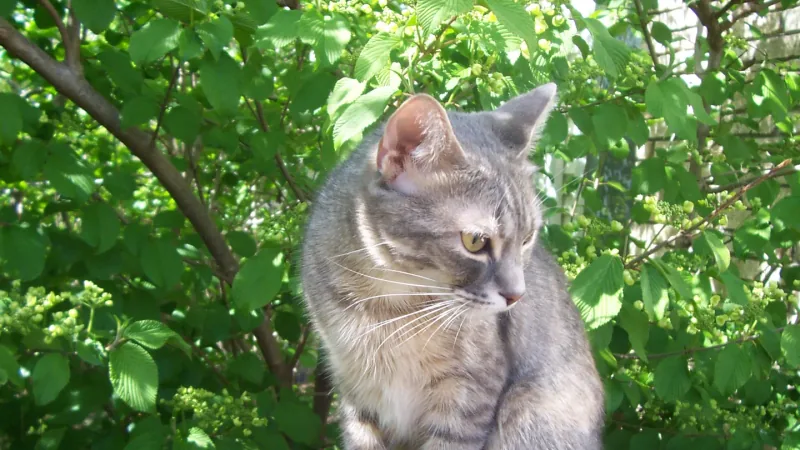
Domestic Cat
The flexible carnivore that jumps five times its own height and hears one of the broadest ranges of sound of any mammal.
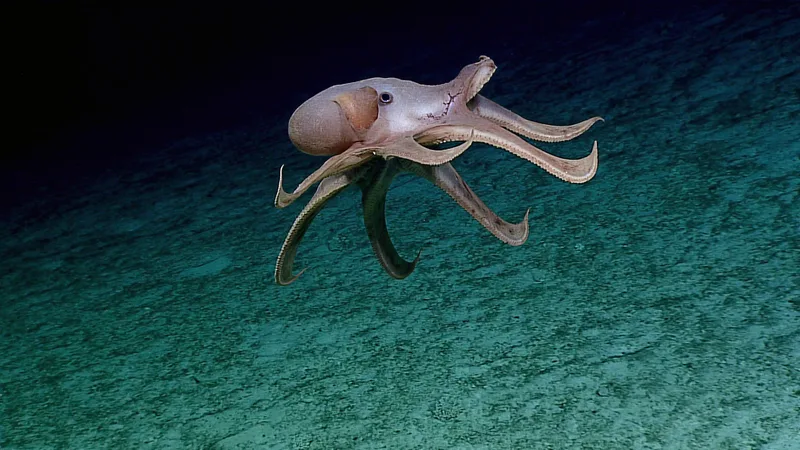
Dumbo Octopus
Ear-like flapping fins, webbed umbrella arms, and among the deepest-living of all known octopuses, some living as deep as 7,000 meters (23,000 feet).
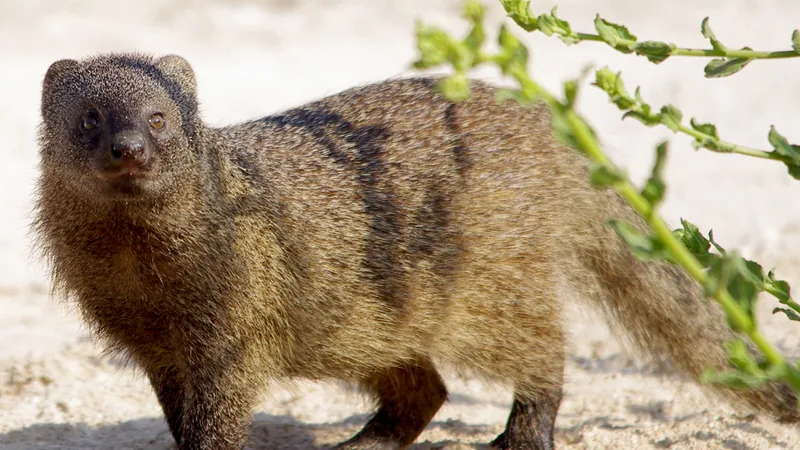
Egyptian Mongoose
A snake-killer that dodges the strike on reflex and carries a receptor that resists one of the nerve toxins in cobra venom.
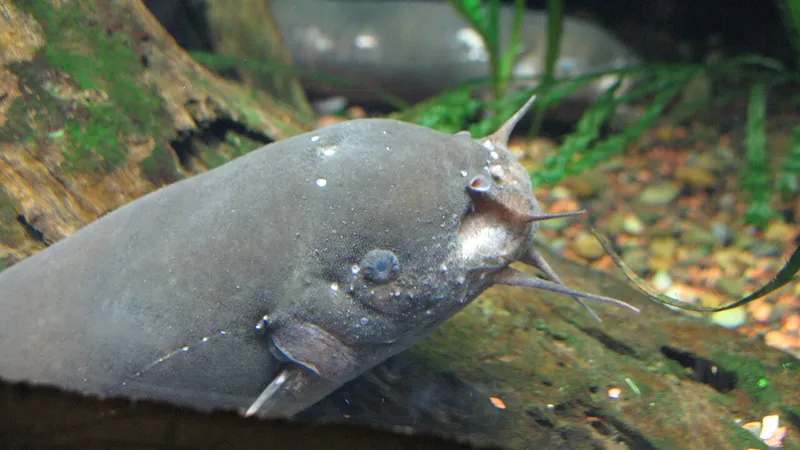
Electric Catfish
A night hunter of the Nile and Lake Chad wrapped in a living battery, from a genus that can discharge up to 350 volts.
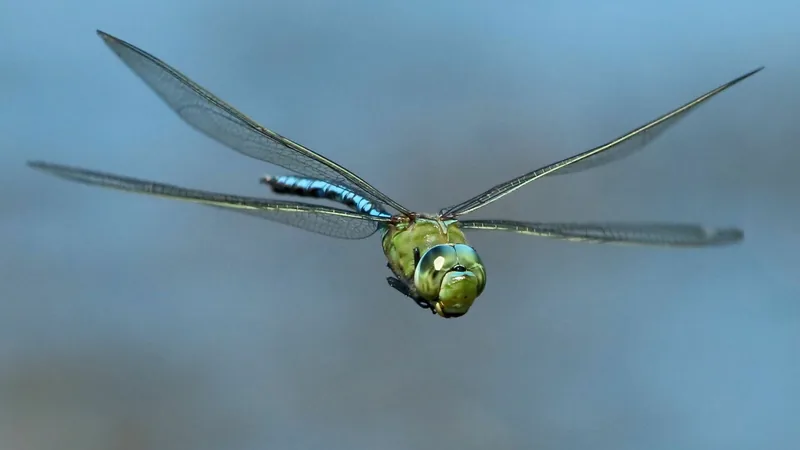
Emperor Dragonfly
A big dragonfly whose larva fires a hooked mouthpart at prey, too fast for a water flea to escape.
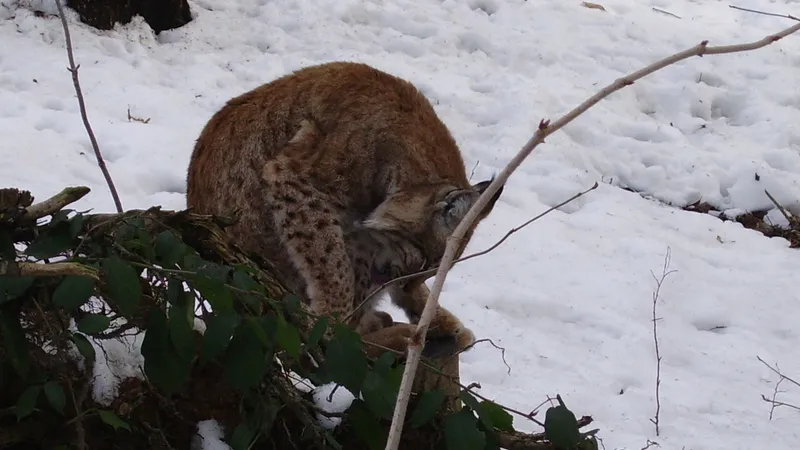
Eurasian Lynx
Europe's biggest wildcat, snowshoe-pawed and able to kill prey up to three to four times its own size by biting down on the snout until it suffocates.
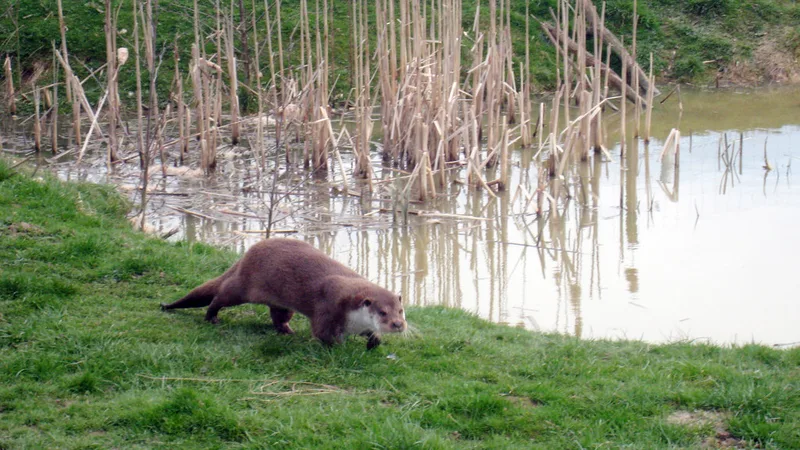
Eurasian Otter
Whiskers that sense a fish moving through the water, a scent-marked calling card called a spraint, and a river range that stretches from Britain to Japan.
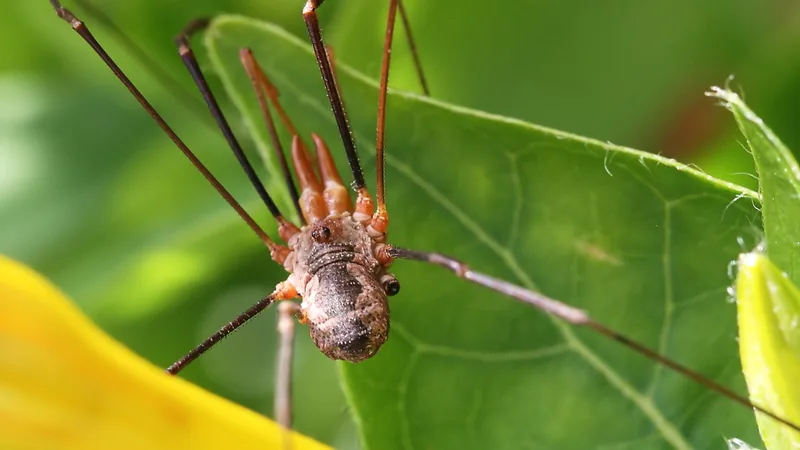
European Harvestman
Not a spider: a stilt-legged arachnid with a body roughly 3.5 to 9 millimeters long.
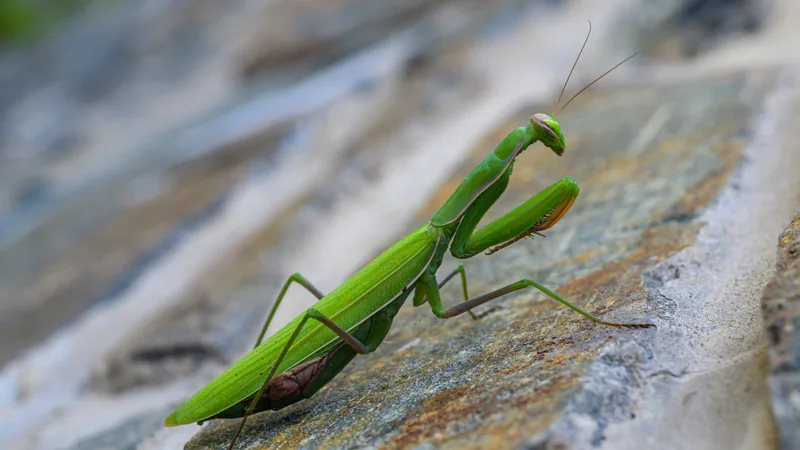
European Mantis
A mantis that hears with a single ear on its underside, tuned to ultrasound.

European Polecat
A masked mustelid that releases a strong-smelling secretion when threatened, grips so tenaciously it can be lifted by whatever is in its teeth, and seems held back from northern Sweden by snow.
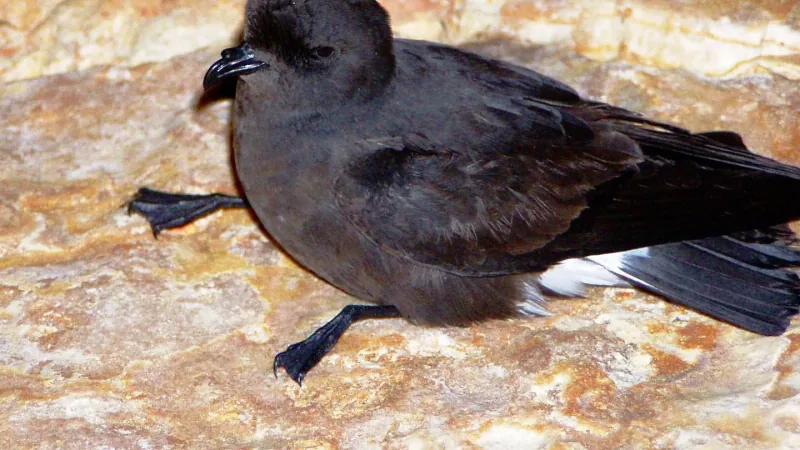
European Storm Petrel
The Atlantic's smallest seabird, weighing about 25 grams but migrating from the north-east Atlantic to winter off southern Africa.
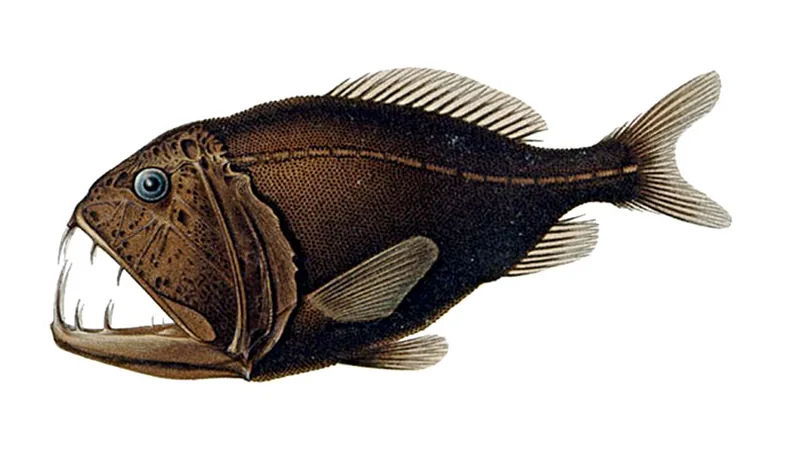
Fangtooth
The bathypelagic hunter reported to have the largest teeth of any marine fish for its head size, fangs so long an adult cannot fully close its mouth.