Low
The overwhelming majority of life on Earth. Harmless to humans, and frequently far more interesting for it.
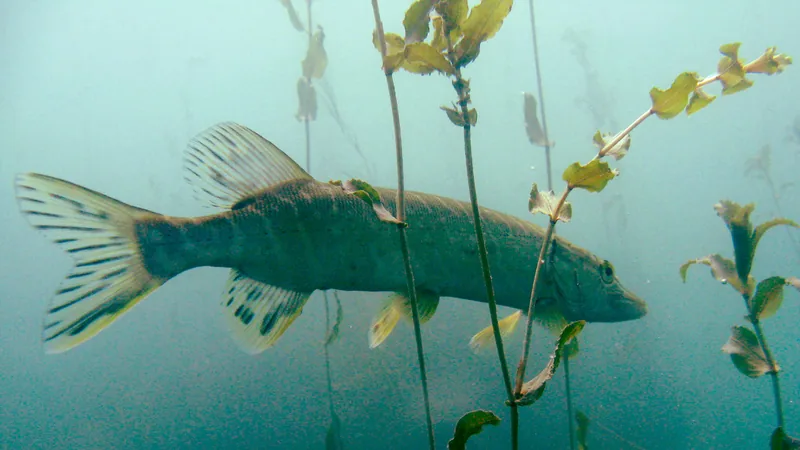
Northern Pike
A freshwater ambush predator that lies cocked in an S, then strikes with a sprint.
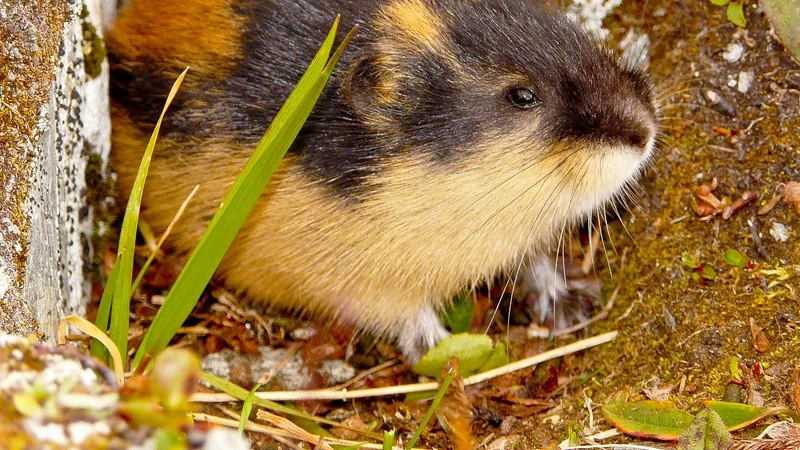
Norway Lemming
A warning-colored mountain rodent, kin of the lemmings wrongly said to leap to their deaths.
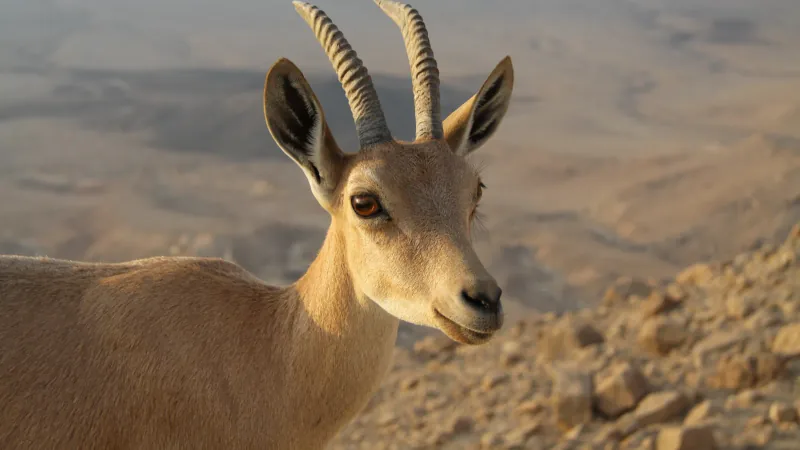
Nubian Ibex
Relatively small desert ibex of the Middle East and northeast Africa, a true cliff dweller whose males carry ridged, backward-arching horns up to 122 centimeters long.
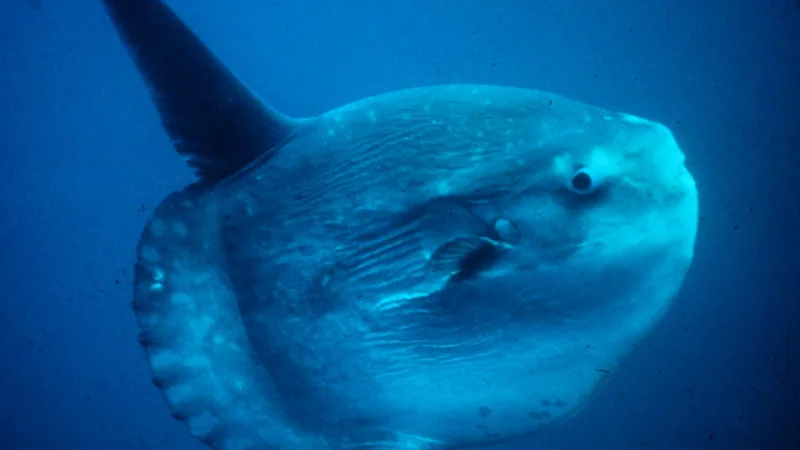
Ocean Sunfish (Mola Mola)
Up to 1.3 tonnes of cartilage-and-jelly fish with no tail fin. It dives for siphonophores, then floats flat at the surface between dives.
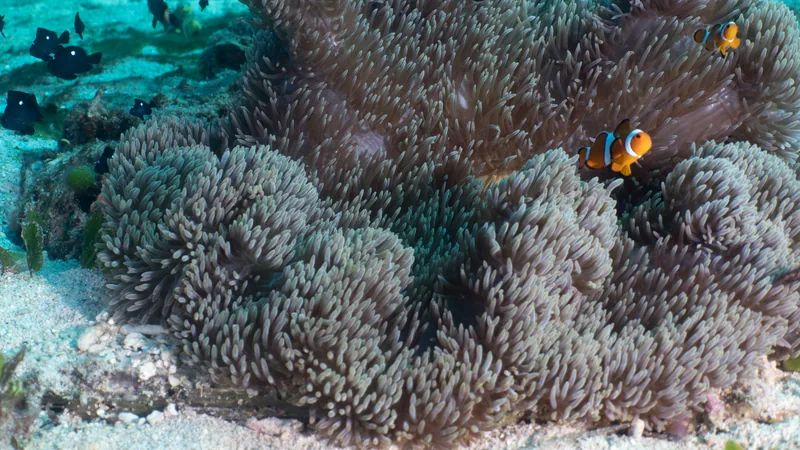
Ocellaris Clownfish
A reef fish about 8 cm long that shelters among stinging anemone tentacles, where the breeding male turns female if the female is lost.
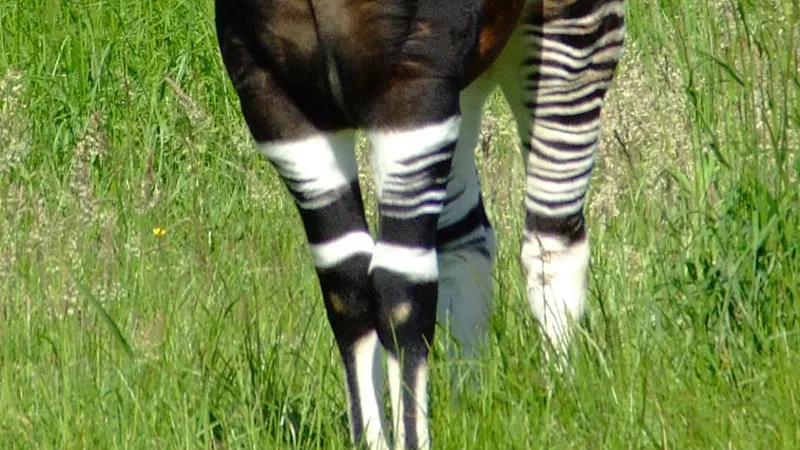
Okapi
Zebra-striped legs, a tongue that can reach past a foot, and the giraffe's only close living relative, unknown to scientists until 1901.
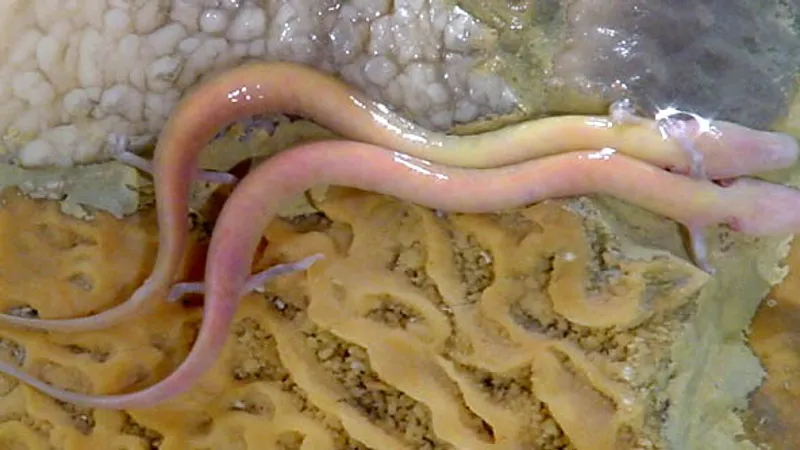
Olm
The cave salamander with eyes buried under its skin, a predicted lifespan past 100 years, and an experimental fast of a year and a half.
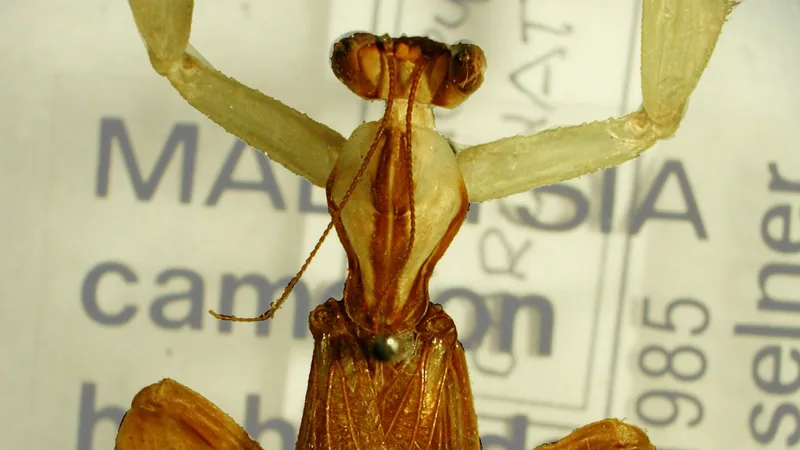
Orchid Mantis
Flower-colored to a bee's eyes, it draws in wild pollinators at a higher rate than real flowers do, then catches them.
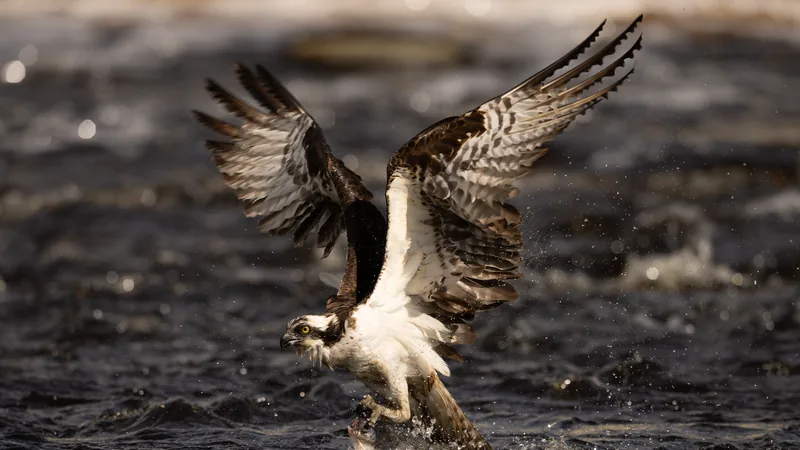
Osprey
The fish-hawk that hovers over water, then plunges feet first to grab a fish in its talons.
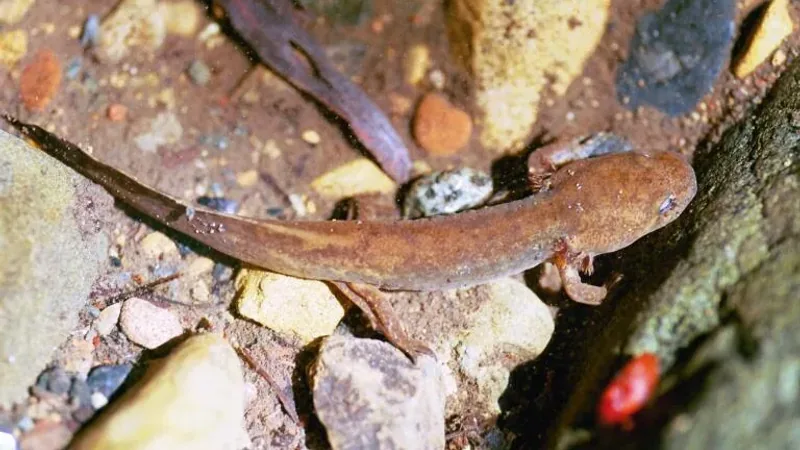
Pacific Giant Salamander
North America's largest terrestrial salamander, guarding Pacific Northwest streams with a startled bark, a noxious tail secretion, and gills it can keep for life.
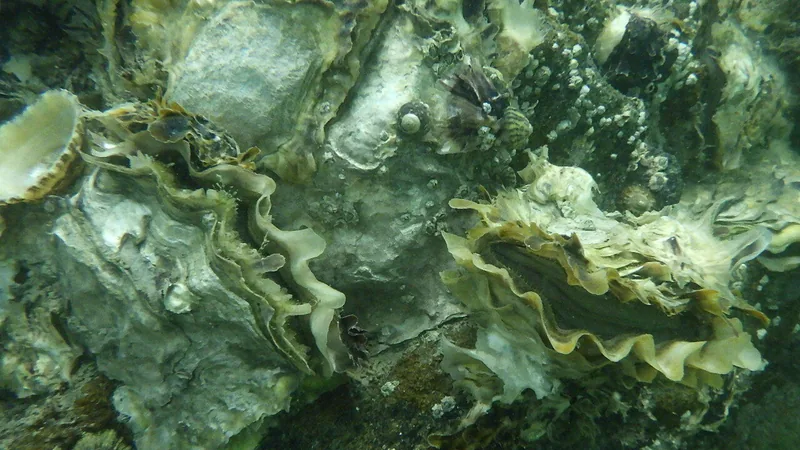
Pacific Oyster
A stay-put oyster that starts life male, hears underwater sound and filters up to 50 gallons of seawater a day.
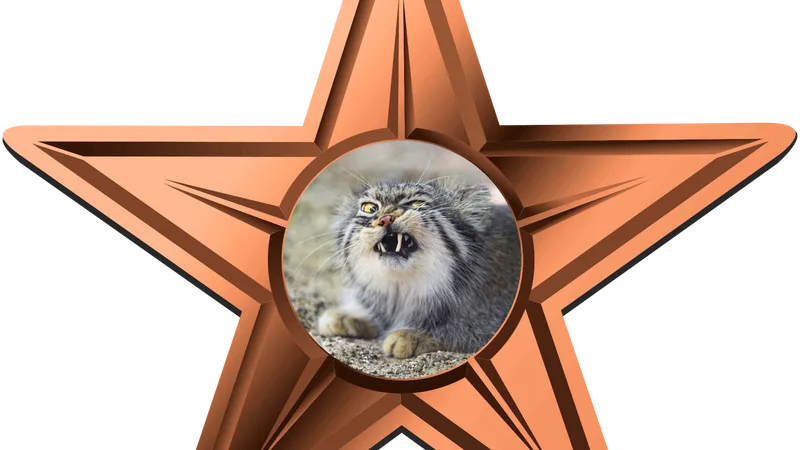
Pallas's Cat (Manul)
Round pupils, ears set low for peeking over boulders, and a BBC documentary's verdict as the grumpiest cat in the world, stalking prey across Central Asia's rocky steppes.
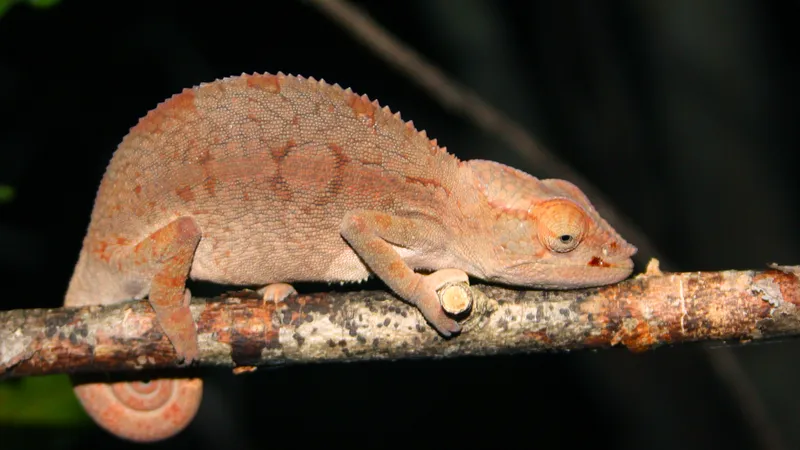
Panther Chameleon
The Madagascar color-shifter that retunes a lattice of skin nanocrystals within a couple of minutes, swivels its eyes through a 360-degree arc, and fires a hyoid-launched tongue up to twice its body length.
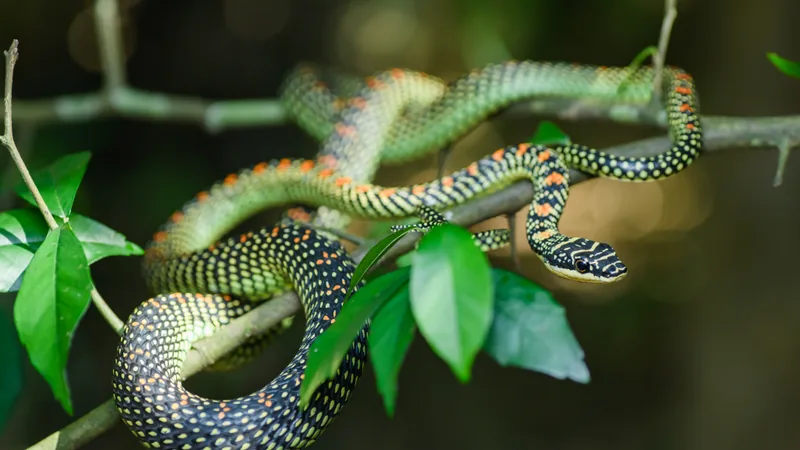
Paradise Flying Snake
The tree-dwelling serpent that splays its ribs and flattens its body into a triangular lifting surface when it glides.
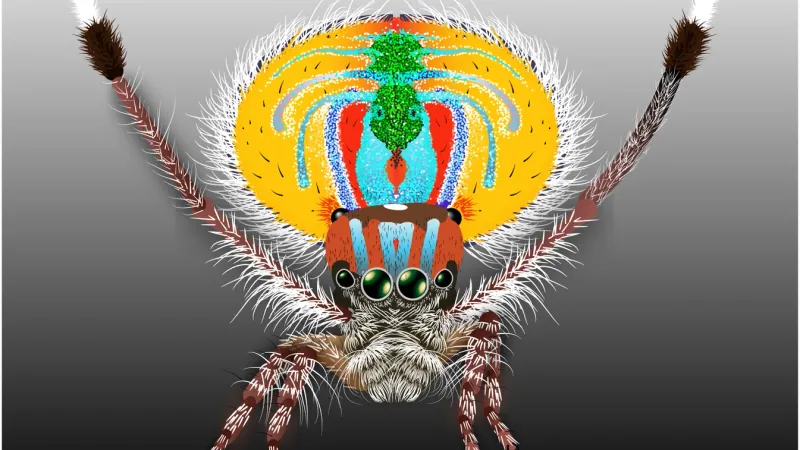
Peacock Spider
The Australian jumping spider whose males unfurl a peacock-style fan and send vibrations through the ground to win over a female.
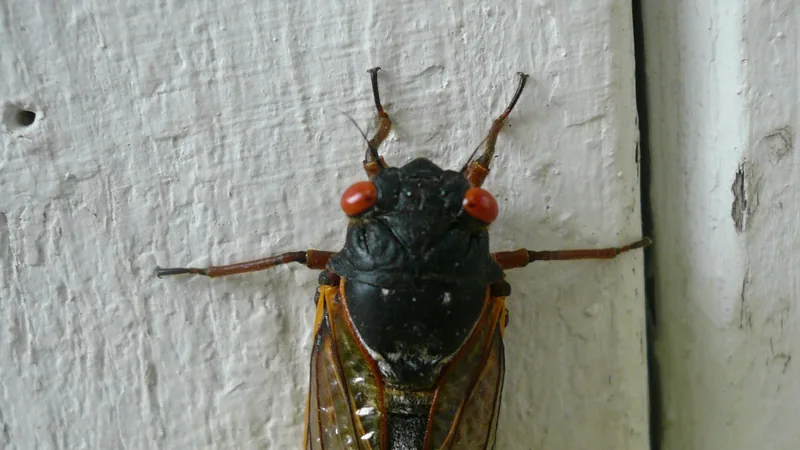
Periodical Cicada
17 years underground, then a few remarkably loud weeks
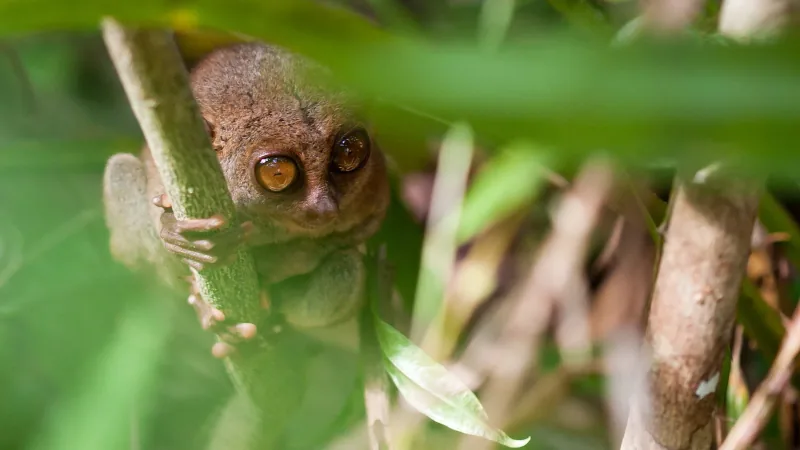
Philippine Tarsier
Hand-sized night primate with the largest eyes for its body of any mammal, a head that turns 180 degrees, and legs built for jumping.
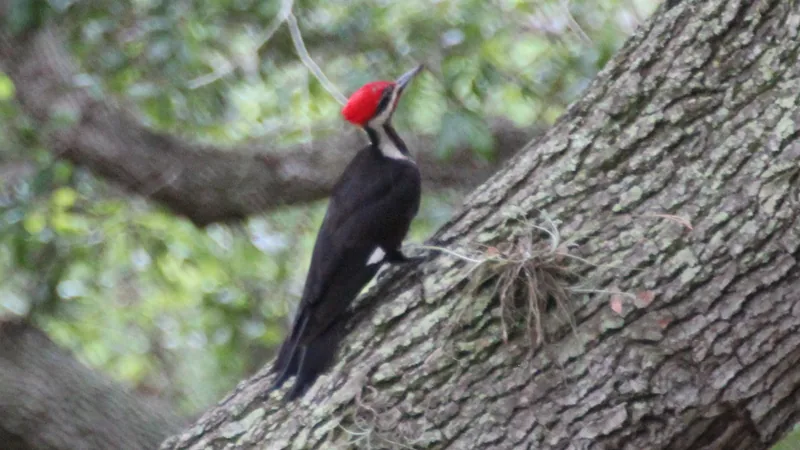
Pileated Woodpecker
A crow-sized woodpecker that chisels rectangular holes into trees to reach the ants inside.
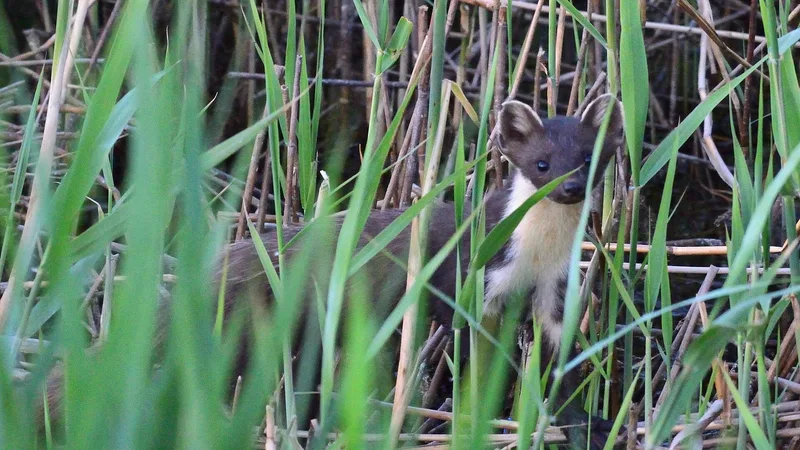
Pine Marten
Cream-bibbed tree acrobat with ankles that rotate through 180 degrees for climbing up and down trees.
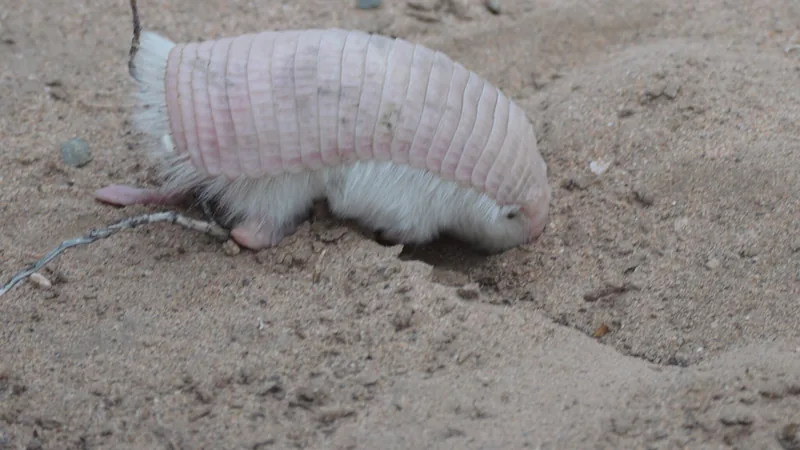
Pink Fairy Armadillo
The world's smallest armadillo, an Argentine sand-burrower wearing a shell of bony plates and hardened scales.
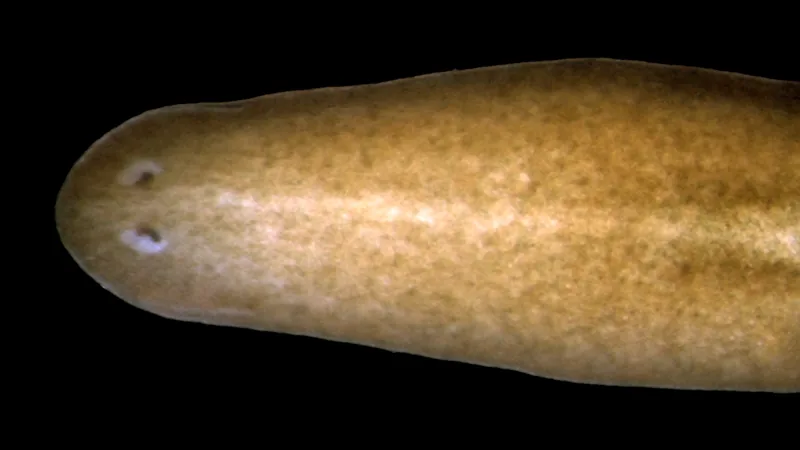
Planarian
A freshwater flatworm whose tail can turn into a head when one gene is switched off.
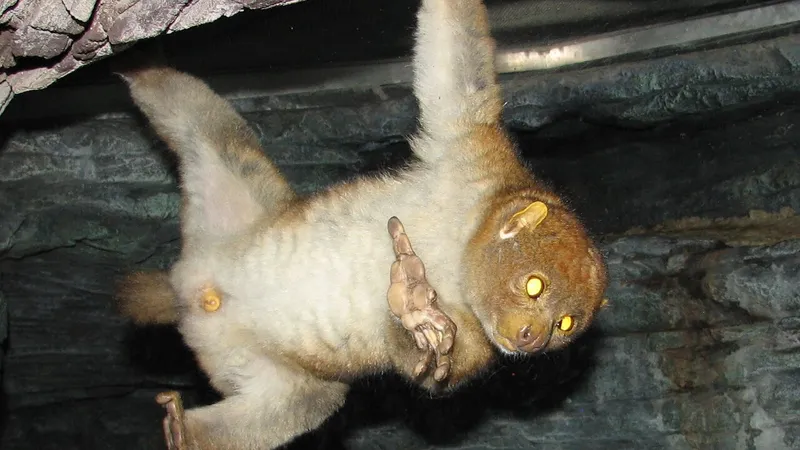
Potto
A slow, silent nocturnal primate that can hold still on a branch for long periods without fatigue, and presents predators with a shield of elongated neck-vertebra spines.
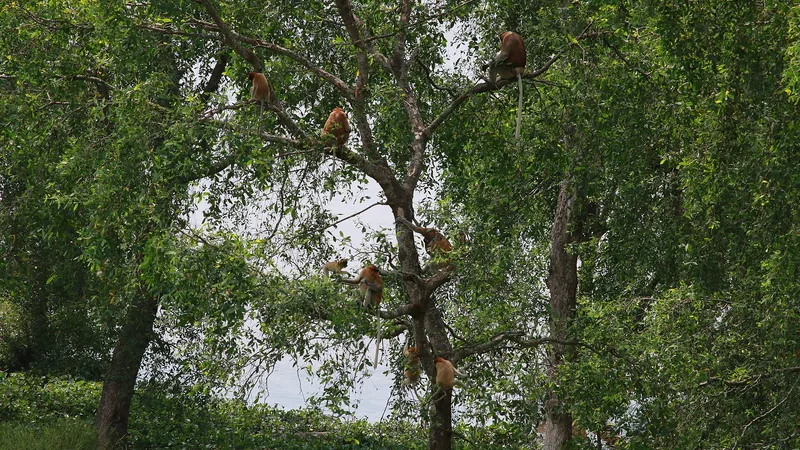
Proboscis Monkey
An oversized nose that works as both a visual badge and a vocal amplifier, webbed fingers and toes that help it swim across rivers, and a cow-like habit of bringing food back up to chew it again.
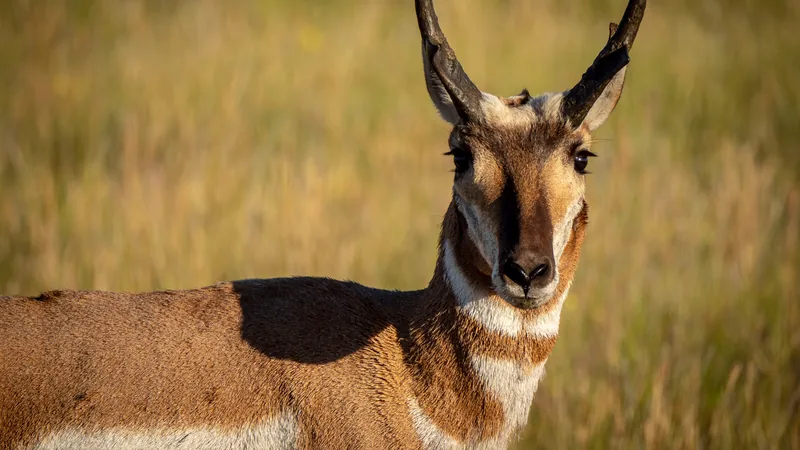
Pronghorn
A 40 to 59 kg grassland runner that can average 65 km/h over 11 km, backed by an extraordinary capacity to consume and process oxygen.