High
Powerful animals that will defend themselves decisively. Give them distance and almost nothing happens.

Amazonian Giant Centipede
Venomous, up to 30 cm long, and its big ones are known to climb cave ceilings and catch bats.

American Bison
North America's largest land animal, up to 2,400 pounds of it, and a lone wolf that attacks an adult catches it only about once in 100 tries.

Arizona Bark Scorpion
North America's most venomous scorpion, and the best climber among Arizona's thirty scorpion species.
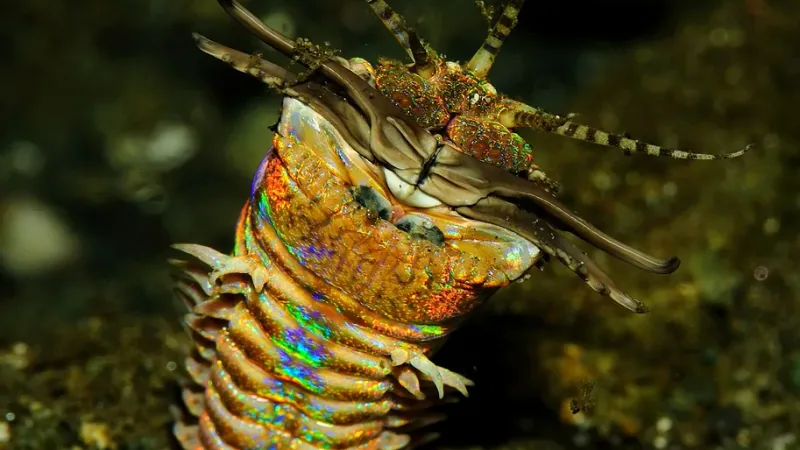
Bobbit Worm
An ambush predator up to ten feet long that buries itself in the sand with its jaws cocked like a spring trap, ready to snap a passing fish in half.

Bornean Orangutan
Borneo's biggest mammal in the trees: long arms for the canopy, hands and feet that both grip, and a long call that can be heard a kilometer or more away.
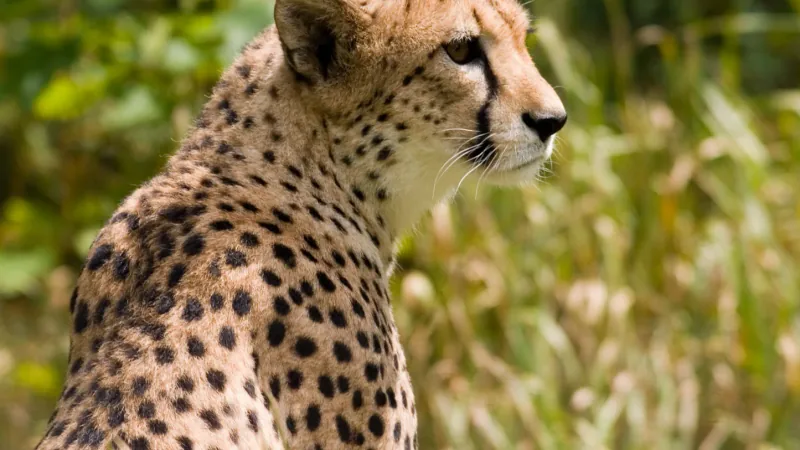
Cheetah
The fastest land mammal alive, sprinting on a spine that bends like a spring and claws that grip like a track shoe's cleats.
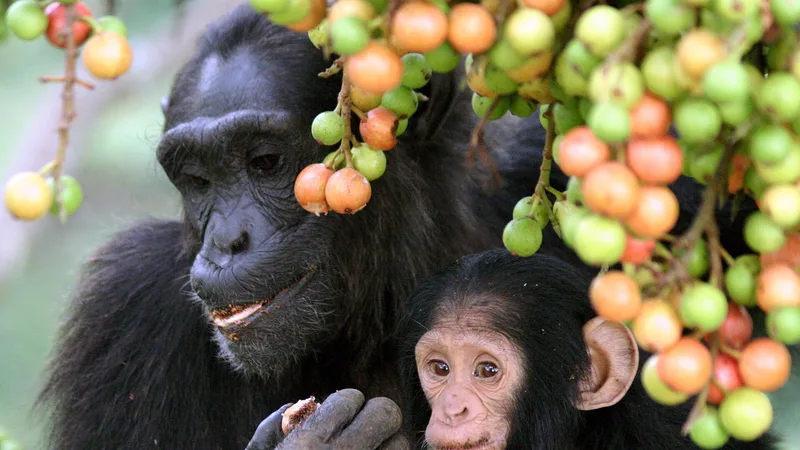
Chimpanzee
DNA letters about 1.23% different from a human's, tool kits that vary from community to community, and Machiavellian troop politics.
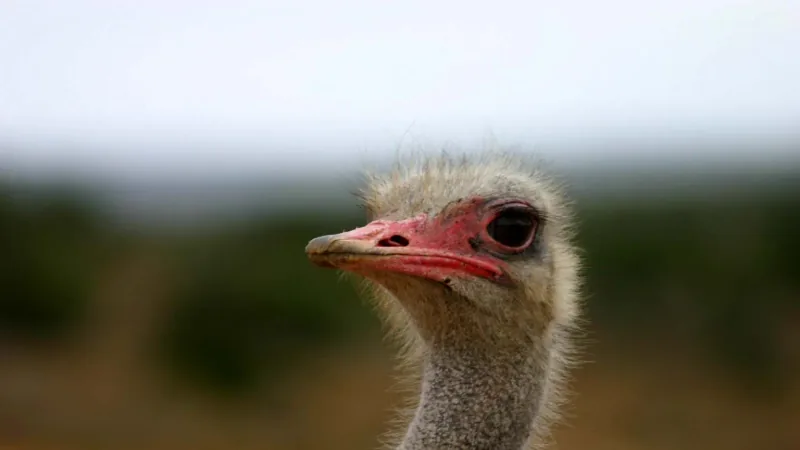
Common Ostrich
The tallest and heaviest bird alive, sprinting in bursts of up to 43 miles an hour on two toes, with a kick powerful enough to kill a lion.
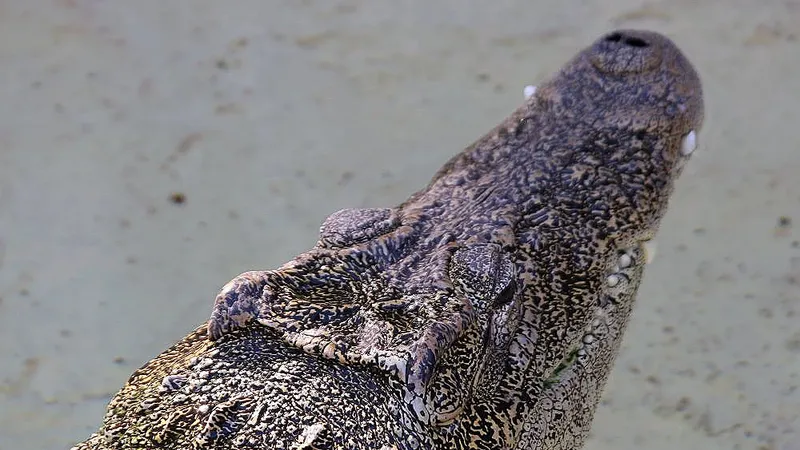
Cuban Crocodile
One of the most threatened crocodilians in the Americas, able to leap from the water for prey on overhanging branches, with teeth adapted for crushing turtle shells.

Duck-Billed Platypus
An egg-laying mammal with venomous spurs and an electric sense in its bill, once thought to be a taxidermist's hoax.
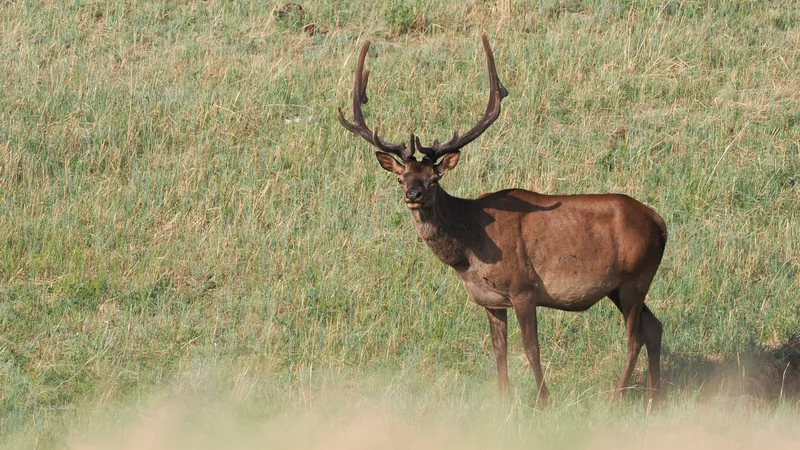
Elk
A bull's bugle is two sounds at once, and his antlers regrow every year at up to two-thirds of an inch a day.
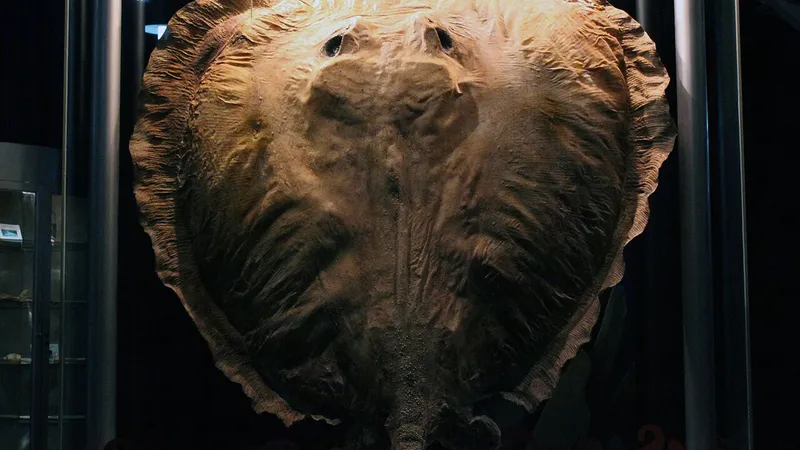
Giant Freshwater Stingray
The 300-kilogram Mekong river phantom with a barbed tail spine and the record for the largest freshwater fish ever caught and officially recorded.
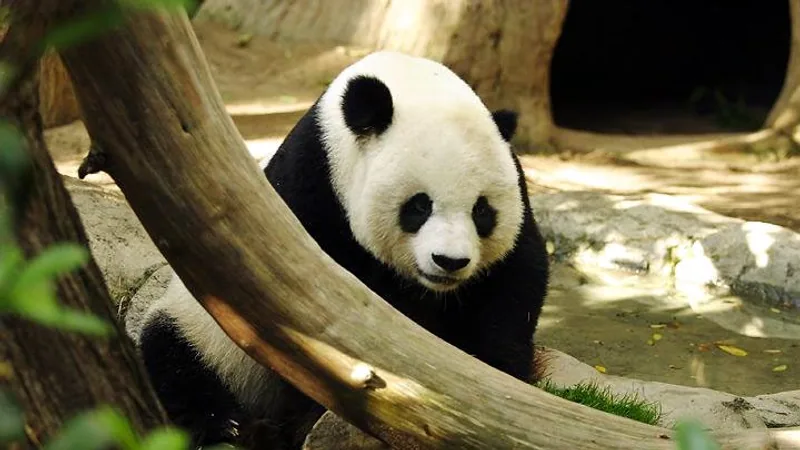
Giant Panda
A carnivore-like gut, the strongest jaws of any bear, and a bony spare thumb, all pressed into a diet that's about 99% bamboo.
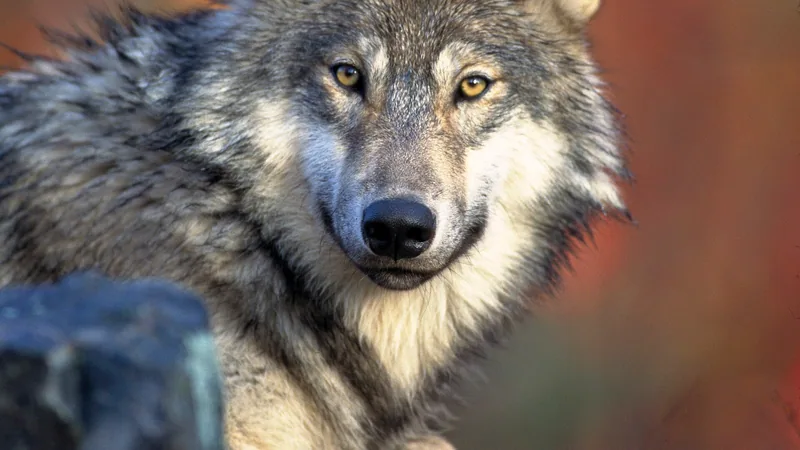
Gray Wolf
A keystone predator whose packs hunt down elk and moose, and whose howl can carry up to ten miles across Arctic tundra to pull the pack back together.
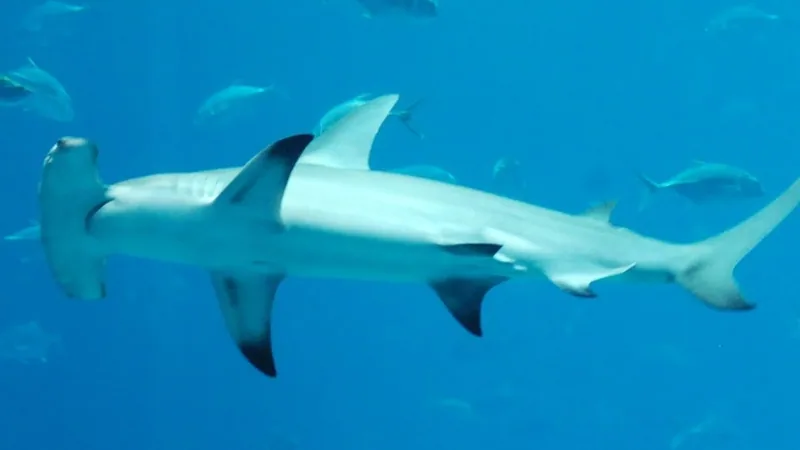
Great Hammerhead Shark
A hammer-shaped head wired with electric sensors, used to pin stingrays to the seafloor.
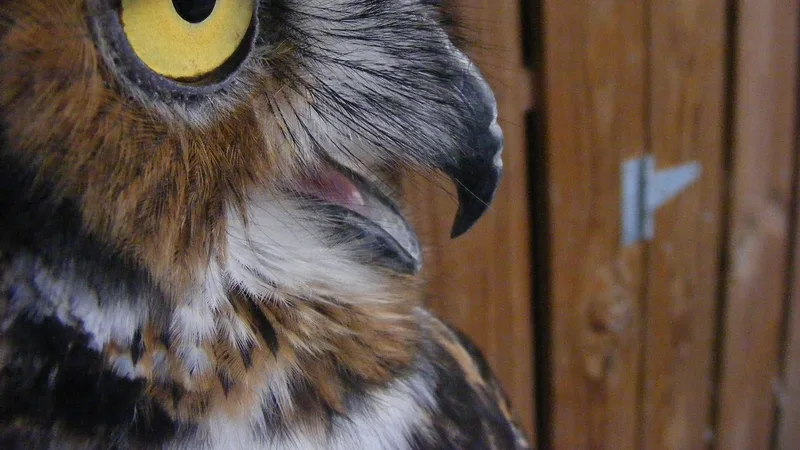
Great Horned Owl
Feathered horn tufts, tiger of the air, and nocturnal forest ambush conqueror.
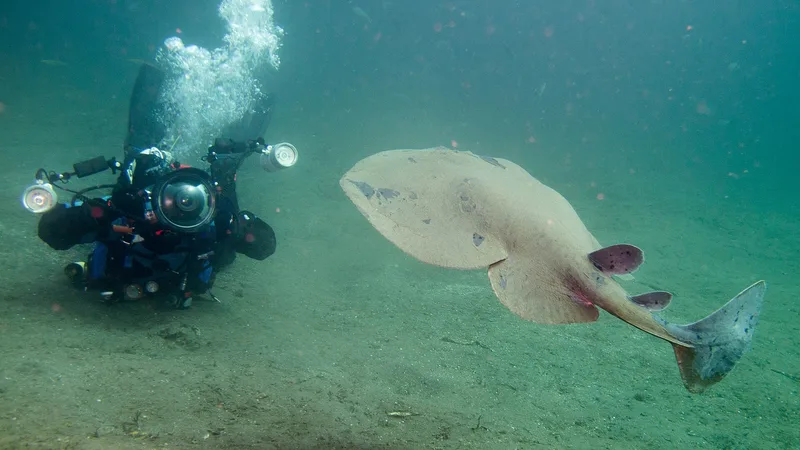
Great Torpedo Ray
170-to-220-volt shocks from a honeycomb of barely visible electric organs, and jaws that stretch to swallow surprisingly big fish.
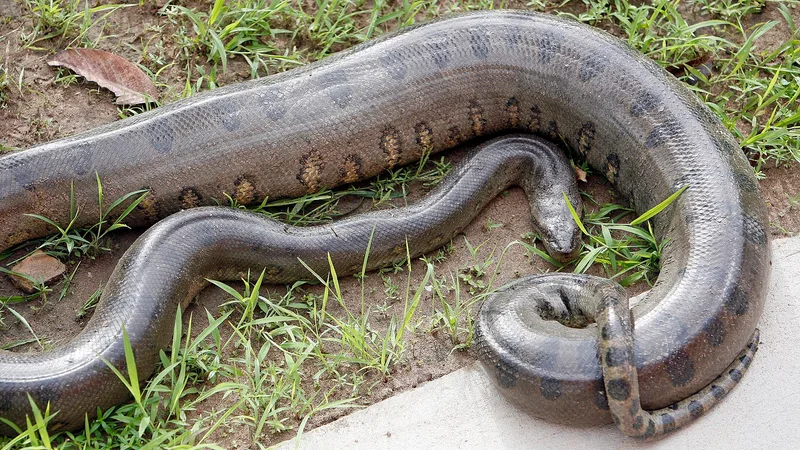
Green Anaconda
Up to 550 pounds of camouflaged ambush predator, with eyes and nostrils on top of its head, that kills with suffocating coils.
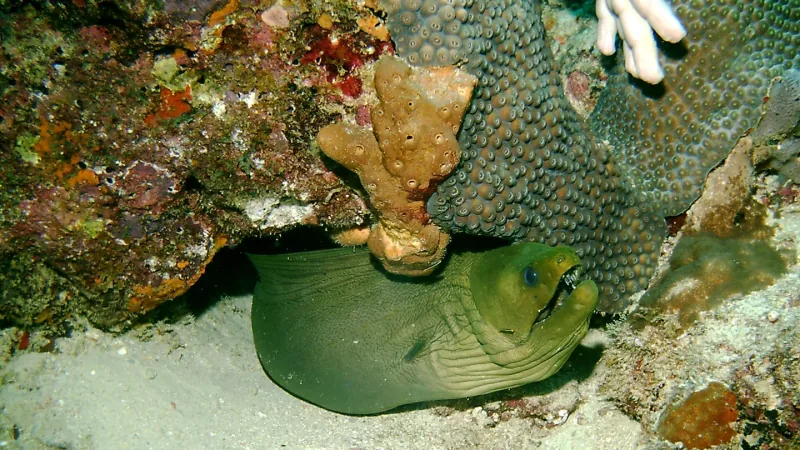
Green Moray Eel
The reef predator that lies in wait in rock crevices, wearing a thick yellow mucus that turns its dark skin green and protects it from parasites and disease.
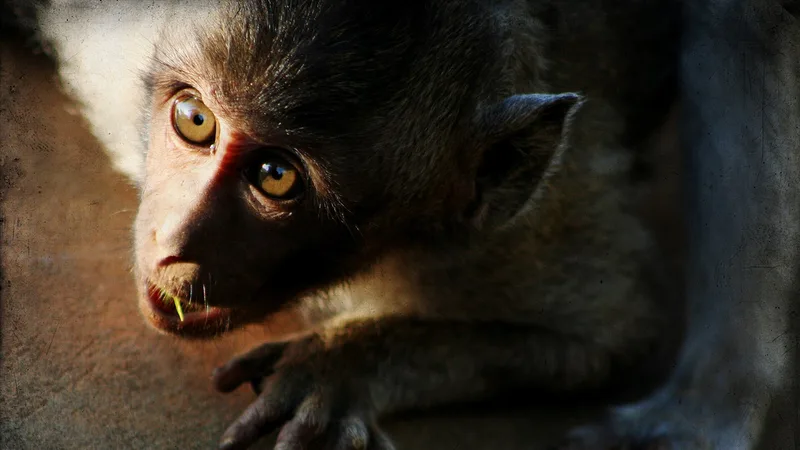
Hamadryas Baboon
Silver-maned sacred baboon of ancient Egypt, living in harems that stack into clans, bands and troops hundreds strong.
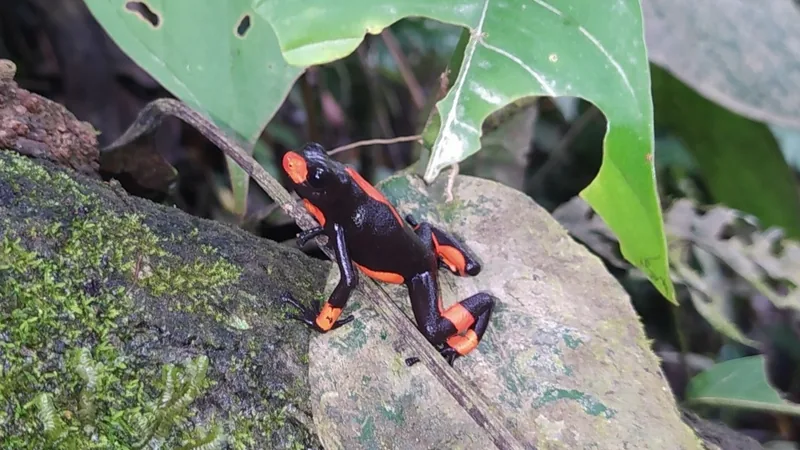
Harlequin Poison Frog
A rainforest frog just 2.5 to 3.8 centimetres long, painted like a warning label, its skin toxins collected straight from the ants, termites and beetles it eats.
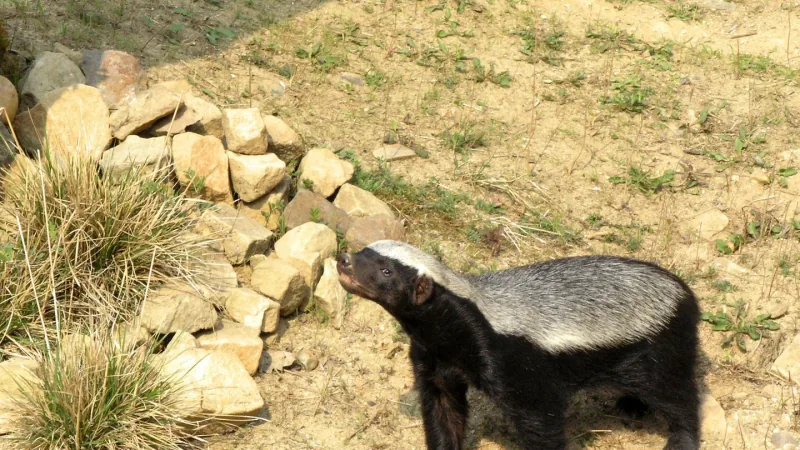
Honey Badger
A roughly 9 kg mustelid with loose skin, a muscle receptor that impedes snake toxin binding, and cobras among its prey.
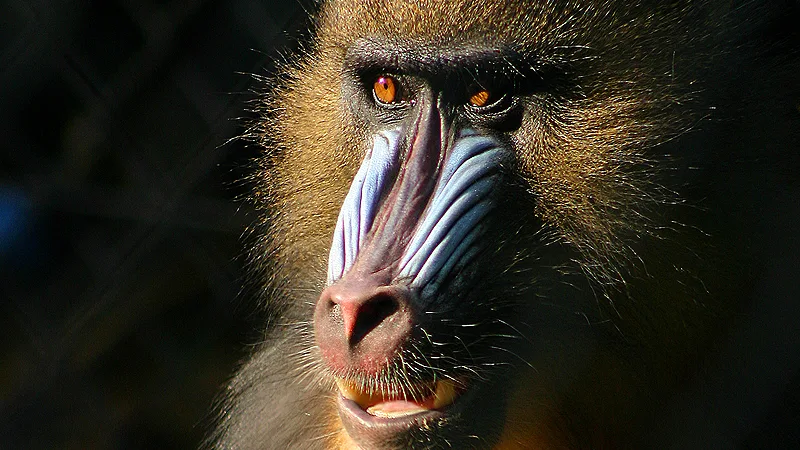
Mandrill
Males are the largest monkeys alive, with faces colored blue by light-scattering collagen and red by blood, and canine teeth whose length tracks their breeding years.

Moose
Half-tonne boreal giant, antlers that are the fastest-growing tissue of any mammal, and stilt legs that sometimes give it an edge over wolves in deep snow.