The Wildlife Encyclopedia
Explore all 545 species indexed across the encyclopedia. Every creature is paired with anatomical superpower breakdowns and musical subcultures.

Bombardier Beetle
Miniature artillery specialist that blasts attackers with a chemical spray up to 100°C, fired in rapid pulses.

Bonobo
The Congo forest ape where the females rule the roost.

Boomslang
Giant round eyes, a 180-degree gape, and venom that turns the blood against itself.

Bornean Orangutan
Borneo's biggest mammal in the trees: long arms for the canopy, hands and feet that both grip, and a long call that can be heard a kilometer or more away.
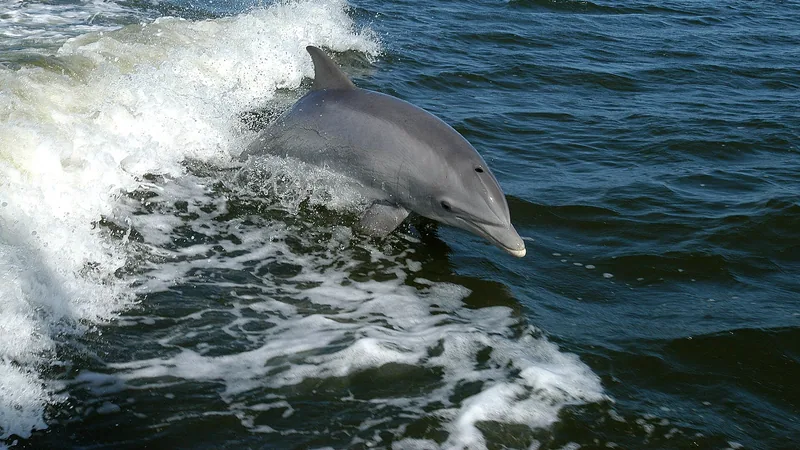
Bottlenose Dolphin
Each dolphin is believed to keep its own signature whistle for life, and dolphins have passed the mirror test for self-recognition.
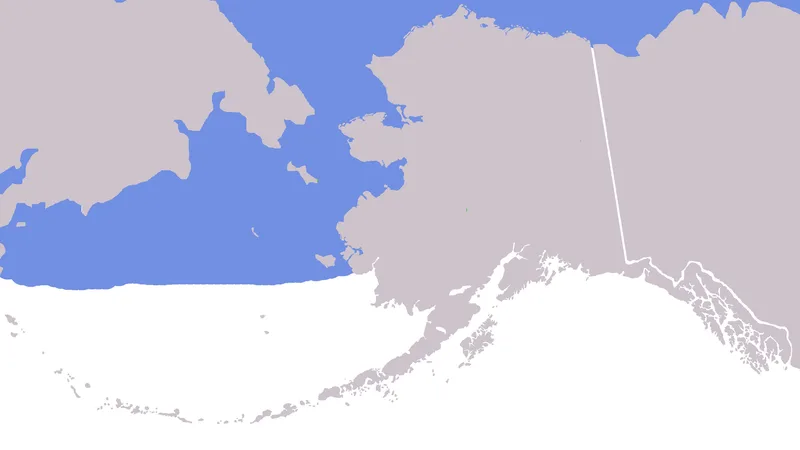
Bowhead Whale
A bow-shaped skull that breaks through sea ice, DNA-repair genes that may help it resist cancer, and a lifespan estimated at over two centuries.
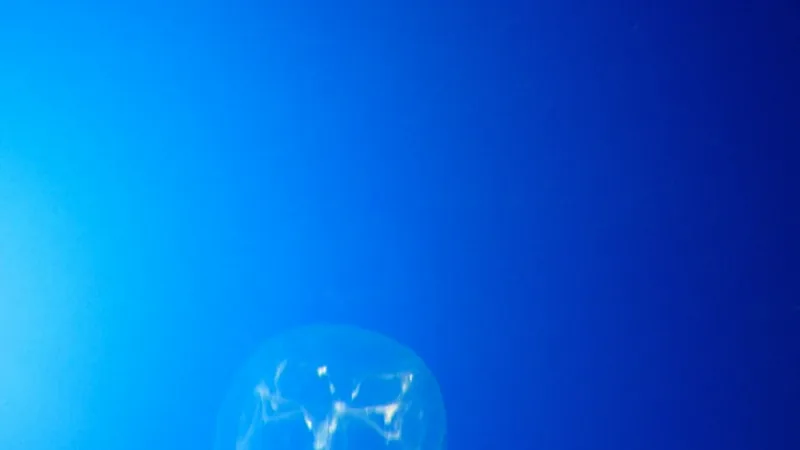
Box Jellyfish
The translucent ocean predator with 24 eyes, no brain, and venom that can kill a person in minutes.
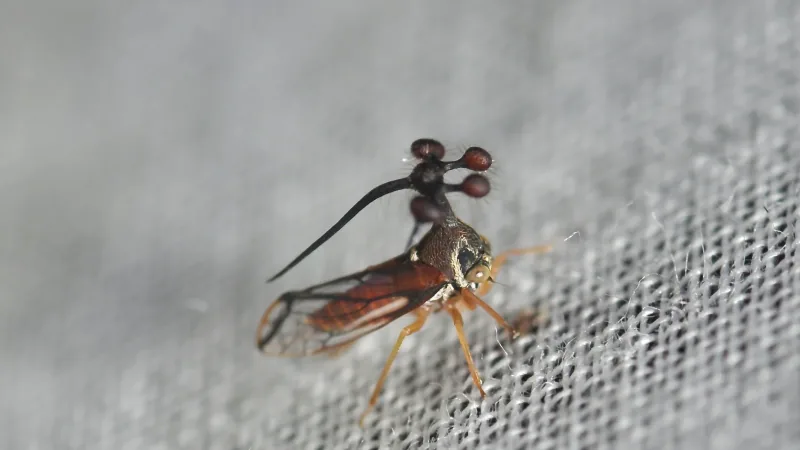
Brazilian Treehopper
A rainforest sap-drinker wearing a crown of glossy globes on slender horns, argued over by entomologists since 1903.

Brazilian Wandering Spider
A web-less wandering spider of south-eastern South America that hunts among the vegetation after dark, throws its front legs up when threatened, and carries venom packed with peptides that jam ion channels.
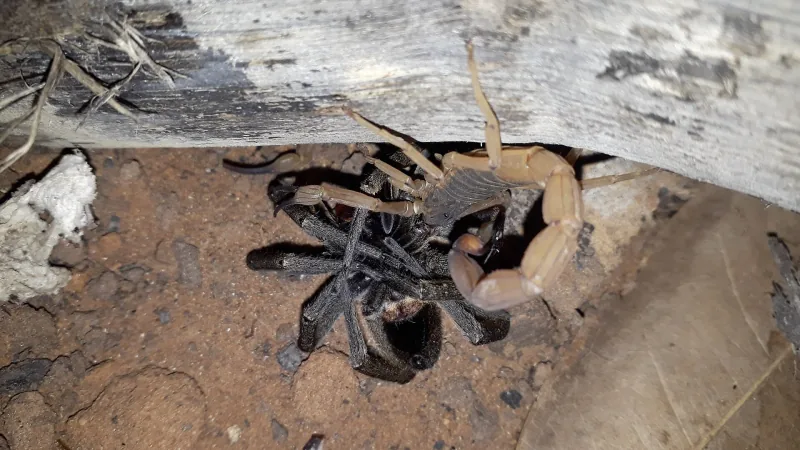
Brazilian Yellow Scorpion
The asexual arachnid that invaded Brazilian cities without needing a single male to reproduce.
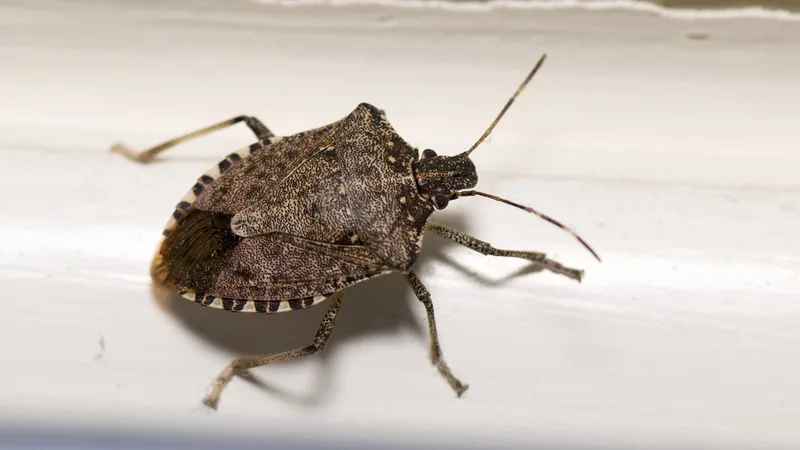
Brown Marmorated Stink Bug
The shield-shaped bug whose name points to its scent glands, a fruit-eating invader from east Asia that has reached North America and Europe.
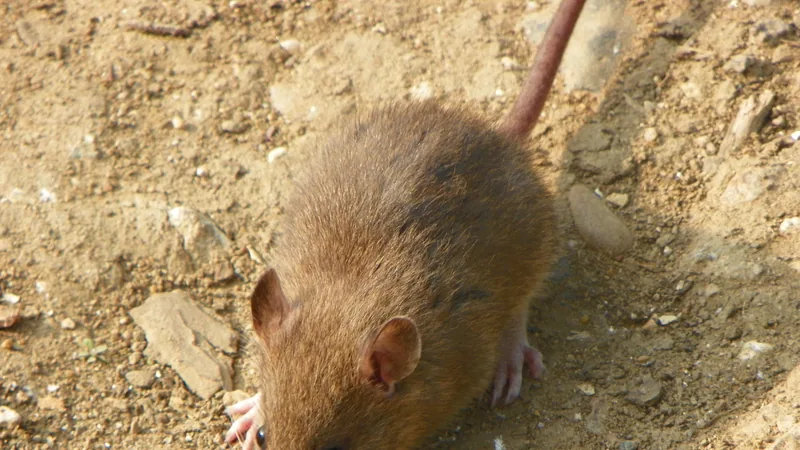
Brown Rat
A whisker-guided survivor that breeds all year and quickly learns to shun the taste of food that once made it ill.
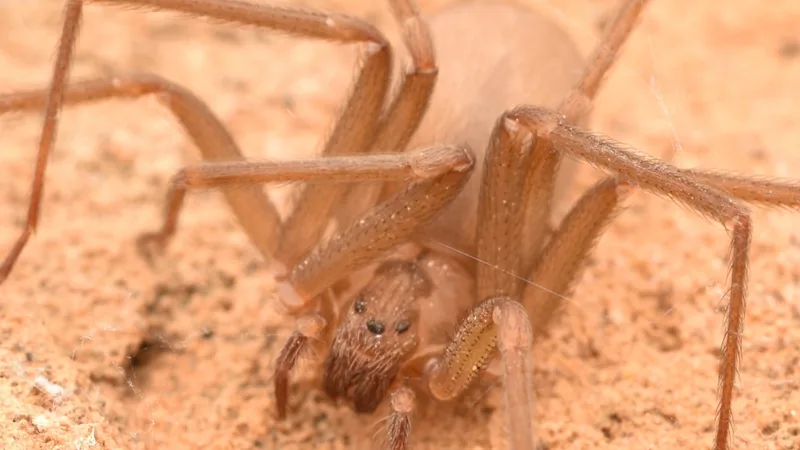
Brown Recluse
A six-eyed night hunter with a violin marking and venom that can kill the tissue around a bite.
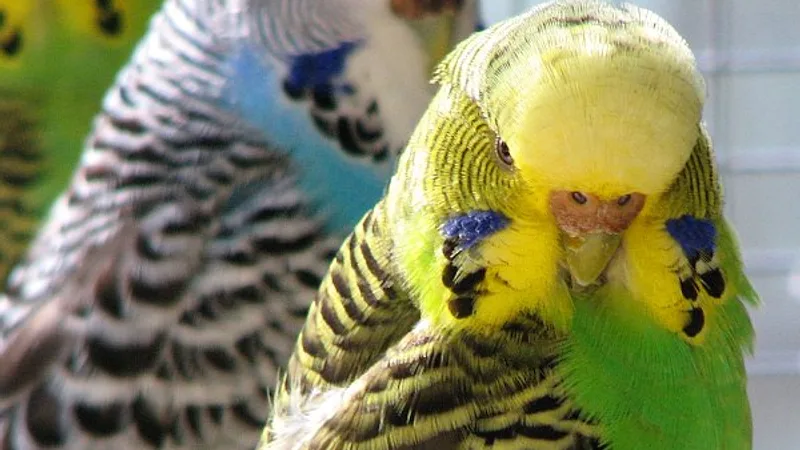
Budgerigar
The nomadic outback parrot that rewrites its own call to match a brand-new mate.
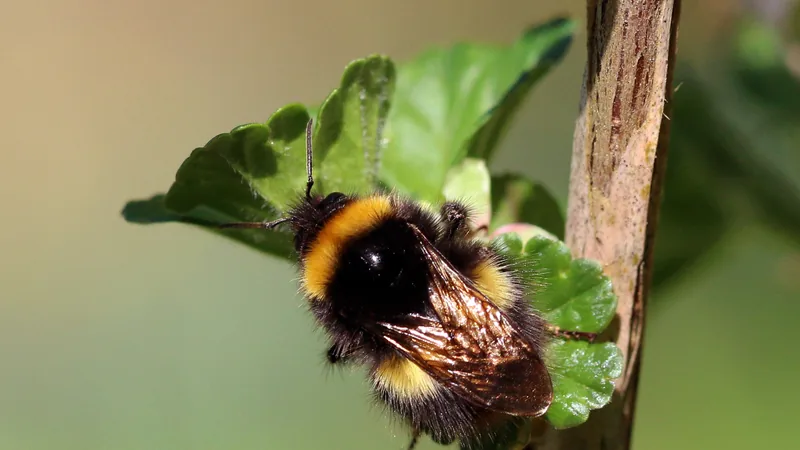
Buff-Tailed Bumblebee
A short-tongued bumblebee that bites holes in flowers to steal nectar, and nests underground in colonies of up to 600.

Bull Shark
Freshwater river invader, named for its stout build and a reputation for aggression, with a harder bite for its weight than a great white's.
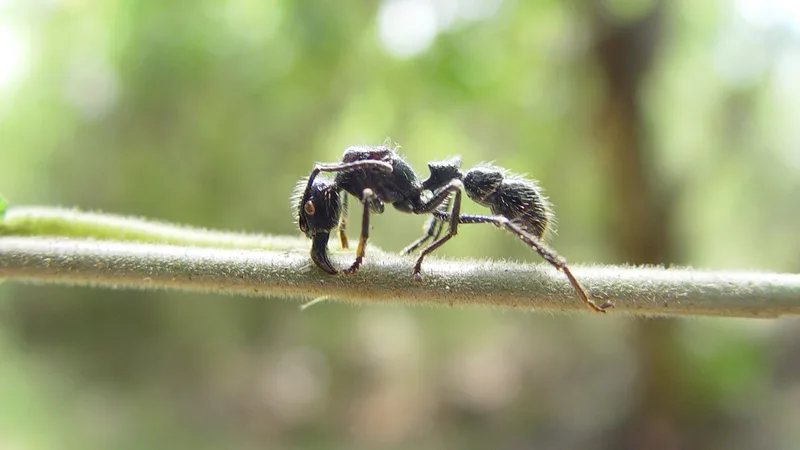
Bullet Ant
A sting rated level four, the top of Schmidt's pain scale, from one of the giant ants known in Brazil as the twenty-four-hour ants.
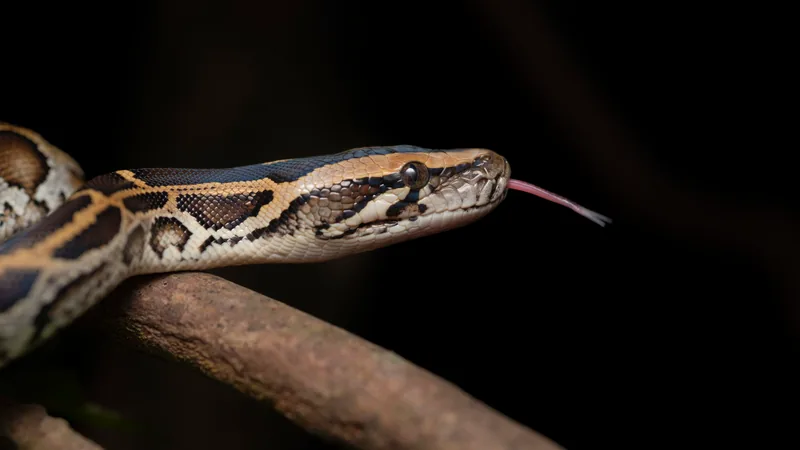
Burmese Python
A giant constrictor with stretchy jaws, and the Everglades invader linked to a 99.3 percent drop in raccoon sightings.
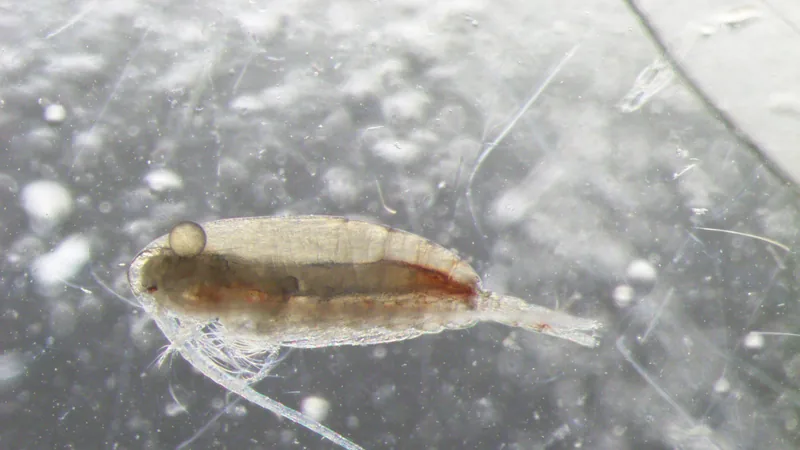
Calanus Copepod
A small North Atlantic copepod whose oil sac fuels a winter sleep in deep water.
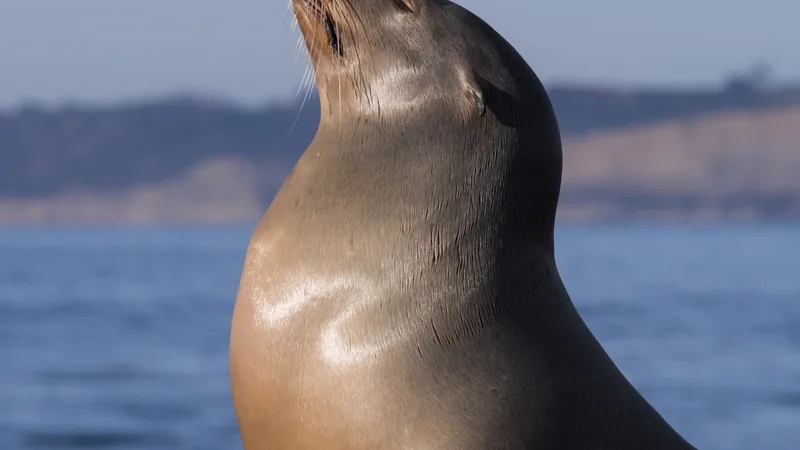
California Sea Lion
Males bark like dogs, and a mother can find her pup among hundreds by its call.
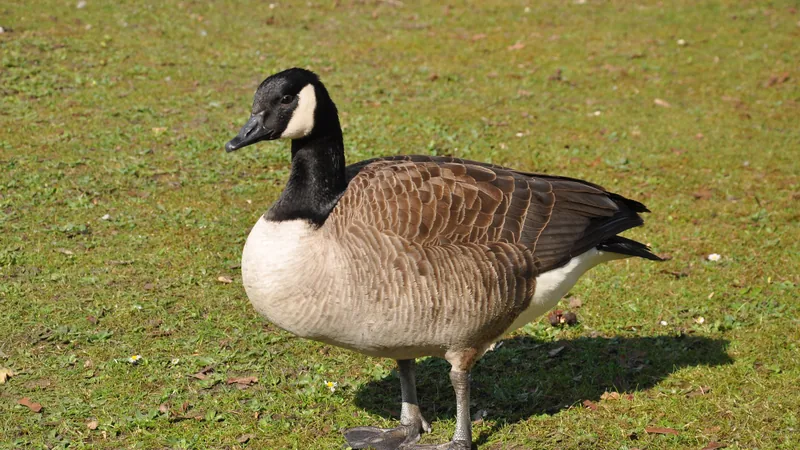
Canada Goose
North America's most widely distributed goose, with Hawaiian relatives that included a flightless giant over four times larger than the nene.
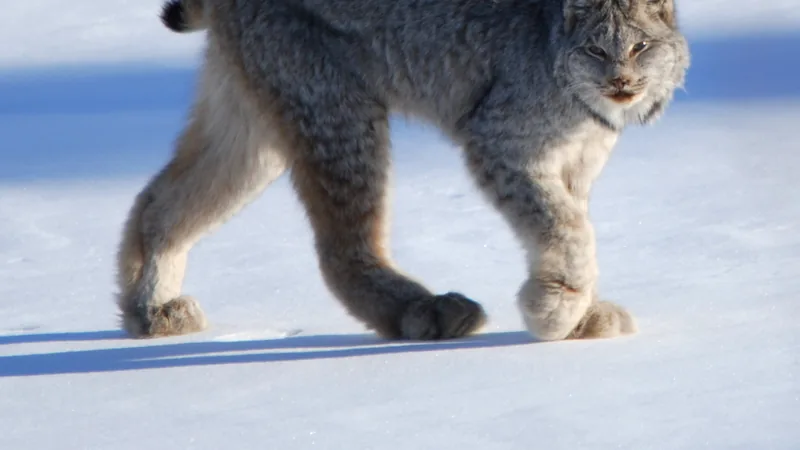
Canada Lynx
A snowshoe-pawed wild cat of the northern forests whose numbers rise and fall with the snowshoe hares it eats.
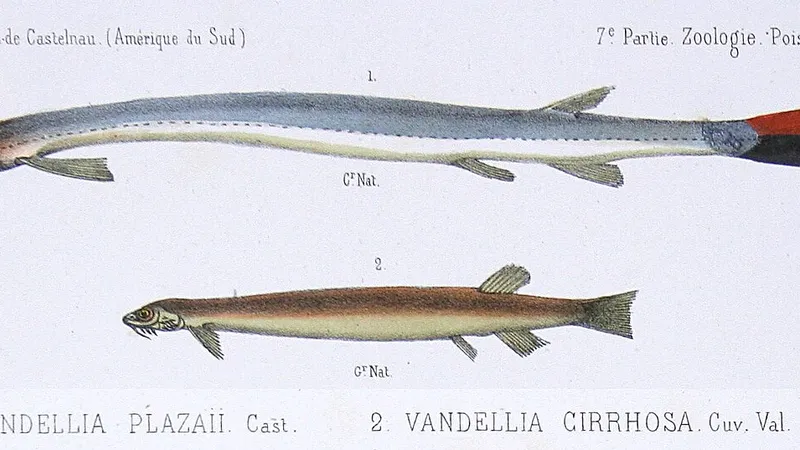
Candiru
The translucent, thin catfish that slips under a fish's gill cover and lets the host's own blood pressure fill its mouth.
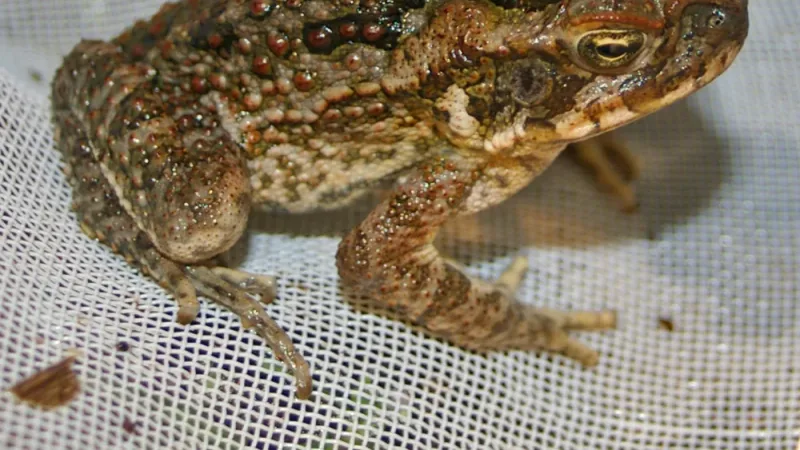
Cane Toad
Unstoppable neotropical chemical tank, turned loose in Queensland in 1935 to eat cane beetles, armed with shoulder glands whose toxins often kill the Australian native predators that try to eat it.