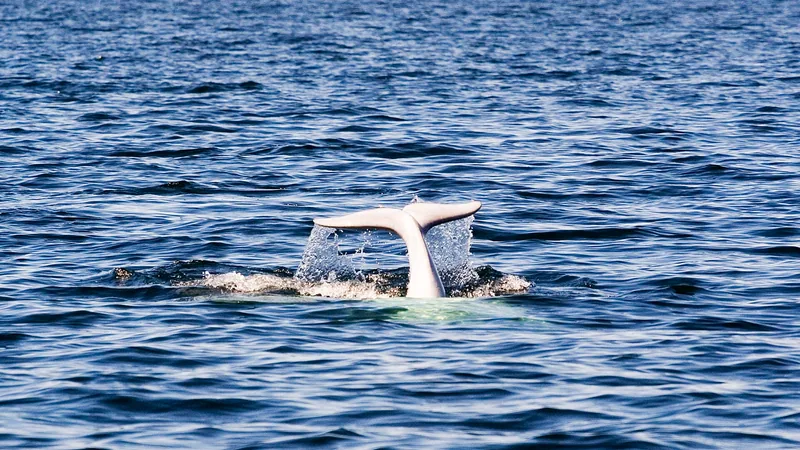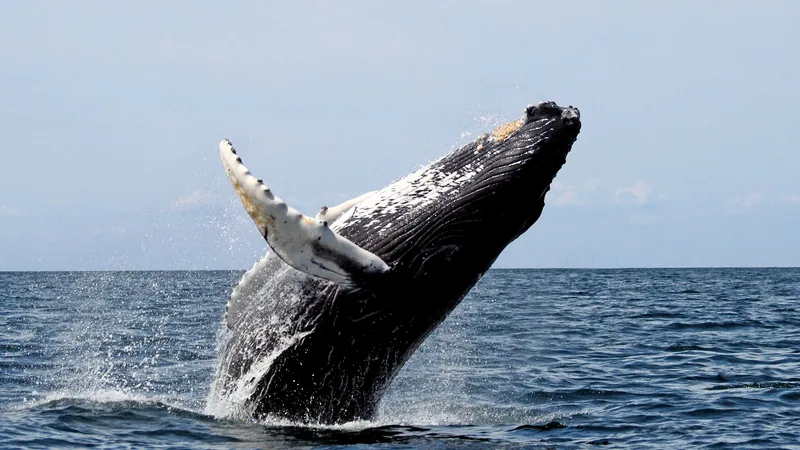
Wild Bowhead Whale surfacing amidst Arctic sea ice
Field
notes
A Skull That Breaks Ice
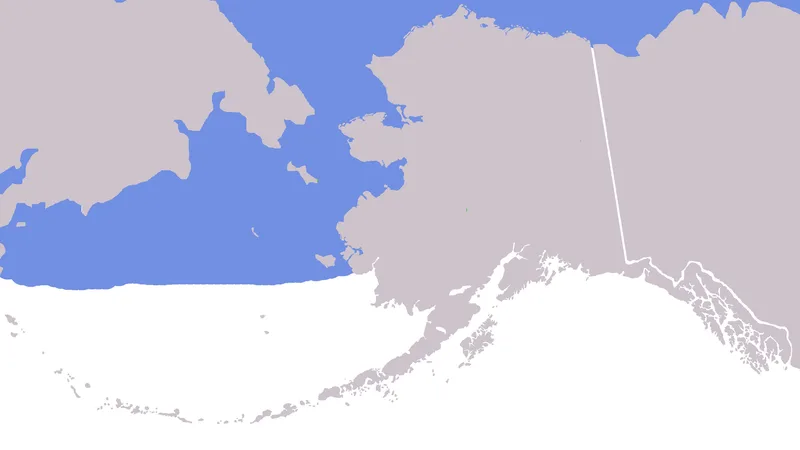
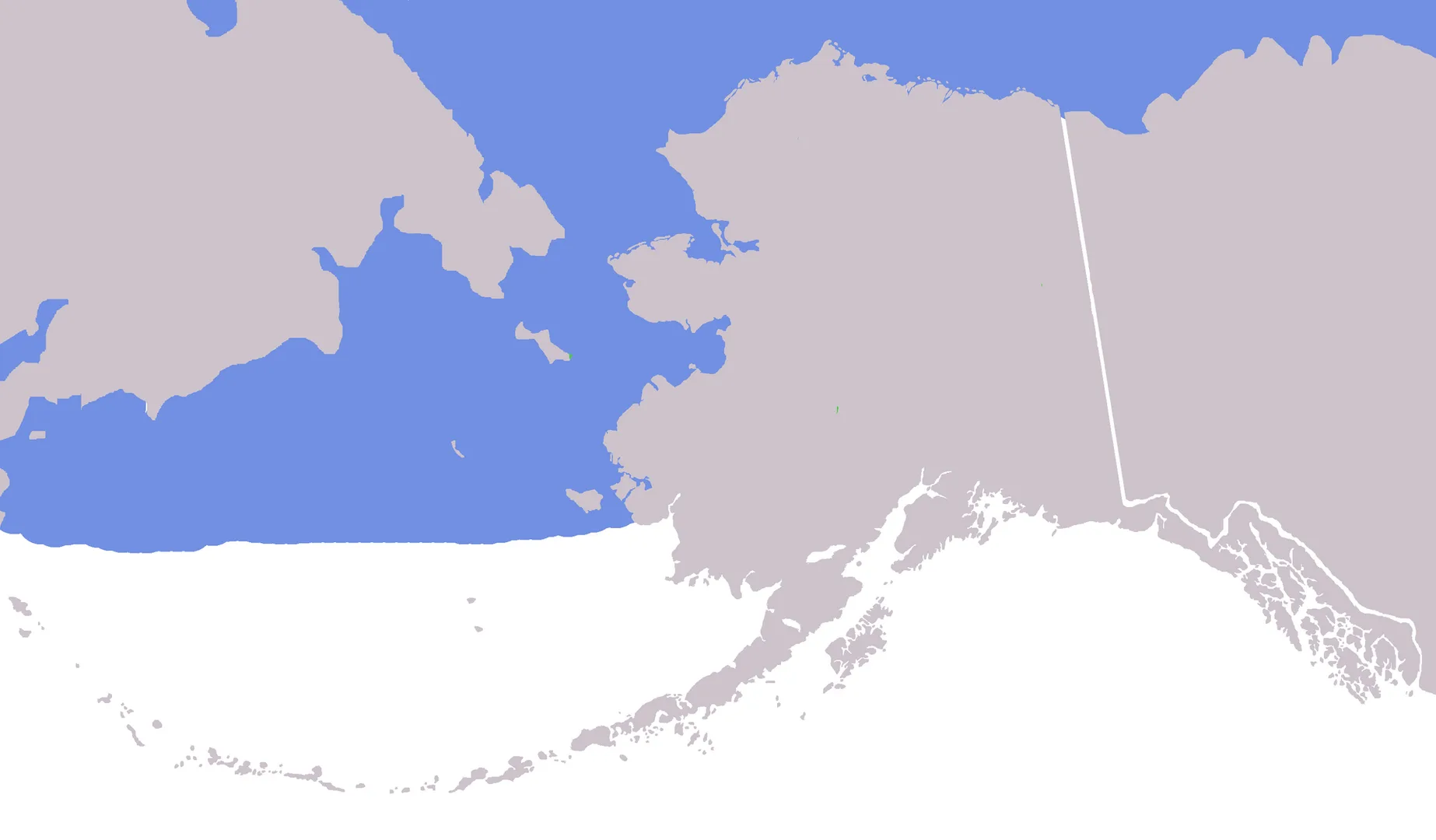
Bowhead whales (Balaena mysticetus) live almost exclusively in Arctic and subarctic seas: the Bering, Chukchi and Beaufort seas, Hudson Bay, Baffin Bay, the Sea of Okhotsk, and the waters from eastern Greenland and Spitsbergen to eastern Siberia, mostly between 60° and 75° north. Adults can grow to 62 feet long and weigh up to 200,000 pounds, wrapped in a blubber layer 17 to 19 inches thick, thicker than any other whale’s.
A bowhead’s skull is bow-shaped and can run more than 16.5 feet long, about a third of the whale’s body length. That large, thick skull lets it break through sea ice 8 inches thick, and some Alaska Native whalers have even reported whales surfacing through two feet of ice.
Filtering the Ocean by the Tonne
A bowhead’s mouth holds the longest baleen plates of any whale, about 300 of them, each up to nearly 15 feet long. It feeds by straining huge volumes of seawater through those plates, which work like the teeth of a comb. Its food is almost exclusively invertebrates, including crustaceans such as krill and copepods, along with some small fish.
Bowheads tagged off West Greenland swam at under one meter per second while feeding at depth, yet pushed about 3 cubic meters of water through their baleen every second. Over a single dive that works out to roughly 2,000 tonnes of water and prey filtered. Scientists estimate a bowhead needs to eat about 100 metric tons, more than 220,000 pounds, of prey a year.
A Very Long Life
Bowheads are thought to be the longest-lived mammals known. One whale’s age was estimated at around 211 years, give or take about 35. Stone harpoon tips recovered from harvested bowheads show these whales live well over 100 years, and newer techniques allow more precise age estimates.
A Thousand Times the Cells Large whales carry over a thousand times more cells than a person does, yet show no increased cancer risk, which suggests natural mechanisms that suppress cancer more effectively.
Genome sequencing has pointed to possible players: bowhead-specific mutations in ERCC1, a DNA-repair gene, and a duplicated repair gene, PCNA, with both copies switched on in the whale’s muscle, kidney, retina and testis.
Whaling and Recovery
Commercial whaling for bowheads off Alaska began in the early 1800s. By the time it effectively ended in 1921, whaling had driven the worldwide population below 3,000 whales. The Western Arctic stock, the only one in U.S. waters, has since recovered to about 15,229 whales by a 2019 estimate, and it is now the largest bowhead population in the world.
The IUCN Red List rated the species Least Concern in 2018, while the United States lists it as endangered under the Endangered Species Act. The smaller Sea of Okhotsk population remains dangerously low, at only a few hundred whales. Threats include climate change, vessel strikes, fishing-gear entanglement and predation: scars consistent with killer whale attacks turn up on about 8 percent of subsistence-hunted bowheads, and the recorded rate has increased each decade.
Published Updated
Traits
Intel
& FAQ
Guess
first
How big is a Bowhead Whale, really? Slide, lock in, and see what the sources say. Every answer is a figure from this page, quoted from where it came from.
Sources
- 01Bowhead Whale. NOAA Fisheries.
- 02Balaena mysticetus (bowhead). Animal Diversity Web, University of Michigan.
- 03Keane et al. (2015). Insights into the Evolution of Longevity from the Bowhead Whale Genome. Cell Reports.
- 04Simon et al. (2009). Behaviour and kinematics of continuous ram filtration in bowhead whales (Balaena mysticetus). Proceedings of the Royal Society B: Biological Sciences.
- 05Cooke & Reeves (2018). Balaena mysticetus. The IUCN Red List of Threatened Species 2018: e.T2467A50347659.
- 06Tervo et al. (2011). Evidence for simultaneous sound production in the bowhead whale (Balaena mysticetus). The Journal of the Acoustical Society of America.
What the sources say: 54 claims checked word for word against these sources →