Whales & Dolphins
Fully aquatic oceanic giants with biosonar echolocation, horizontal flukes, and deep-diving lungs.
Cetacea
Cetaceans returned to the ocean roughly 50 million years ago, transforming land-mammal anatomy into hydro-engineered oceanic perfection. With blowholes on top of the cranium, collapsible ribcages that survive thousands of meters of water pressure, and complex biosonar organs, they rule open waters.
Key Evolutionary Adaptations
Sperm whales generate 230-decibel echolocation clicks through massive spermaceti oil organs in their foreheads.
Collapsible lungs and high myoglobin concentrations in muscle tissue store oxygen for dives over two hours long.
Horizontal tail flukes deliver pure vertical propulsion powered by massive dorsal and spinal muscle chains.
All Whales & Dolphins
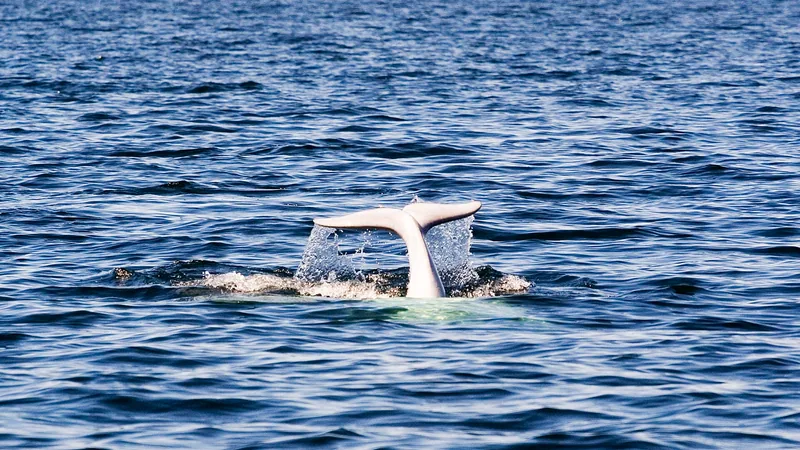
Beluga Whale
Nicknamed the "sea canary" for its squeals and chirps, with an unfused neck and a bulbous forehead that can break through ice for a breath.
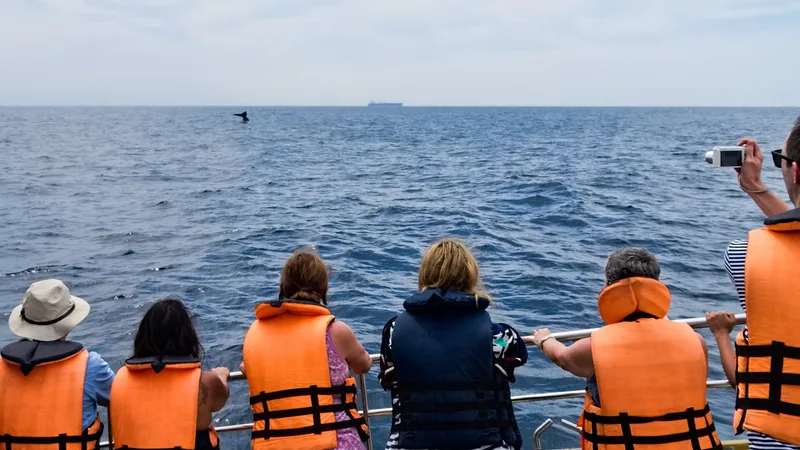
Blue Whale
The largest animal that has ever lived, built to gulp krill-laden water by the ton and rated among the loudest animals on the planet.
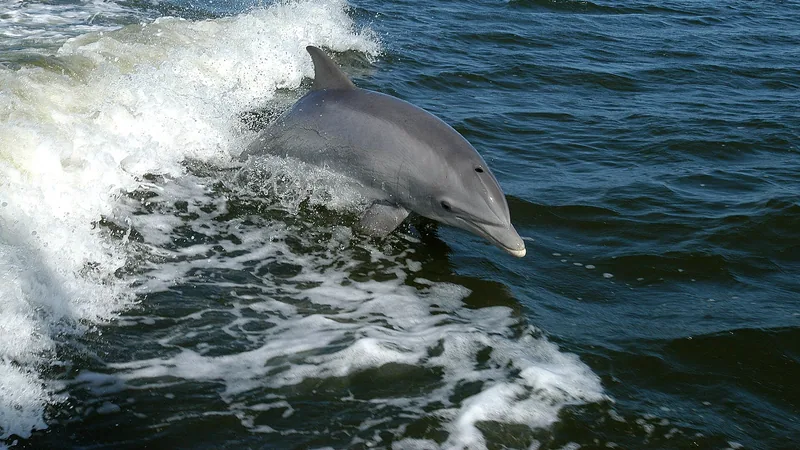
Bottlenose Dolphin
Each dolphin is believed to keep its own signature whistle for life, and dolphins have passed the mirror test for self-recognition.
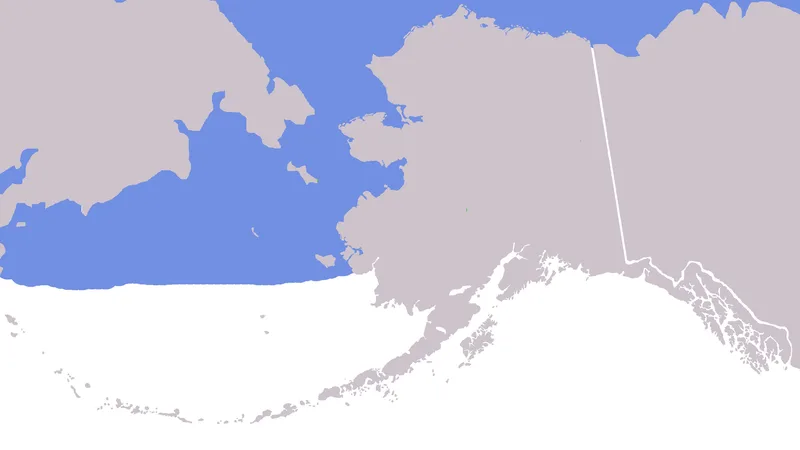
Bowhead Whale
A bow-shaped skull that breaks through sea ice, DNA-repair genes that may help it resist cancer, and a lifespan estimated at over two centuries.
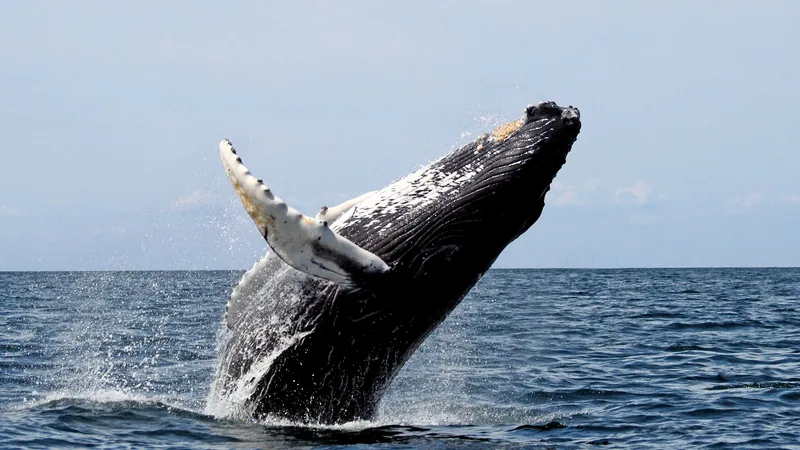
Humpback Whale
The bubble-ring hunter whose songs ripple from one population to the next.
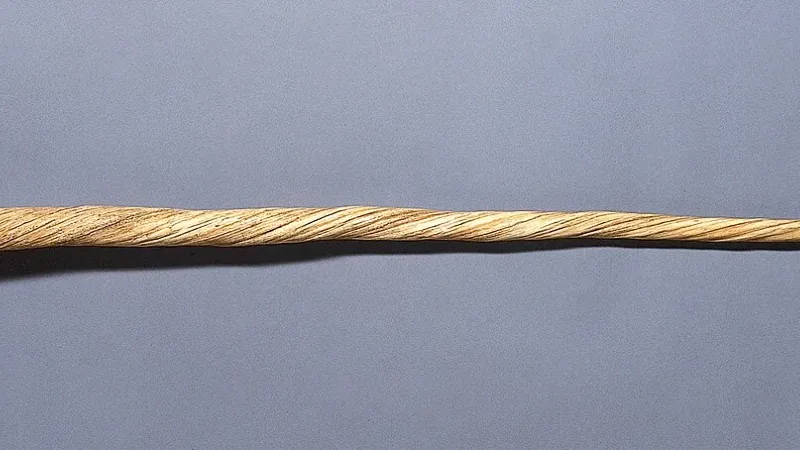
Narwhal
Deep-diving Arctic whale whose spiral tusk can grow up to 9.8 feet and may double as a sensory tool.
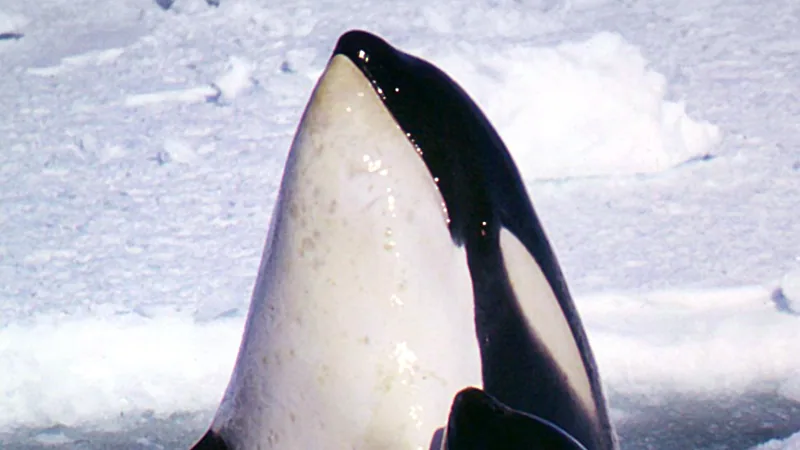
Orca (Killer Whale)
Matrilineal pod dialects, cooperative wave-washing tactics, and apex oceanic dominance.

Sperm Whale
Hunts on dives that routinely reach 610 meters, fires biosonar clicks up to 236 decibels underwater, and occasionally swallows giant and colossal squid.
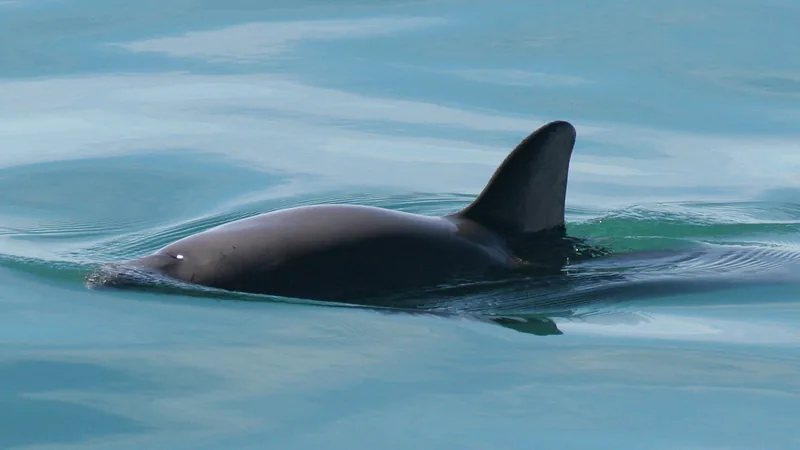
Vaquita
A shy porpoise with the smallest range of any whale, dolphin or porpoise