Rainforest
Surviving intense tropical humidity, dense multi-tiered canopies, and fierce biological competition in jungle biomes.
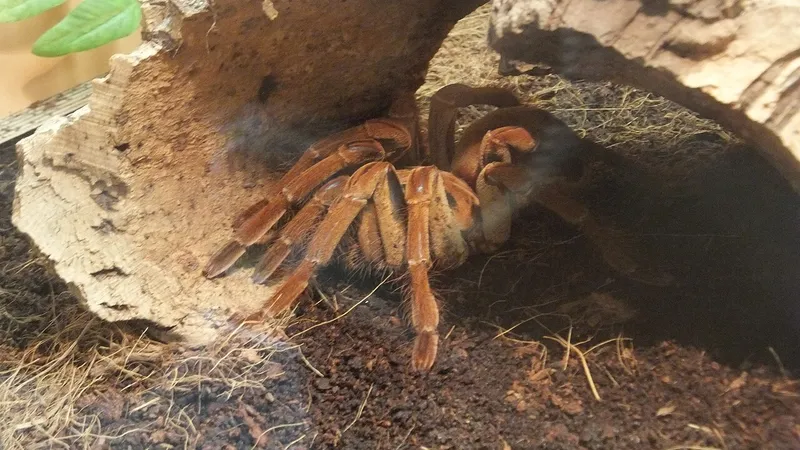
Goliath Birdeater
The heaviest spider in the world, a 6-ounce rainforest tarantula with fangs that can pierce human skin and stinging hairs it can release.
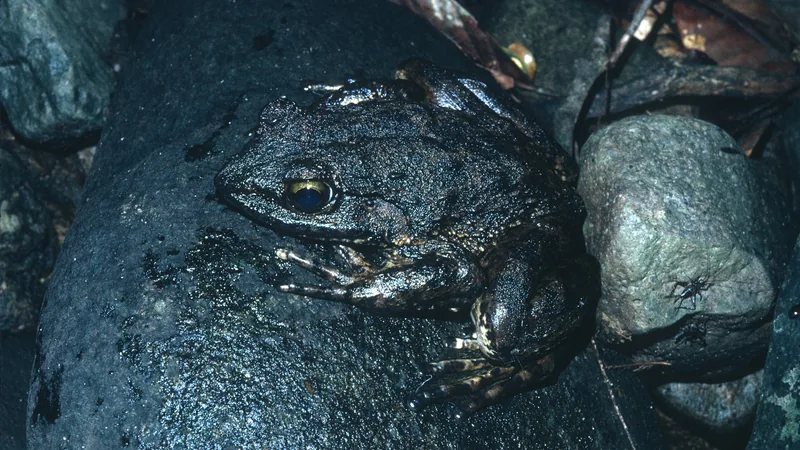
Goliath Frog
The largest frog in the world, where males haul rocks to build nests for their eggs.
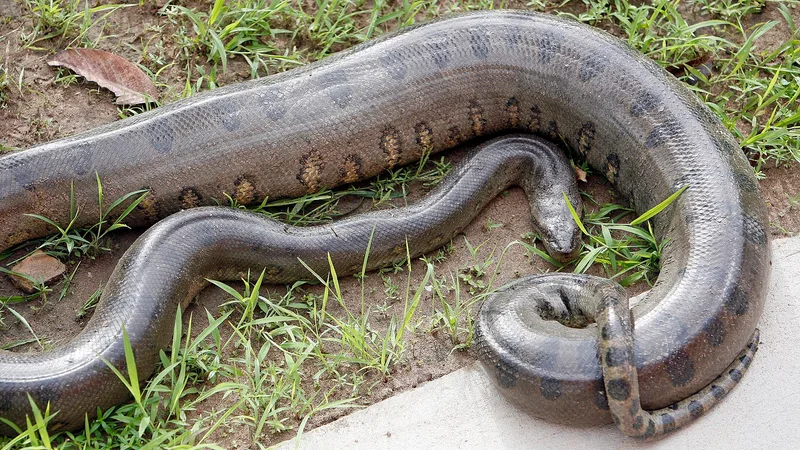
Green Anaconda
Up to 550 pounds of camouflaged ambush predator, with eyes and nostrils on top of its head, that kills with suffocating coils.
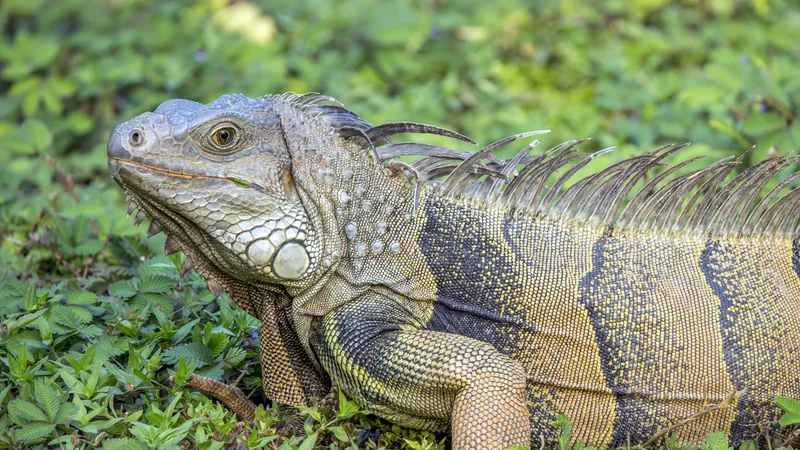
Green Iguana
A tree-top lizard with a light sensor on top of its skull that meters the sun and spots predator shadows from above.
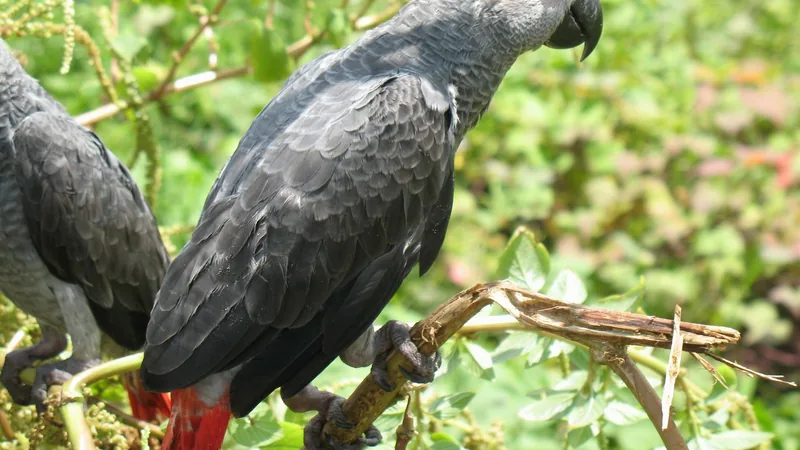
Grey Parrot
A grey parrot named Griffin outperformed 5-year-old children on a cup logic test.
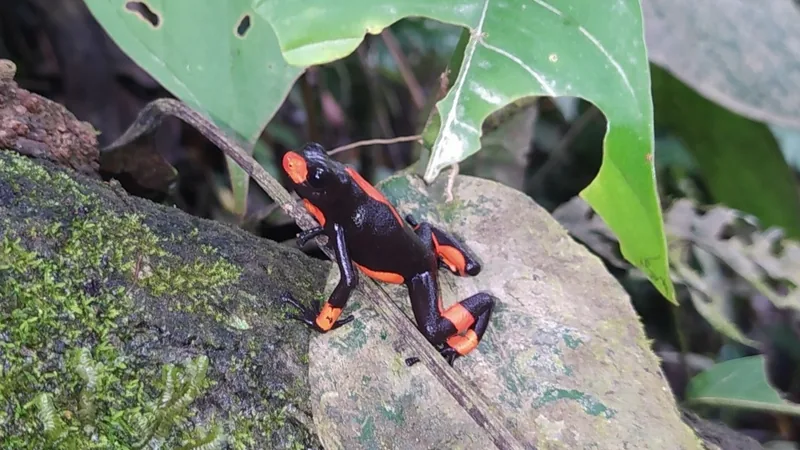
Harlequin Poison Frog
A rainforest frog just 2.5 to 3.8 centimetres long, painted like a warning label, its skin toxins collected straight from the ants, termites and beetles it eats.
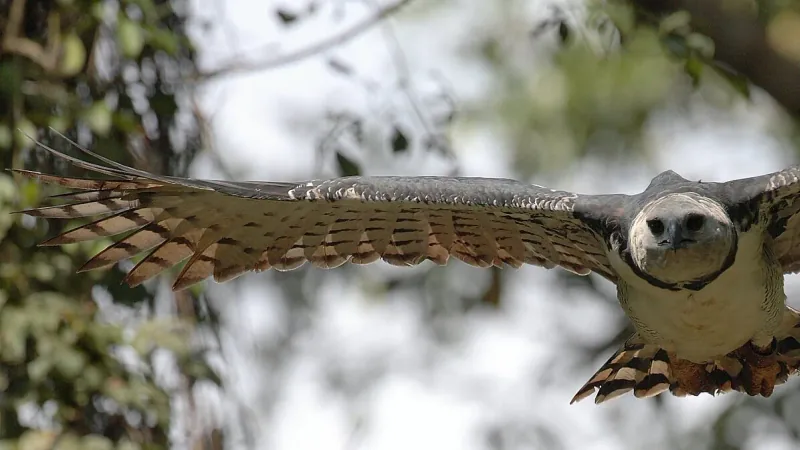
Harpy Eagle
Apex canopy raptor armed with rear talons larger than a grizzly bear's claws.
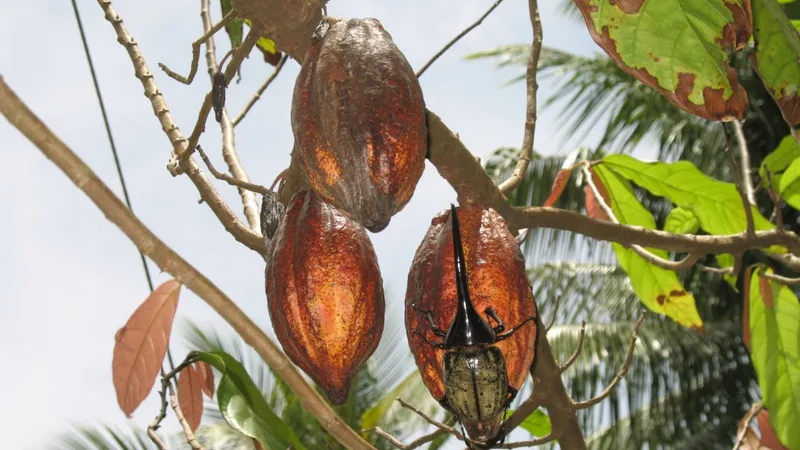
Hercules Beetle
A rainforest giant up to seven inches long that fights with pliers for horns, carves bark with gear-locked jaws, and turns from khaki-green to black as the air gets humid.
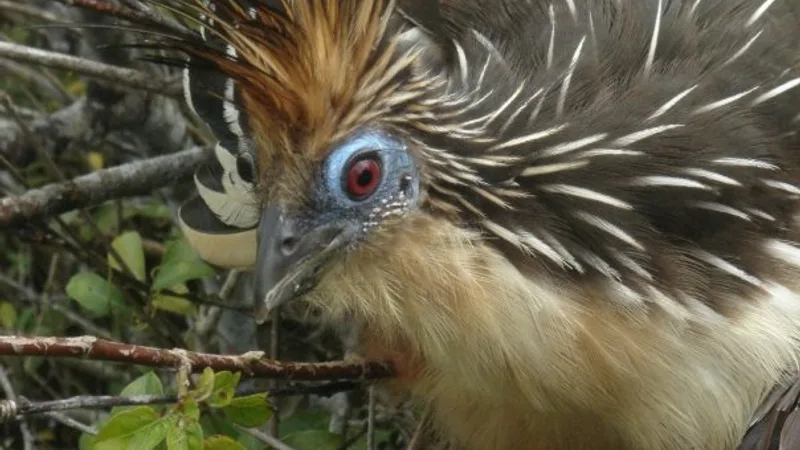
Hoatzin (Stinkbird)
A cow-style fermenting crop, wing-clawed chicks that swim from danger, and a place on the bird family tree debated since it was described in 1776.
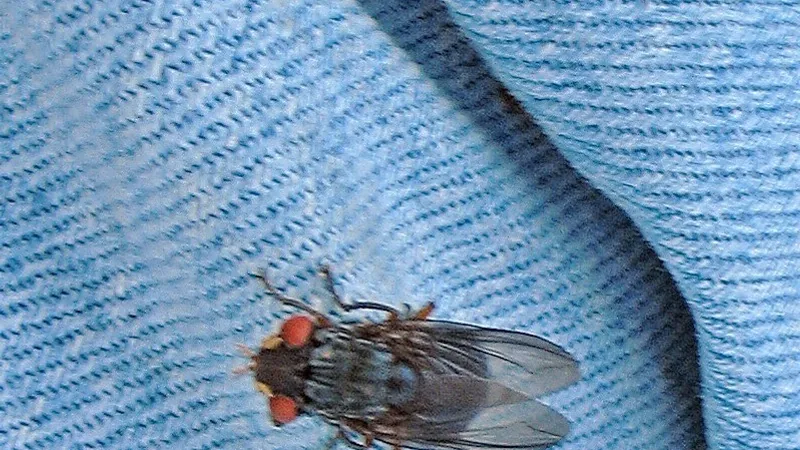
Human Botfly
A bumblebee lookalike that glues its eggs to a blood-feeding carrier, usually a mosquito or a tick, which delivers them when it feeds.
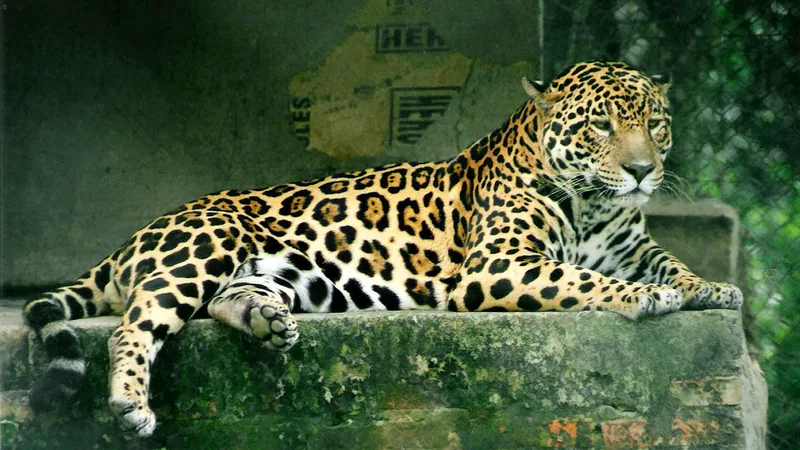
Jaguar
Skull-piercing jaws, a powerhouse swimmer, and the largest cat in the Americas.
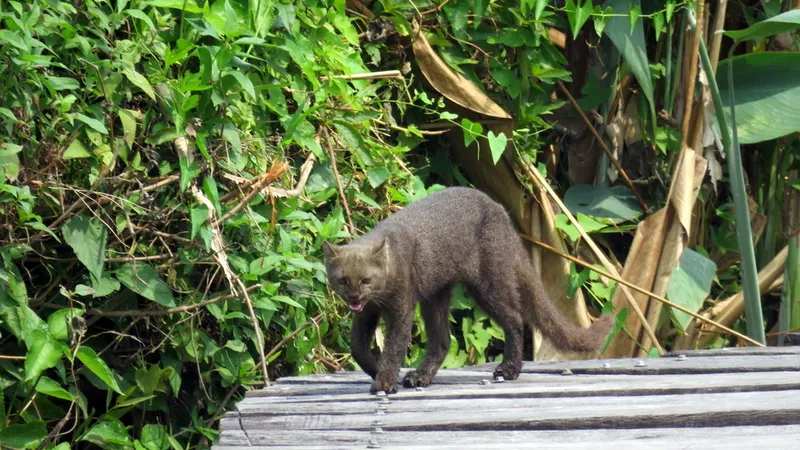
Jaguarundi
Weasel-shaped cat with a bigger vocal repertoire than any other cat in its range, active by day while the margay works nights.
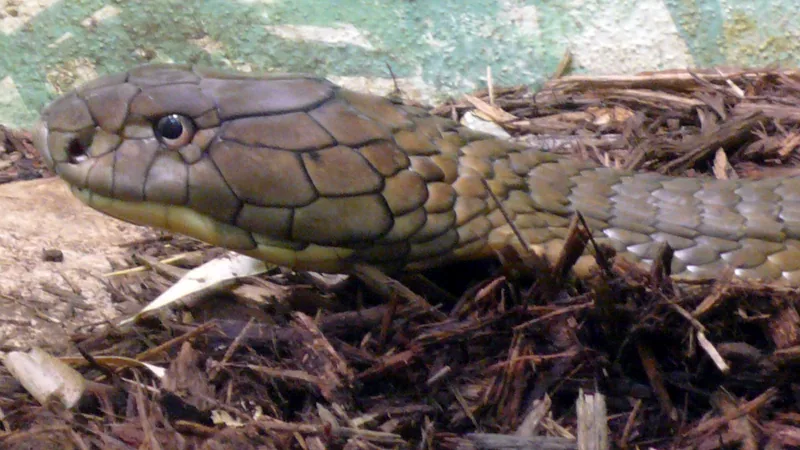
King Cobra
Up to eighteen feet of hooded crown, growling acoustic hiss, and specialized predator of other snakes.
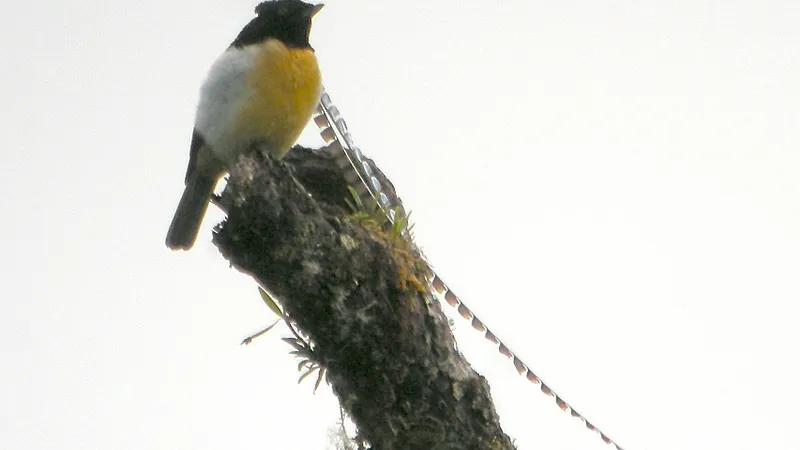
King of Saxony Bird-of-Paradise
A male's twin head plumes run twice his body length, worked by muscles housed in hollows of his skull, and his courtship song has been likened to radio static.
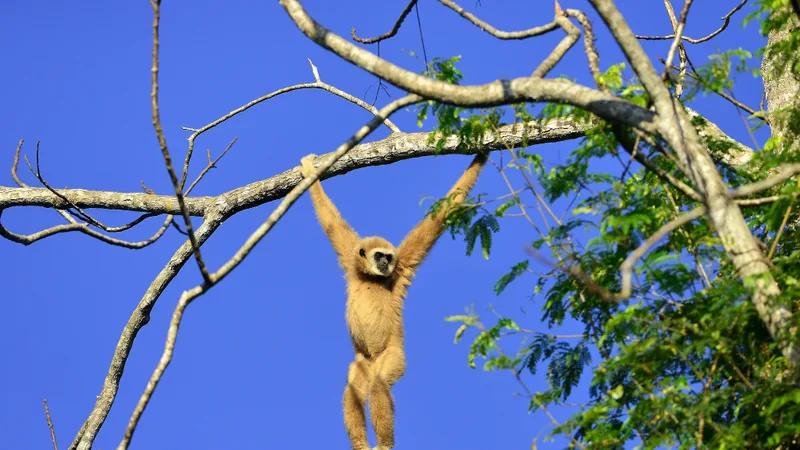
Lar Gibbon
A rainforest singer whose pair duets average 11 minutes and carry up to a kilometre.
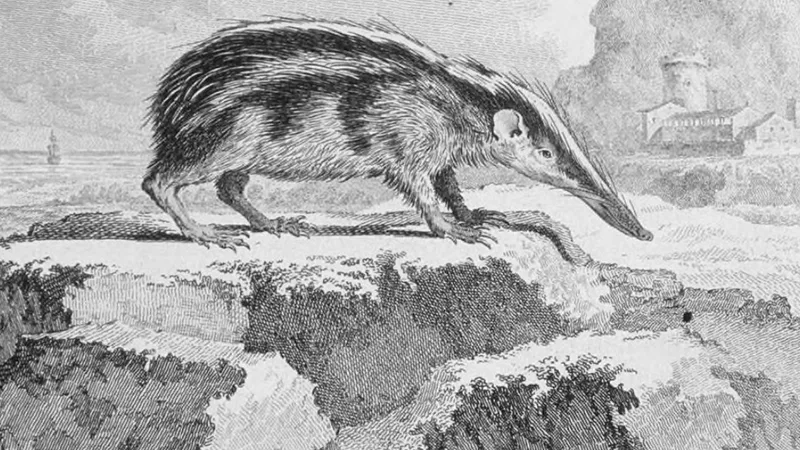
Lowland Streaked Tenrec
A black-and-yellow striped Madagascan tenrec, roughly 125 to 280 g, with back quills that rub together to make high-frequency sound.
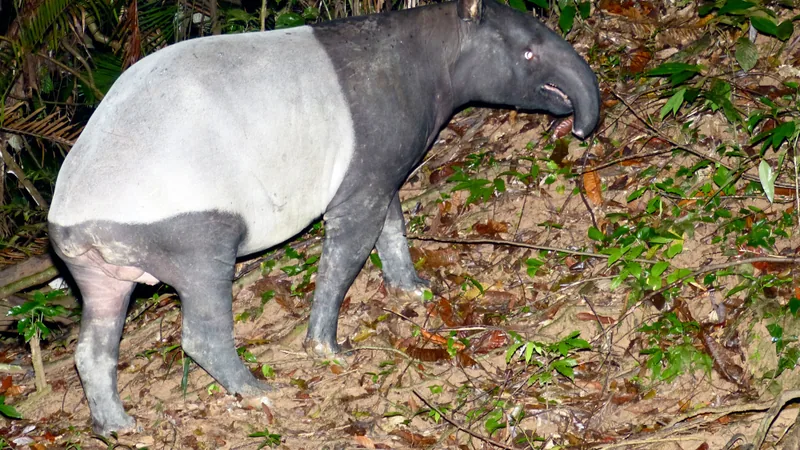
Malayan Tapir
Born striped, grown two-tone, and armed with a prehensile snout for plucking leaves.
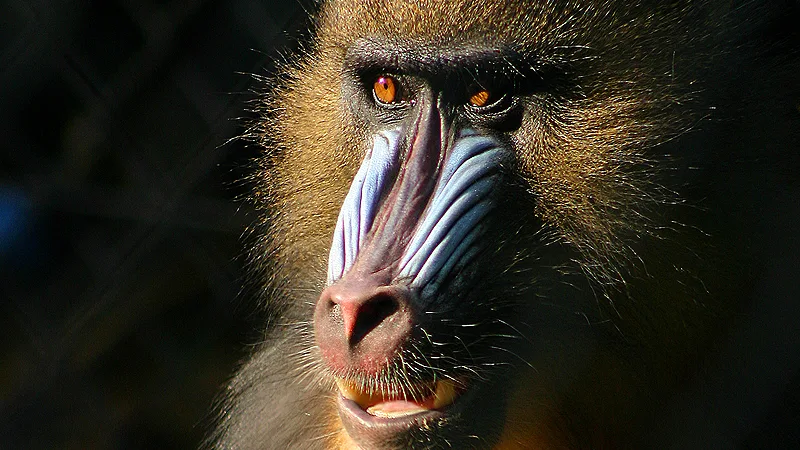
Mandrill
Males are the largest monkeys alive, with faces colored blue by light-scattering collagen and red by blood, and canine teeth whose length tracks their breeding years.
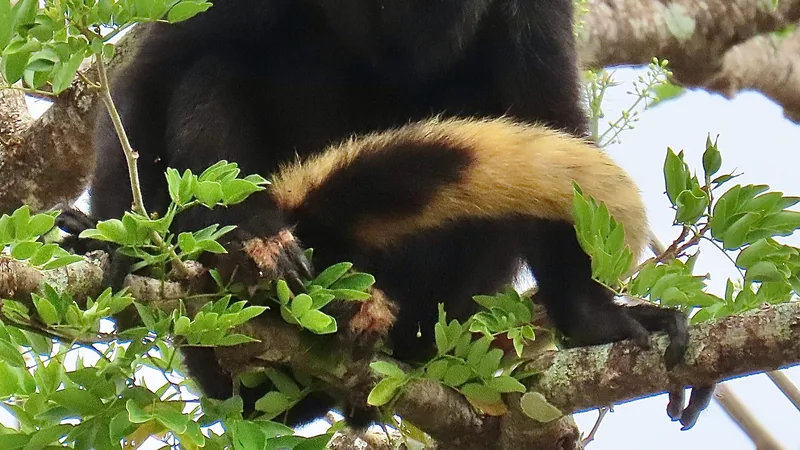
Mantled Howler Monkey
A leaf-eating monkey whose males' calls seem to help keep neighbouring troops apart.
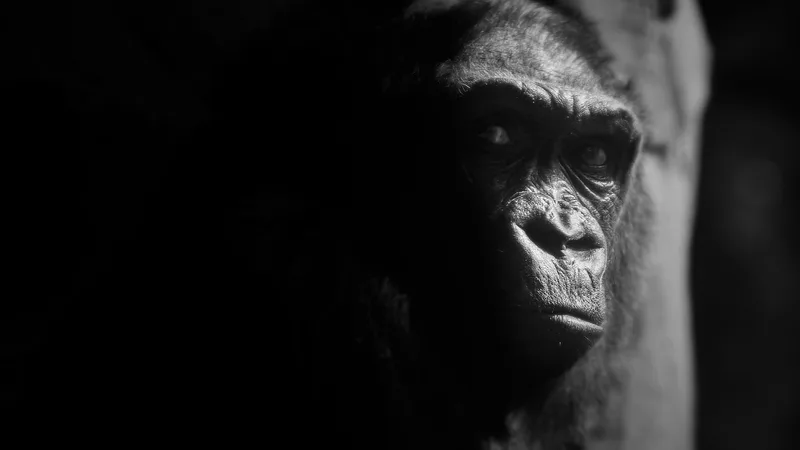
Mountain Gorilla
Up to 220 kilograms of plant-eating ape, a chest beat heard more than a kilometer away, and the only great ape whose numbers are growing.
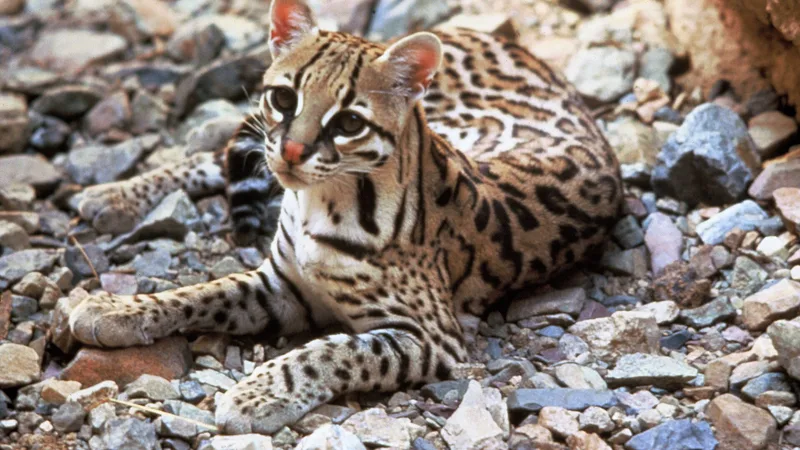
Ocelot
Dark spots that sometimes link into chains across golden fur, on a solitary night hunter whose eyes see much better in the dark than ours.
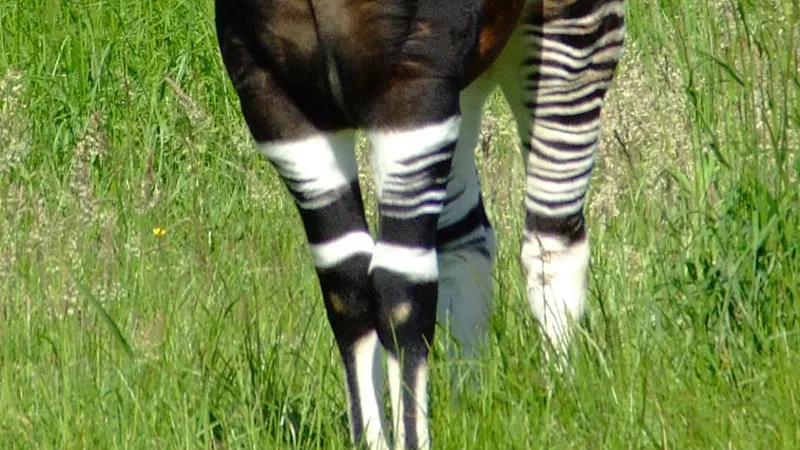
Okapi
Zebra-striped legs, a tongue that can reach past a foot, and the giraffe's only close living relative, unknown to scientists until 1901.
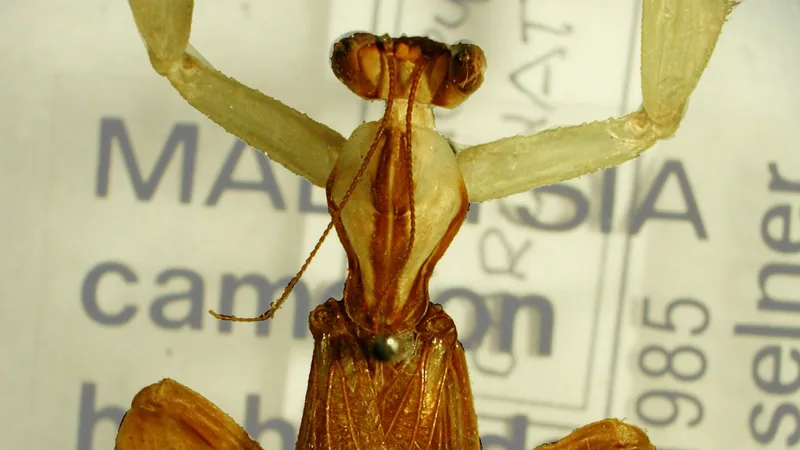
Orchid Mantis
Flower-colored to a bee's eyes, it draws in wild pollinators at a higher rate than real flowers do, then catches them.
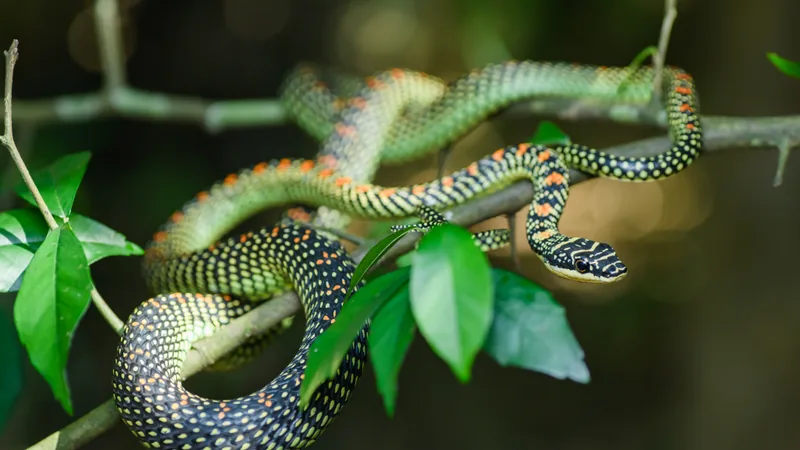
Paradise Flying Snake
The tree-dwelling serpent that splays its ribs and flattens its body into a triangular lifting surface when it glides.