Ocean
Master of open marine waters, balancing salinity through osmoregulation and traversing major planetary currents.
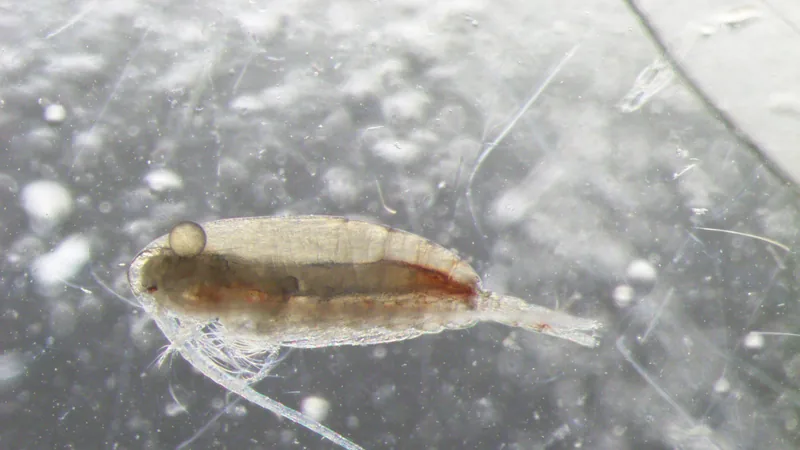
Calanus Copepod
A small North Atlantic copepod whose oil sac fuels a winter sleep in deep water.
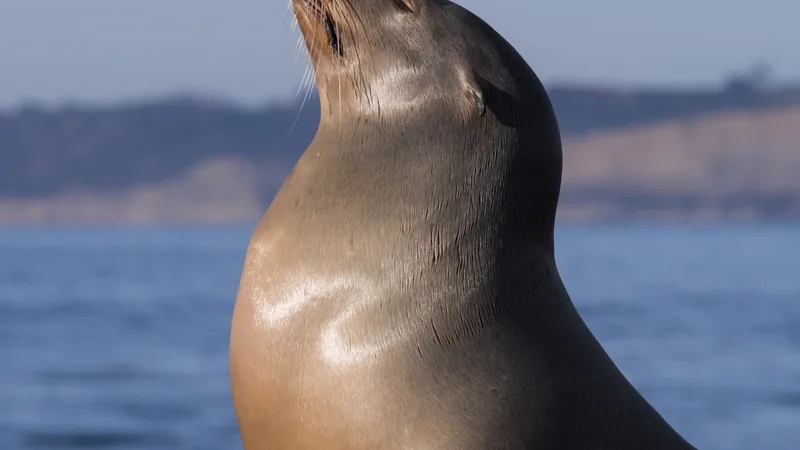
California Sea Lion
Males bark like dogs, and a mother can find her pup among hundreds by its call.
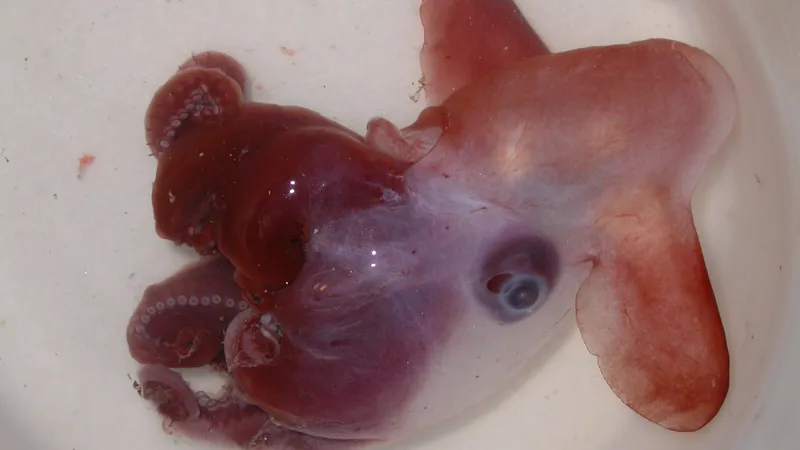
Casper Octopus
The nearly translucent deep-sea octopod that nobody has named, because nobody has ever caught one.
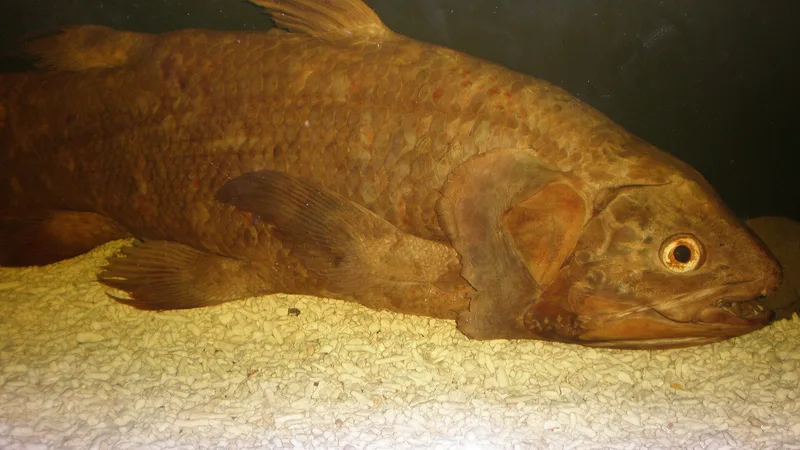
Coelacanth
Thought to have gone extinct over 65 million years ago, then found alive in 1938, with fleshy fins that move like a four-legged animal's legs and a pregnancy of around five years, possibly the longest of any vertebrate.
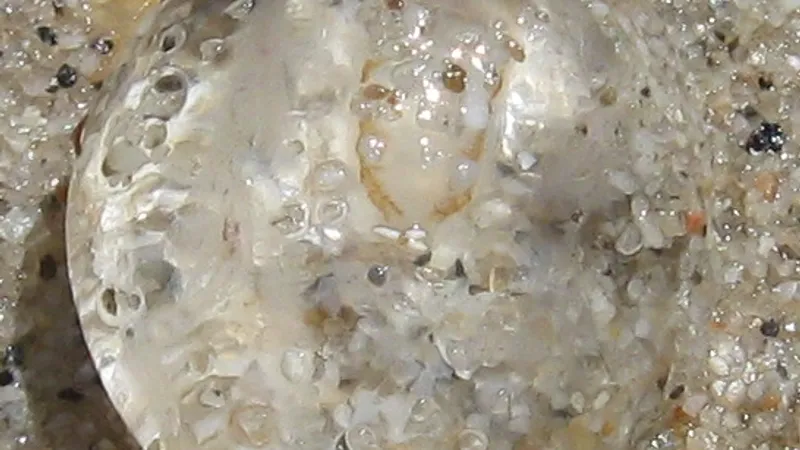
Comb Jelly
The predator that pulses with rainbow diffraction along its beating ciliary comb rows, and not one flicker of it is bioluminescence.
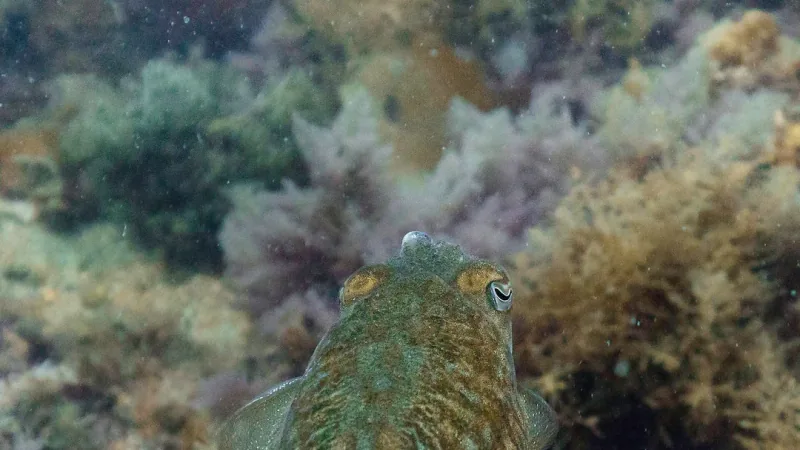
Common Cuttlefish
A color-blind ocean shapeshifter that reads polarized light and turns its skin from smooth to spiked in moments.
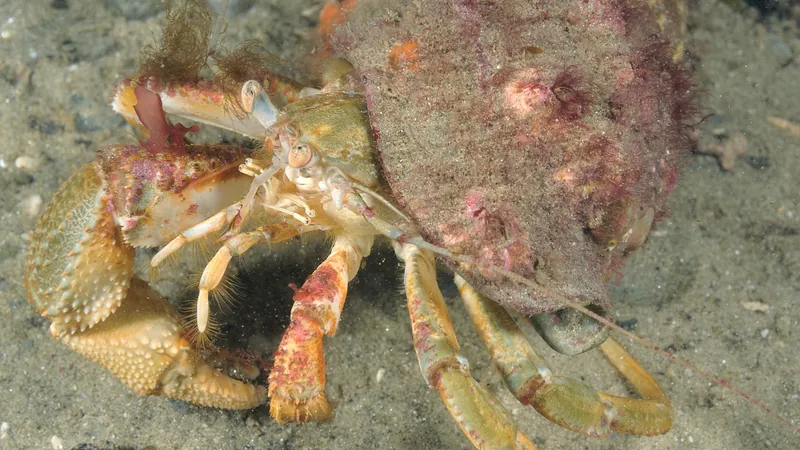
Common Hermit Crab
A scavenger that lives in an empty sea snail shell and raps on rivals' shells to try to take over better ones.
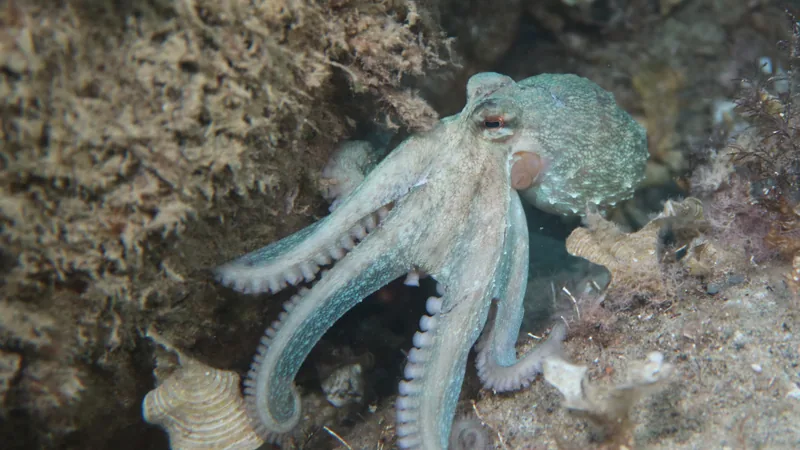
Common Octopus
A shallow-water hunter whose colour-changing skin is run by over half a million neurons, yet which is estimated to live one to two years.
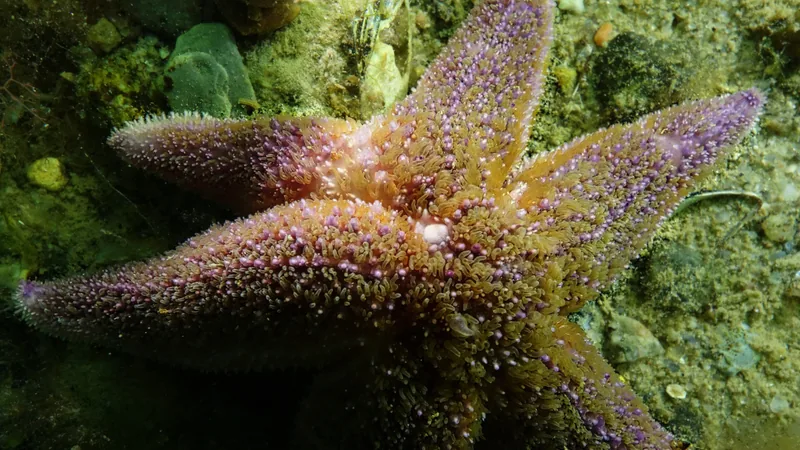
Common Starfish
A headless starfish that pries open mussels with its suction feet, then pushes its stomach inside the shell to digest them.
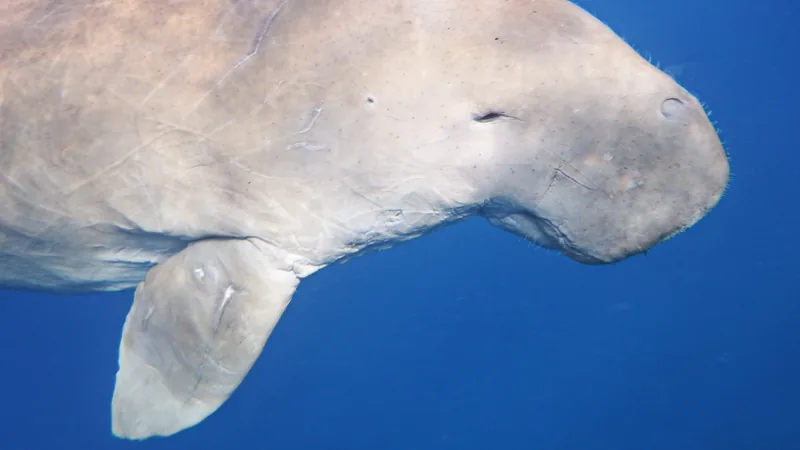
Dugong
A sea cow that rips up seagrass with a flexible upper lip and may live more than 50 years.
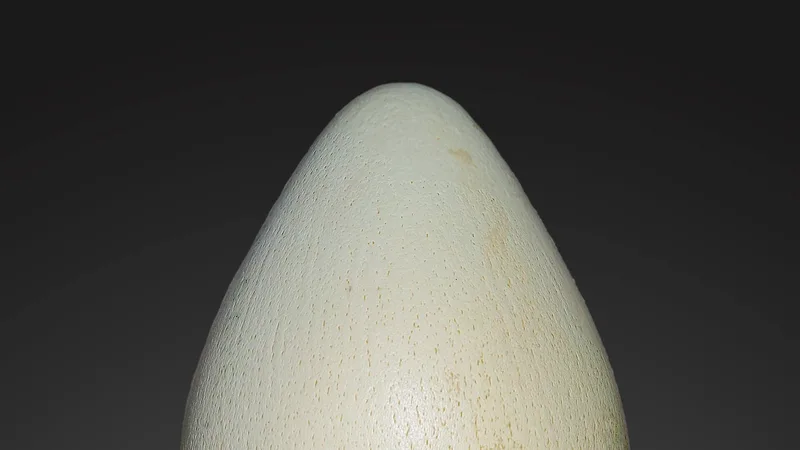
Emperor Penguin
Antarctic wind chills down to minus 60, dives past 500 meters, and months of fasting while the male alone incubates the egg.
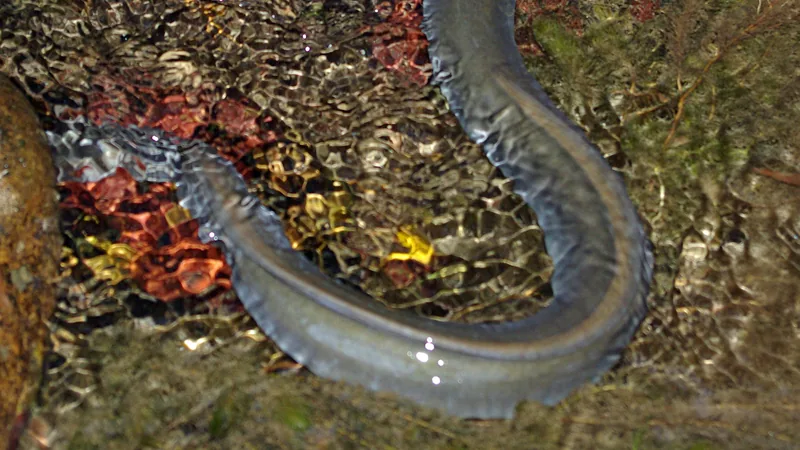
European Eel
A river fish thought to spawn only in the Sargasso Sea, after a 5,000 to 10,000 km migration, though its spawning has never been observed.
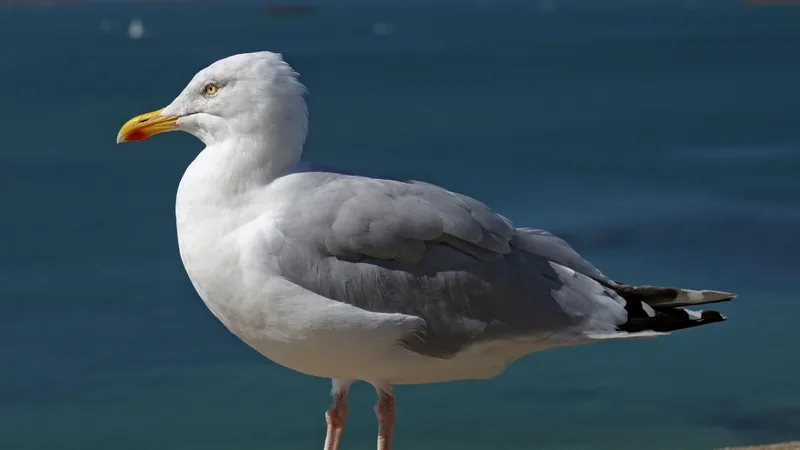
European Herring Gull
A large, pink-legged gull that paddles its feet on the ground to bring worms up, and now nests on rooftops as well as cliffs.
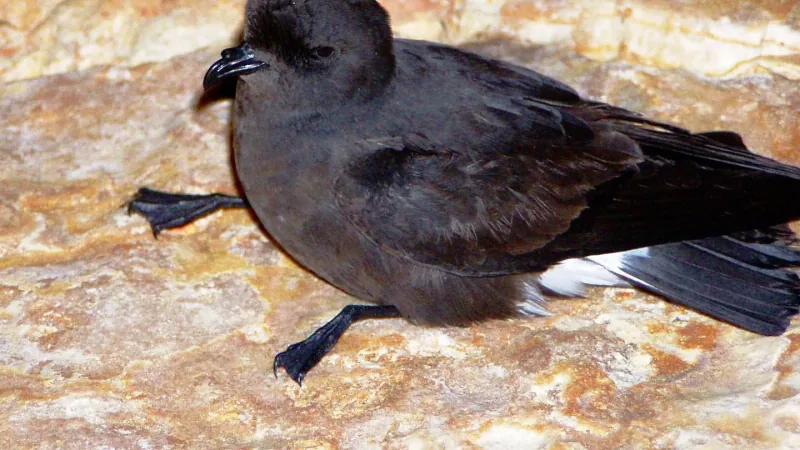
European Storm Petrel
The Atlantic's smallest seabird, weighing about 25 grams but migrating from the north-east Atlantic to winter off southern Africa.
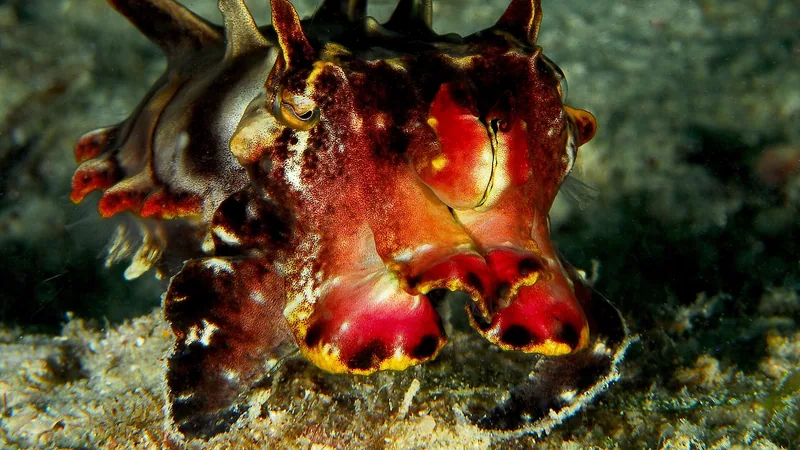
Flamboyant Cuttlefish
Bottom-walking cephalopod that sends color waves across its skin and flashes warning colors to advertise its venom.
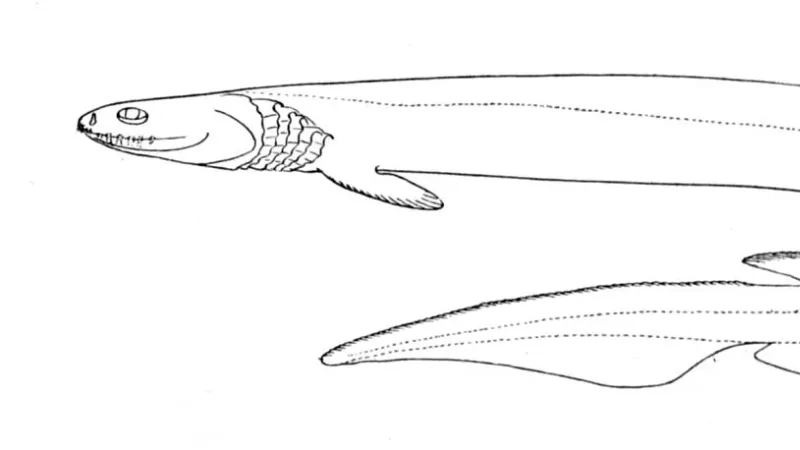
Frilled Shark
A slow-swimming, six-gilled deep-sea shark whose lineage is estimated at 82 million years old and whose pregnancy may run three and a half years.
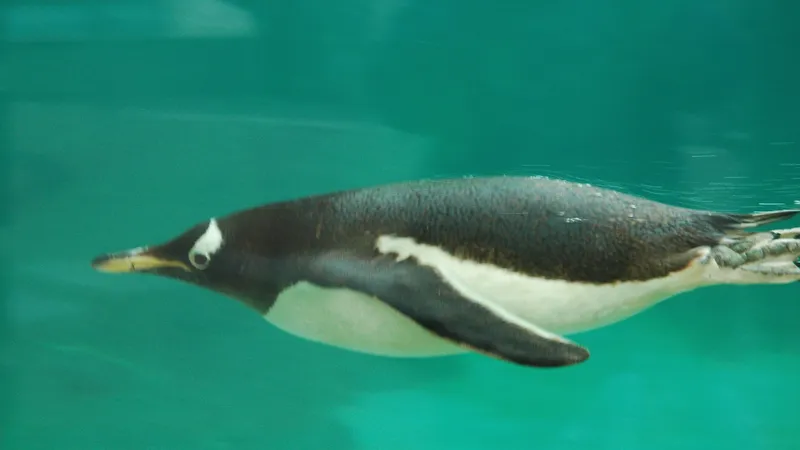
Gentoo Penguin
A penguin whose tracked deep dives averaged 80 metres, whose nest can hold over 1,700 pebbles, and which one 2020 study proposes splitting into four species.

Geography Cone Snail
Reef hunter whose venom insulin, released into the water, appears to disorient schools of small fish before the snail engulfs them and harpoons them with a hollow venom tooth.
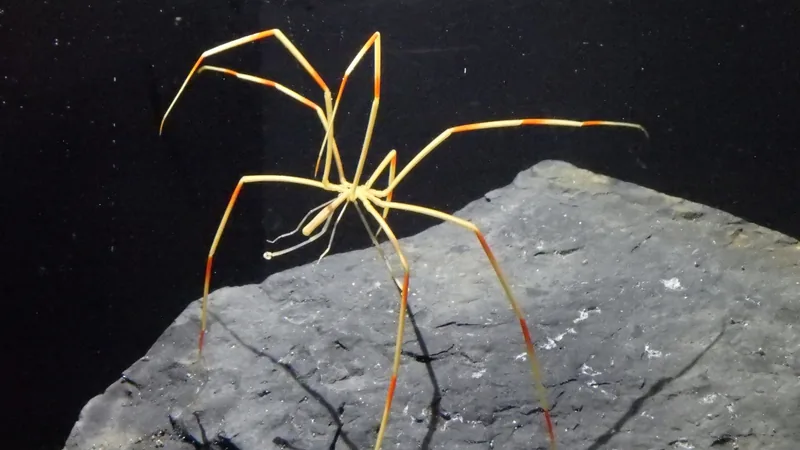
Giant Antarctic Sea Spider
A giant sea spider of the Southern Ocean that, like all sea spiders, has no gills, and feeds on open-water animals.
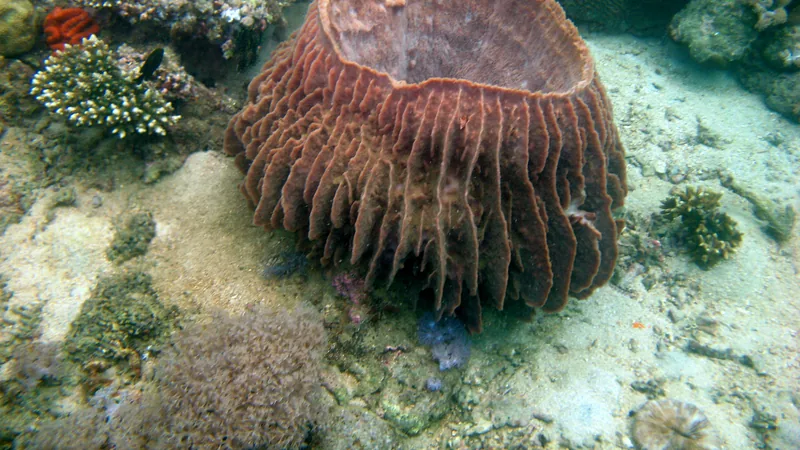
Giant Barrel Sponge
The "redwood of the reef": a pump-feeding barrel that may top a meter, and studies suggest it may live for thousands of years.

Giant Clam
The largest living bivalve gets most of its nutrients from algae living in its flesh.
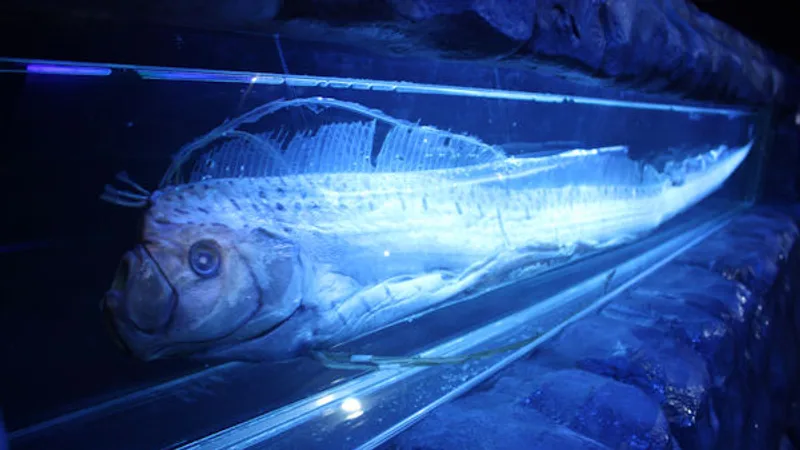
Giant Oarfish
A silver ribbon reliably documented to 8 meters, with a red dorsal fin along its whole length, seen swimming upright in the open ocean.
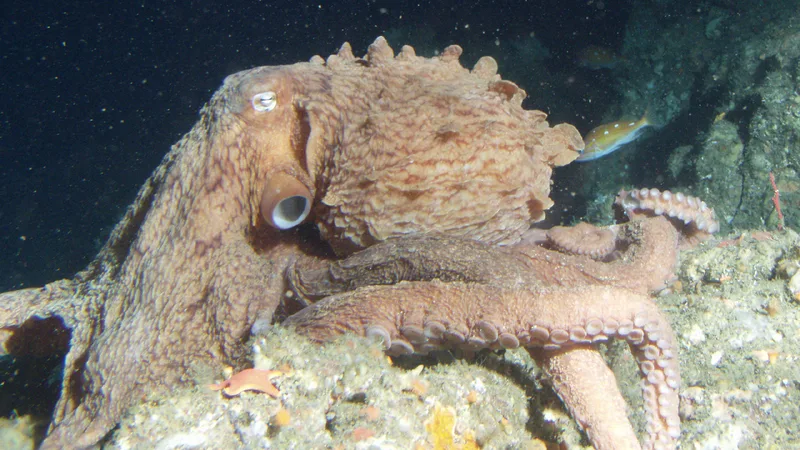
Giant Pacific Octopus
Three brains, three hearts, blue copper blood, and skin that changes color and texture.
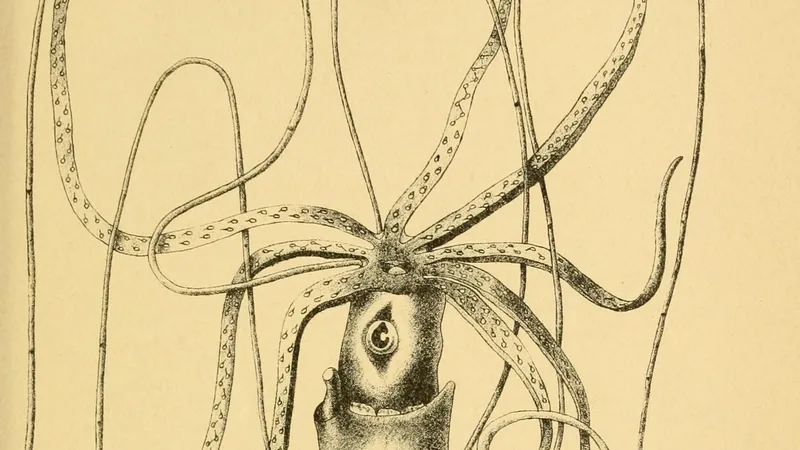
Giant Squid
The longest cephalopod. The longest one scientifically verified measured 12 m.