Near Threatened (NT)
Species that do not yet qualify as threatened but are close enough to be watched carefully.

African Buffalo
A heavyweight, cow-like grazer whose bulls sometimes chase lions into trees.

American Bison
North America's largest land animal, up to 2,400 pounds of it, and a lone wolf that attacks an adult catches it only about once in 100 tries.

Armadillo Girdled Lizard
Heavily armored Karoo lizard that bites its own tail and curls into a spiky ball when threatened.
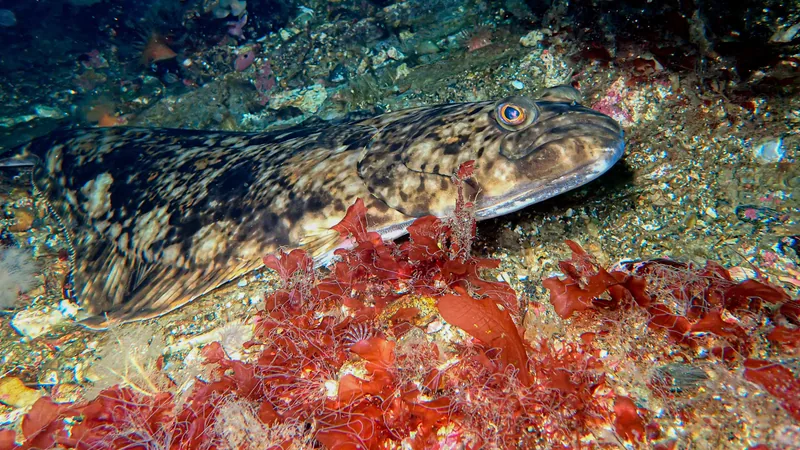
Atlantic Halibut
The world's largest flatfish, and a fish that moves one of its eyes across its head.
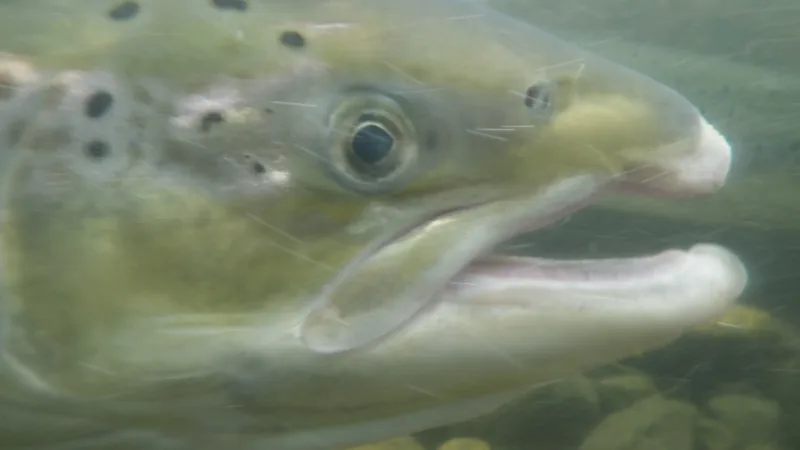
Atlantic Salmon
Hatches in a river, grows up in the ocean, and finds its way home by the chemistry of its birth stream.

Ball Python
A generally calm python that wraps itself into a tight ball when threatened and can go weeks to months between meals.
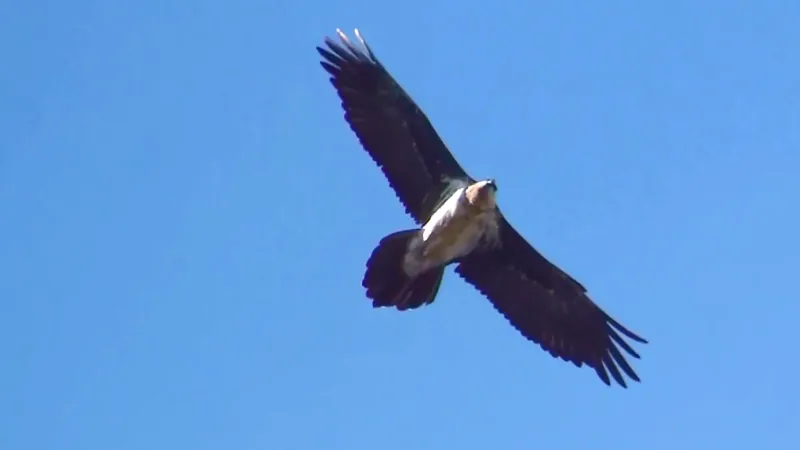
Bearded Vulture
One of the few vertebrates that lives mostly on bone, which it breaks open by dropping it from the sky and digests in a stomach whose pH could be below 1.

Duck-Billed Platypus
An egg-laying mammal with venomous spurs and an electric sense in its bill, once thought to be a taxidermist's hoax.
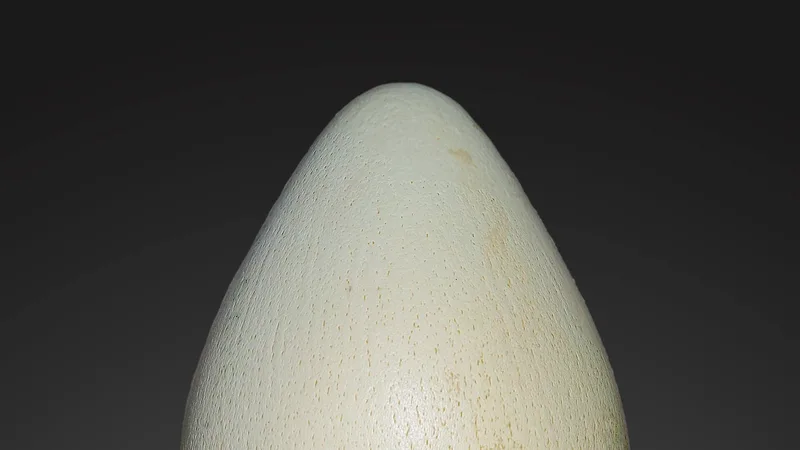
Emperor Penguin
Antarctic wind chills down to minus 60, dives past 500 meters, and months of fasting while the male alone incubates the egg.
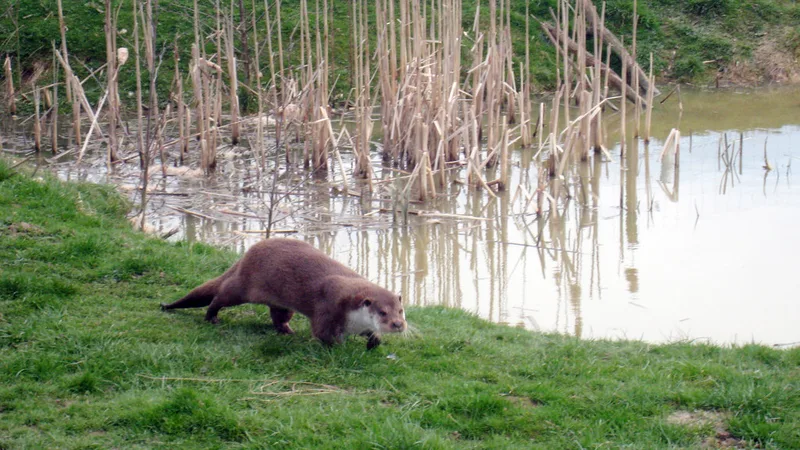
Eurasian Otter
Whiskers that sense a fish moving through the water, a scent-marked calling card called a spraint, and a river range that stretches from Britain to Japan.
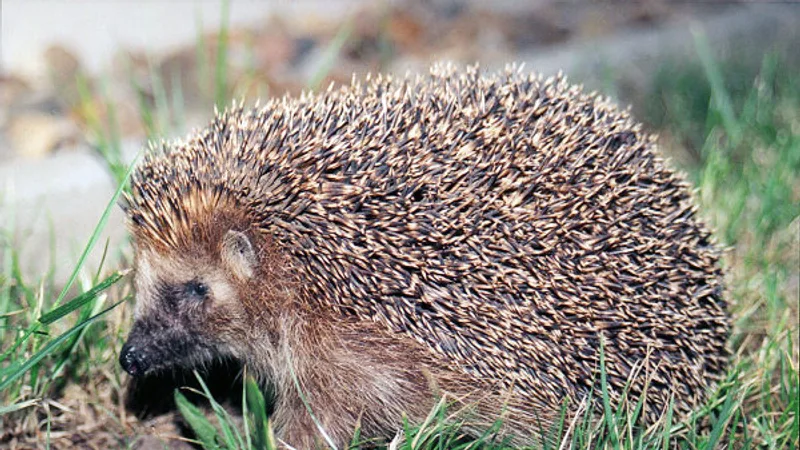
European Hedgehog
Around six thousand keratin spines, a back muscle that lets them all stand on end at once, and 1 to 2 km of travel a night.
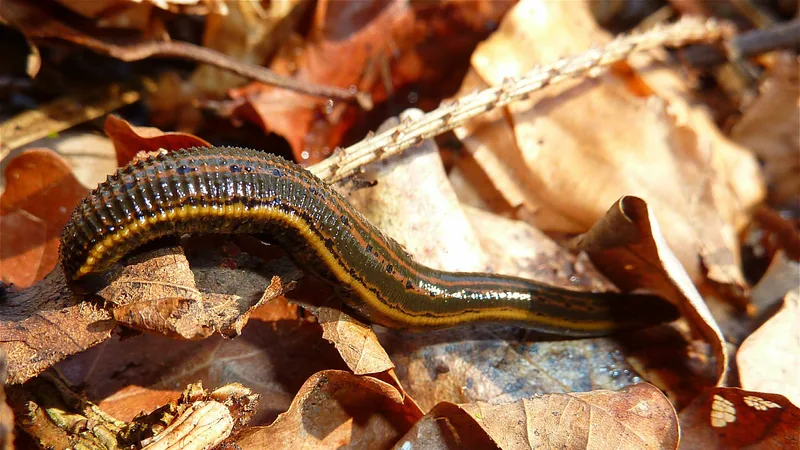
European Medicinal Leech
A three-jawed pond blood-drinker that can go 12 to 18 months between meals and was overharvested for medicine.
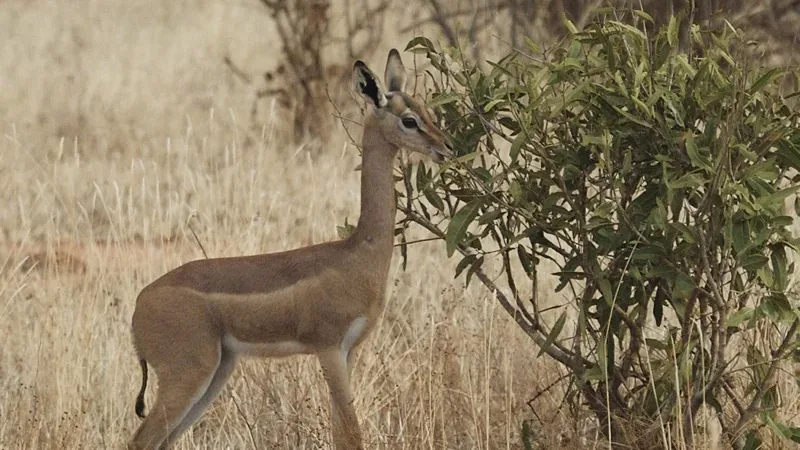
Gerenuk
A bipedal antelope of Africa's dry thornbush that rears onto its hind legs to reach leaves other antelope can't, and does not drink standing water, relying instead on the succulent plants it eats.
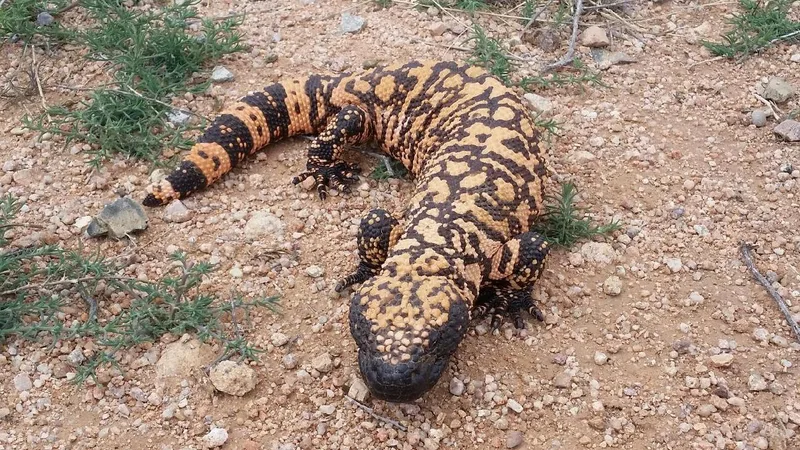
Gila Monster
Bead-armored venomous lizard, grooved chewing teeth, and Sonoran Desert survivor.
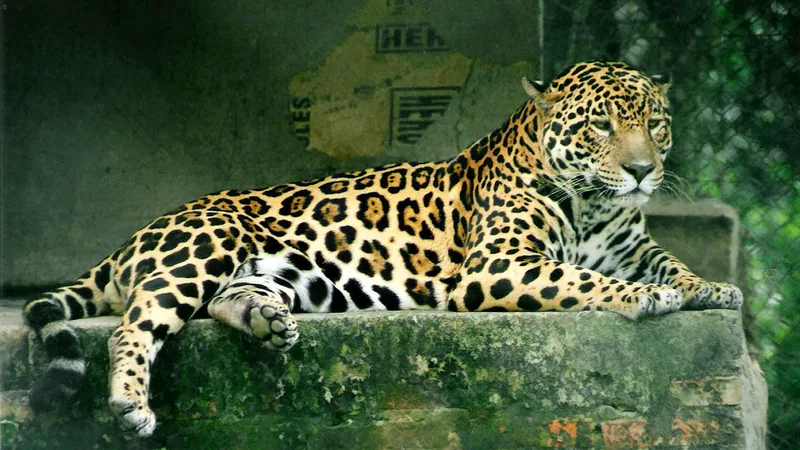
Jaguar
Skull-piercing jaws, a powerhouse swimmer, and the largest cat in the Americas.
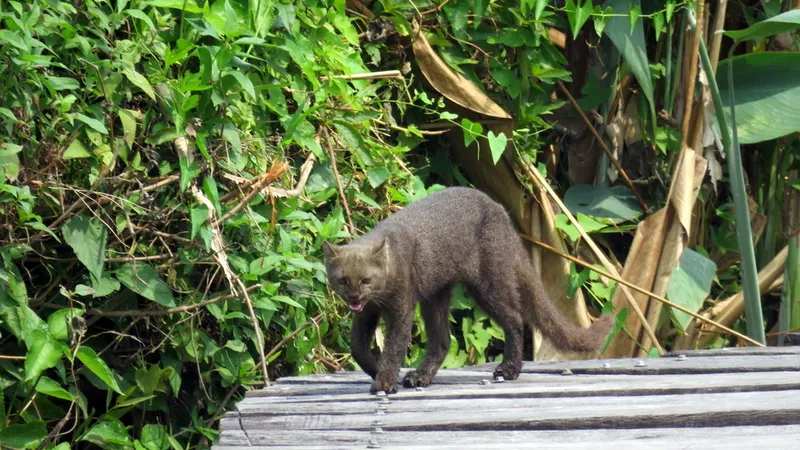
Jaguarundi
Weasel-shaped cat with a bigger vocal repertoire than any other cat in its range, active by day while the margay works nights.
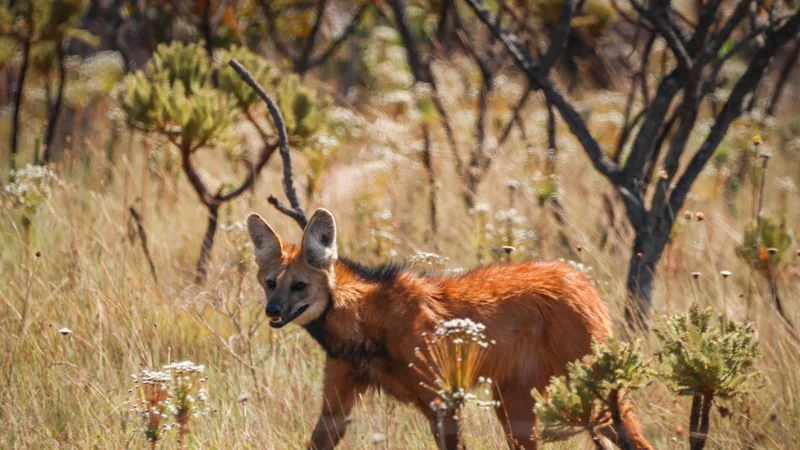
Maned Wolf
Stilt-legged golden canid of the cerrado that sees over tall grass and marks its territory with urine that reminds many people of a skunk.
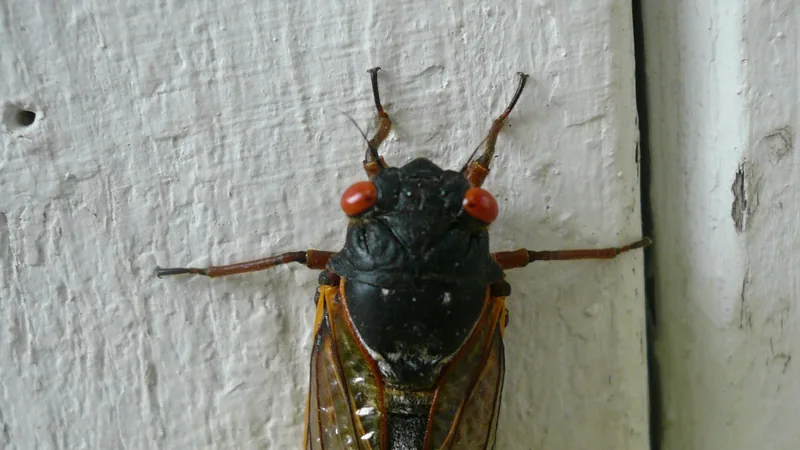
Periodical Cicada
17 years underground, then a few remarkably loud weeks
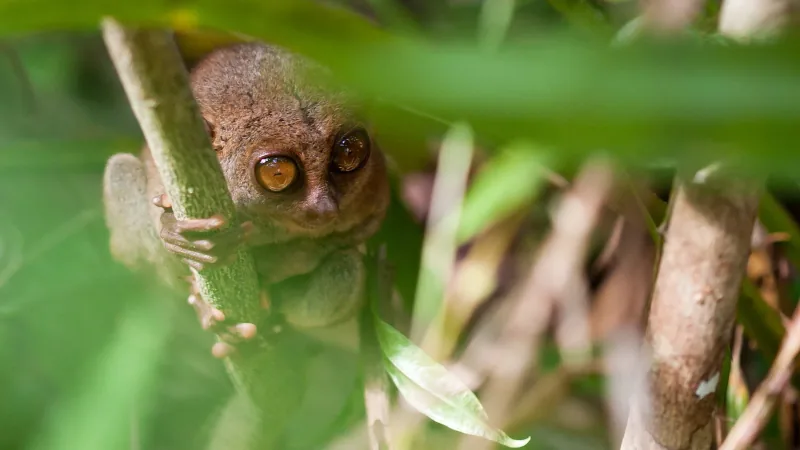
Philippine Tarsier
Hand-sized night primate with the largest eyes for its body of any mammal, a head that turns 180 degrees, and legs built for jumping.
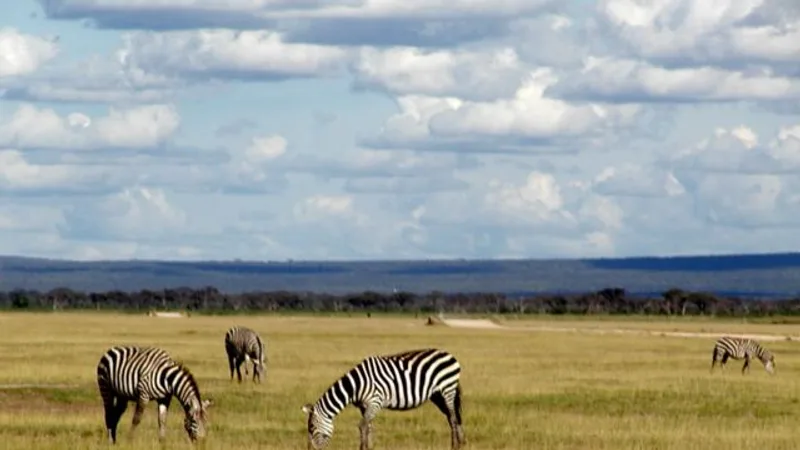
Plains Zebra
Stripes linked to biting flies, a coat as unique as a fingerprint, and a yearly Serengeti trek of around 2,900 kilometers.
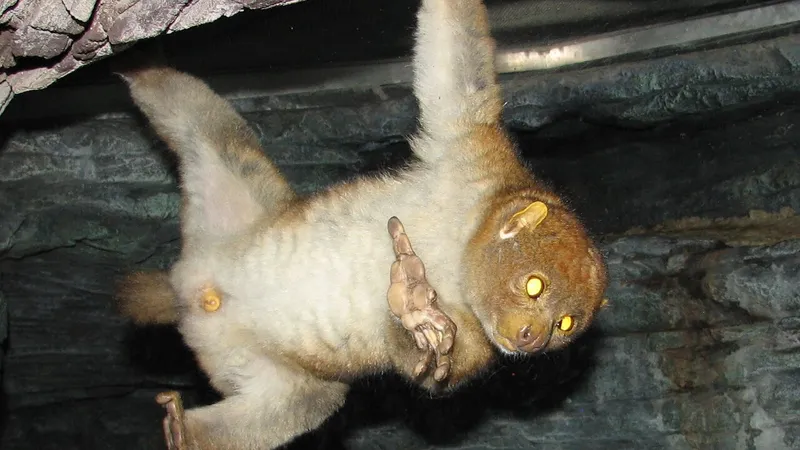
Potto
A slow, silent nocturnal primate that can hold still on a branch for long periods without fatigue, and presents predators with a shield of elongated neck-vertebra spines.
Resplendent Quetzal
A cloud forest trogon revered by pre-Columbian cultures, whose males grow iridescent tail plumes up to 90 centimeters long.
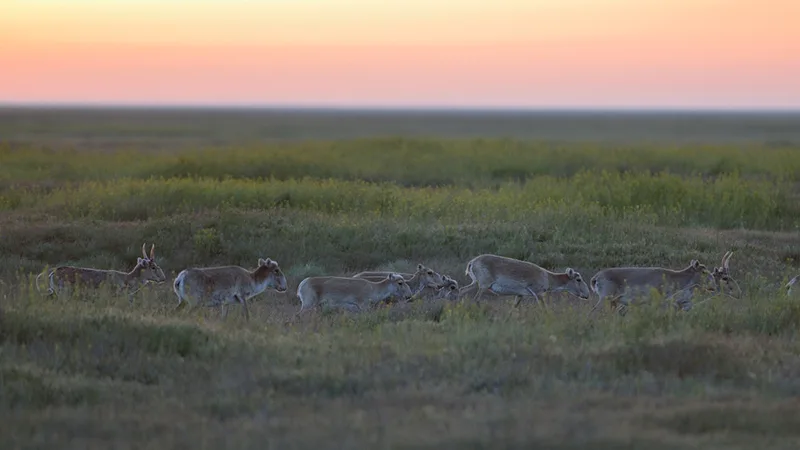
Saiga Antelope
An inflatable nose, loud nasal roars, and an Ice Age survivor of the Eurasian steppe.
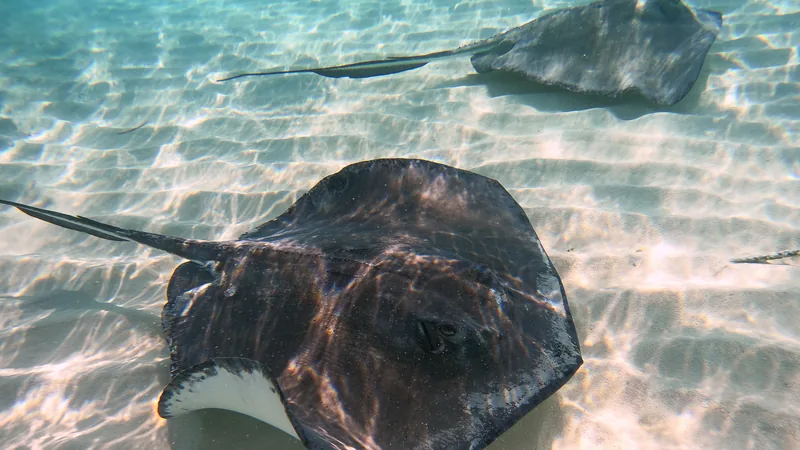
Southern Stingray
A diamond-shaped digger that flaps its fins to uncover prey and finds it by its electric field.
Conservation categories are from the IUCN Red List of Threatened Species. AnimalTracks is independent of IUCN.