Snakes
Limbless tactical predators with kinetic skull bones, heat-sensing pits, and biochemical venom.
Serpentes
Snakes abandoned limbs over 100 million years ago, transforming their bodies into flexible, muscular hunting engines. With skulls featuring up to eight independently moving jaw joints, infrared pit organs, and advanced chemical delivery fangs, they hunt across every non-polar habitat.
Key Evolutionary Adaptations
Jaws connect via flexible ligaments rather than rigid bone hinges, swallowing prey up to three times wider than the head.
Pit vipers possess facial loreal pit organs that detect infrared thermal radiation differences down to 0.003 degrees Celsius.
Venom cocktails combine neurotoxins that paralyze the nervous system and hemotoxins that destroy circulatory walls.
All Snakes

Ball Python
A generally calm python that wraps itself into a tight ball when threatened and can go weeks to months between meals.

Black Mamba
Its scales are olive-brown, but the inky black mouth it flashes when cornered backs a venom that attacks the nervous system two ways at once.

Boa Constrictor
A nonvenomous snake that stops its prey's heart from pumping, and one mother on record who had daughters with no father.

Boomslang
Giant round eyes, a 180-degree gape, and venom that turns the blood against itself.
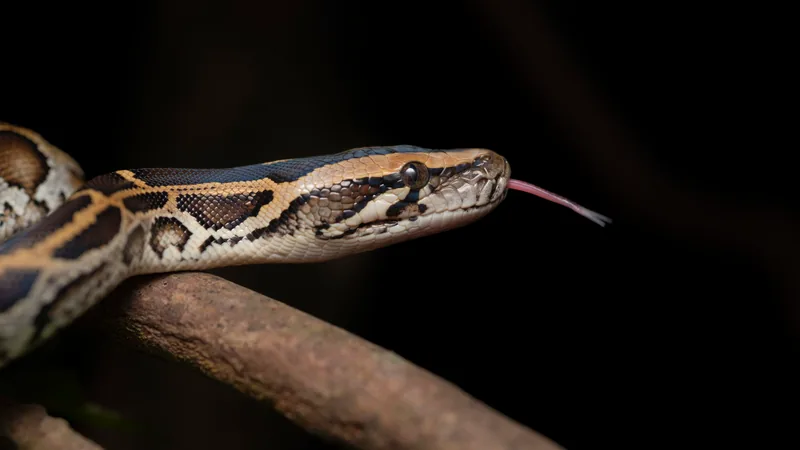
Burmese Python
A giant constrictor with stretchy jaws, and the Everglades invader linked to a 99.3 percent drop in raccoon sightings.
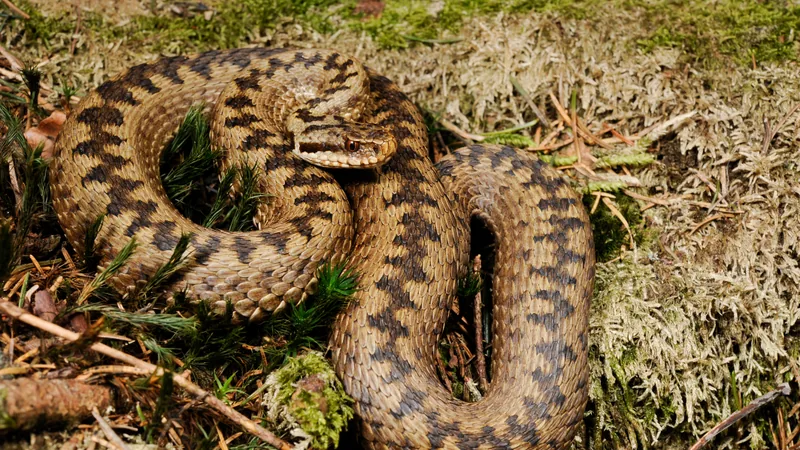
Common European Adder
A zigzag-backed viper that lives from Britain to the Pacific and is the only snake north of the Arctic Circle in Scandinavia.
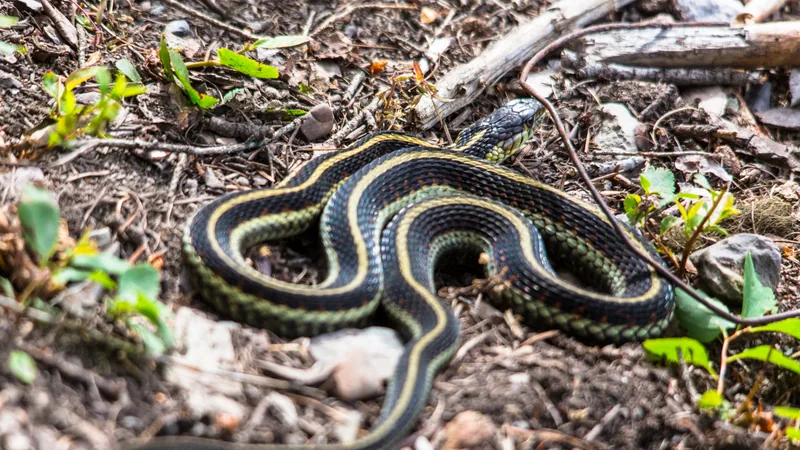
Common Garter Snake
A North American snake, some of whose populations have evolved resistance to the toxin of the newts they eat.
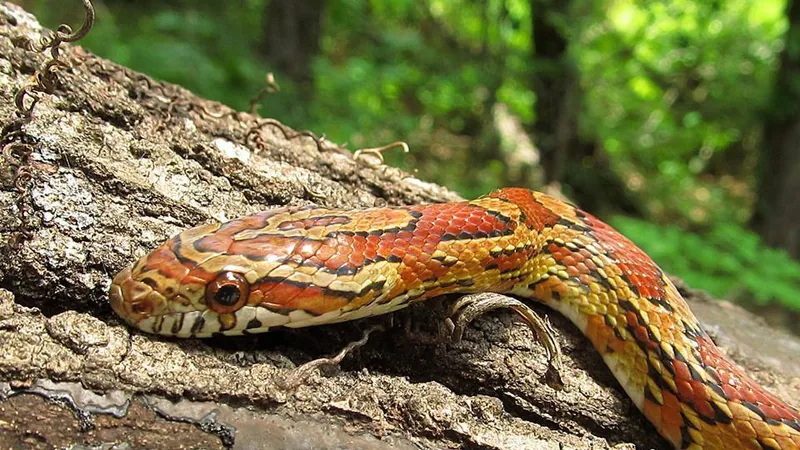
Corn Snake
The most commonly bred pet snake, and a lab model for how reptiles get their colours.
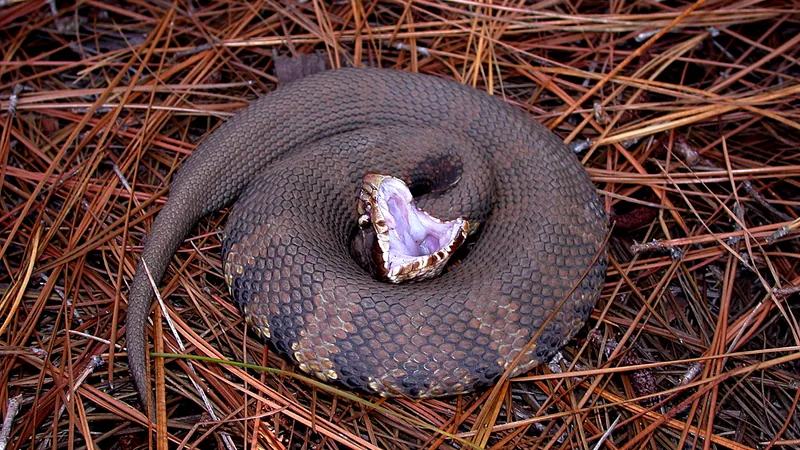
Cottonmouth
A swamp pit viper that warns with a wide-open white mouth and hunts on land and in water.
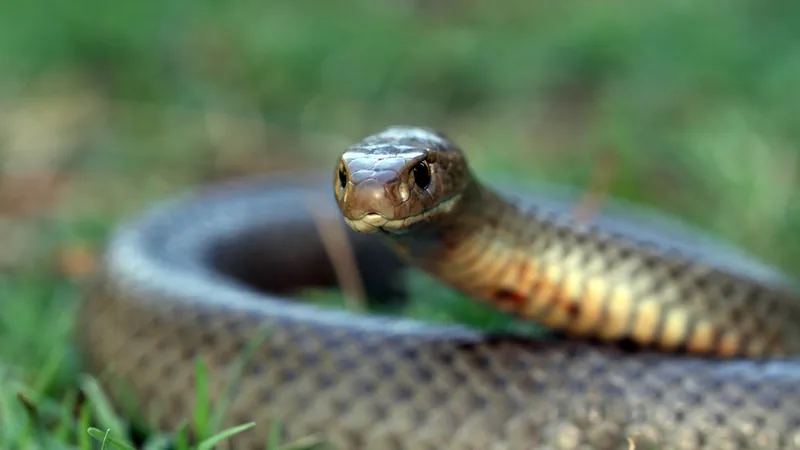
Eastern Brown Snake
Small fangs for an elapid its size, a modest average dose, and the second most toxic snake venom known.
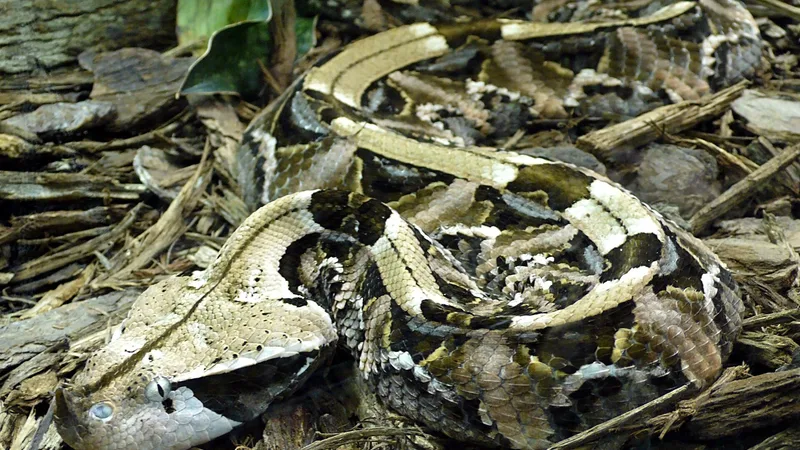
Gaboon Viper
Africa's largest viper has a head that mimics a fallen leaf, and the longest fangs of any venomous snake, up to 5 cm long.
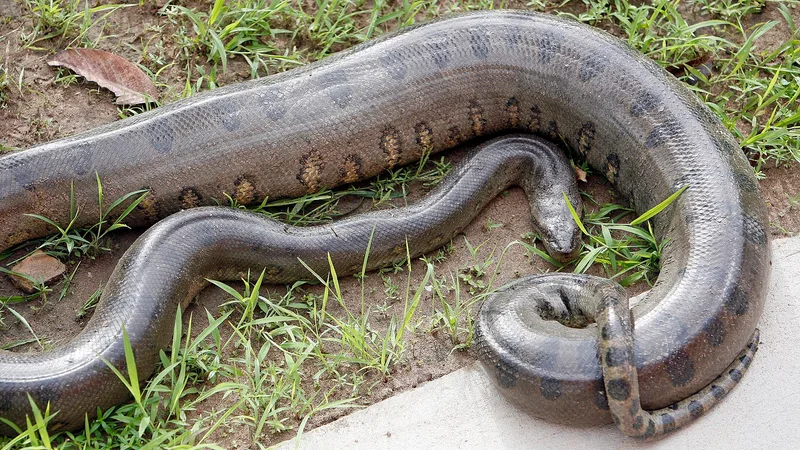
Green Anaconda
Up to 550 pounds of camouflaged ambush predator, with eyes and nostrils on top of its head, that kills with suffocating coils.
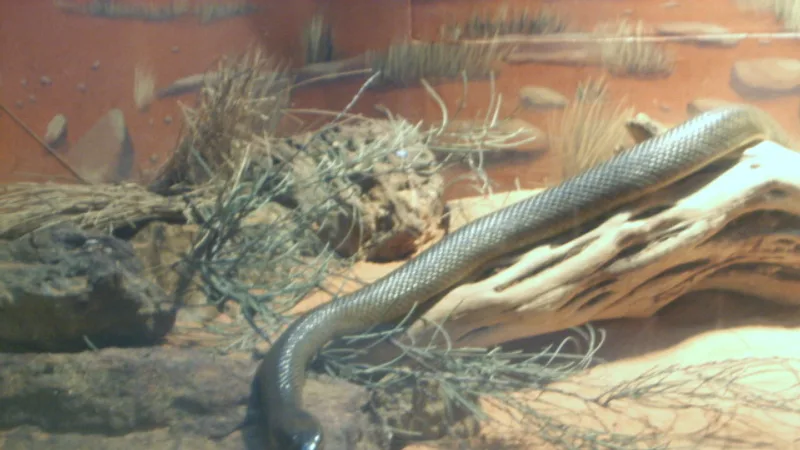
Inland Taipan
Rated the most toxic venom of any snake in lab tests on mice, carried by a shy snake whose handful of known bite victims all survived.
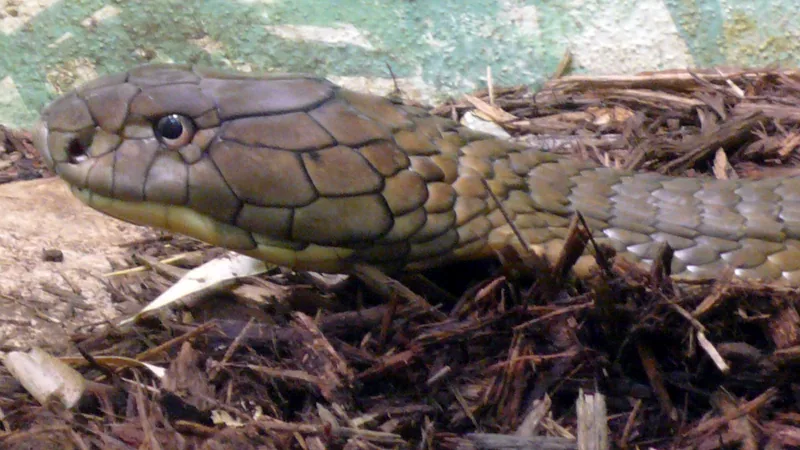
King Cobra
Up to eighteen feet of hooded crown, growling acoustic hiss, and specialized predator of other snakes.
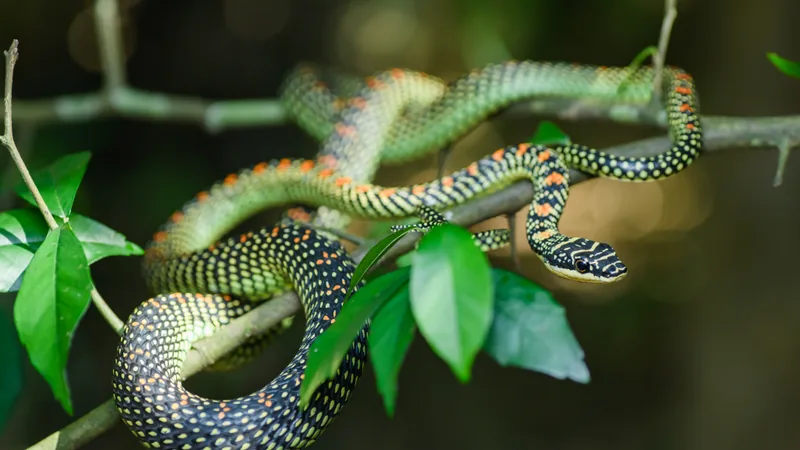
Paradise Flying Snake
The tree-dwelling serpent that splays its ribs and flattens its body into a triangular lifting surface when it glides.
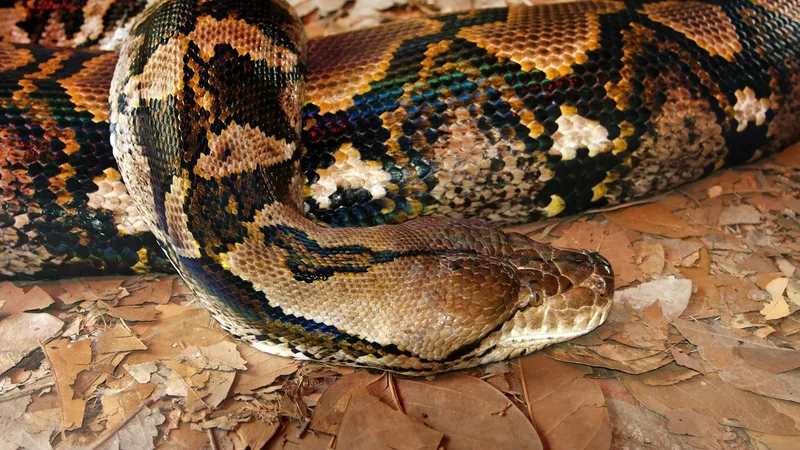
Reticulated Python
The longest python, up to 33 feet of snake with black X's running down its back in a diamond-like pattern.
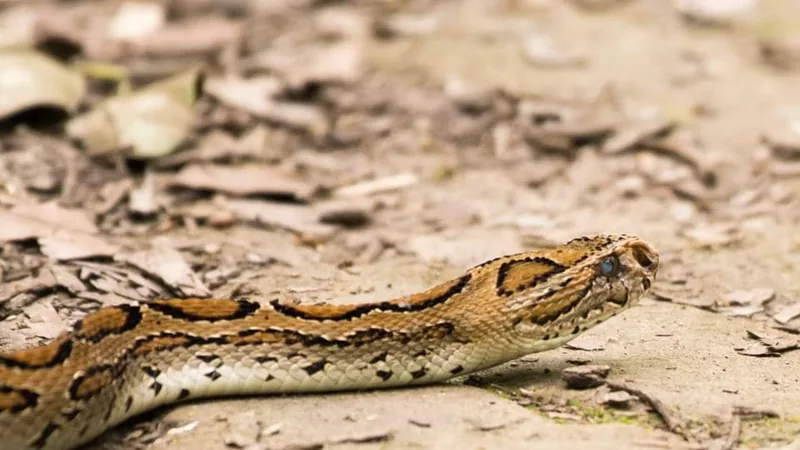
Russell's Viper
A South Asian viper whose venom varies across India, enough that one antivenom did poorly against snakes from the semi-arid north in mouse tests.
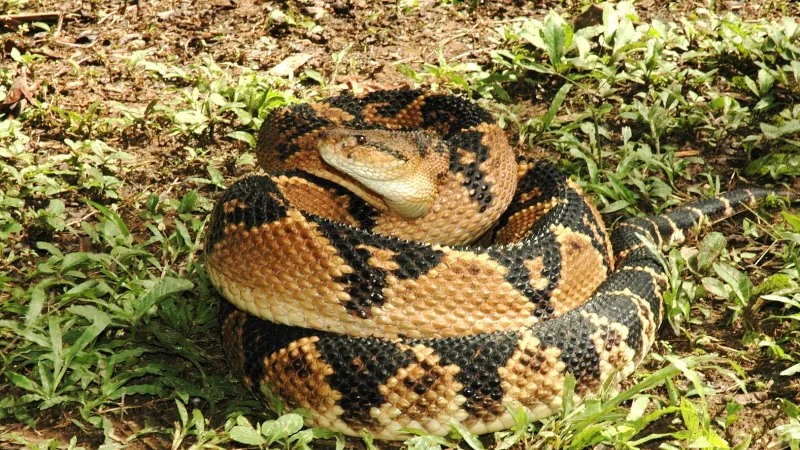
South American Bushmaster
The longest of all vipers, able to aim a strike in the dark by body heat alone, from the only pit vipers in the Americas that lay eggs.
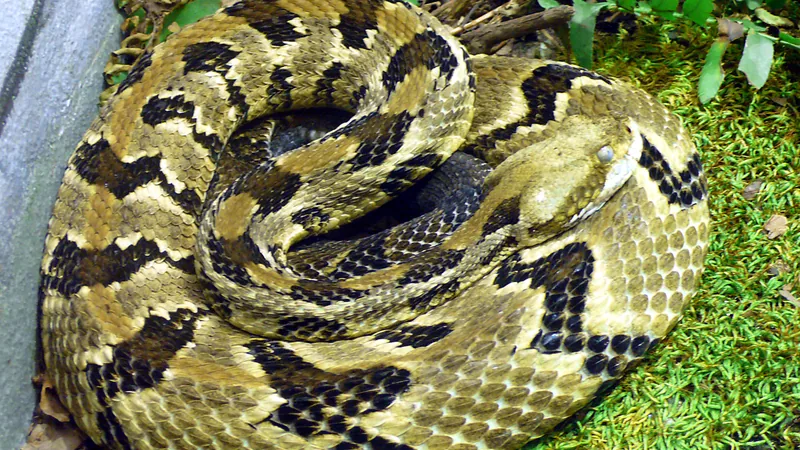
Timber Rattlesnake
The big eastern pit viper that senses heat, waits in ambush and rattles a warning first.
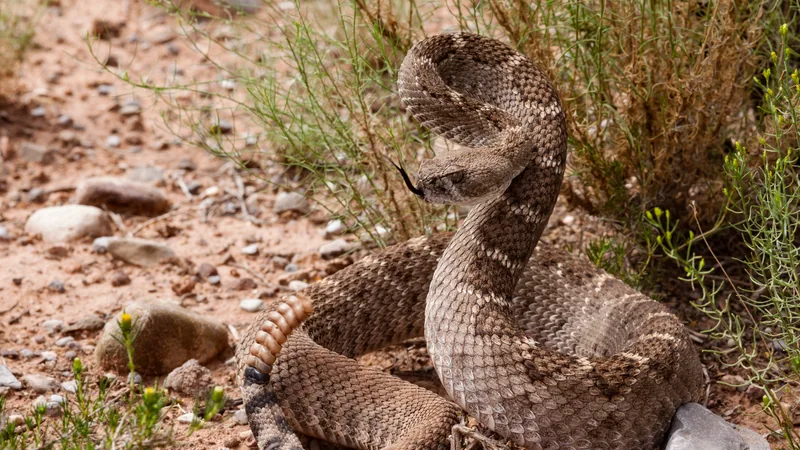
Western Diamondback Rattlesnake
A desert pit viper with a heat-sensing pit on each side of its head. In one study, fasting snakes lost 30% of their body mass over 168 days.