The Wildlife Encyclopedia
Explore all 545 species indexed across the encyclopedia. Every creature is paired with anatomical superpower breakdowns and musical subcultures.
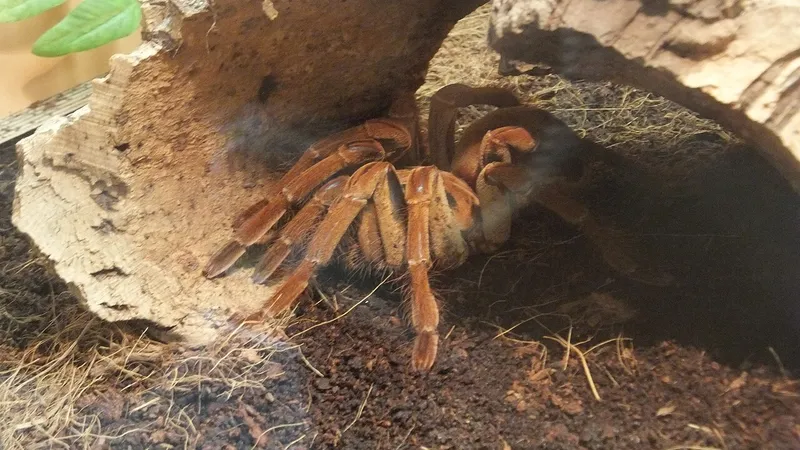
Goliath Birdeater
The heaviest spider in the world, a 6-ounce rainforest tarantula with fangs that can pierce human skin and stinging hairs it can release.
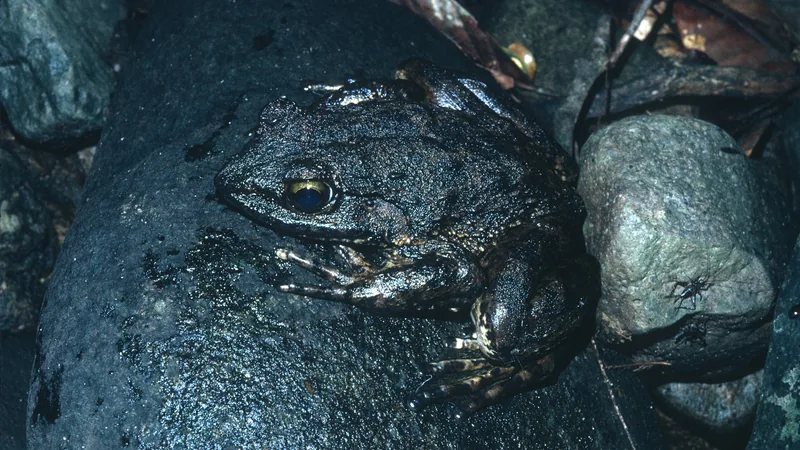
Goliath Frog
The largest frog in the world, where males haul rocks to build nests for their eggs.
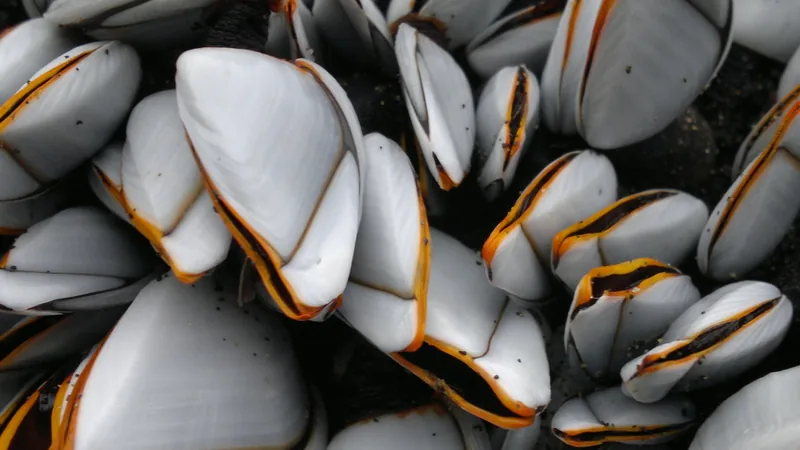
Goose Barnacle
A crustacean that glues itself to driftwood, buoys and turtles and rides them across the open ocean.
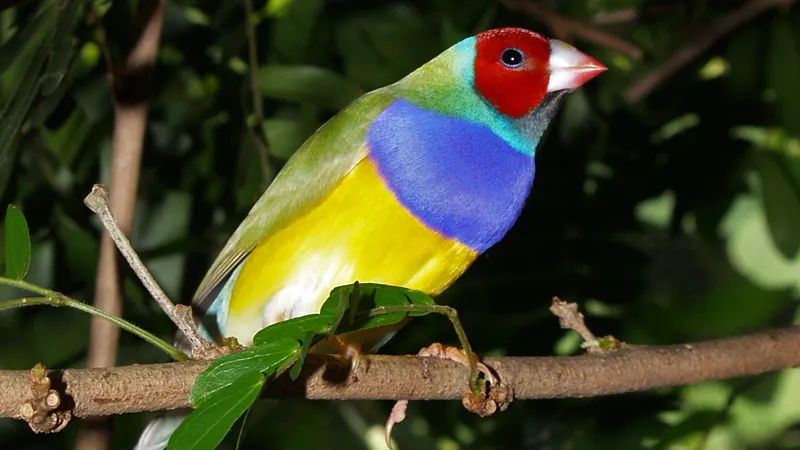
Gouldian Finch
A small Australian finch whose red or black head color traces to one stretch of DNA near the Follistatin gene, and whose chicks hatch with light-reflecting beak nodules that help their parents feed them in a dark hollow.
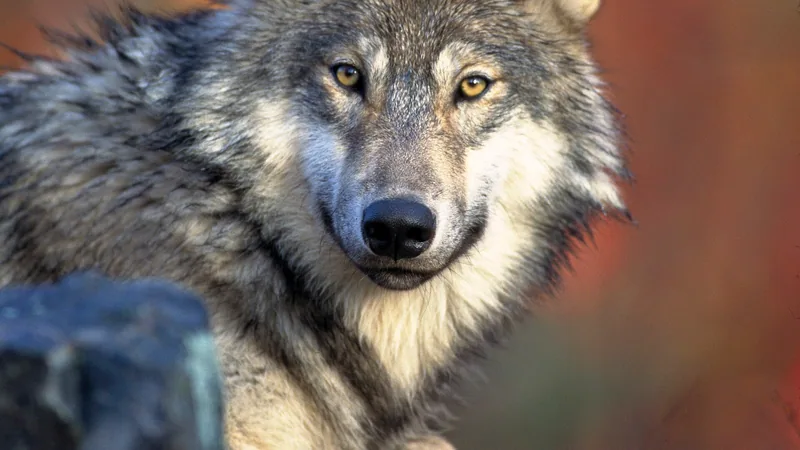
Gray Wolf
A keystone predator whose packs hunt down elk and moose, and whose howl can carry up to ten miles across Arctic tundra to pull the pack back together.
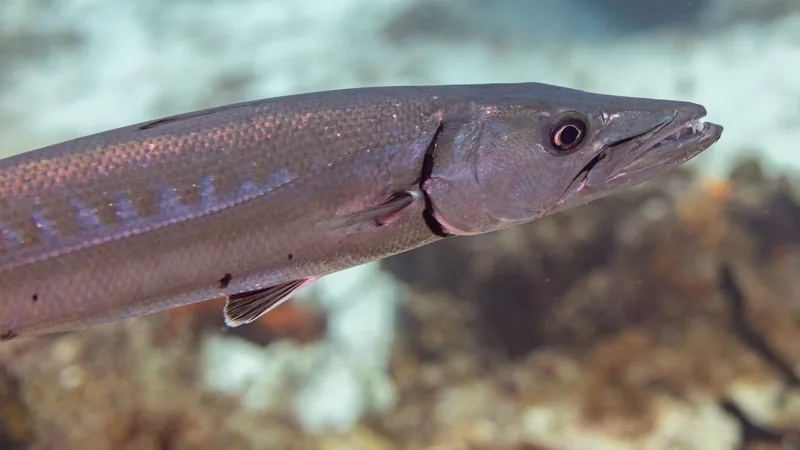
Great Barracuda
A long, tube-shaped hunter with two sets of razor-sharp teeth that chops big fish in half.
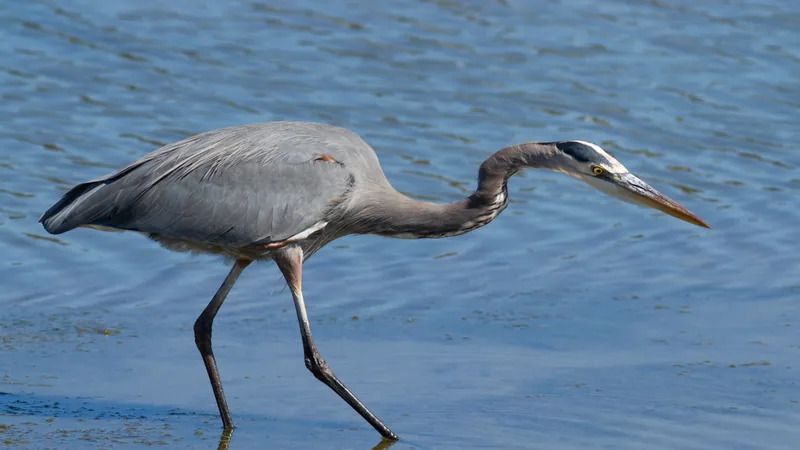
Great Blue Heron
Waits in shallow water, then strikes with a rapid thrust of the bill
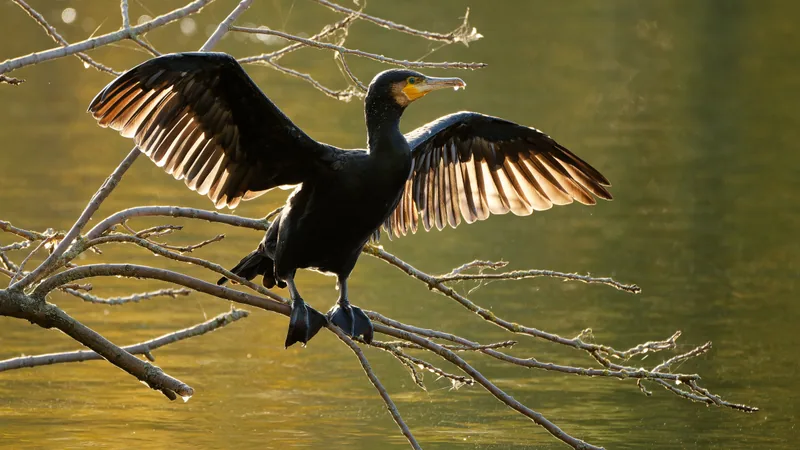
Great Cormorant
A fish-chasing diver with wettable feathers, which has to hang out its wings to dry.
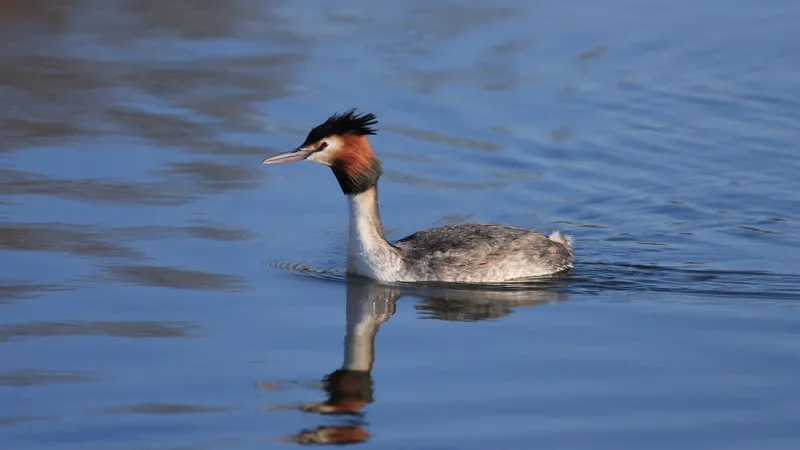
Great Crested Grebe
The diving bird whose courtship runs from paired head-shaking to a breast-to-breast 'Penguin-dance,' and whose chicks ride on their parents' backs.
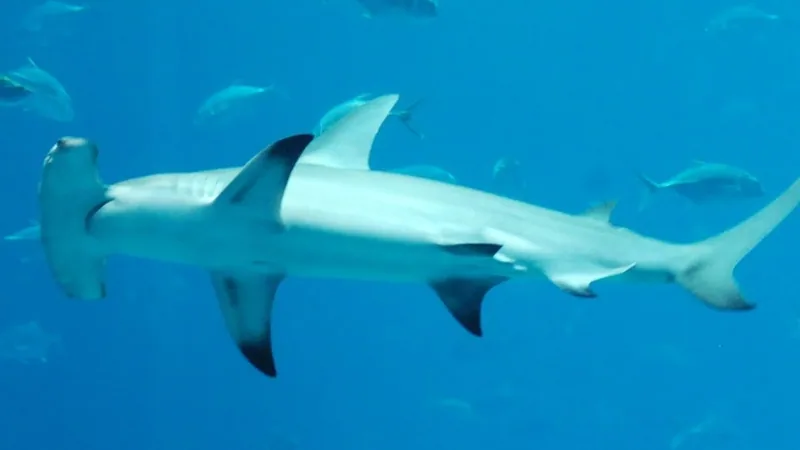
Great Hammerhead Shark
A hammer-shaped head wired with electric sensors, used to pin stingrays to the seafloor.
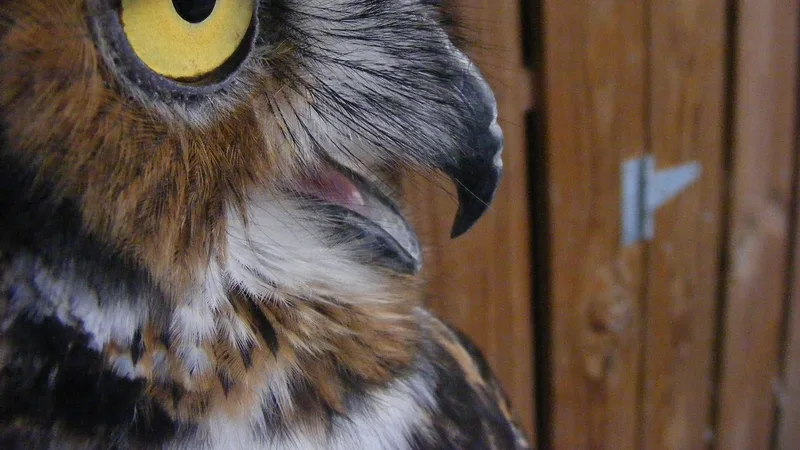
Great Horned Owl
Feathered horn tufts, tiger of the air, and nocturnal forest ambush conqueror.
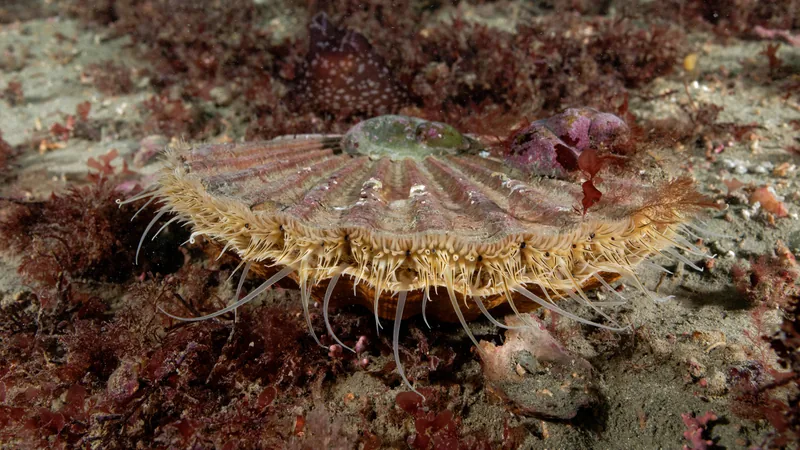
Great Scallop
Edges its mantle with tiny blue-green eyes and swims by clapping its shell
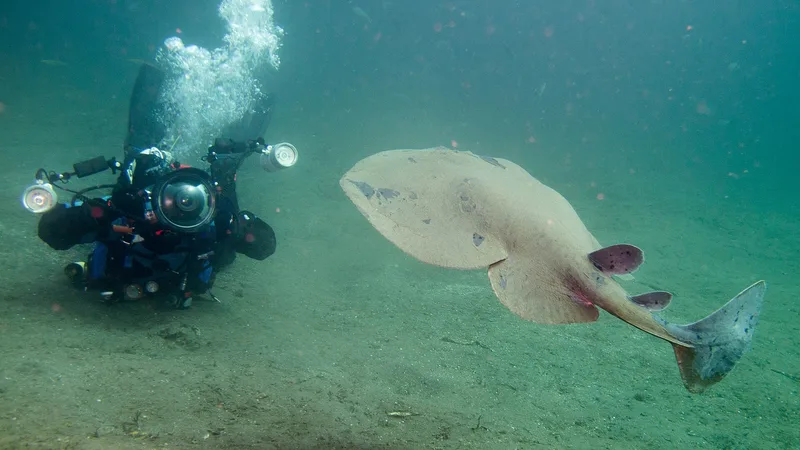
Great Torpedo Ray
170-to-220-volt shocks from a honeycomb of barely visible electric organs, and jaws that stretch to swallow surprisingly big fish.

Great White Shark
Up to 4,500 pounds of apex predator, an electric sense tuned to 0.005 microvolts, and the largest fish known to keep parts of its body warmer than the sea.
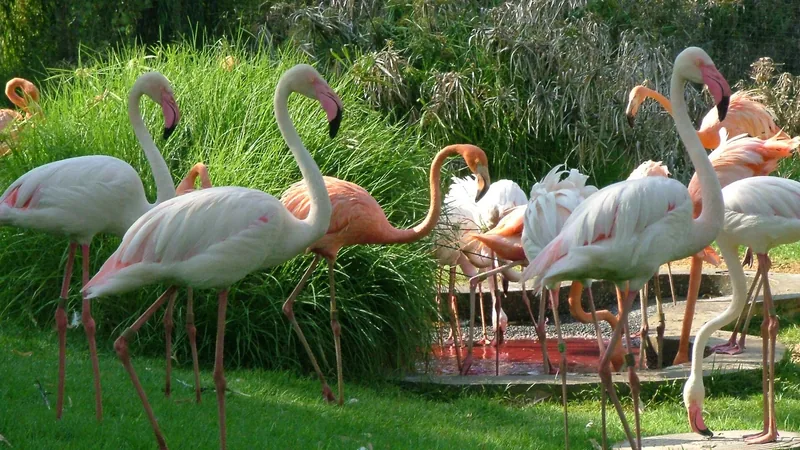
Greater Flamingo
Pink from pigments in its food, a filter-feeding bill that works upside down, and a one-legged stance scientists aren't sure about.
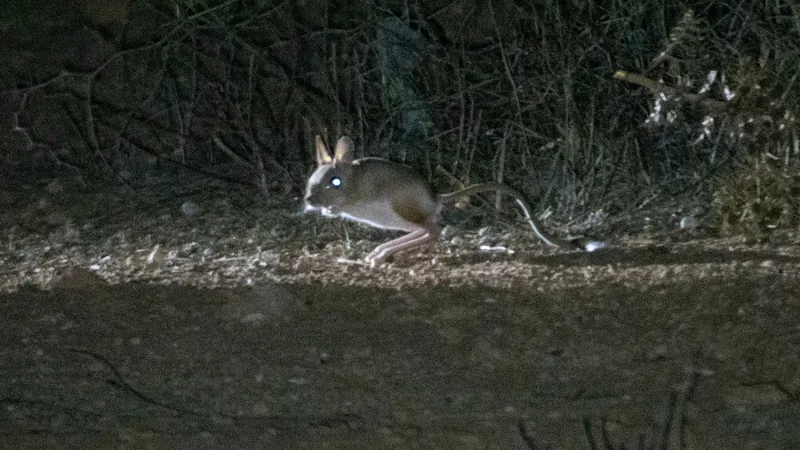
Greater Jerboa
The desert rodent that flees predators in leaps measured at up to 3 meters long, on hind legs about four times the length of its front ones.
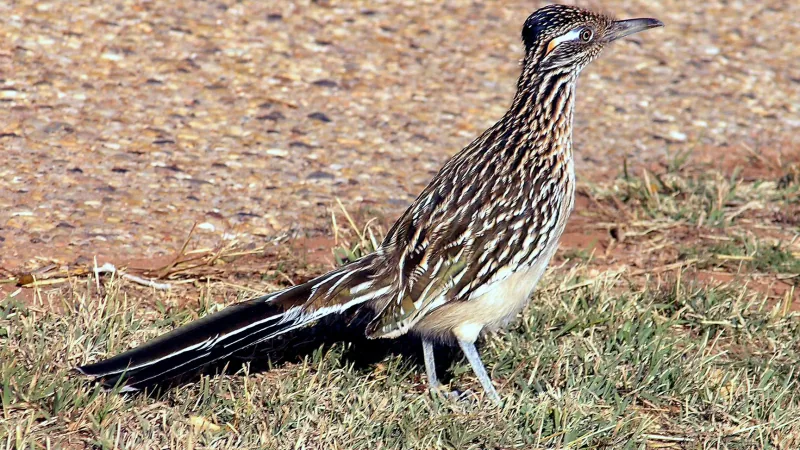
Greater Roadrunner
Ground-running desert cuckoo that hits up to 20 miles per hour, smashes prey against rocks, and warms up by sunbathing the black skin on its back.
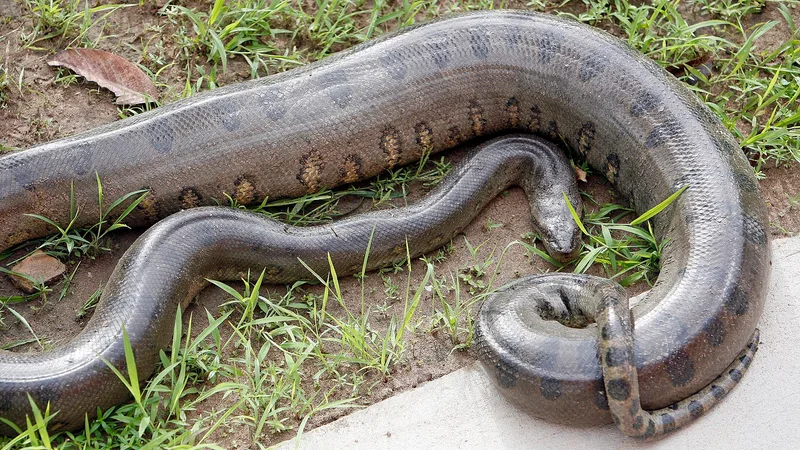
Green Anaconda
Up to 550 pounds of camouflaged ambush predator, with eyes and nostrils on top of its head, that kills with suffocating coils.
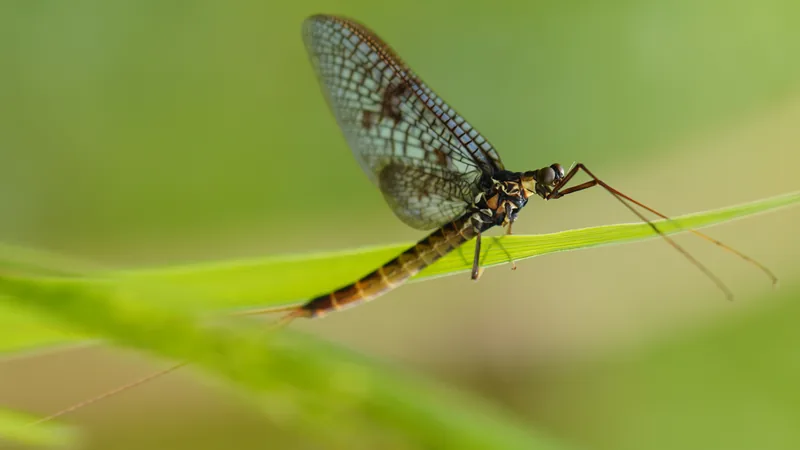
Green Drake Mayfly
A burrowing mayfly that finds rivers by their polarized glint, and lands on smooth black plastic too.
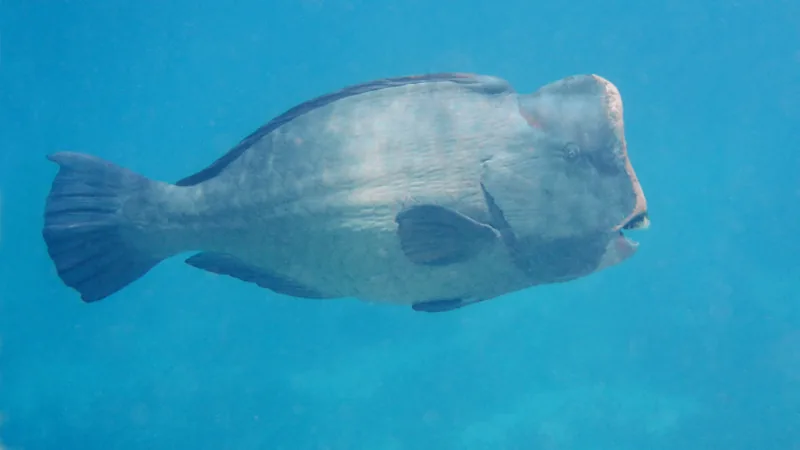
Green Humphead Parrotfish
The biggest herbivorous fish on coral reefs, whose males settle rivalries with headbutts.
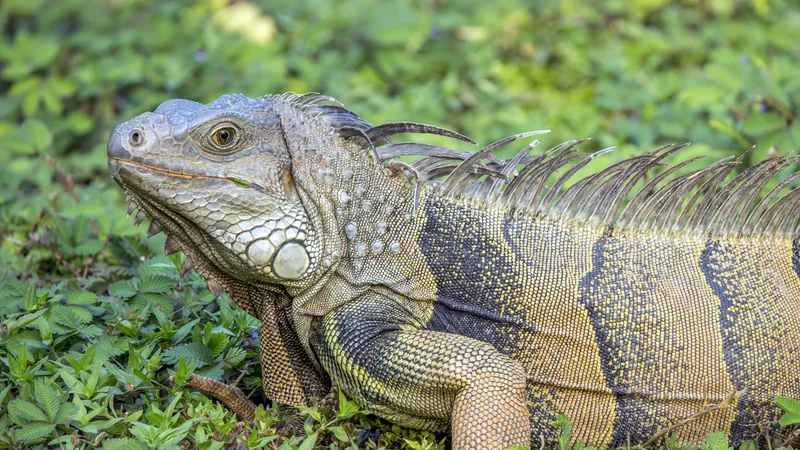
Green Iguana
A tree-top lizard with a light sensor on top of its skull that meters the sun and spots predator shadows from above.
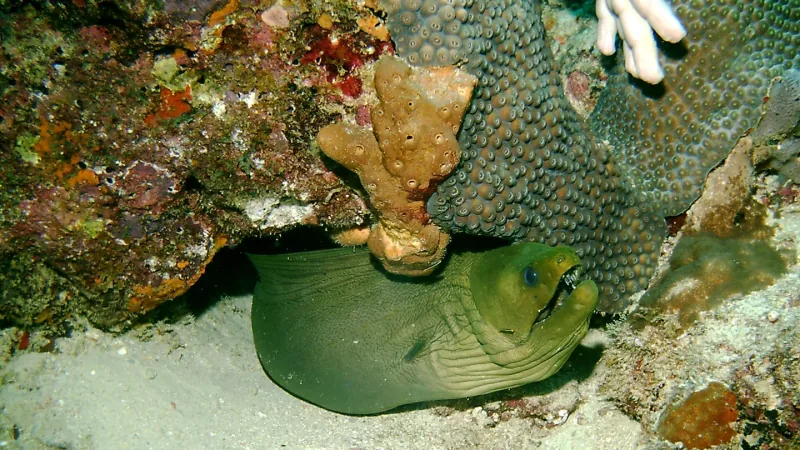
Green Moray Eel
The reef predator that lies in wait in rock crevices, wearing a thick yellow mucus that turns its dark skin green and protects it from parasites and disease.
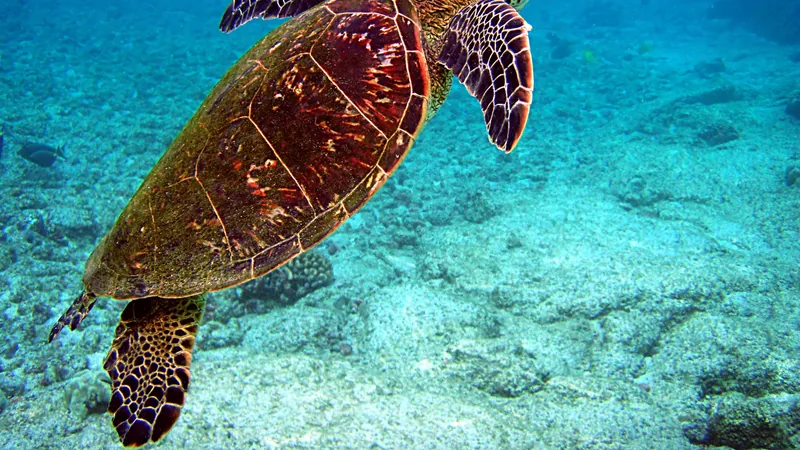
Green Sea Turtle
The only sea turtle that is mainly a plant-eater, with a map in its head that is at least partly magnetic.
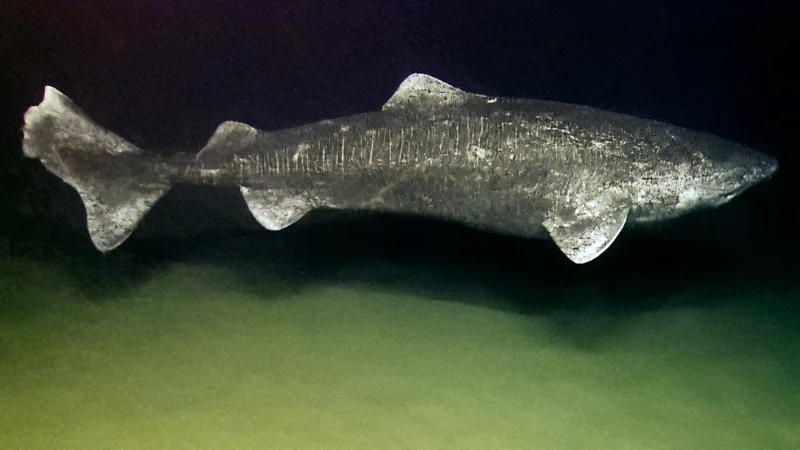
Greenland Shark
The longest-lived vertebrate known to science, growing under a centimeter a year, with females not sexually mature until at least 156 years old, give or take 22.