Primates
Large-brained social strategists with grasping digits, stereoscopic depth vision, and tool mastery.
Primates
Primates excel at navigating complex three-dimensional environments and layered social hierarchies. Opposable thumbs, forward-facing eyes with overlapping fields of view, and large cerebral cortexes allow them to solve puzzles, fashion tools, and pass cultural knowledge across generations.
Key Evolutionary Adaptations
Forward-facing eyes provide precise stereoscopic depth perception essential for leaping through tree canopies.
Fingertip dermal ridges enhance physical grip friction while tactile nerve endings register microscopic textures.
Complex vocal, facial, and postural communication networks manage multi-tiered social troops.
All Primates

Aye-Aye
Nocturnal lemur with huge ears, ever-growing incisors, and a skeletal-looking middle finger that finds grubs by tapping.

Bonobo
The Congo forest ape where the females rule the roost.

Bornean Orangutan
Borneo's biggest mammal in the trees: long arms for the canopy, hands and feet that both grip, and a long call that can be heard a kilometer or more away.
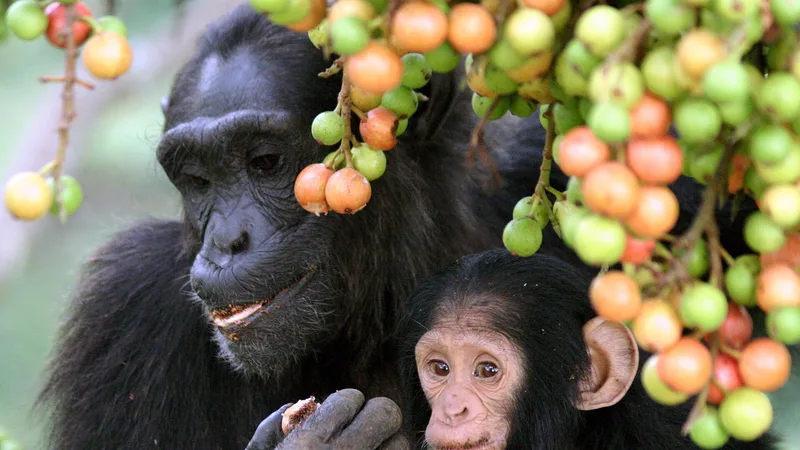
Chimpanzee
DNA letters about 1.23% different from a human's, tool kits that vary from community to community, and Machiavellian troop politics.
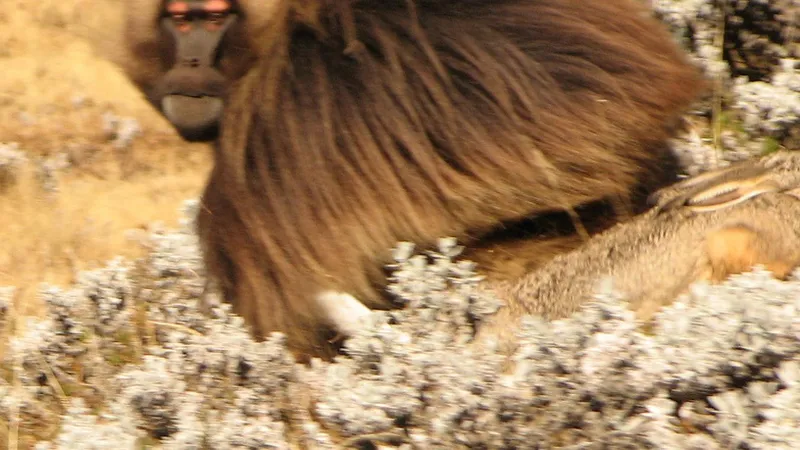
Gelada
The Ethiopian highland monkey that grazes mainly on grass, flashes a bleeding-heart chest patch, and rolls its lip back to bare its gums in a facial display no other primate can make.
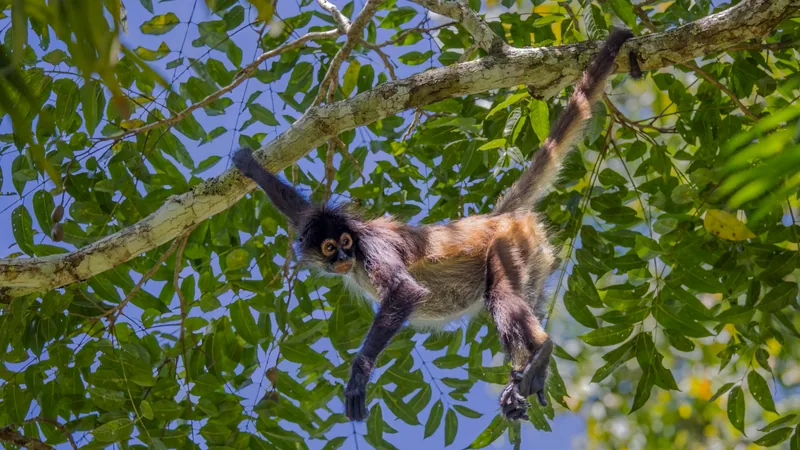
Geoffroy's Spider Monkey
The monkey whose tail works as a fifth limb.
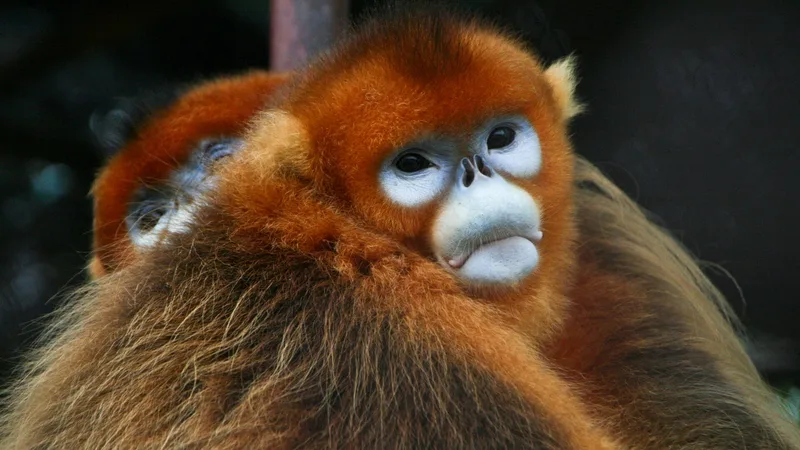
Golden Snub-Nosed Monkey
Narrows the blood vessels in its skin to cut heat loss, then burns 14 percent of its body mass getting through a winter in China's mountains.
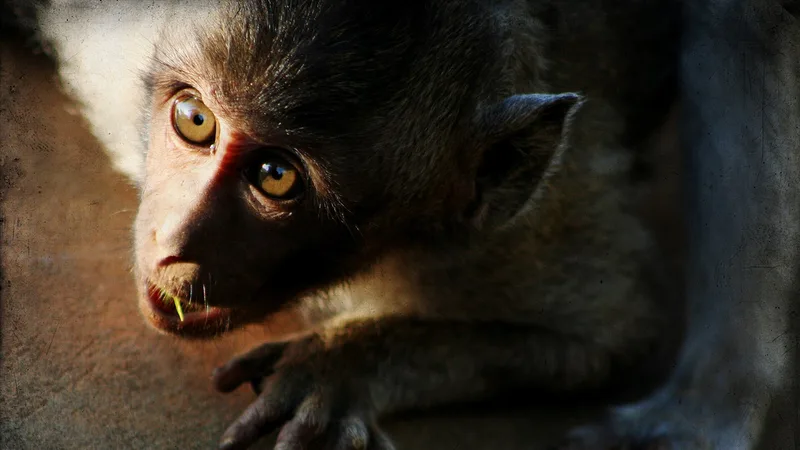
Hamadryas Baboon
Silver-maned sacred baboon of ancient Egypt, living in harems that stack into clans, bands and troops hundreds strong.
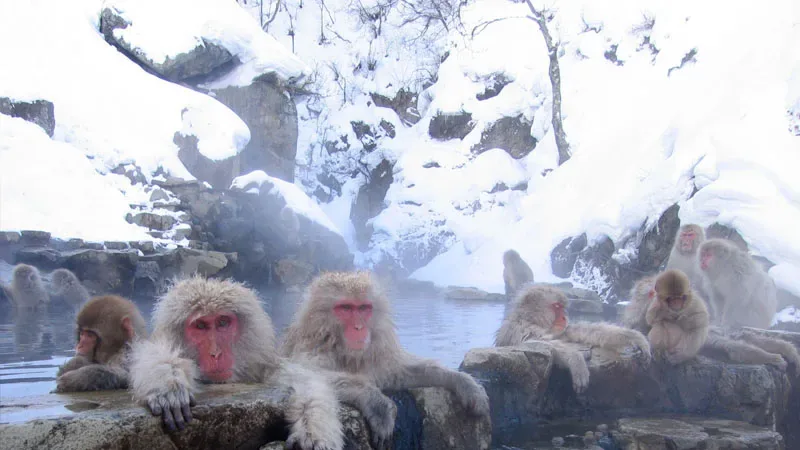
Japanese Macaque
The world's northernmost wild monkey, meeting -20°C mountain winters with long fur, huddles and, in one valley, a hot-spring soak that may help keep it warm.
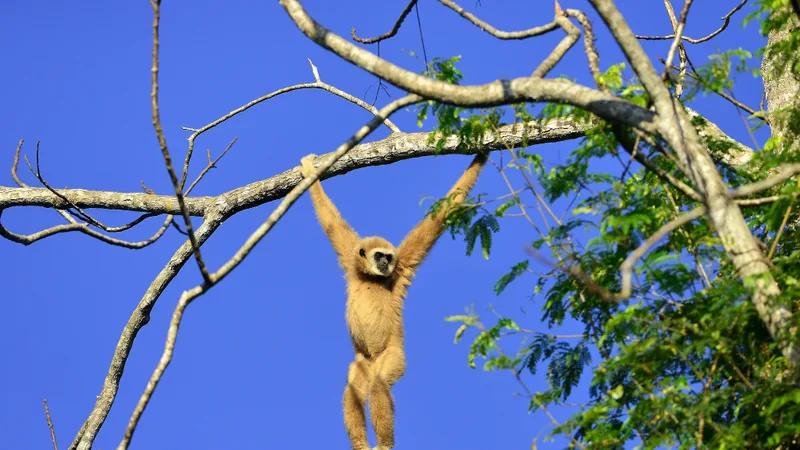
Lar Gibbon
A rainforest singer whose pair duets average 11 minutes and carry up to a kilometre.
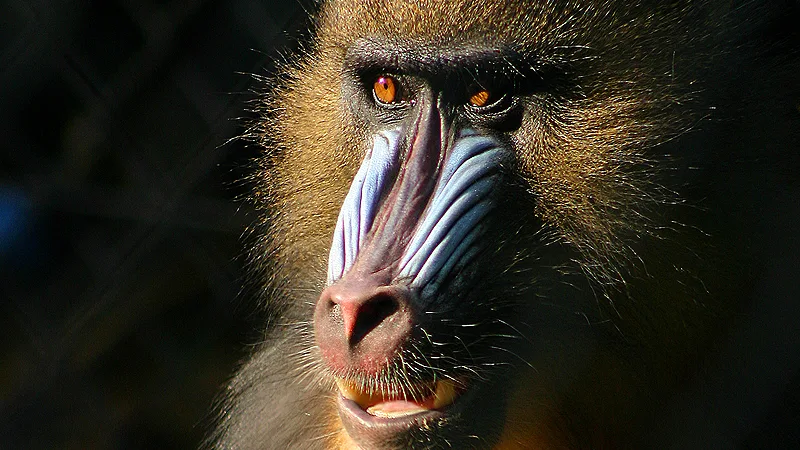
Mandrill
Males are the largest monkeys alive, with faces colored blue by light-scattering collagen and red by blood, and canine teeth whose length tracks their breeding years.
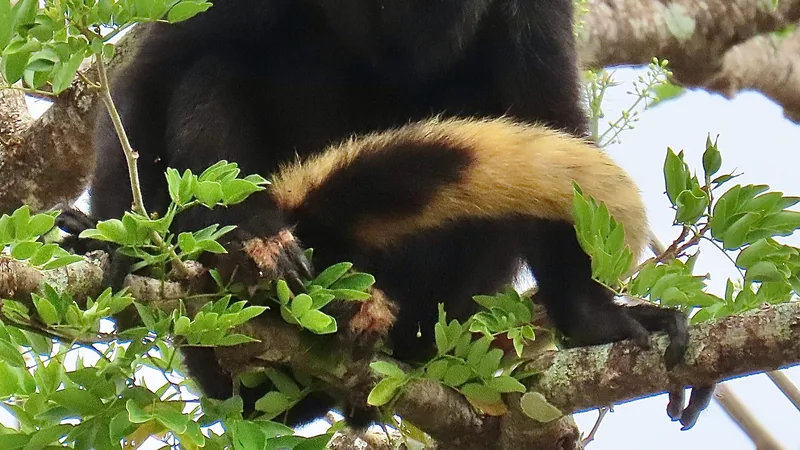
Mantled Howler Monkey
A leaf-eating monkey whose males' calls seem to help keep neighbouring troops apart.
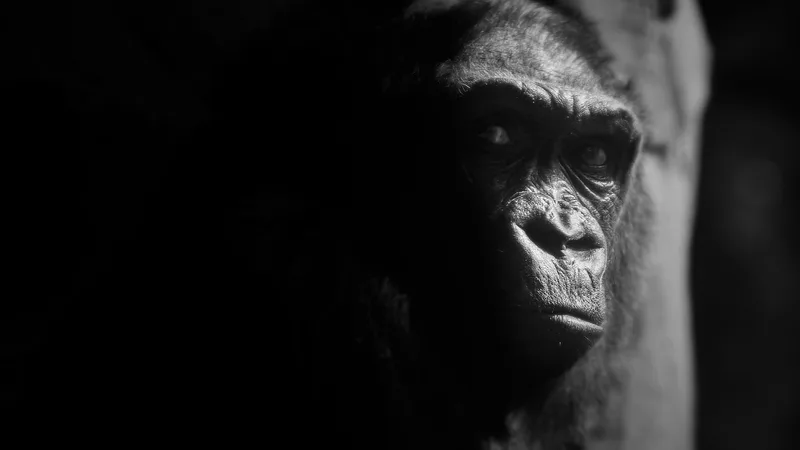
Mountain Gorilla
Up to 220 kilograms of plant-eating ape, a chest beat heard more than a kilometer away, and the only great ape whose numbers are growing.
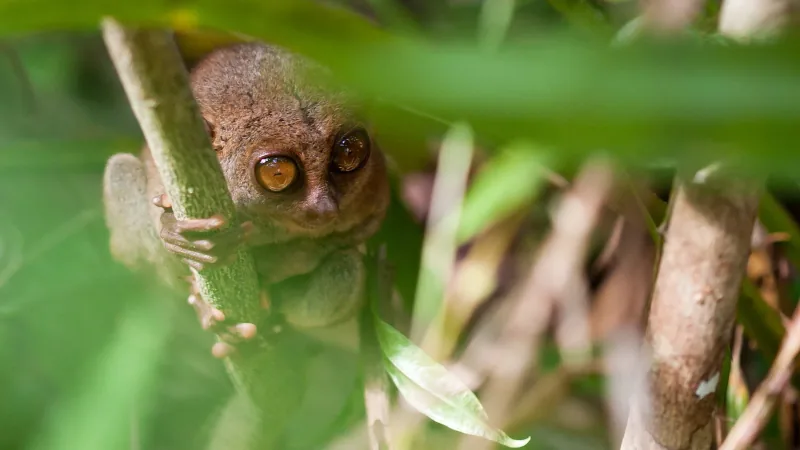
Philippine Tarsier
Hand-sized night primate with the largest eyes for its body of any mammal, a head that turns 180 degrees, and legs built for jumping.
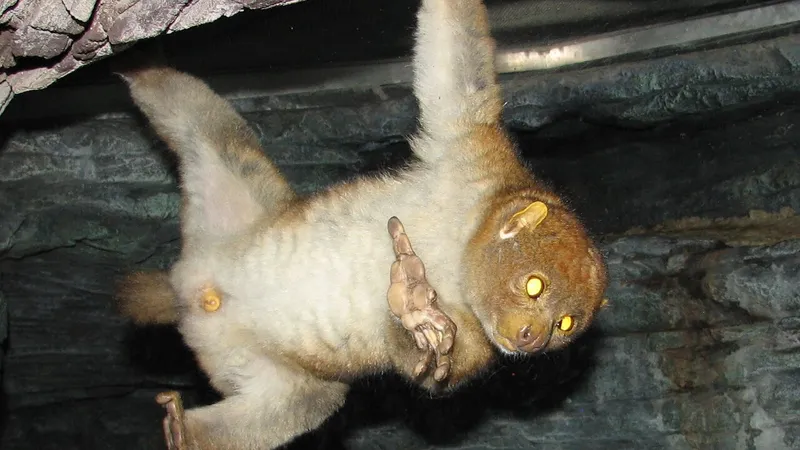
Potto
A slow, silent nocturnal primate that can hold still on a branch for long periods without fatigue, and presents predators with a shield of elongated neck-vertebra spines.
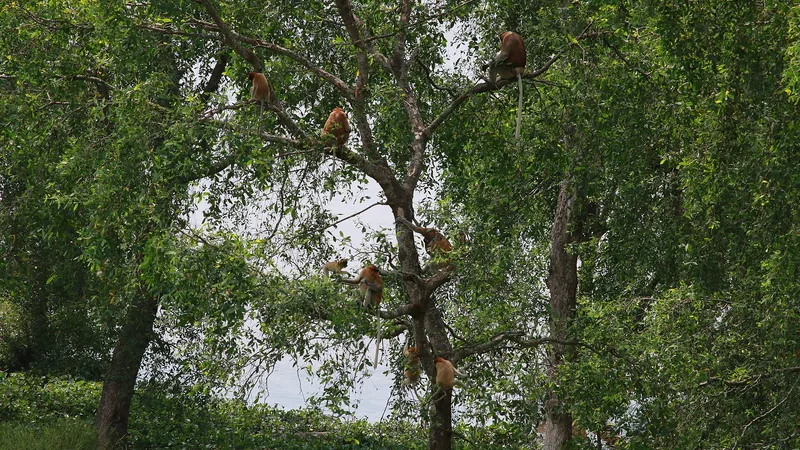
Proboscis Monkey
An oversized nose that works as both a visual badge and a vocal amplifier, webbed fingers and toes that help it swim across rivers, and a cow-like habit of bringing food back up to chew it again.
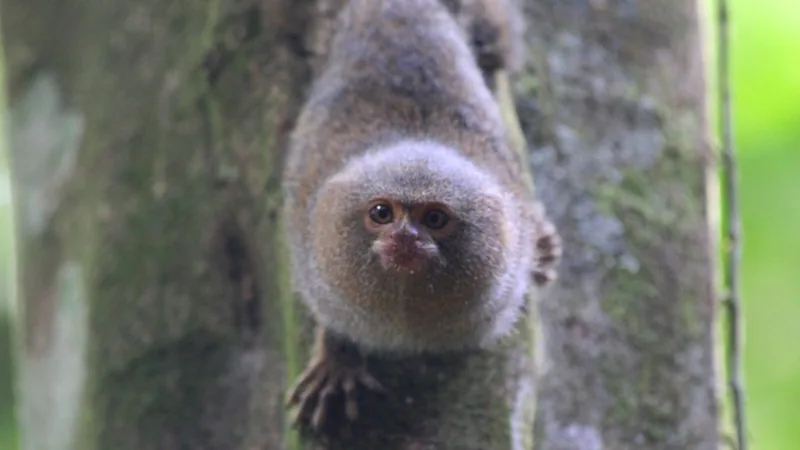
Pygmy Marmoset
The world's smallest monkey, small enough to fit in a human hand, gouges holes in tree bark and laps up the sap that puddles inside.
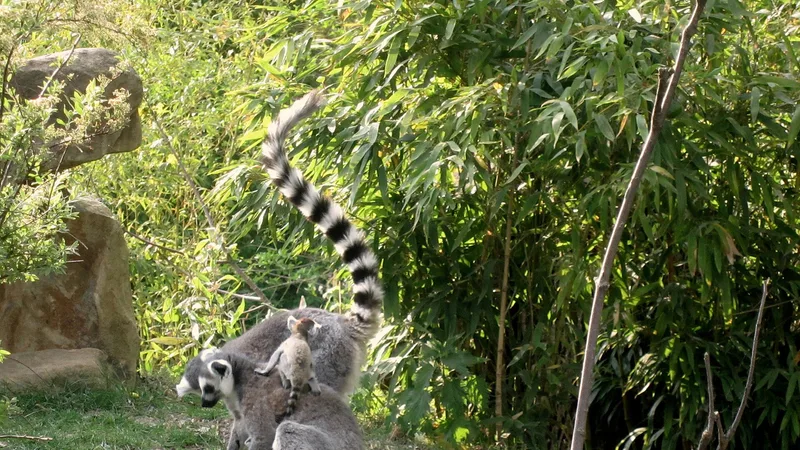
Ring-Tailed Lemur
Black-and-white ringed tail, yoga-pose sun worship, and wrist gland scent wars.
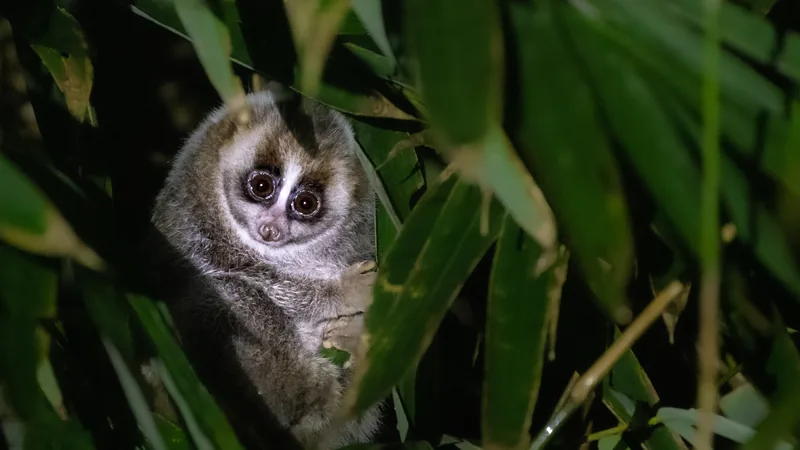
Sunda Slow Loris
The deceptively cute nocturnal primate whose elbow-gland secretion carries a protein closely resembling a cat allergen.
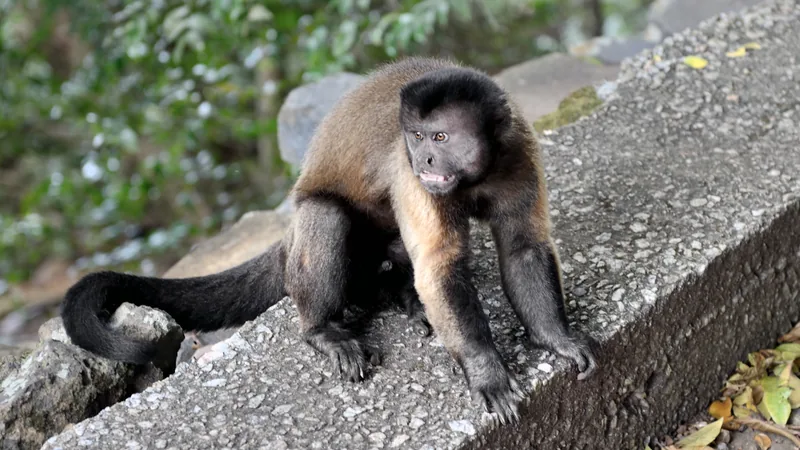
Tufted Capuchin
A stocky Amazon monkey that smashes fruit its jaws cannot crack, or opens it with a piece of branch.