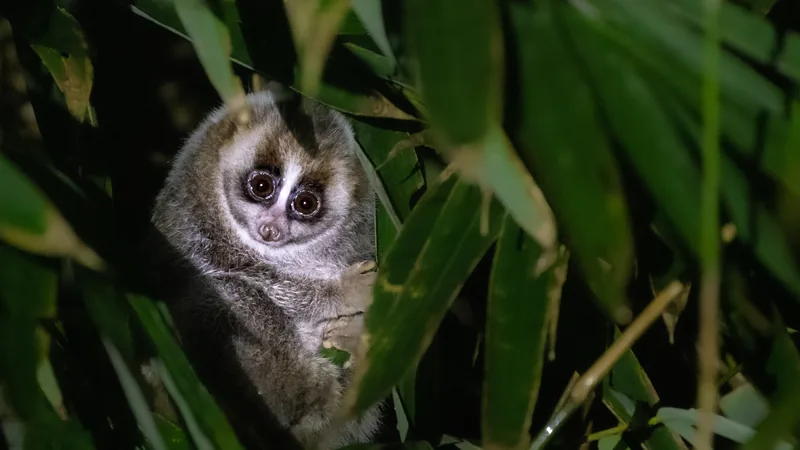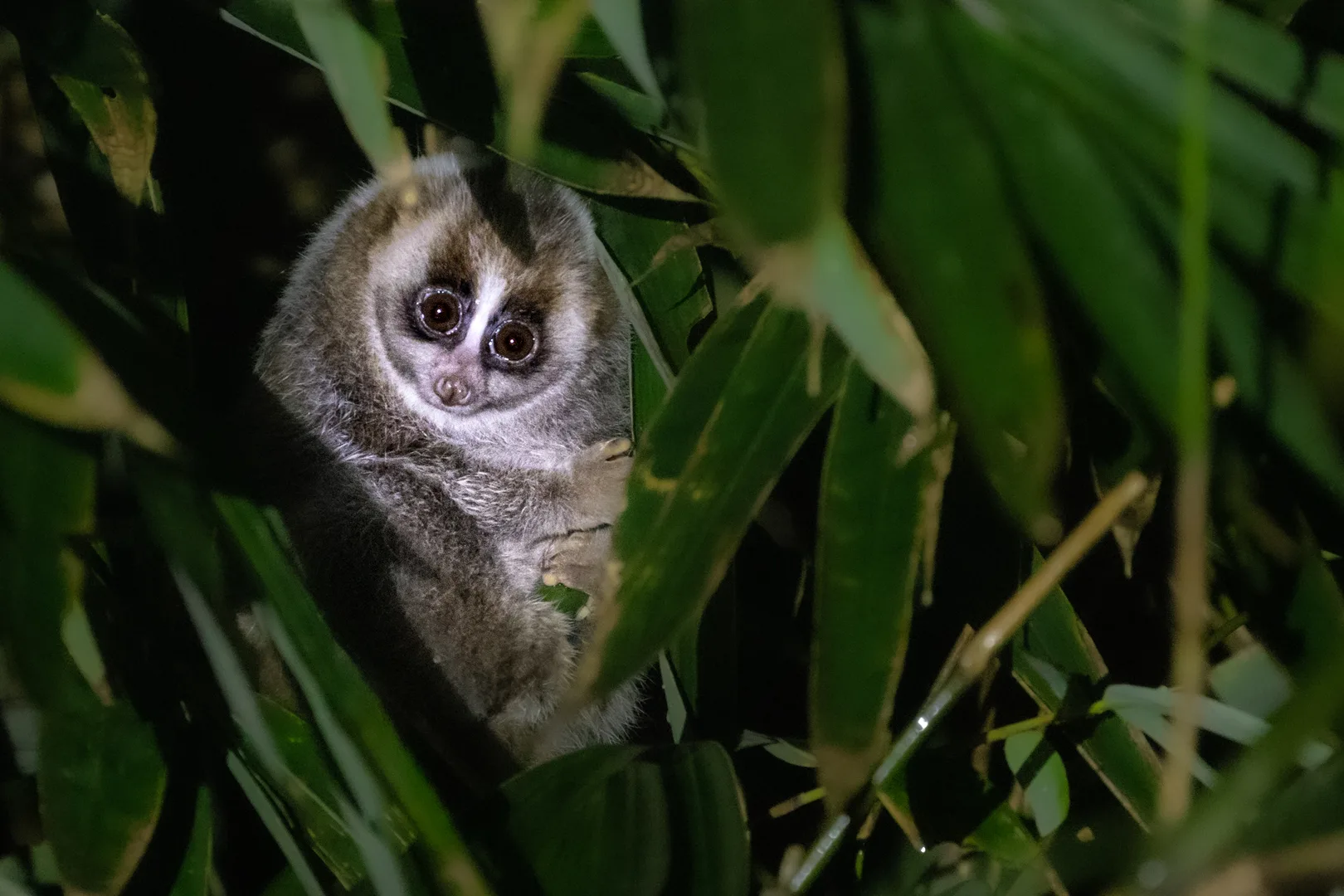
A wild Sunda slow loris (Nycticebus coucang), photographed by The Kukang Rescue Program.
Field
notes
A Primate With a Venomous Bite
Found mainly in Sumatra and nearby islands, Peninsular Malaysia, southern Thailand and Singapore, the Sunda Slow Loris (Nycticebus coucang) looks harmless: large eyes, thick fur, and a tail reduced to a stump hidden in that fur. It measures 27 to 38 centimetres and weighs 599 to 685 grams, and the oldest confirmed record, a captive animal, lived 25.8 years. Slow lorises, the genus Nycticebus, are the only primates known to harbour toxins.
An Elbow Gland and a Toothcomb
In this species the toxins are thought to come from the brachial gland, a bare, gland-studded patch of skin on the inside of the arm that the loris licks during grooming. In the classic slow loris defence posture, a threatened animal usually raises its arms above its head and moves its mouth to the gland to combine the fluid with saliva, then either applies the mixture to the top of its head or keeps it in its mouth to bite. A slow loris’s toothcomb conducts the liquid upward, which makes it an effective venom delivery system.
A major protein in the gland’s secretion, about 18 kilodaltons and built from two chains, shows nearly 70 percent sequence similarity at the start of each chain with Fel d 1, the major allergen from domestic cats. The researchers who isolated it suggest this may explain why bites do harm. Across the genus, bites are intensely painful in both humans and other lorises, can cause swelling and wounds that take weeks to heal, and in extreme cases may trigger anaphylactic shock, sometimes resulting in death.
One research team, pointing to other serpentine features of slow lorises such as an extra vertebra in the spine that gives snake-like movement, proposes that the venom may have evolved as mimicry of the spectacled cobra.
A Toxic Babysitter Before and during weaning, a mother licks her young, covering them in toxic oil so they may be protected while she leaves to forage.
What It Eats and What Eats It
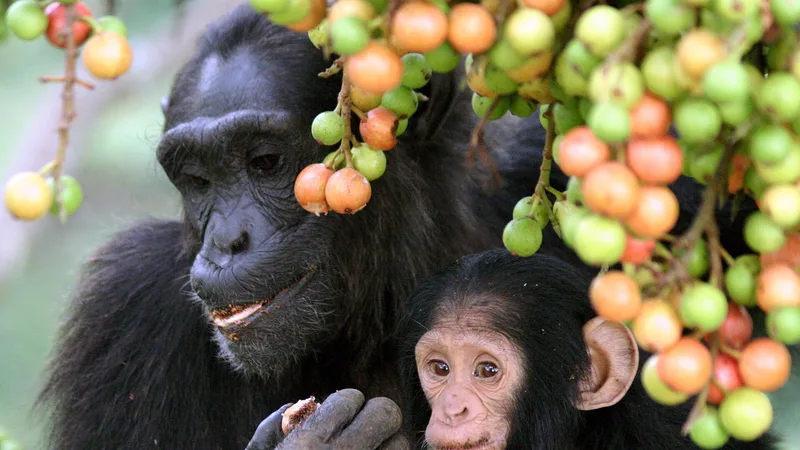
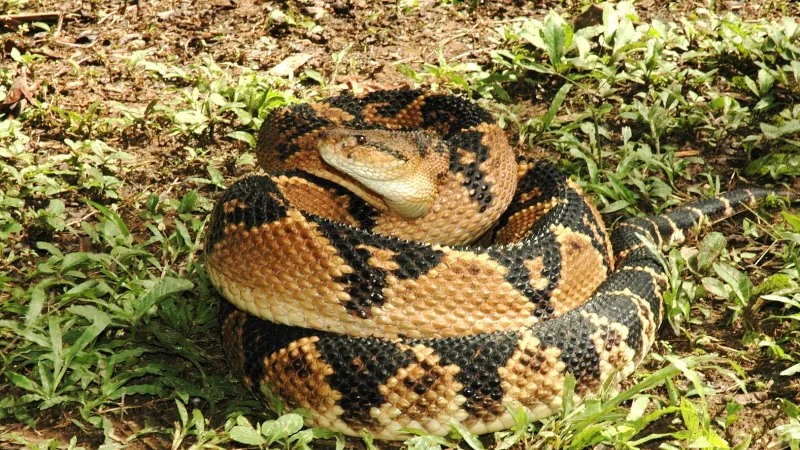
The Sunda slow loris is a dietary generalist, feeding on sap, gum, nectar, stems, fruit and occasionally spiders and insects. Roughly a third of its diet is sap and gum, another third is nectar and nectar-producing plants, and approximately a quarter is fruit. Its predators include reticulated pythons and changeable hawk-eagles. At Ketambe in Indonesia, researchers recorded one Sumatran orangutan mother and infant eating slow lorises on three occasions, which they called rare. If threatened, the loris rolls into a ball, leaving nothing but toxic fur exposed, and may drop from the tree if the predator is arboreal. It may also bite, though this is very rare next to such passive defences.
A Rainforest Species Losing Ground
The Sunda slow loris is listed Endangered on the IUCN Red List. Illegal harvesting and trade are major forces behind declines of wild slow lorises, and habitat loss and degradation over large areas of this species’ range have caused large declines too. A study of 77 greater slow lorises, as this species is also called, confiscated en masse and brought to Cikananga Wildlife Center in Indonesia found that 28.6 percent died within the first six months, mostly from traumatic injury, and all the infants died.
Published Updated
Traits
Intel
& FAQ
Guess
first
How big is a Sunda Slow Loris, really? Slide, lock in, and see what the sources say. Every answer is a figure from this page, quoted from where it came from.
Sources
- 01Nycticebus coucang (slow loris). Animal Diversity Web, University of Michigan.
- 02AnAge entry for Nycticebus coucang. AnAge: The Animal Ageing and Longevity Database, Build 15.
- 03Nekaris, Poindexter & Streicher (2020). Nycticebus coucang. The IUCN Red List of Threatened Species 2020: e.T163017685A17970966.
- 04Nekaris et al. (2013). Mad, bad and dangerous to know: the biochemistry, ecology and evolution of slow loris venom. Journal of Venomous Animals and Toxins including Tropical Diseases.
- 05Krane et al. (2003). "Venom" of the slow loris: sequence similarity of prosimian skin gland protein and Fel d 1 cat allergen. Naturwissenschaften.
- 06Hardus et al. (2012). Behavioral, Ecological, and Evolutionary Aspects of Meat-Eating by Sumatran Orangutans (Pongo abelii). International Journal of Primatology.
- 07Fuller et al. (2017). Welfare impacts of the illegal wildlife trade in a cohort of confiscated greater slow lorises, Nycticebus coucang. Journal of Applied Animal Welfare Science.
What the sources say: 42 claims checked word for word against these sources →