Sharks & Rays
Flexible cartilage skeletons, conveyor-belt replacement teeth, and electrical sensing pore networks.
Chondrichthyes
Older than trees and surviving four mass extinctions, cartilaginous fishes replaced heavy bone with lightweight flexible cartilage. They detect the heartbeat of buried prey through ampullae of Lorenzini electroreceptors and glide through water with tooth-like dermal denticles.
Key Evolutionary Adaptations
Ampullae of Lorenzini pores detect electrical fields down to five billionths of a volt per centimeter.
Teeth sit on fibrous conveyor-belt bands, shedding and replacing thousands of worn blades across a lifetime.
Placoid scales (dermal denticles) channel water along micro-grooves to eliminate boundary-layer turbulence.
All Sharks & Rays

Australasian Ghost Shark
The deep-sea chimaera described from New Zealand seamounts with glowing tapetum eyes and tooth-crushing plates.

Basking Shark
The second-largest fish on Earth, filtering up to 2,000 tons of seawater an hour through its gills to scoop up zooplankton.

Bull Shark
Freshwater river invader, named for its stout build and a reputation for aggression, with a harder bite for its weight than a great white's.
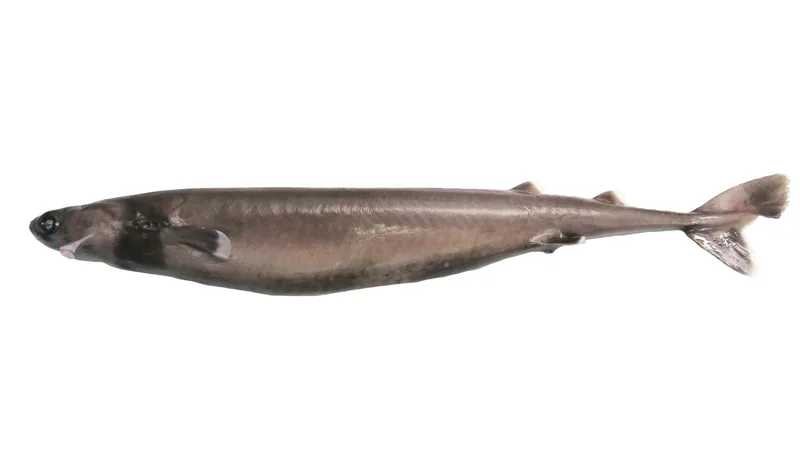
Cookiecutter Shark
A shark up to 56 cm long that glows underneath to lure big animals close, then spins to cut a round plug out of them.
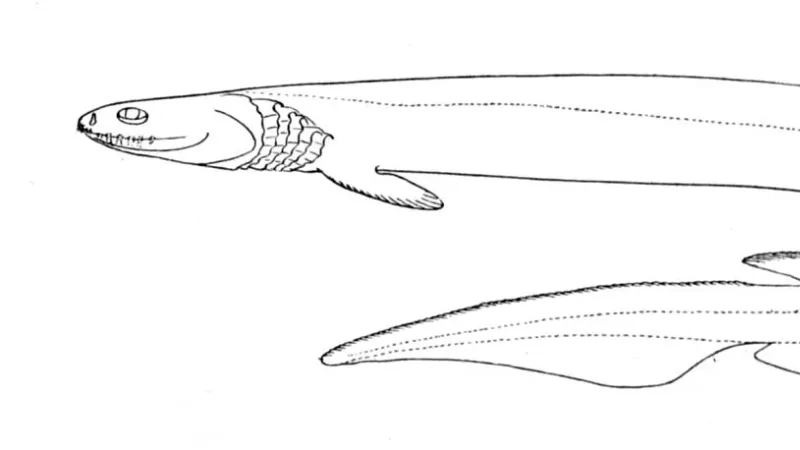
Frilled Shark
A slow-swimming, six-gilled deep-sea shark whose lineage is estimated at 82 million years old and whose pregnancy may run three and a half years.
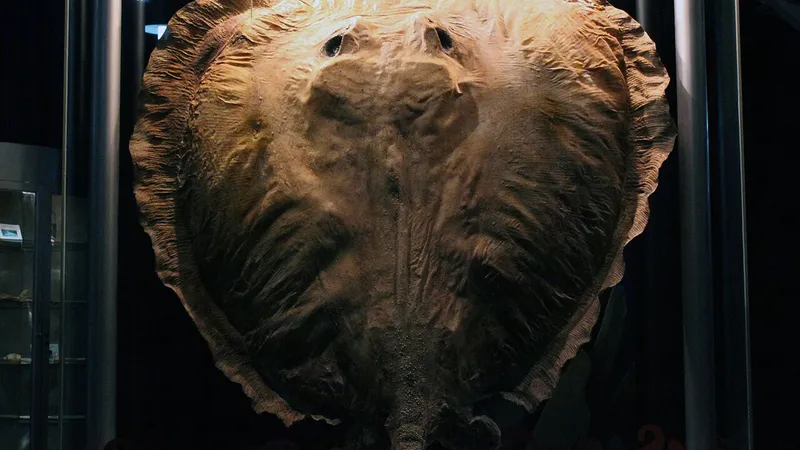
Giant Freshwater Stingray
The 300-kilogram Mekong river phantom with a barbed tail spine and the record for the largest freshwater fish ever caught and officially recorded.
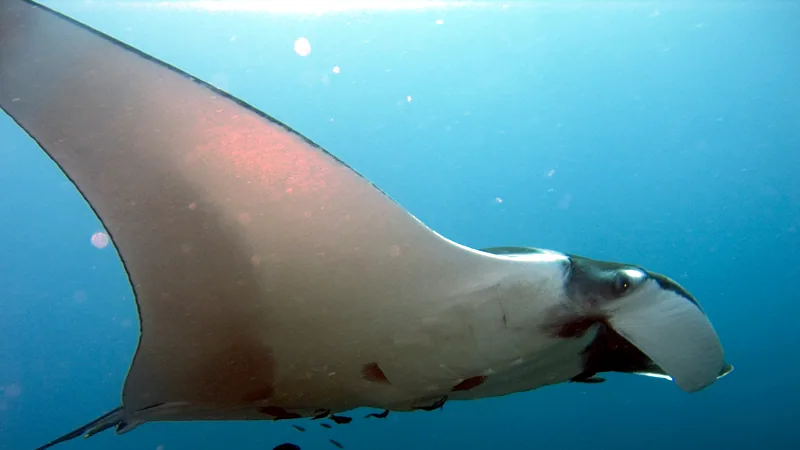
Giant Oceanic Manta Ray
The ocean's largest ray has three pairs of fins, a wingspan of up to 26 feet, and can dive past 1,000 metres.
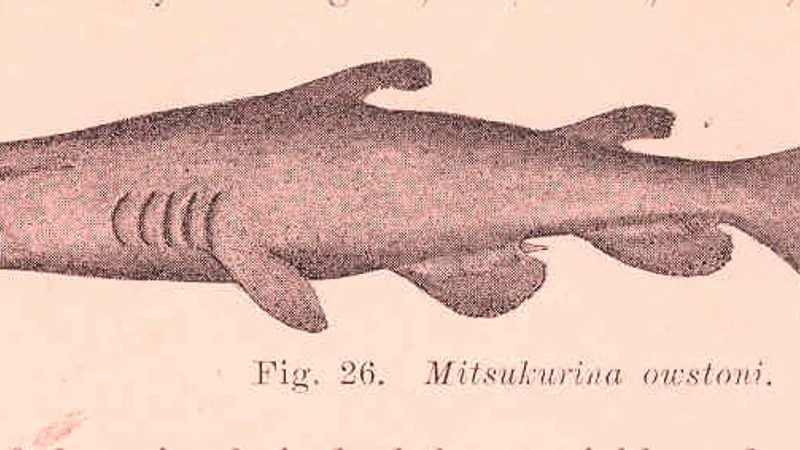
Goblin Shark
A deep-sea shark with slingshot jaws and skin that looks pink because blood vessels show through it.
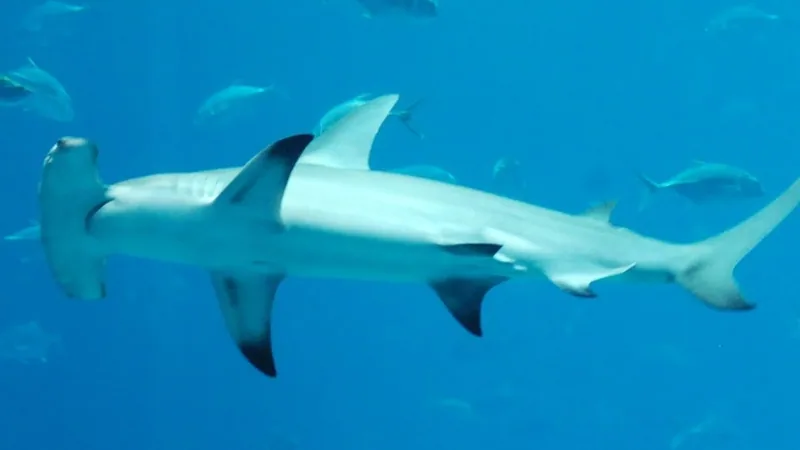
Great Hammerhead Shark
A hammer-shaped head wired with electric sensors, used to pin stingrays to the seafloor.
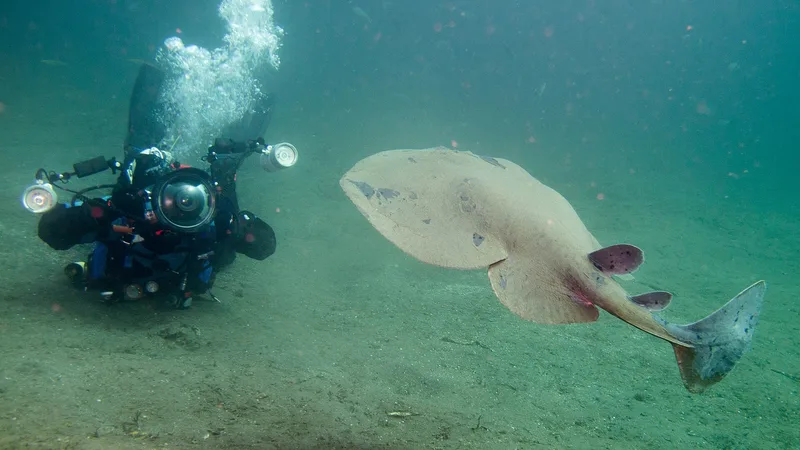
Great Torpedo Ray
170-to-220-volt shocks from a honeycomb of barely visible electric organs, and jaws that stretch to swallow surprisingly big fish.

Great White Shark
Up to 4,500 pounds of apex predator, an electric sense tuned to 0.005 microvolts, and the largest fish known to keep parts of its body warmer than the sea.
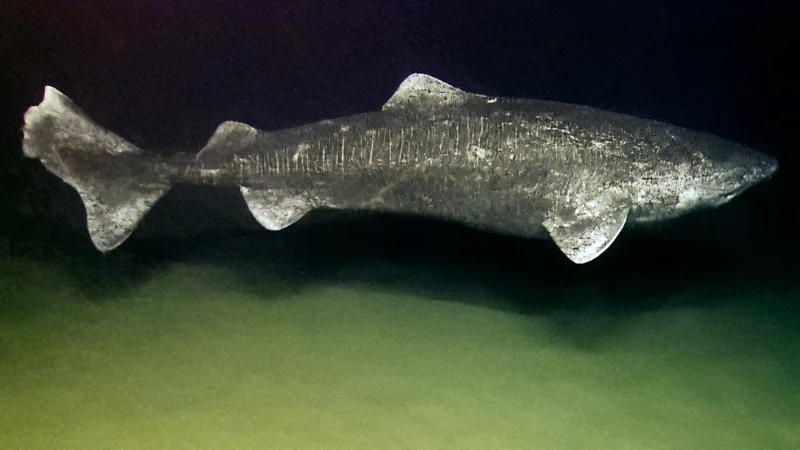
Greenland Shark
The longest-lived vertebrate known to science, growing under a centimeter a year, with females not sexually mature until at least 156 years old, give or take 22.
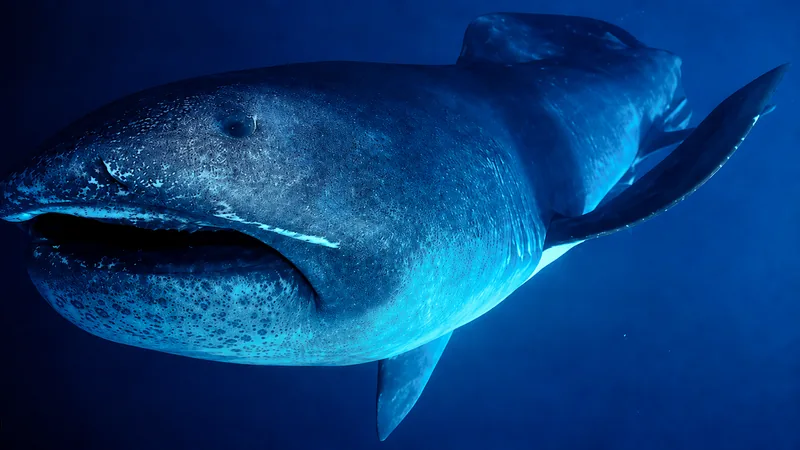
Megamouth Shark
A filter-feeding shark first known from 1976, when one got tangled in a research ship's parachute anchor.
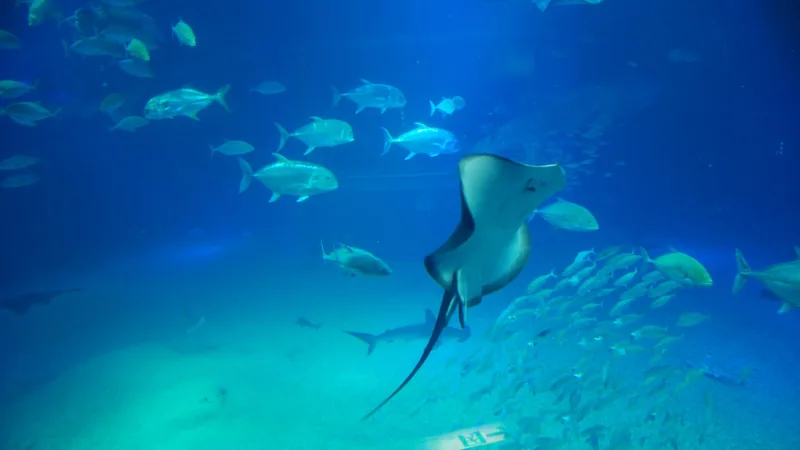
Scalloped Hammerhead
A wide head that seems to sense prey no better than a sandbar shark's, but searches a wider area and can pivot into sharp turns at high speed.
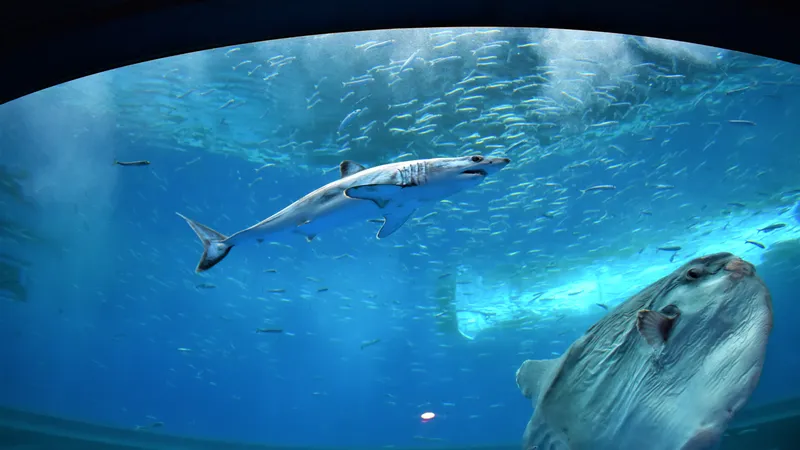
Shortfin Mako Shark
Considered the fastest shark in the world: burst speeds up to 70 km/h, warm swimming muscle, and hook-like, razor-edged teeth.
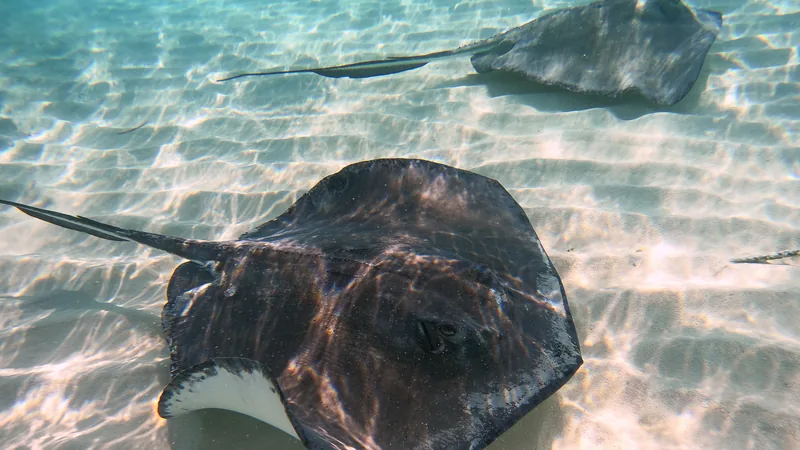
Southern Stingray
A diamond-shaped digger that flaps its fins to uncover prey and finds it by its electric field.
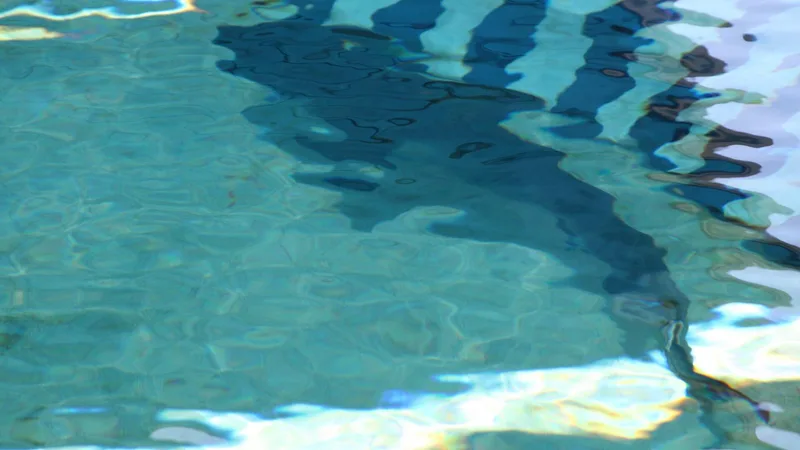
Tiger Shark
A shark with a reputation for eating almost anything, serrated teeth that can pierce sea turtle shells, and a habit of hunting at night.
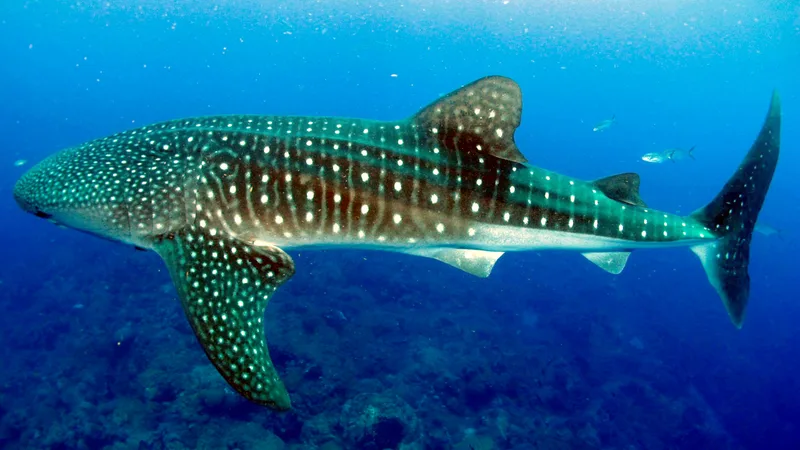
Whale Shark
World's largest fish, an ocean giant armored in tooth-like scales down to its eyeballs, that filters its food out of seawater.