Echinoderms & Worms
Water vascular hydraulic systems, cryptobiosis survival, and ambush strike jaws.
Echinodermata & Invertebrata
This diverse group unites radical evolutionary body plans, from five-part radial echinoderms with hydraulic tube feet to microscopic tardigrades that survive the vacuum of space, and deep-sea polychaetes armed with spring-loaded ambush jaws.
Key Evolutionary Adaptations
Tardigrades enter cryptobiosis by expelling 99 percent of water, surviving absolute zero, boiling water, and cosmic radiation.
Starfish use hydraulic water vascular systems to exert continuous mechanical pulling force to pry open bivalve shells.
Bobbit worms conceal multi-meter bodies in ocean sediment before exploding upward with spring-loaded predatory jaws.
All Echinoderms & Worms

Amazonian Giant Centipede
Venomous, up to 30 cm long, and its big ones are known to climb cave ceilings and catch bats.
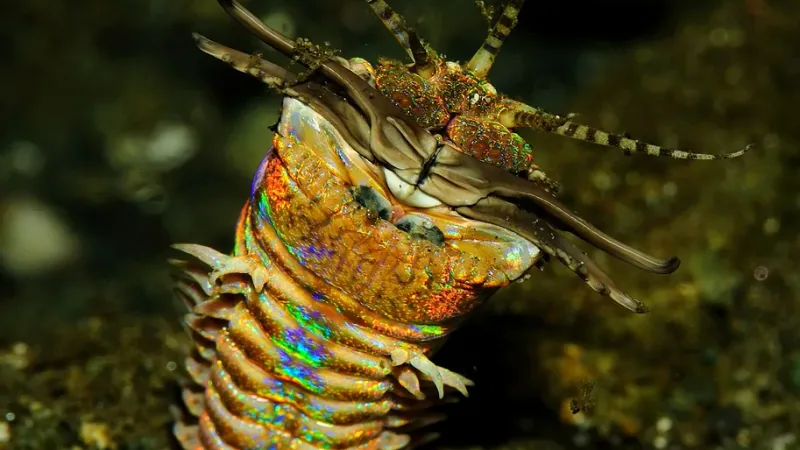
Bobbit Worm
An ambush predator up to ten feet long that buries itself in the sand with its jaws cocked like a spring trap, ready to snap a passing fish in half.
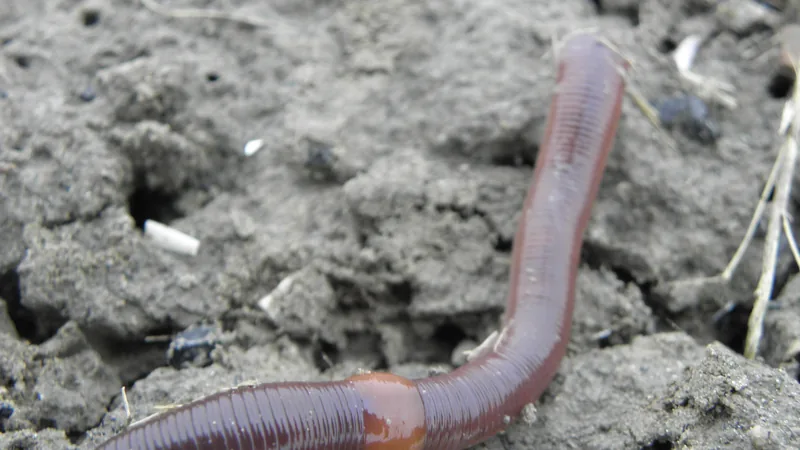
Common Earthworm
A hermaphrodite that lives in deep vertical burrows and generally leaves them only to feed and mate.
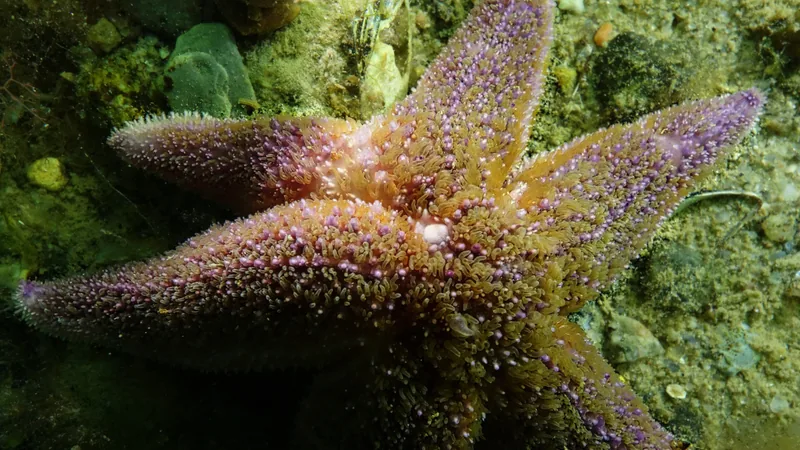
Common Starfish
A headless starfish that pries open mussels with its suction feet, then pushes its stomach inside the shell to digest them.
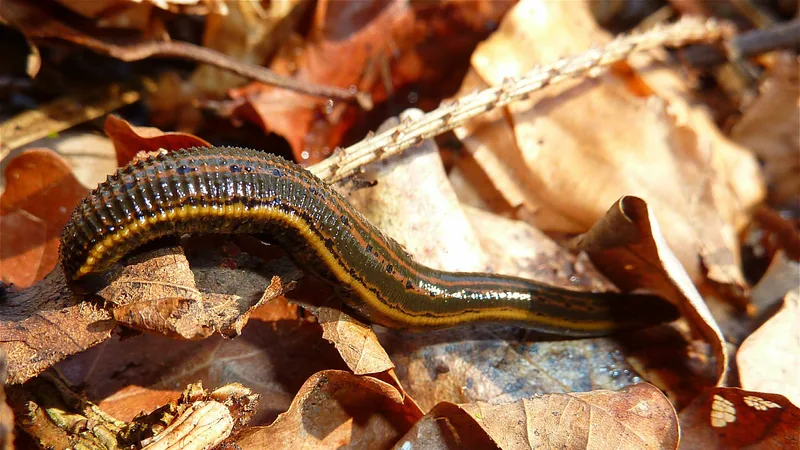
European Medicinal Leech
A three-jawed pond blood-drinker that can go 12 to 18 months between meals and was overharvested for medicine.
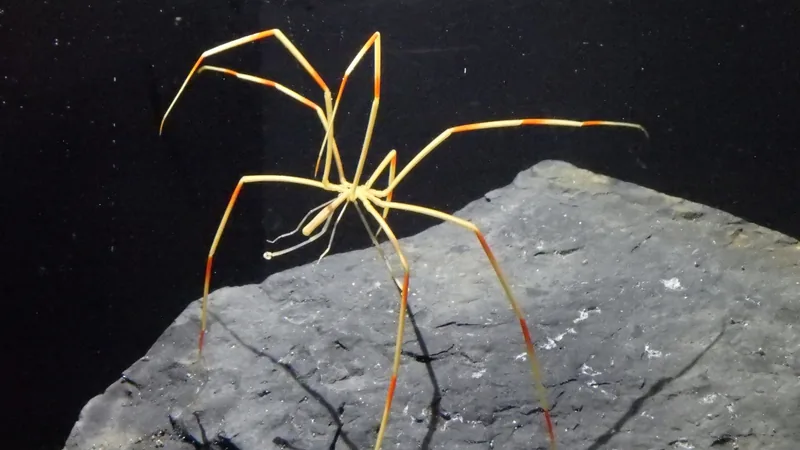
Giant Antarctic Sea Spider
A giant sea spider of the Southern Ocean that, like all sea spiders, has no gills, and feeds on open-water animals.
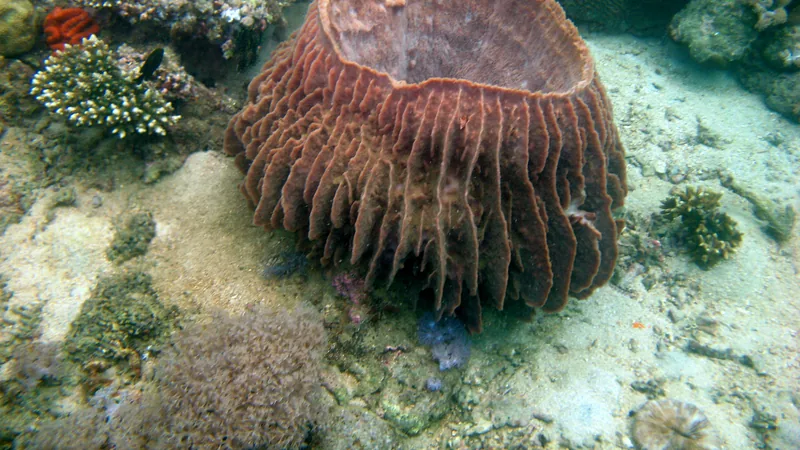
Giant Barrel Sponge
The "redwood of the reef": a pump-feeding barrel that may top a meter, and studies suggest it may live for thousands of years.
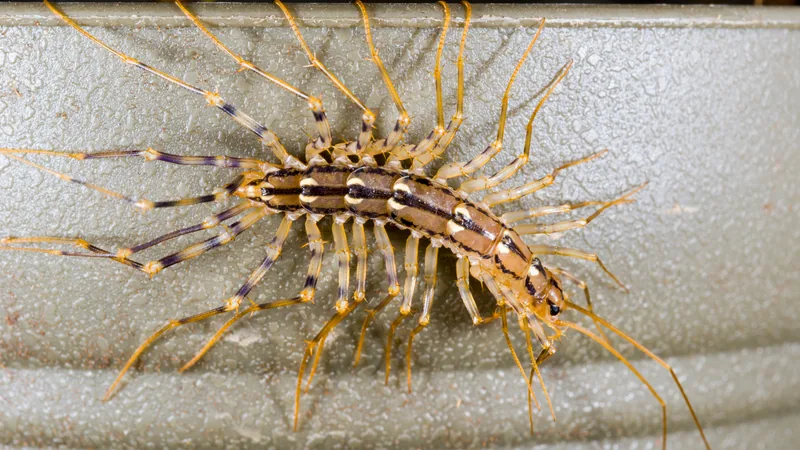
House Centipede
The night hunter on 15 pairs of legs, with back legs that on adult females are nearly twice as long as its body.
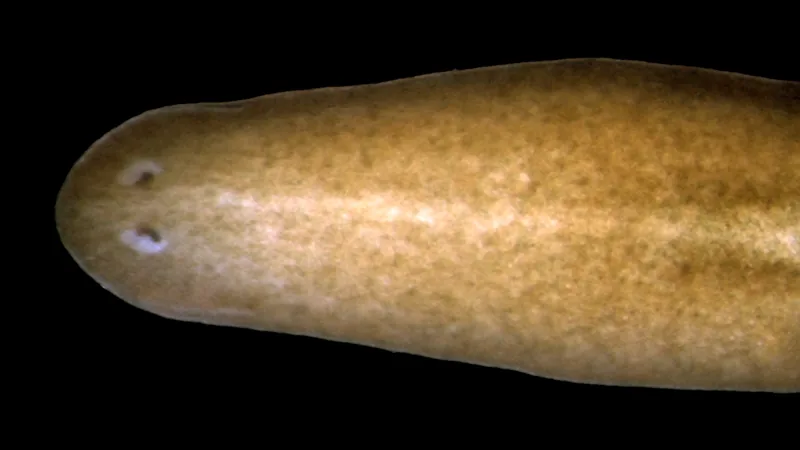
Planarian
A freshwater flatworm whose tail can turn into a head when one gene is switched off.
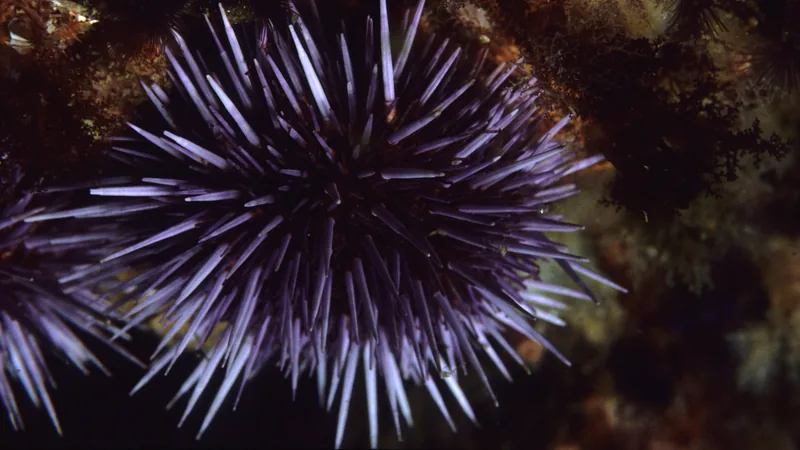
Purple Sea Urchin
A spiny kelp grazer with five teeth in a ring, whose massed feeding fronts can strip a whole kelp forest.
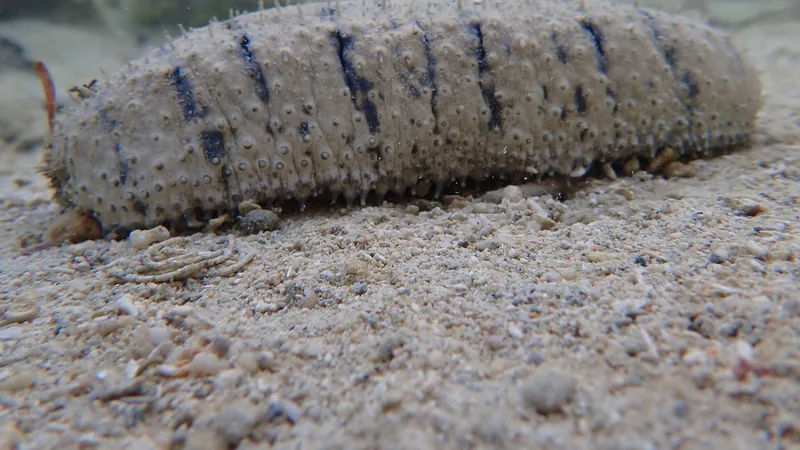
Sandfish Sea Cucumber
A sediment-swallowing sea cucumber that is one of the highest-valued species in the bêche-de-mer trade.
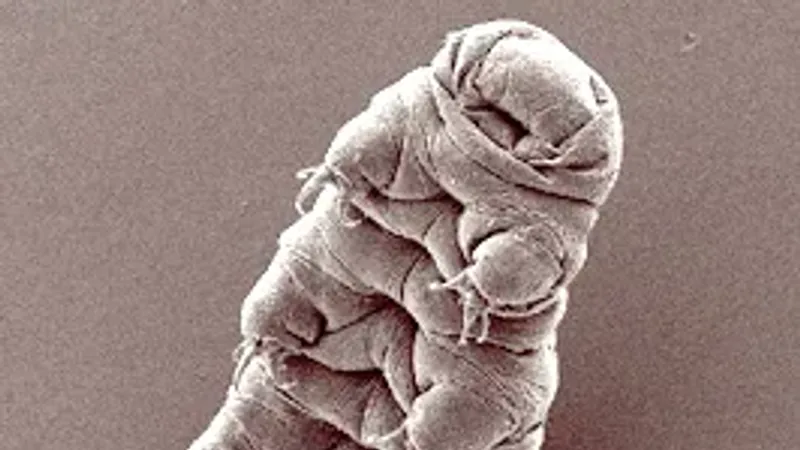
Tardigrade (Water Bear)
Eight-legged micro-survivor that meets a dose of gamma rays by rapidly switching on many of its own DNA-repair genes.