Ungulate
Hoofed mammals with specialized digestive chambers adapted to break down tough grasses and foliage.
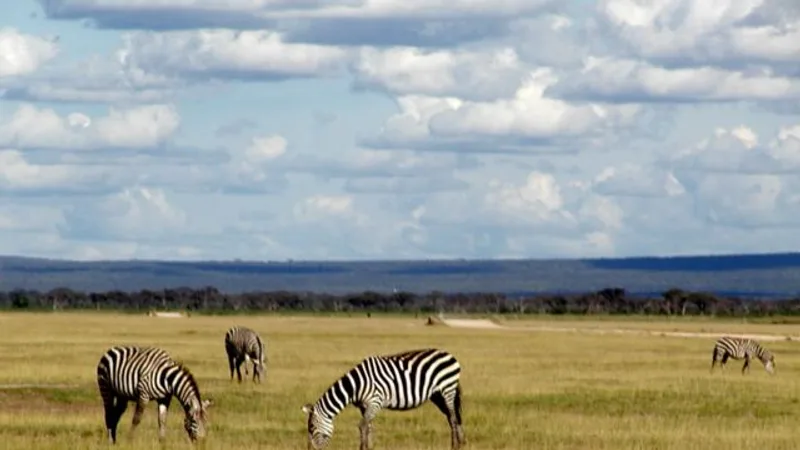
Plains Zebra
Stripes linked to biting flies, a coat as unique as a fingerprint, and a yearly Serengeti trek of around 2,900 kilometers.
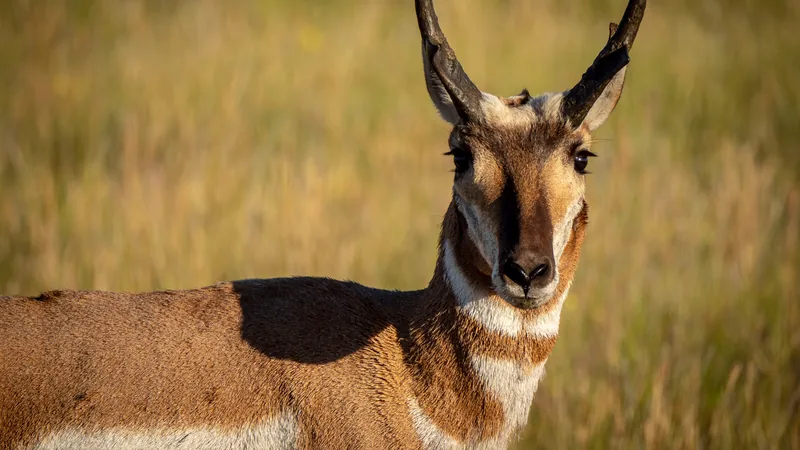
Pronghorn
A 40 to 59 kg grassland runner that can average 65 km/h over 11 km, backed by an extraordinary capacity to consume and process oxygen.
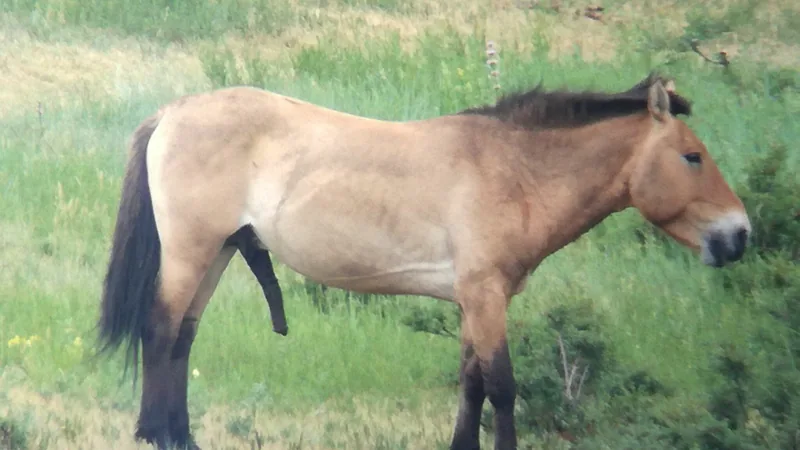
Przewalski's Horse
The wild horse with 66 chromosomes, gone from the wild and then put back.
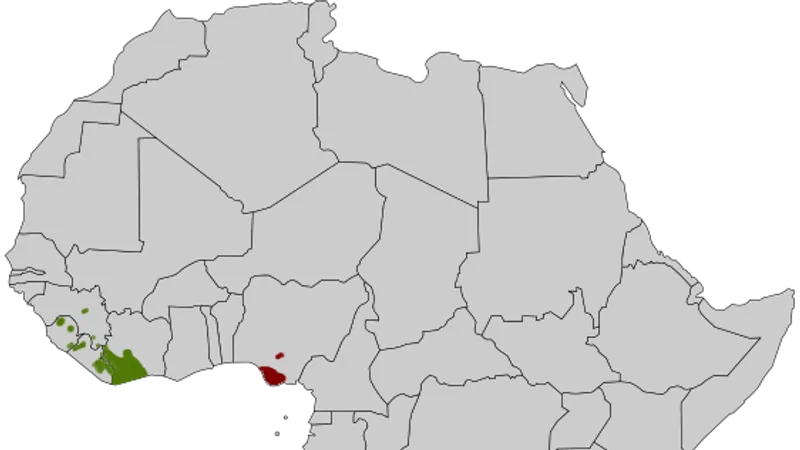
Pygmy Hippopotamus
Dwarf solitary forest hippo of the Upper Guinean swamps, with pink blood-sweat sunscreen.
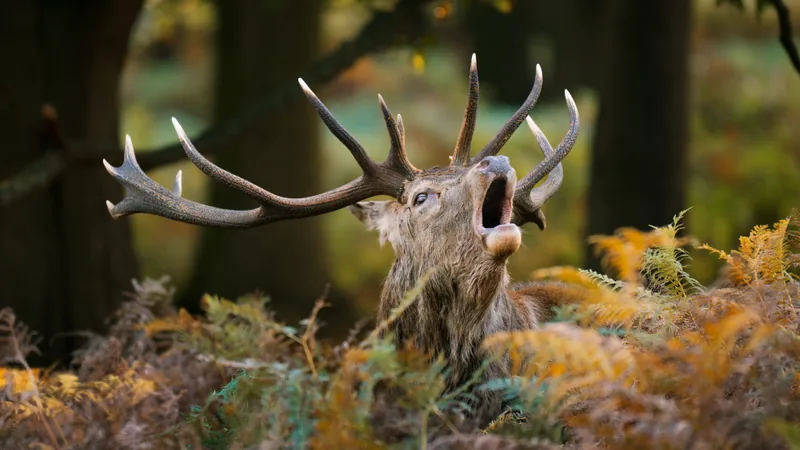
Red Deer
The UK's largest land mammal: a stag of up to 190 kg that regrows its antlers each year and roars through the autumn rut.
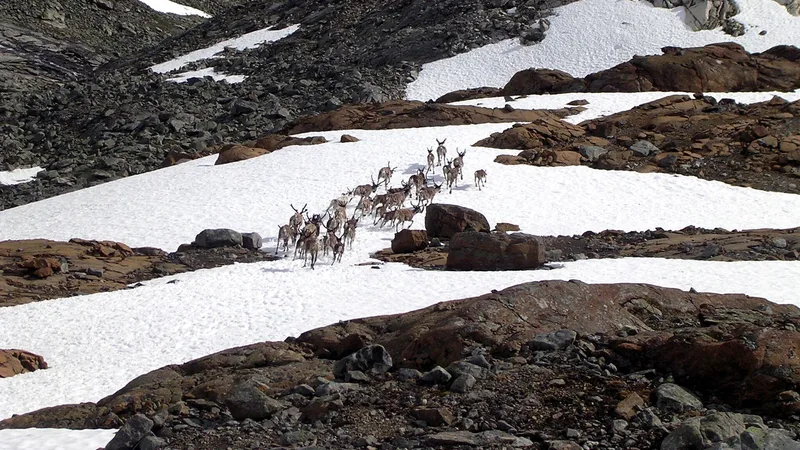
Reindeer (Caribou)
Eyes that shine deep blue in the Arctic winter, feet that click when it walks, and the only deer where cows grow antlers too.
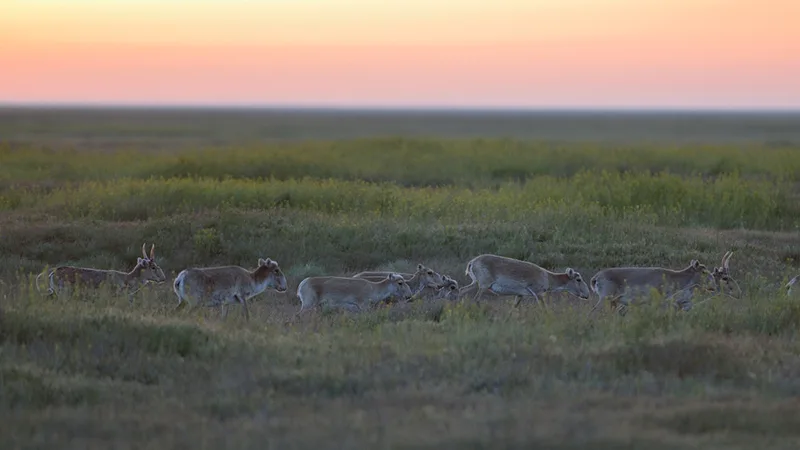
Saiga Antelope
An inflatable nose, loud nasal roars, and an Ice Age survivor of the Eurasian steppe.
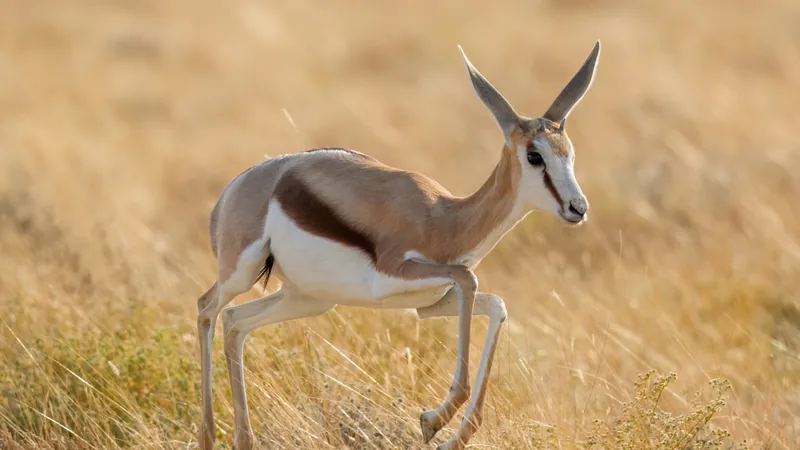
Springbok
A gazelle-like antelope that bounces on stiff legs and flares a hidden crest of white hair.
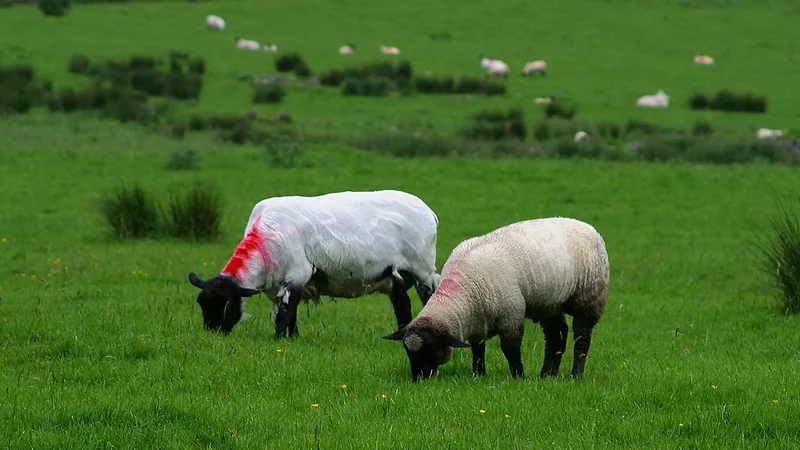
Suffolk Sheep
A jet-black, wool-free head and legs against a clean white fleece, on an English meat breed whose lambs can gain more than a pound a day.
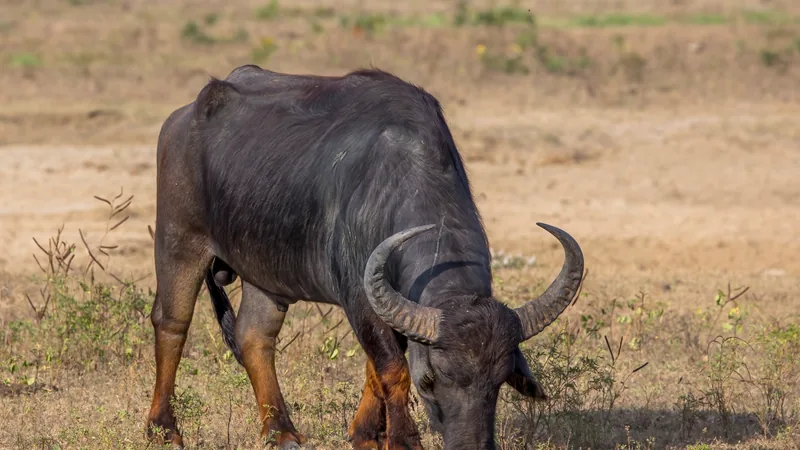
Water Buffalo
A farm giant that can reach 1,000 kg and wallows in mud to cool off.

White Rhinoceros
1,800 to 2,700 kilograms of armored grey hide and a keratin horn, carrying a name nobody has ever actually proven right.
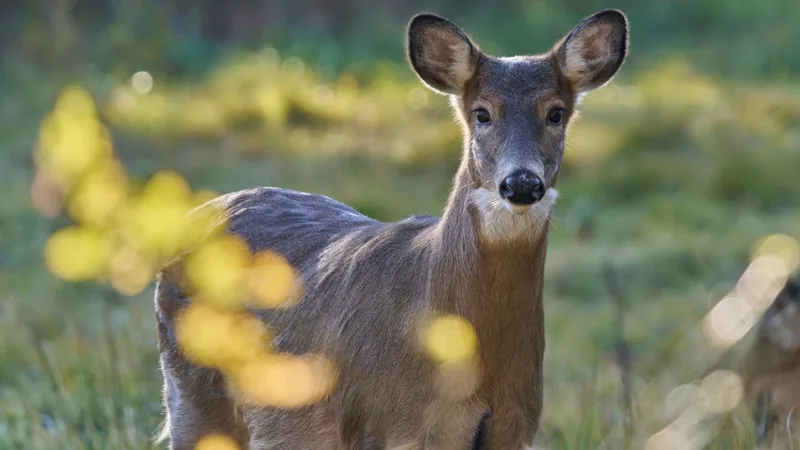
White-Tailed Deer
A fawn holds in its waste until its mother returns, and she swallows whatever it passes so predators find no sign of it.