Medium
Creatures with real weapons and little interest in using them on anything your size.
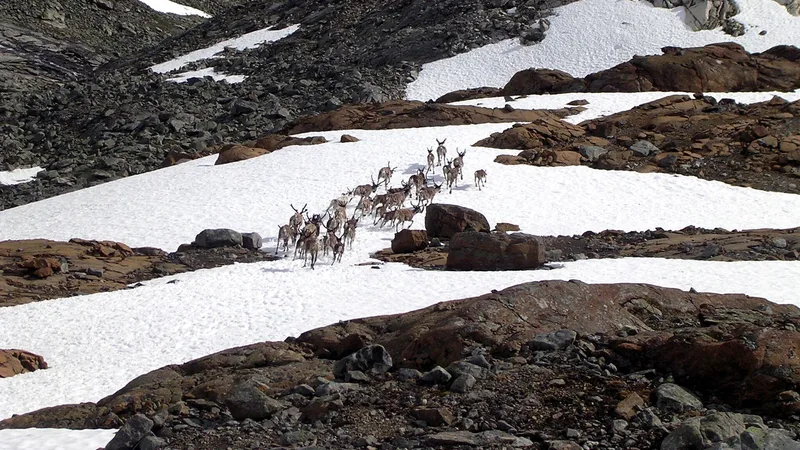
Reindeer (Caribou)
Eyes that shine deep blue in the Arctic winter, feet that click when it walks, and the only deer where cows grow antlers too.
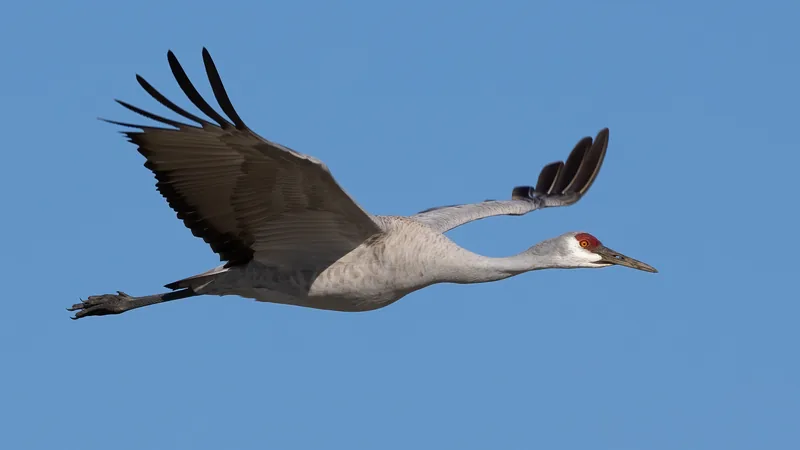
Sandhill Crane
A red-capped crane that duets with its mate and sleeps standing in the shallows.
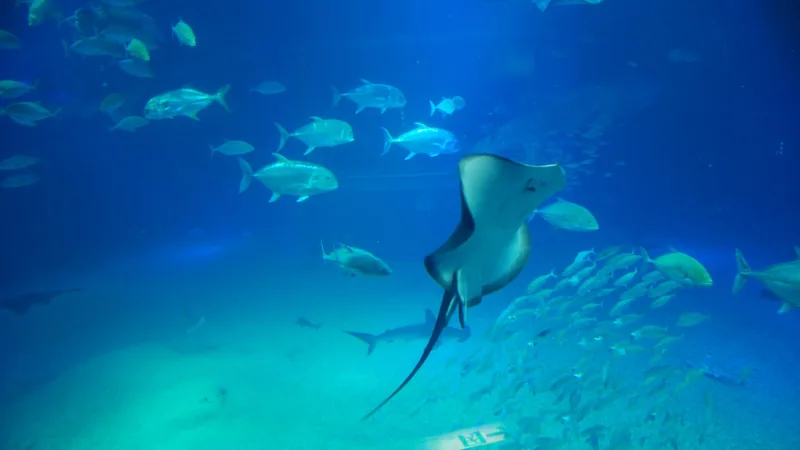
Scalloped Hammerhead
A wide head that seems to sense prey no better than a sandbar shark's, but searches a wider area and can pivot into sharp turns at high speed.
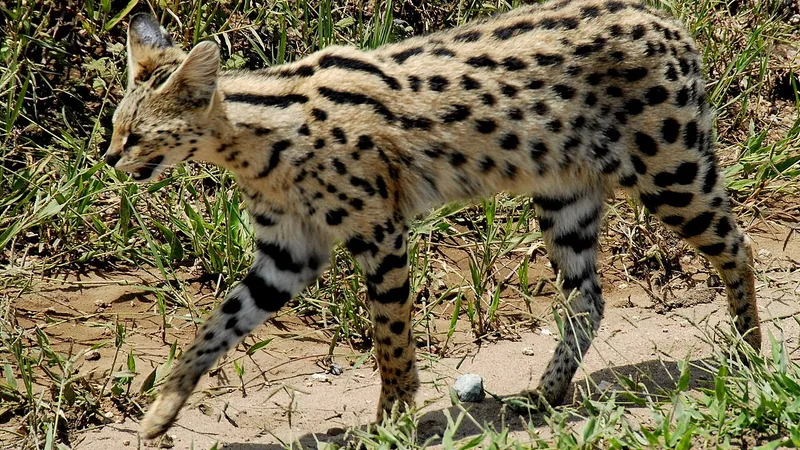
Serval
Savanna hunter with the longest legs and largest ears for its size of any cat, able to leap more than nine feet straight up to snatch a bird from the air.
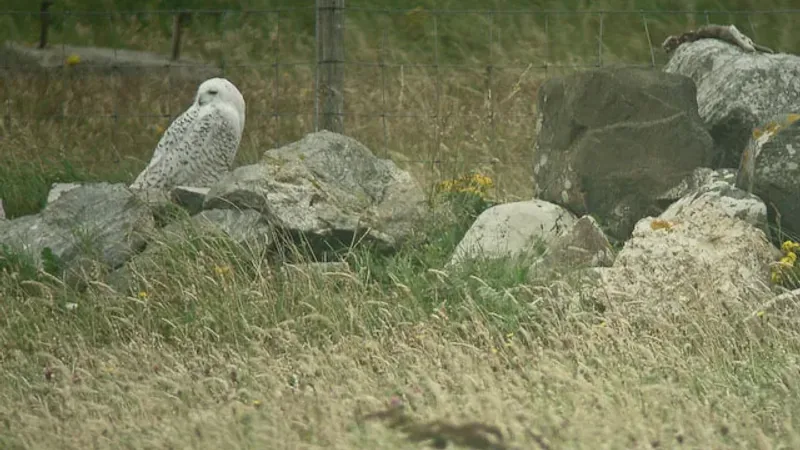
Snowy Owl
A powerful owl of the Arctic tundra that often hunts by day, colored for winter camouflage and able to take birds as big as geese.
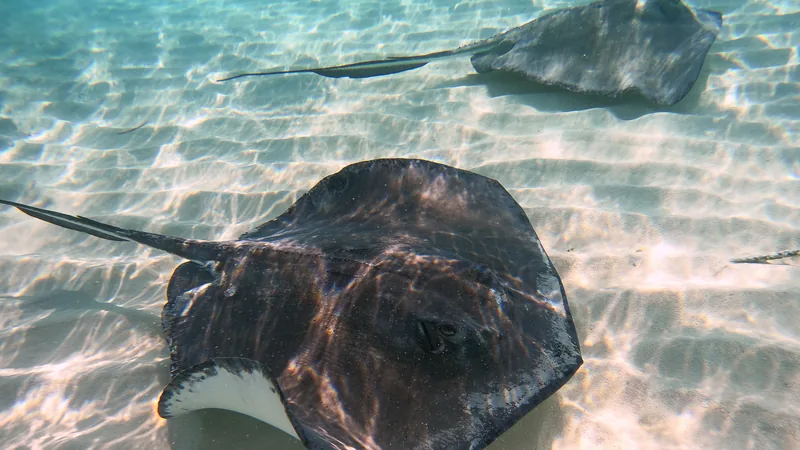
Southern Stingray
A diamond-shaped digger that flaps its fins to uncover prey and finds it by its electric field.

Sperm Whale
Hunts on dives that routinely reach 610 meters, fires biosonar clicks up to 236 decibels underwater, and occasionally swallows giant and colossal squid.
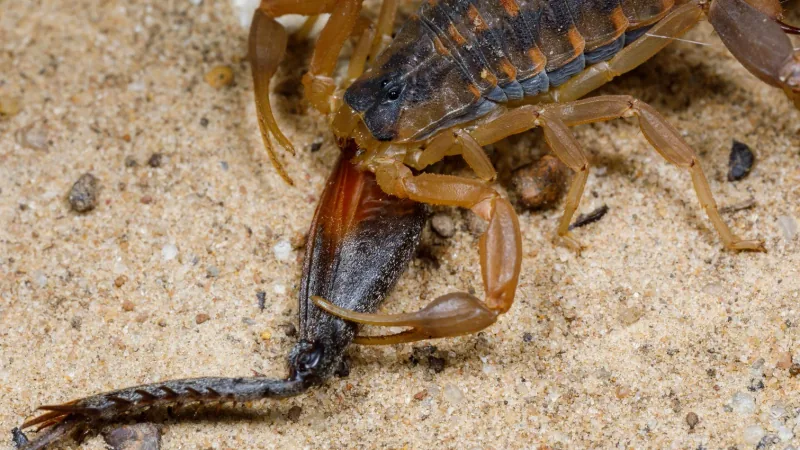
Striped Bark Scorpion
One of the most common scorpions in the United States. In lab tests, its females stung at a faster rate than its males.
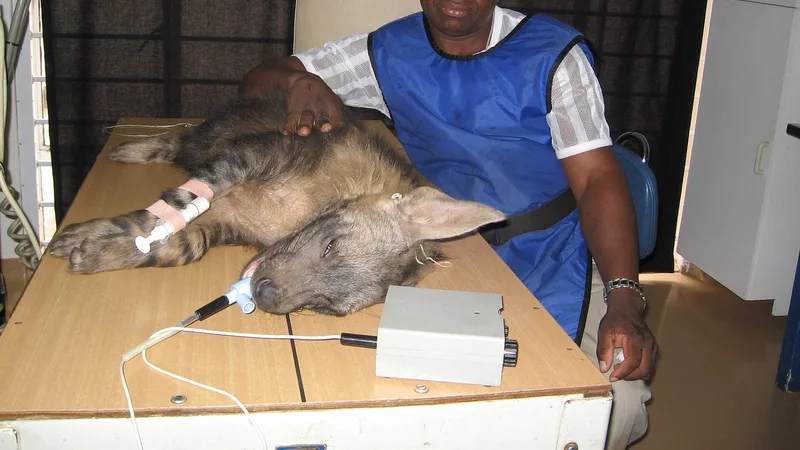
Striped Hyena
A raised mane that makes it look nearly twice its size, jaws built to crush bone, and a scavenger's range from northern Africa to India.
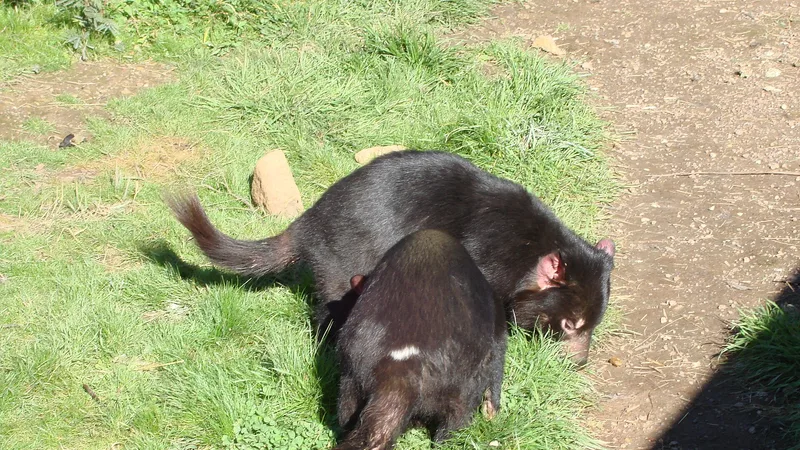
Tasmanian Devil
Pound for pound, the strongest estimated bite of any living mammal predator studied, bloodcurdling nocturnal screams, and a scavenger's take-no-prisoners appetite.
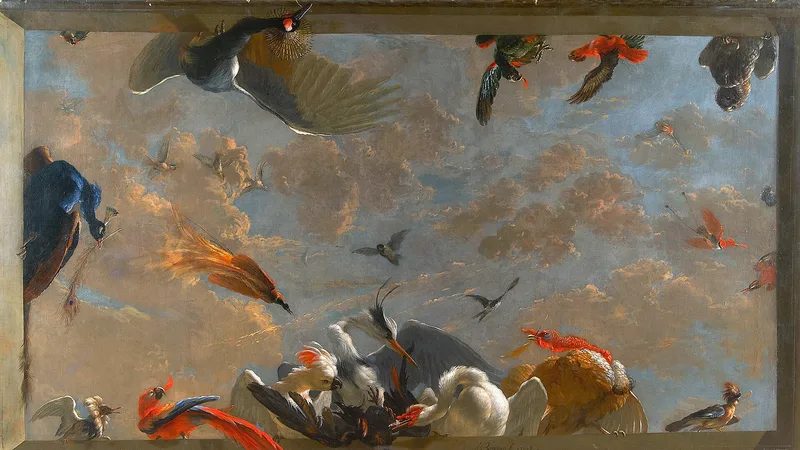
Tawny Owl
Broad rounded wings, lopsided ears, and a 'too-whit-too-woo' that takes two birds to make.
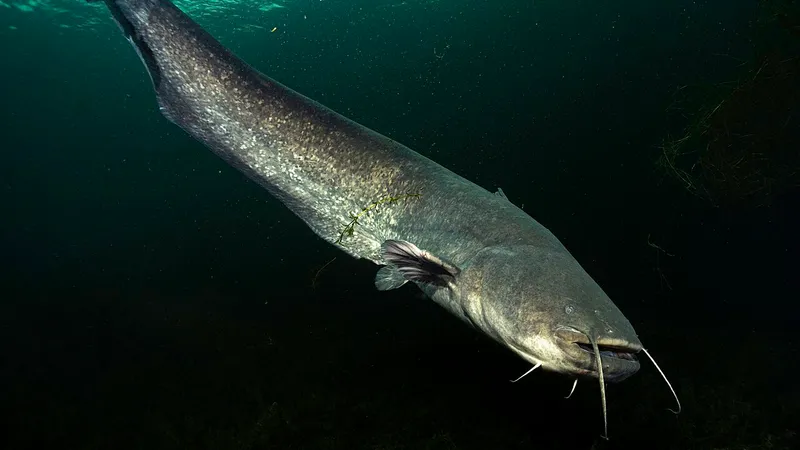
Wels Catfish
Europe's largest freshwater fish, and on one French river, a hunter that beaches itself to grab pigeons off a gravel island.
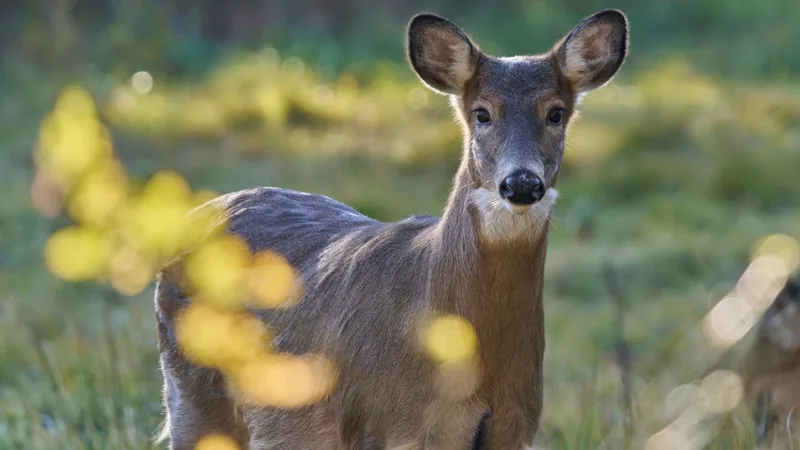
White-Tailed Deer
A fawn holds in its waste until its mother returns, and she swallows whatever it passes so predators find no sign of it.
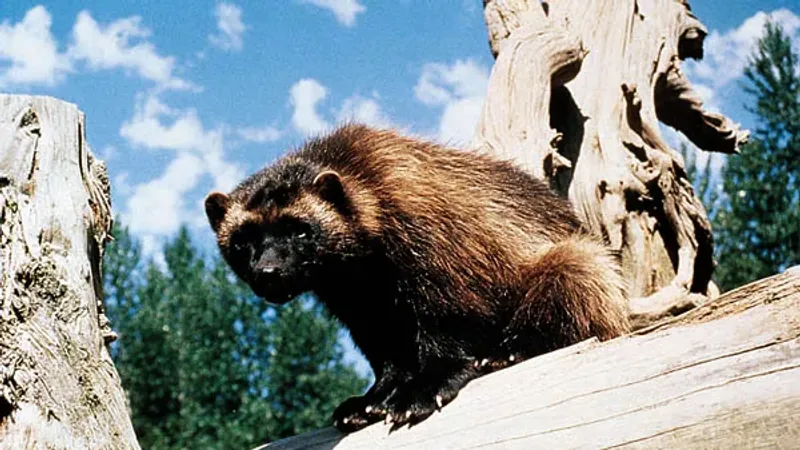
Wolverine
Scavenger of the far north whose jaw-joint bone was the stiffest and most crush-resistant of 40 carnivores tested in a 2018 study.