Cephalopods
Three hearts, blue hemocyanin blood, and skin that functions like a high-speed video screen.
Cephalopoda
Cephalopods separated from other molluscs over 500 million years ago by swapping heavy protective shells for hyper-maneuverable jet propulsion and decentralized intelligence. Two-thirds of their neurons are spread throughout their flexible arms, allowing individual limbs to taste, smell, and execute predatory strikes without waiting for commands from the central brain.
Key Evolutionary Adaptations
Three separate hearts pump blue copper-based blood through pressurized aquatic circulatory systems.
Chromatophore, iridophore, and leucophore skin layers change color and 3D texture in under 200 milliseconds.
Lacking rigid internal bones, soft-bodied octopuses can squeeze through any gap larger than their sharp chitinous beaks.
All Cephalopods
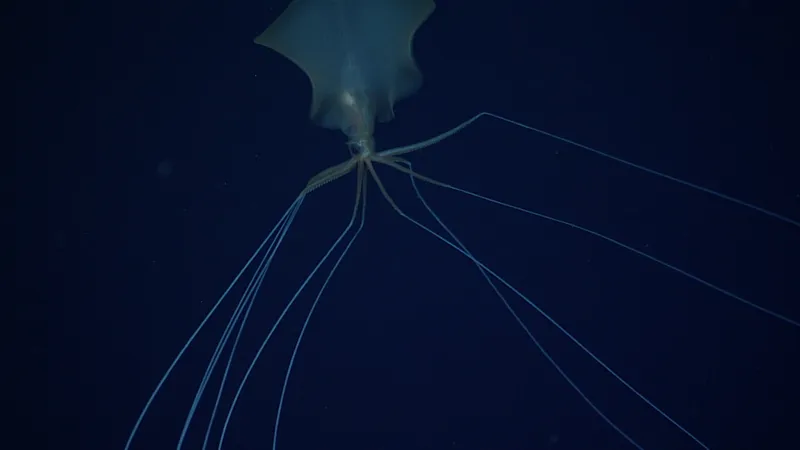
Bigfin Squid
The deepest-dwelling squid on record, with elbow-bent arms trailing sticky filaments that may stretch up to 20 times its body length.
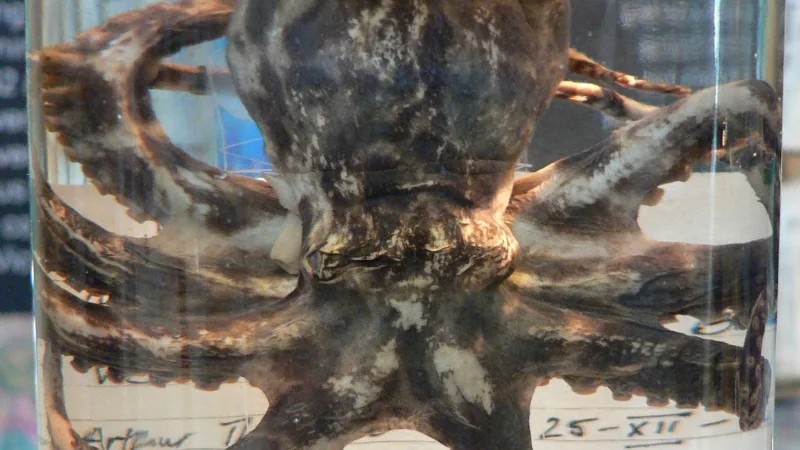
Blue-Ringed Octopus
Golf-ball sized tide pool titan flashing iridescent electric blue rings and deadly tetrodotoxin.
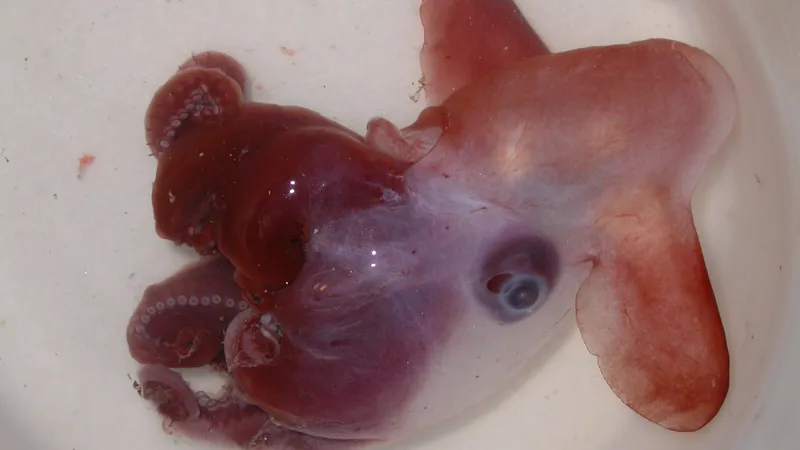
Casper Octopus
The nearly translucent deep-sea octopod that nobody has named, because nobody has ever caught one.
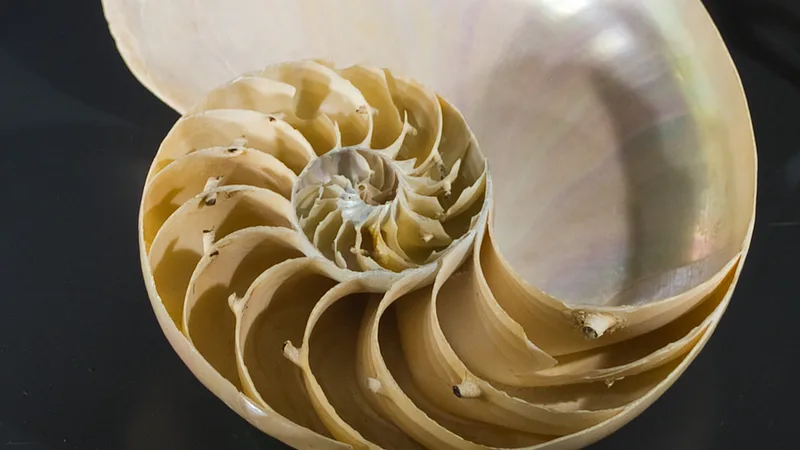
Chambered Nautilus
A shell that works like a submarine's ballast tank, an eye with no lens, and a sense of smell that can follow a scent up to 10 meters in the dark.

Colossal Squid
The heaviest invertebrate documented, with tentacle hooks that swivel up to 720 degrees and eyes about the size of a soccer ball.
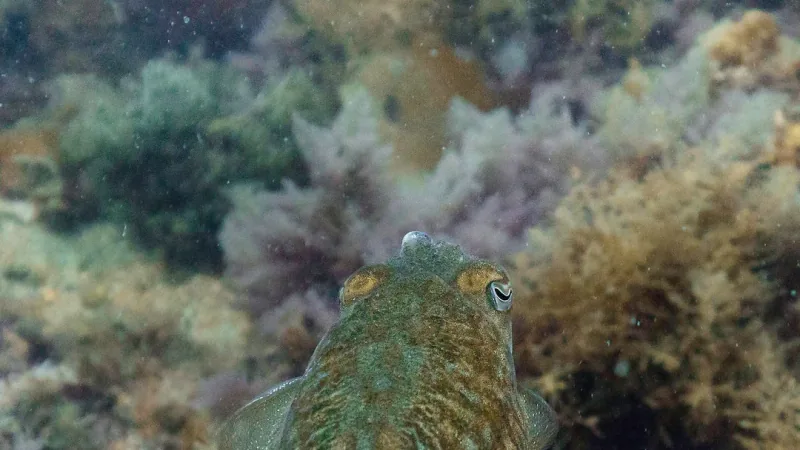
Common Cuttlefish
A color-blind ocean shapeshifter that reads polarized light and turns its skin from smooth to spiked in moments.
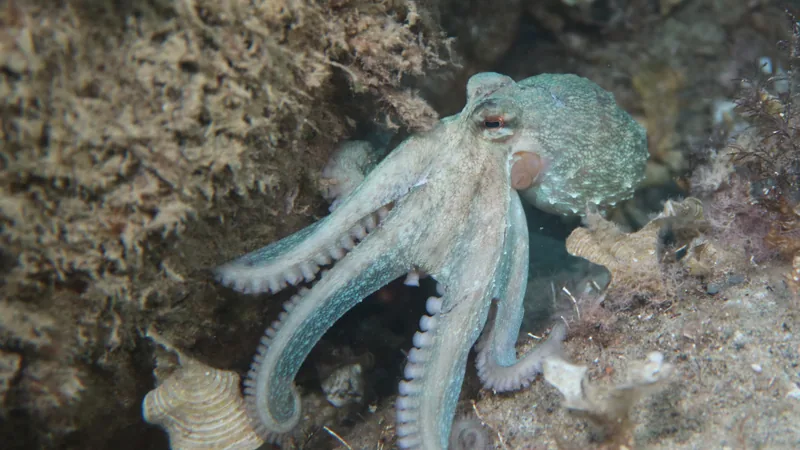
Common Octopus
A shallow-water hunter whose colour-changing skin is run by over half a million neurons, yet which is estimated to live one to two years.
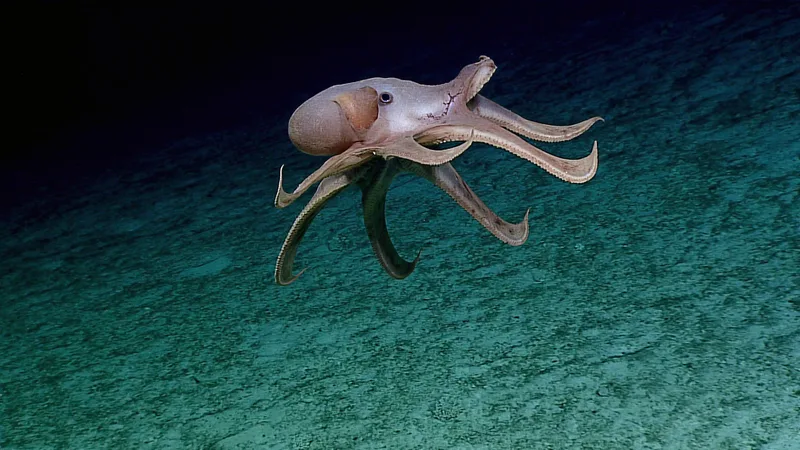
Dumbo Octopus
Ear-like flapping fins, webbed umbrella arms, and among the deepest-living of all known octopuses, some living as deep as 7,000 meters (23,000 feet).
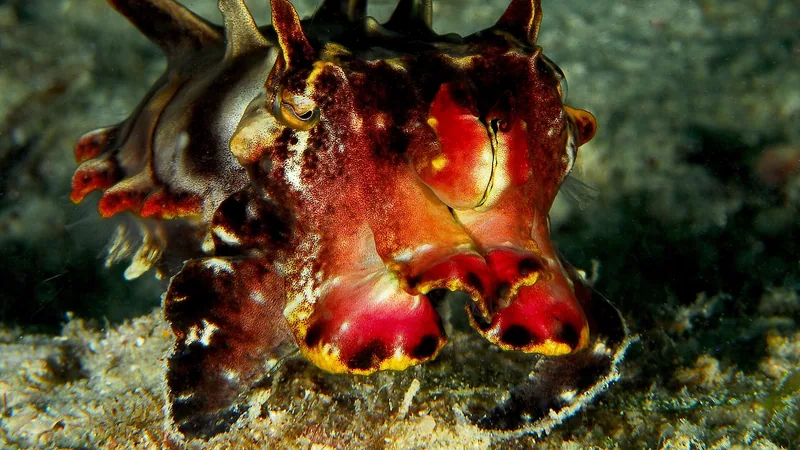
Flamboyant Cuttlefish
Bottom-walking cephalopod that sends color waves across its skin and flashes warning colors to advertise its venom.
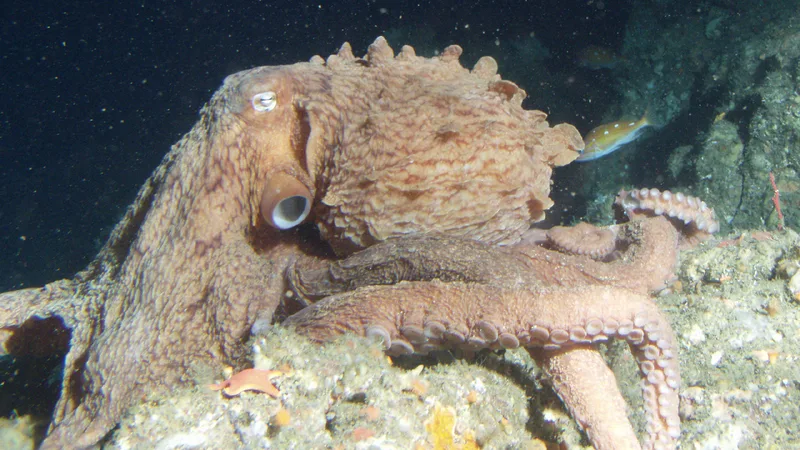
Giant Pacific Octopus
Three brains, three hearts, blue copper blood, and skin that changes color and texture.
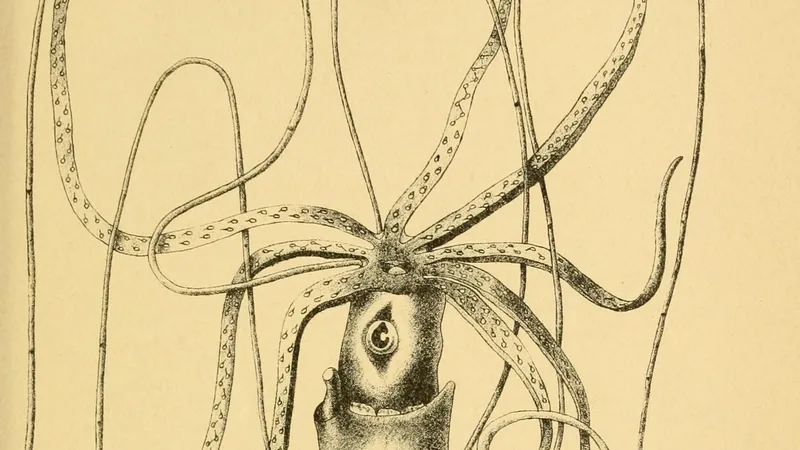
Giant Squid
The longest cephalopod. The longest one scientifically verified measured 12 m.
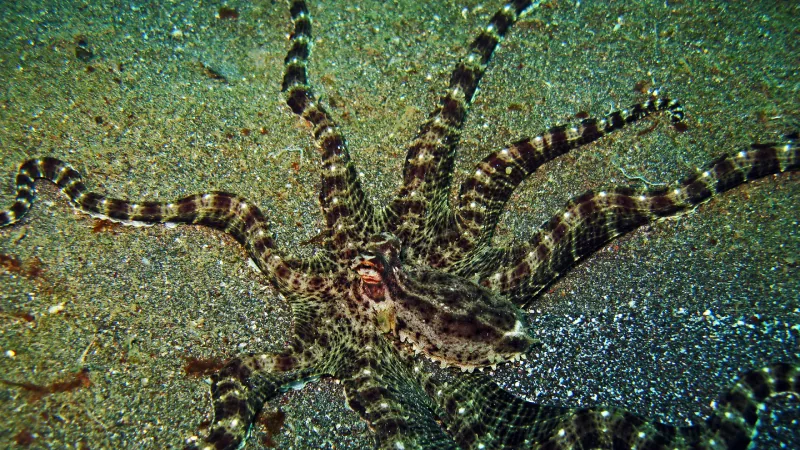
Mimic Octopus
The octopus that acts out toxic animals, and seems to pick the impression to suit the threat.
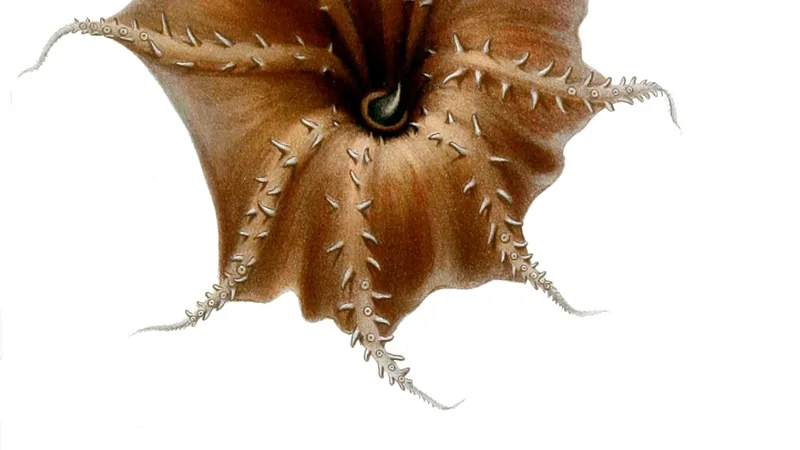
Vampire Squid
Oxygen-poor twilight-zone living, pulsing blue arm tips, and an inside-out pineapple posture.