Seals & Sea Lions
Blubber-insulated marine carnivores built for icy ocean dives and coastal breeding haul-outs.
Pinnipedia
Pinnipeds bridge land and sea. Protected by thick layers of dense blubber and hydrodynamic fur, their limbs have evolved into paddle-like flippers. Sensitive whisker arrays track turbulent fish wakes through pitch-black, murky sub-zero waters.
Key Evolutionary Adaptations
Vibrissae whiskers detect microscopic water vortices left behind by swimming prey several minutes earlier.
Dense vascular blubber shields core organs from Arctic freezing while storing essential metabolic energy.
Southern elephant seals dive past 1,500 meters by slowing their heart rates down to just a few beats per minute.
All Seals & Sea Lions
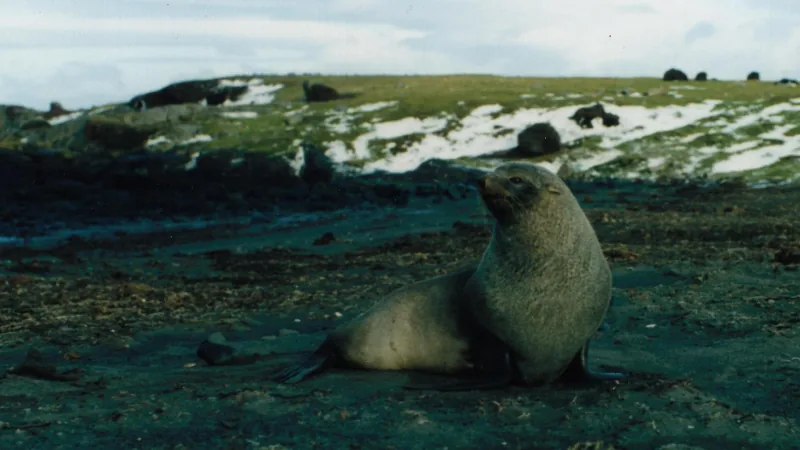
Antarctic Fur Seal
The hyper-dense furred beach warrior that came back from commercial extinction and is now declining again.
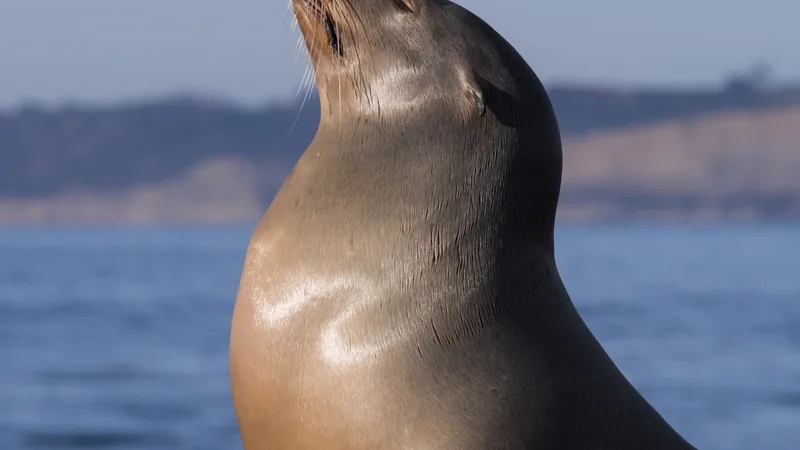
California Sea Lion
Males bark like dogs, and a mother can find her pup among hundreds by its call.
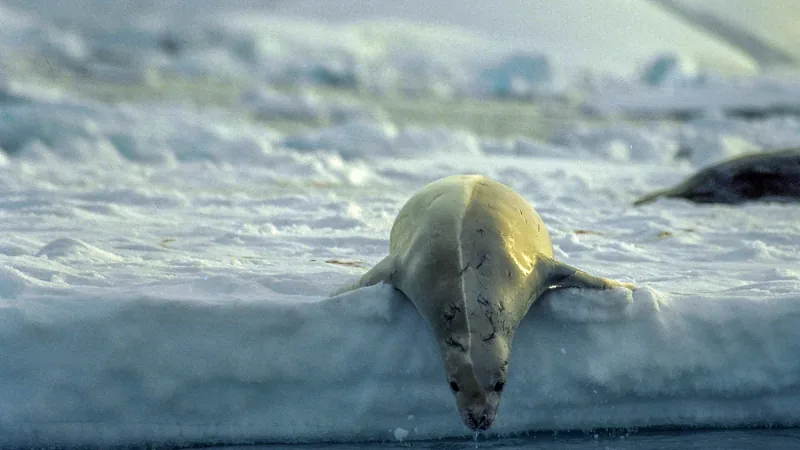
Crabeater Seal
The Southern Ocean's most abundant seal, straining Antarctic krill through teeth called the most complex of any carnivore.
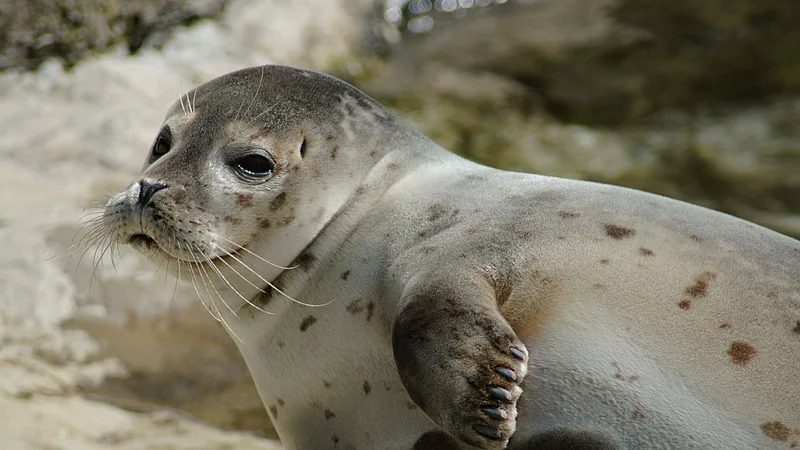
Harbor Seal
Whiskers that detect a swimming fish's wake, a heart rate that can drop to three or four beats a minute on a dive, and the widest range of any seal on Earth.
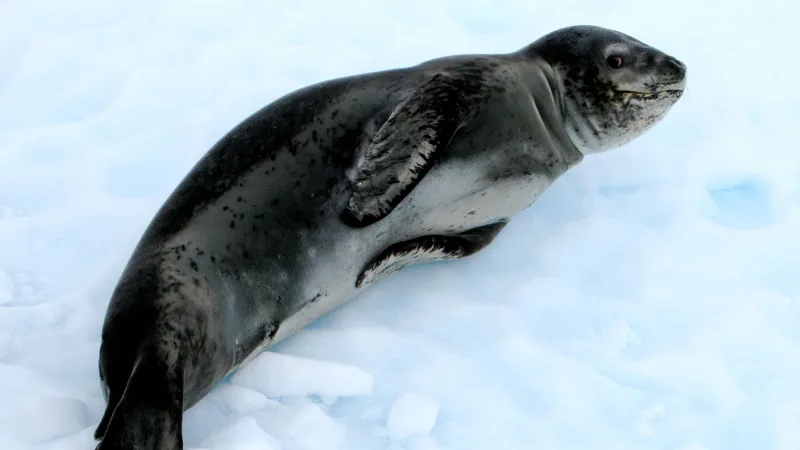
Leopard Seal
The serpentine apex hunter of Antarctic pack ice with a reptilian gape and teeth that double as krill sieves.
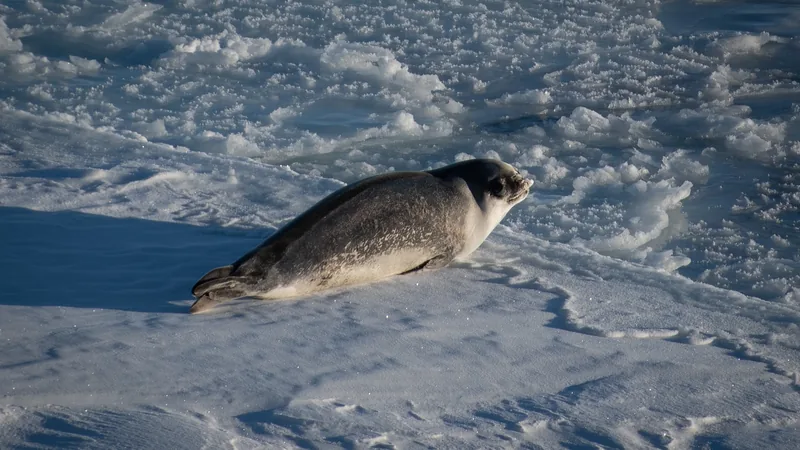
Ross Seal
The least-studied of Antarctica's ice-breeding seals, a loner with enormous eyes that often dives past 300 metres.
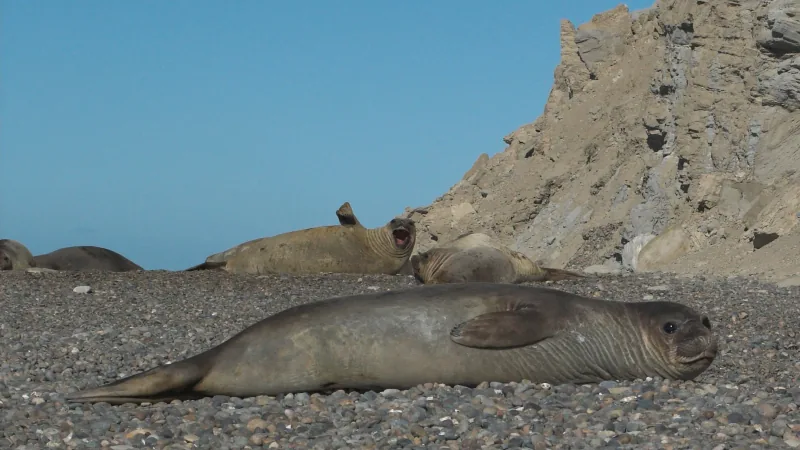
Southern Elephant Seal
The largest living carnivoran, with a roaring nose and blood built for breath-holds of up to two hours.
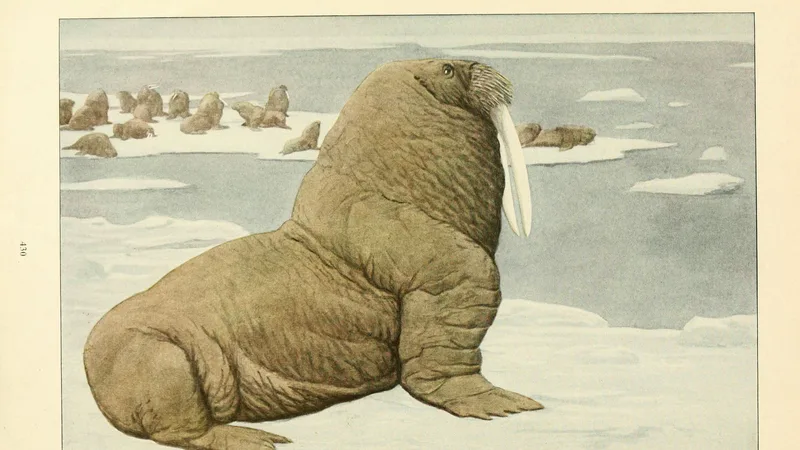
Walrus
Tusks up to three feet long, hundreds of sensitive whiskers, and the bulk of the third-largest pinniped.
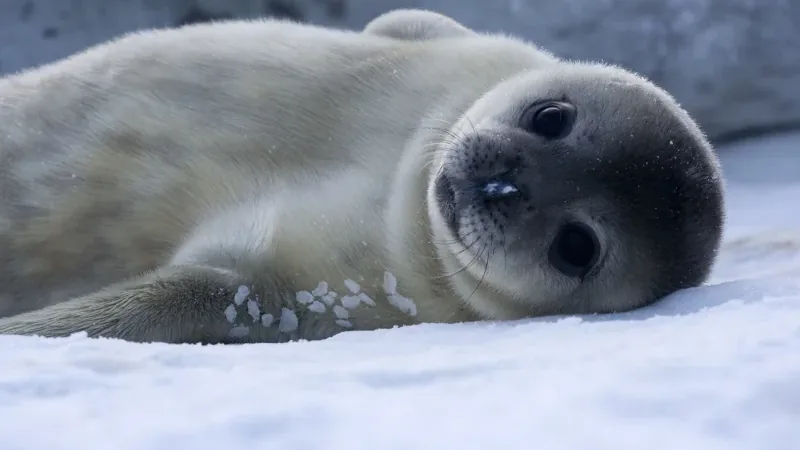
Weddell Seal
The most southerly-ranging mammal living permanently in Antarctica, rasping breathing holes through new sea ice with its teeth and diving as deep as 720 metres.