Jellyfish & Cnidarians
Microscopic pressurized harpoon cells, bioluminescent bells, and cellular immortality.
Cnidaria & Ctenophora
Cnidarians are radially symmetrical aquatic organisms that lack brains, blood, and bones. Despite their primitive anatomy, their tentacles are armed with nematocysts: pressurized microscopic harpoon capsules that fire neurotoxins at accelerations matching speeding bullets. Comb jellies are filed here too and skip the harpoons entirely: their tentacles are armed with colloblasts, cells that discharge adhesive substances to aid in subduing prey.
Key Evolutionary Adaptations
Nematocyst harpoon tubules accelerate at over 5,000,000 g, piercing skin and injecting venom in under 700 nanoseconds.
Turritopsis dohrnii jellyfish can reverse their life cycle from mature medusa back to polyp stage when damaged or stressed.
Portuguese man o wars are siphonophore superorganisms composed of four specialized zooid classes working as a single colony.
All Jellyfish & Cnidarians
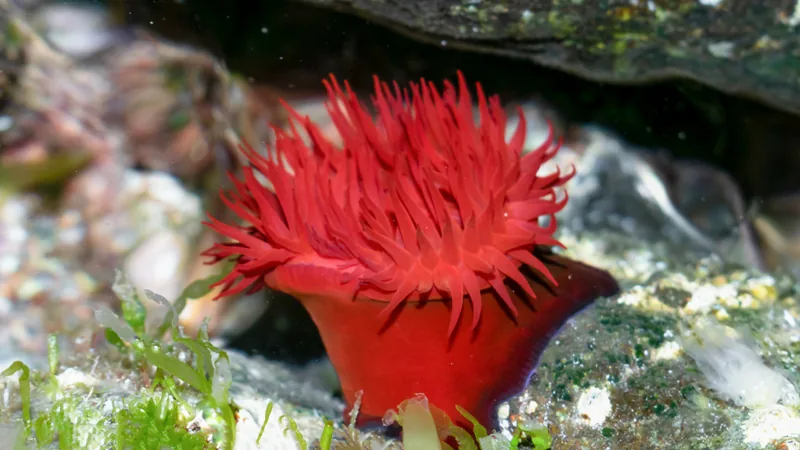
Beadlet Anemone
A red blob on the rocks that picks fights with its neighbors using stinging blue spots.
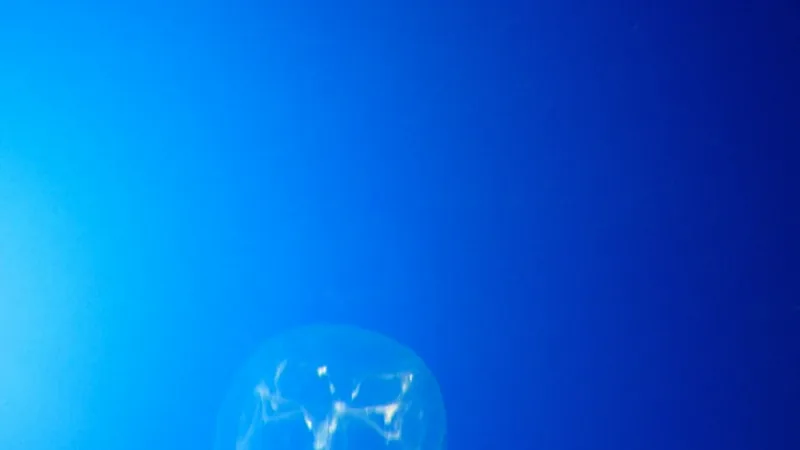
Box Jellyfish
The translucent ocean predator with 24 eyes, no brain, and venom that can kill a person in minutes.
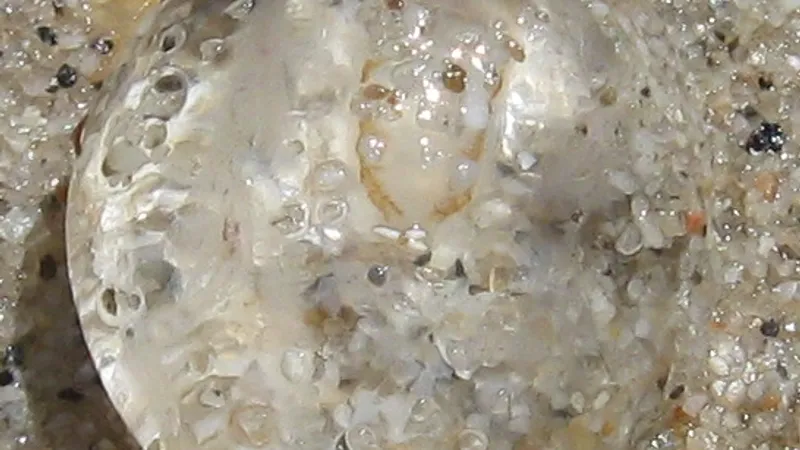
Comb Jelly
The predator that pulses with rainbow diffraction along its beating ciliary comb rows, and not one flicker of it is bioluminescence.
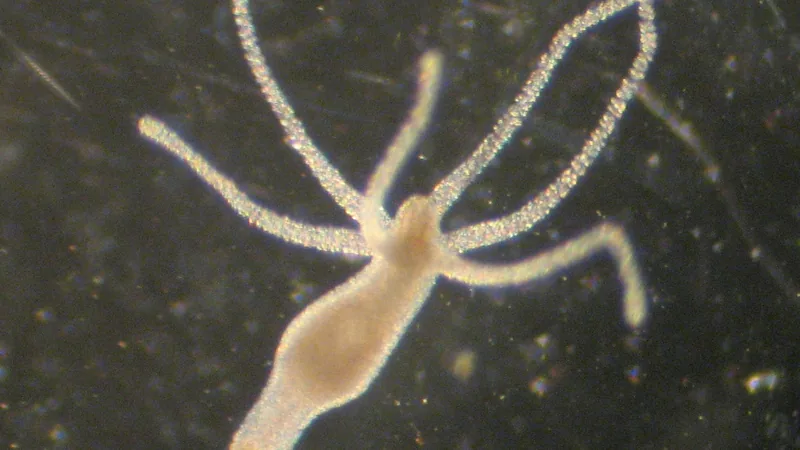
Hydra
A small freshwater polyp whose death rate in lab studies stayed flat as it got older.
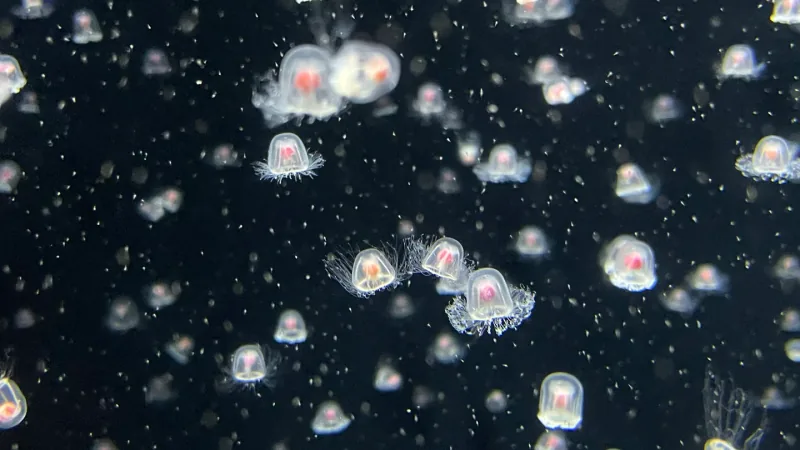
Immortal Jellyfish
A bell up to 3.3 millimetres wide that can turn back into a polyp instead of dying, in the lab at least.
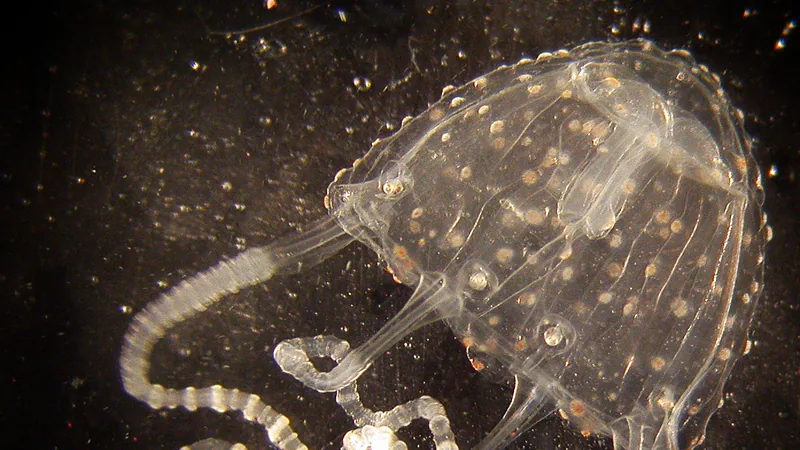
Irukandji Jellyfish
A box jellyfish that fishes for larval fish by twitching its tentacles like lures.
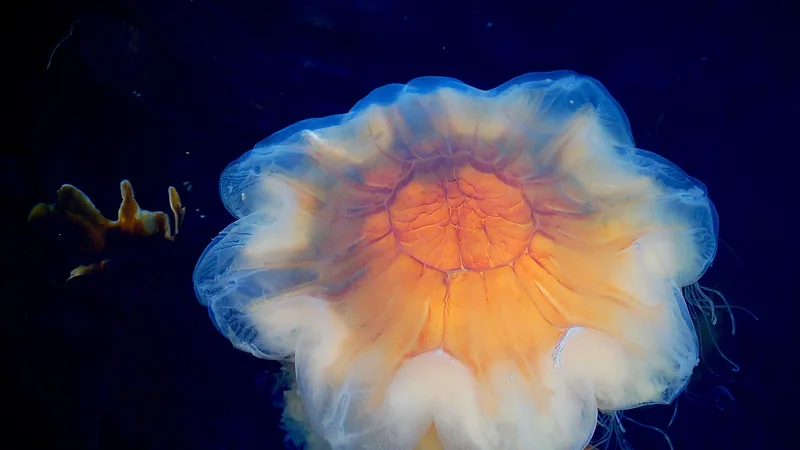
Lion's Mane Jellyfish
Often called the world's longest jellyfish, with tentacles speculated to trail up to 120 feet through Arctic and temperate seas.
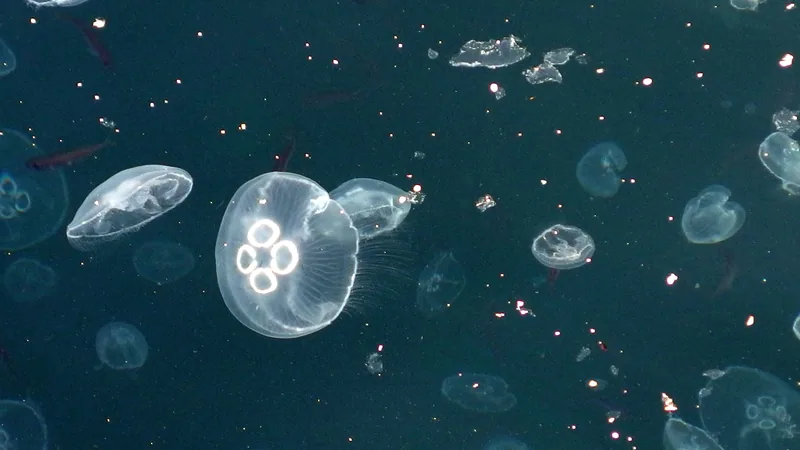
Moon Jellyfish
A see-through pulsing bell that ranks among the most energy-efficient swimmers on the planet.
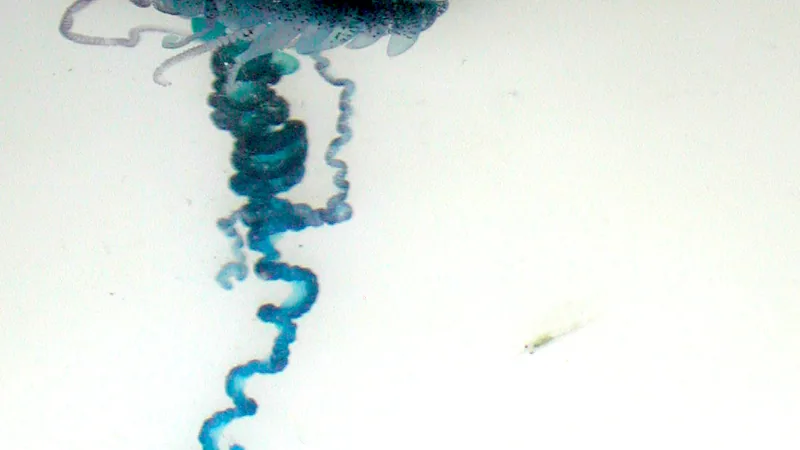
Portuguese Man o' War
Colonial siphonophore sail, up to thirty-meter neurotoxic tentacles, and ocean surface drifter.
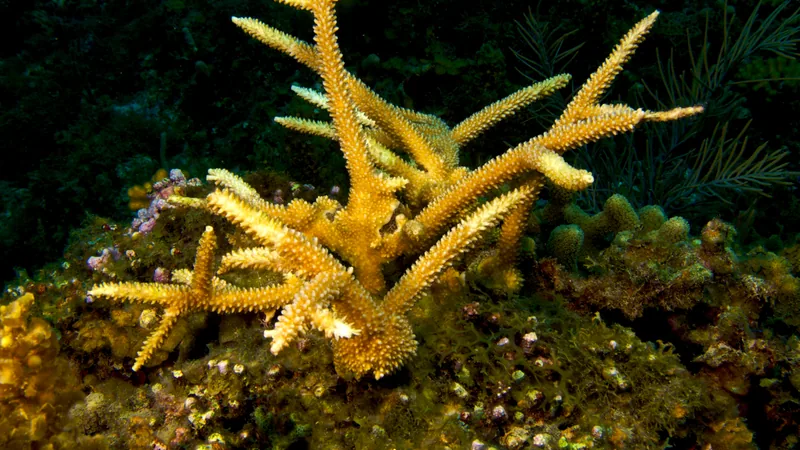
Staghorn Coral
An antler-shaped coral that can grow up to 8 inches of branch a year, yet lost 97 percent of its numbers to one disease.