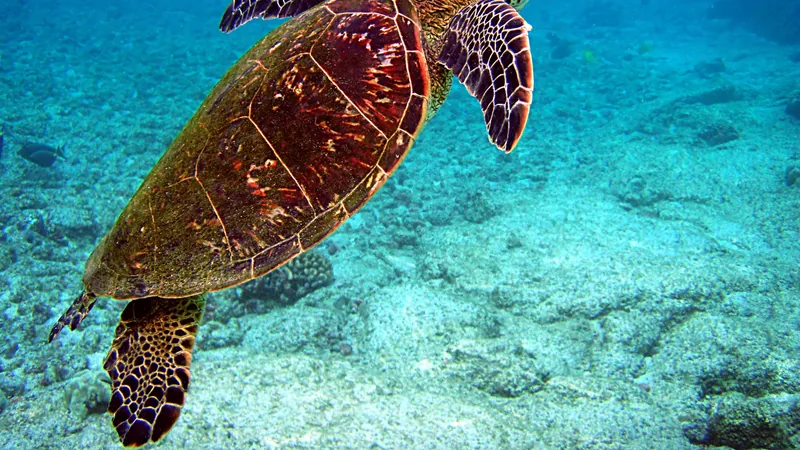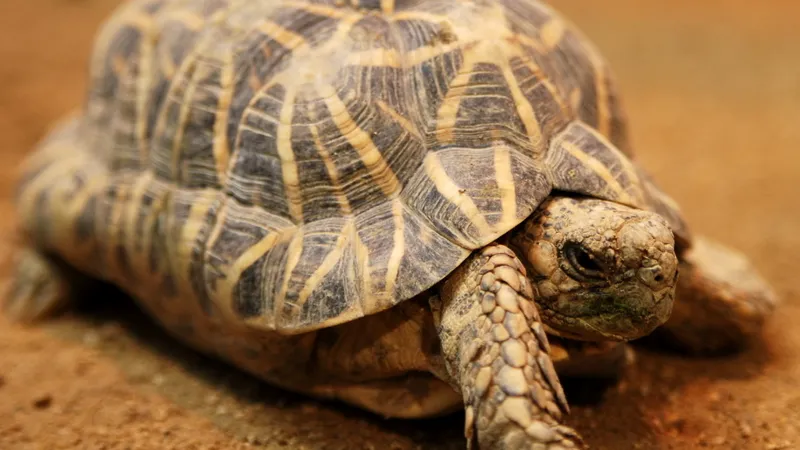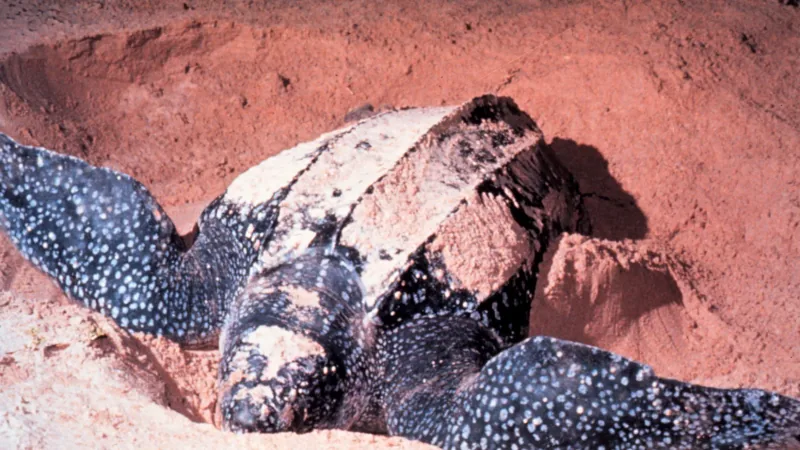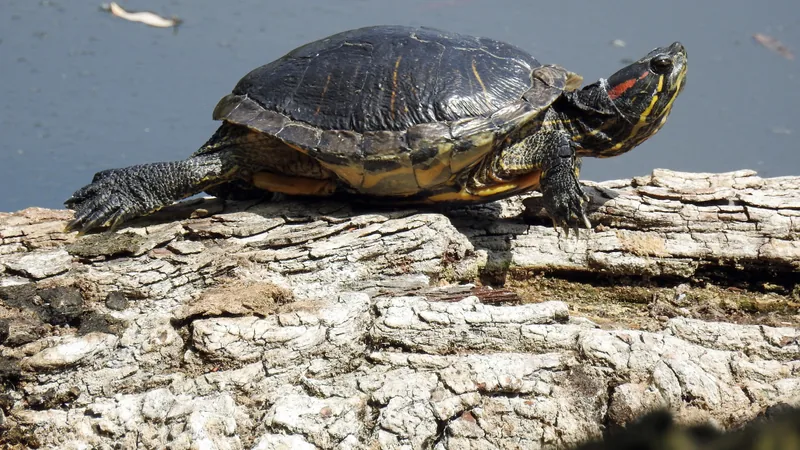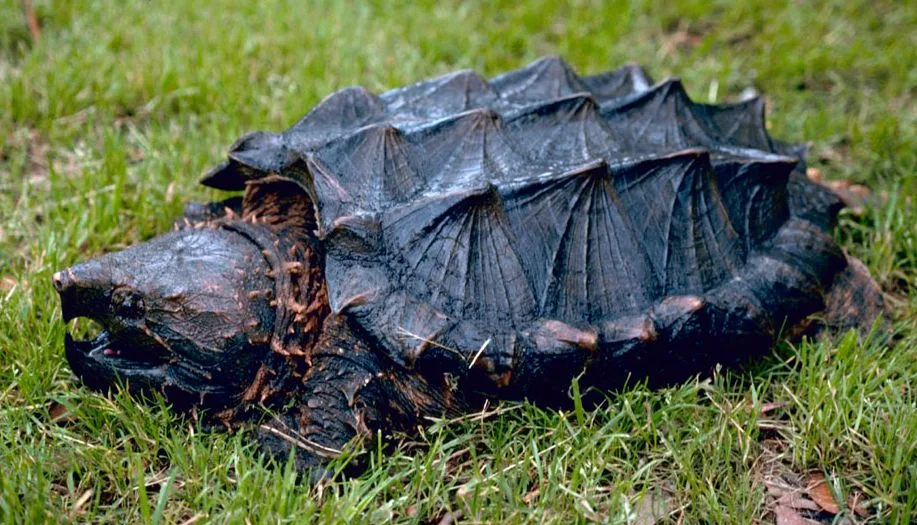
Alligator snapping turtle (Macrochelys temminckii)
Field
notes
The 200-Pound Living Dinosaur of the Bayous
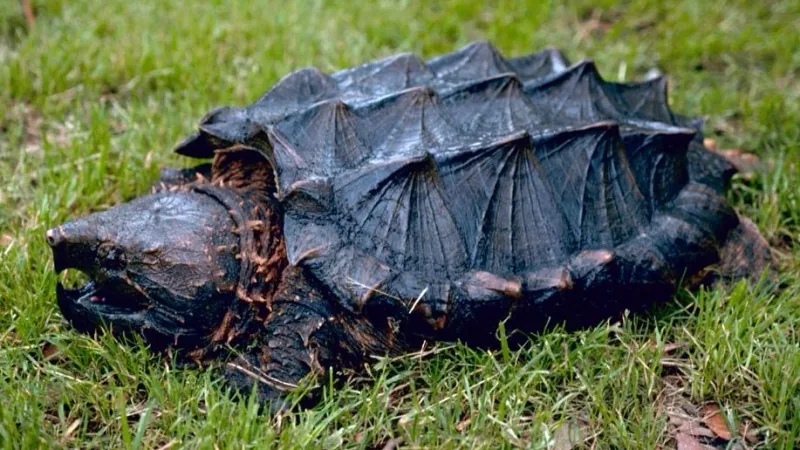
Lurking beneath the dark, tannin-stained waters of southeastern American rivers, the Alligator Snapping Turtle (Macrochelys temminckii) looks like a creature dredged straight from the Cretaceous period. Weighing up to 200 pounds (90 kilograms) with a spiked triple-ridged carapace and a head as broad as a basketball, it is the largest freshwater turtle in the Western Hemisphere.
Unlike common snapping turtles that actively swim and search for food, the alligator snapper is a patient ambush predator. Its dark brown shell is often blanketed with living river algae, camouflaging it against the muddy riverbed among fallen cypress logs. It can rest motionless on the bottom for hours, virtually indistinguishable from a sunken log.
The Organic Fishing Lure
To capture swift river fish without chasing them, the turtle employs one of the cleverest aggressive mimicry adaptations in the animal kingdom. Opening its cavernous jaws at a wide 80-degree angle, it exposes a dark oral cavity containing a bright pink, bifurcated fleshy projection on the floor of its tongue.
By pumping blood into this vermiform appendage and rhythmically twitching it, the turtle makes the organ writhe like an active earthworm or insect larva. When an unsuspecting bass, catfish, or crappie swims inside the mouth to seize the bait, the turtle snaps its jaws shut with explosive hydraulic speed.
Bone-Snapping Beak Mechanics The alligator snapping turtle jaw is driven by massive adductor mandibulae muscles. Laboratory transducers record bite forces of over 1,000 pounds per square inch (over 1,400 newtons) at the tip of its sharp keratinous beak, easily shearing through fish spines, crab carapaces, and smaller turtle shells.
Cloacal Breathing in River Mud
During winter cold snaps, alligator snapping turtles enter a state of deep aquatic brumation. Instead of surfacing for air every few hours, they extract dissolved oxygen directly from river water through specialized vascular tissues lining their cloaca and pharynx. This auxiliary respiration allows them to remain completely submerged in freezing currents for over 40 continuous days.
Published Updated