Turtles & Tortoises
Bony armored shells fused to ribcages, magnetic navigation, and extreme lifespans.
Testudines
Turtles wear their skeleton on the outside. Their protective shell is a fused biological fortress formed from fifty modified bones, including ribs and vertebrae. Thriving from coral reefs to arid deserts, they navigate using Earth magnetic field and survive for well over a century.
Key Evolutionary Adaptations
The turtle shell is living bone and keratin directly fused to the spine, meaning turtles cannot crawl out of their shells.
Leatherback sea turtles dive to depths of 1,200 meters, insulated by thick oily skin rather than rigid bone plates.
Sea turtle hatchlings use built-in magnetic compass sensors to cross thousands of kilometers of ocean gyres.
All Turtles & Tortoises
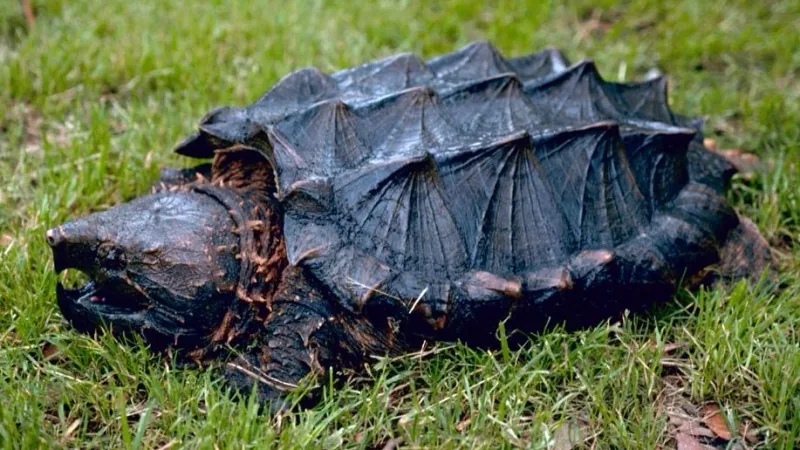
Alligator Snapping Turtle
The 200-pound riverbed dinosaur with a spiked shell, a 1,000-pound jaw trap, and a pink worm wriggling on its tongue.
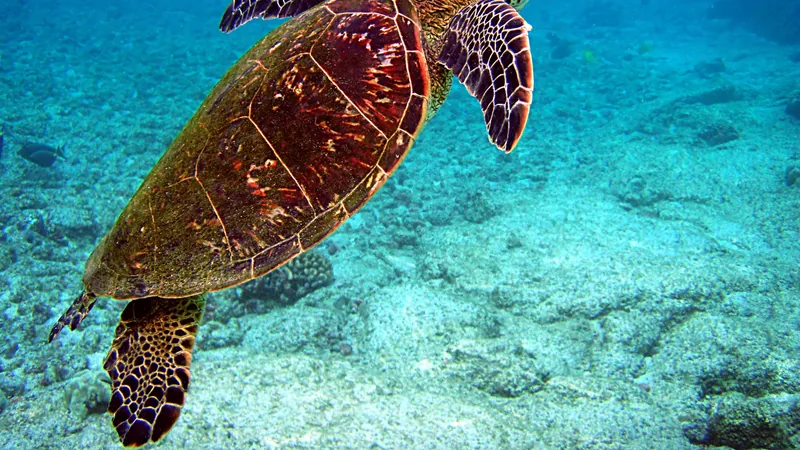
Green Sea Turtle
The only sea turtle that is mainly a plant-eater, with a map in its head that is at least partly magnetic.
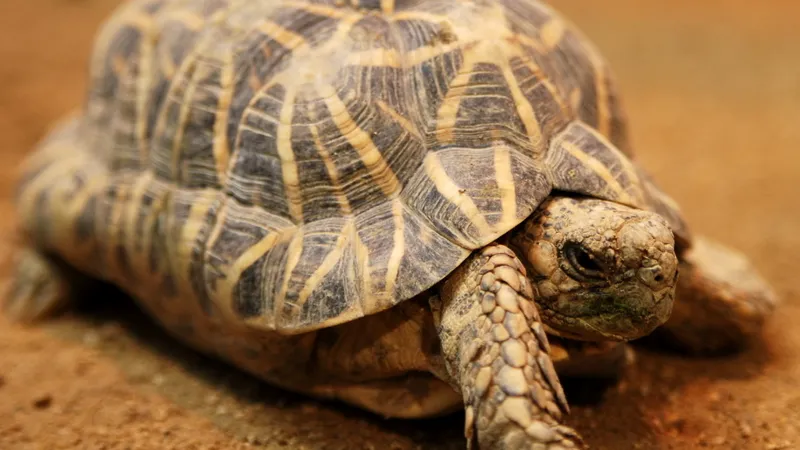
Indian Star Tortoise
Thorn-scrub grazer wearing a starburst camouflage shell, and one of the world's most heavily traded tortoises.
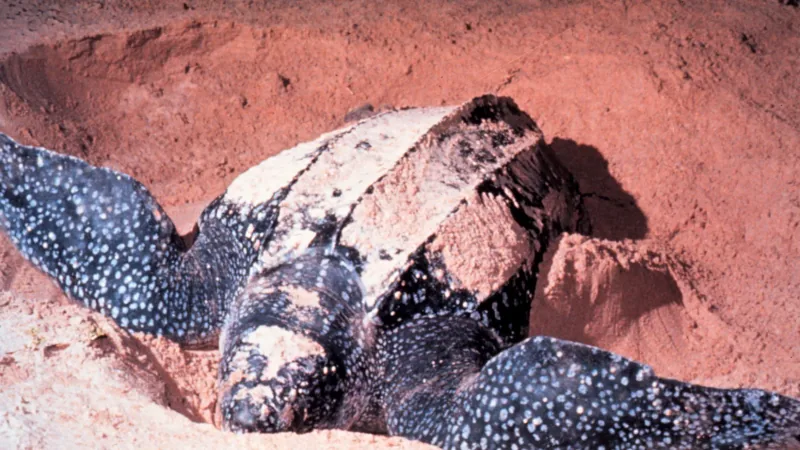
Leatherback Sea Turtle
The only sea turtle with no hard shell, and big enough to keep its core warm in near-freezing seas.
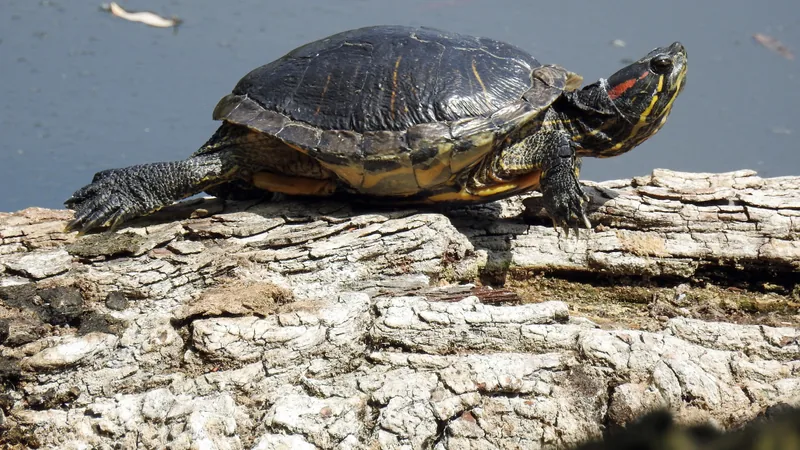
Red-Eared Slider
Whether a slider hatches male or female depends on how warm its nest was.