Crocodilians
Armored prehistoric river lords with hydraulic bite forces and sensory integumentary organs.
Crocodilia
Unchanged in fundamental architecture for over 80 million years, crocodilians are the closest living relatives to birds. Armed with armor-plated scutes, sensory pressure receptors along the jaw, and crushing bite forces, they ambush prey from riverbanks with explosive speed.
Key Evolutionary Adaptations
Saltwater crocodiles generate bite forces exceeding 3,700 pounds per square inch, crushing heavy bones instantly.
Integumentary sensory organs along jawlines detect microscopic pressure ripples in pitch-black water.
Four-chambered hearts feature a specialized valve that redirects oxygenated blood to core organs during submerged ambushes.
All Crocodilians

American Alligator
An armored reptile with jaws that can crack a turtle shell, and a mouth that can go through 3,000 teeth in a lifetime.
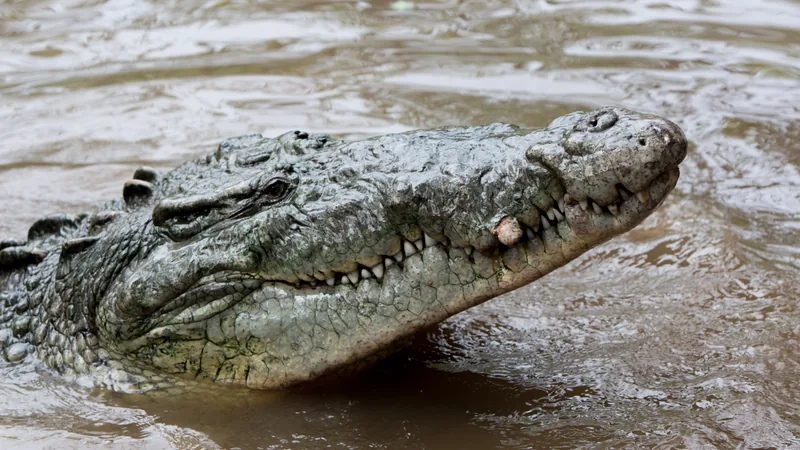
American Crocodile
A salt-tolerant crocodile with a tapered snout, and the first crocodilian with evidence of reproducing without a male.
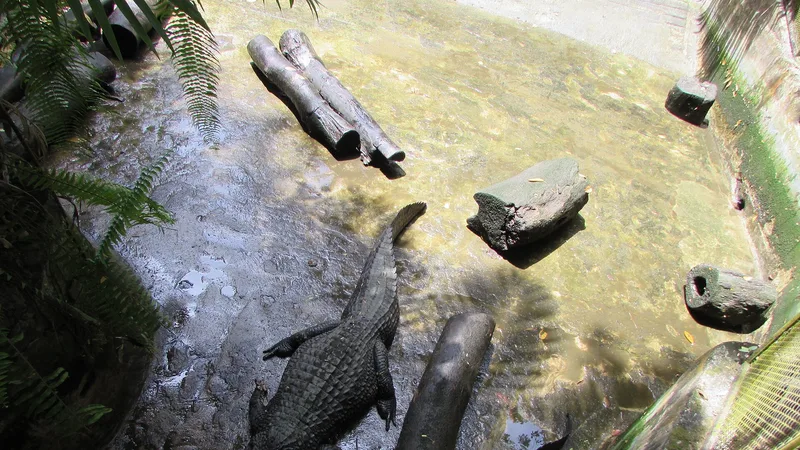
Black Caiman
The Amazon's largest predator and the biggest member of the alligator family, with males that grow past four to five meters.
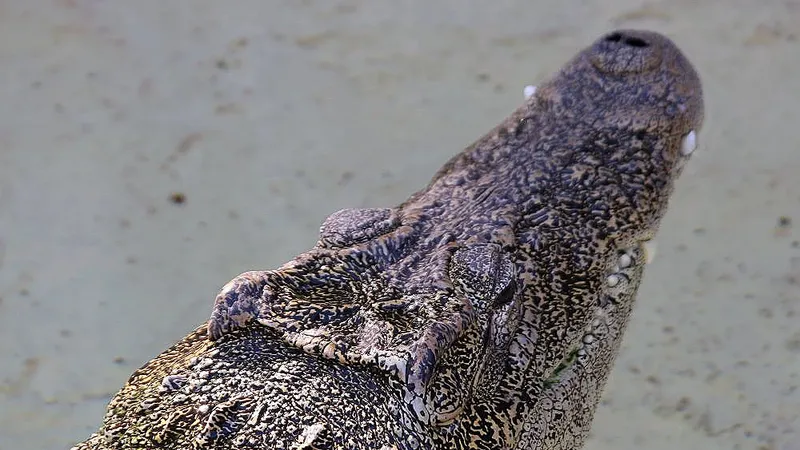
Cuban Crocodile
One of the most threatened crocodilians in the Americas, able to leap from the water for prey on overhanging branches, with teeth adapted for crushing turtle shells.
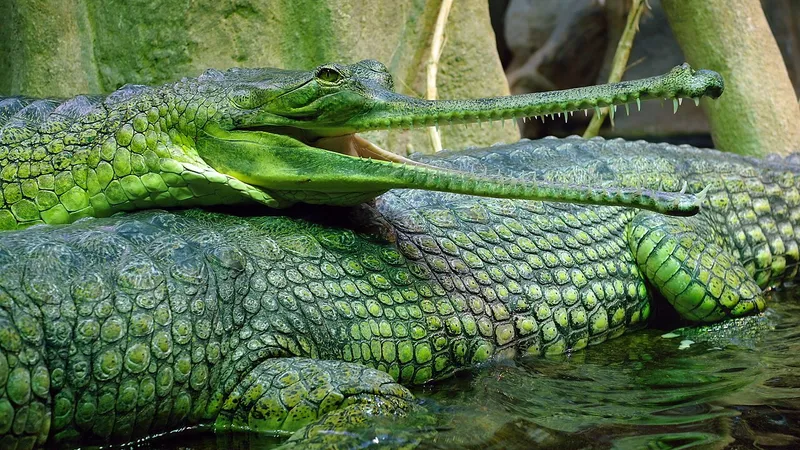
Gharial
The narrow-snouted river crocodilian with up to 110 razor-sharp teeth, whose males grow a bulbous nasal resonator that buzzes as they exhale.
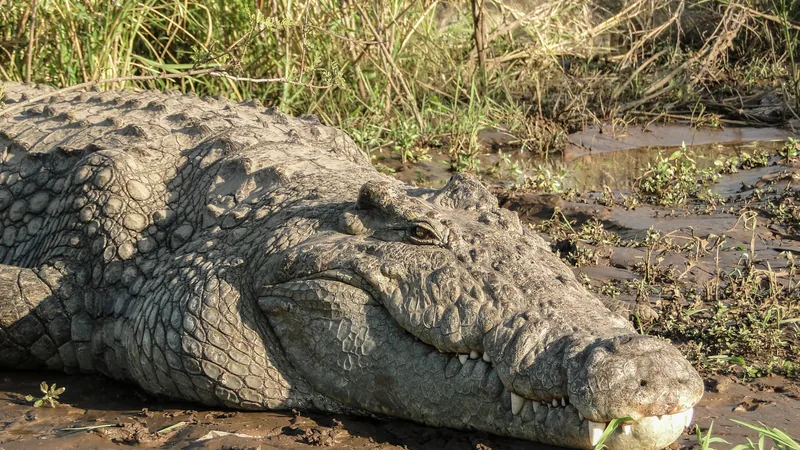
Nile Crocodile
An armored crocodile whose skin is more touch-sensitive than a primate's fingertips.

Saltwater Crocodile
Up to 23-foot apex archosaur, and the species behind the highest bite force measured in any animal: 3,689 pounds.