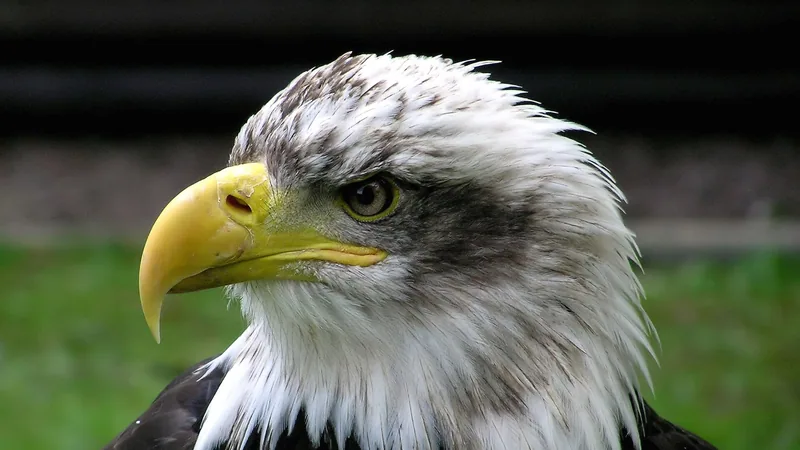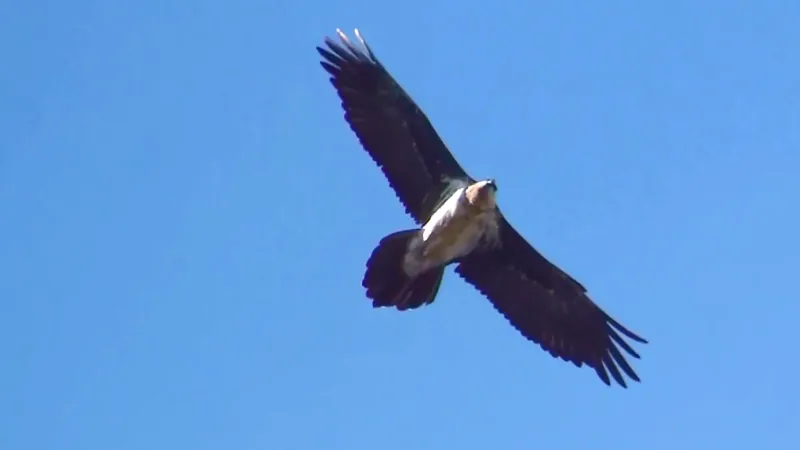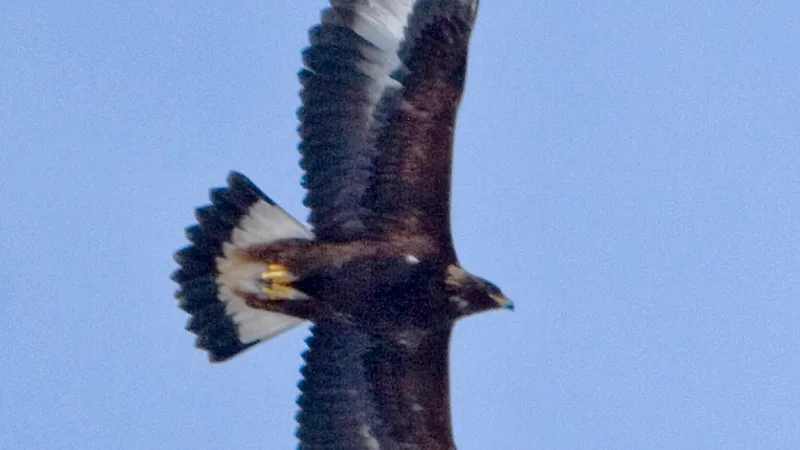
The red tail.
Field
notes
Eyes that read ultraviolet
Like all raptors, the red-tailed hawk (Buteo jamaicensis) has excellent vision. San Diego Zoo Wildlife Alliance says red-tails see colours much as people do, plus colours in the ultraviolet range, which humans cannot see. A clear inner eyelid, the nictitating membrane, cleans and protects the eye while the hawk grapples with its prey.
Borrowed voice TV commercials about bald eagles use a red-tailed hawk’s cry instead. To advertisers, the hawk simply sounds grander and more like an eagle than the real thing.
Copper tail, bigger females
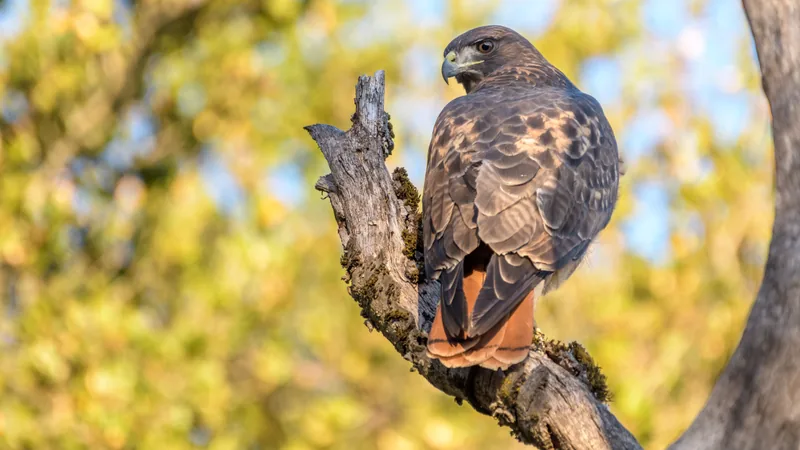
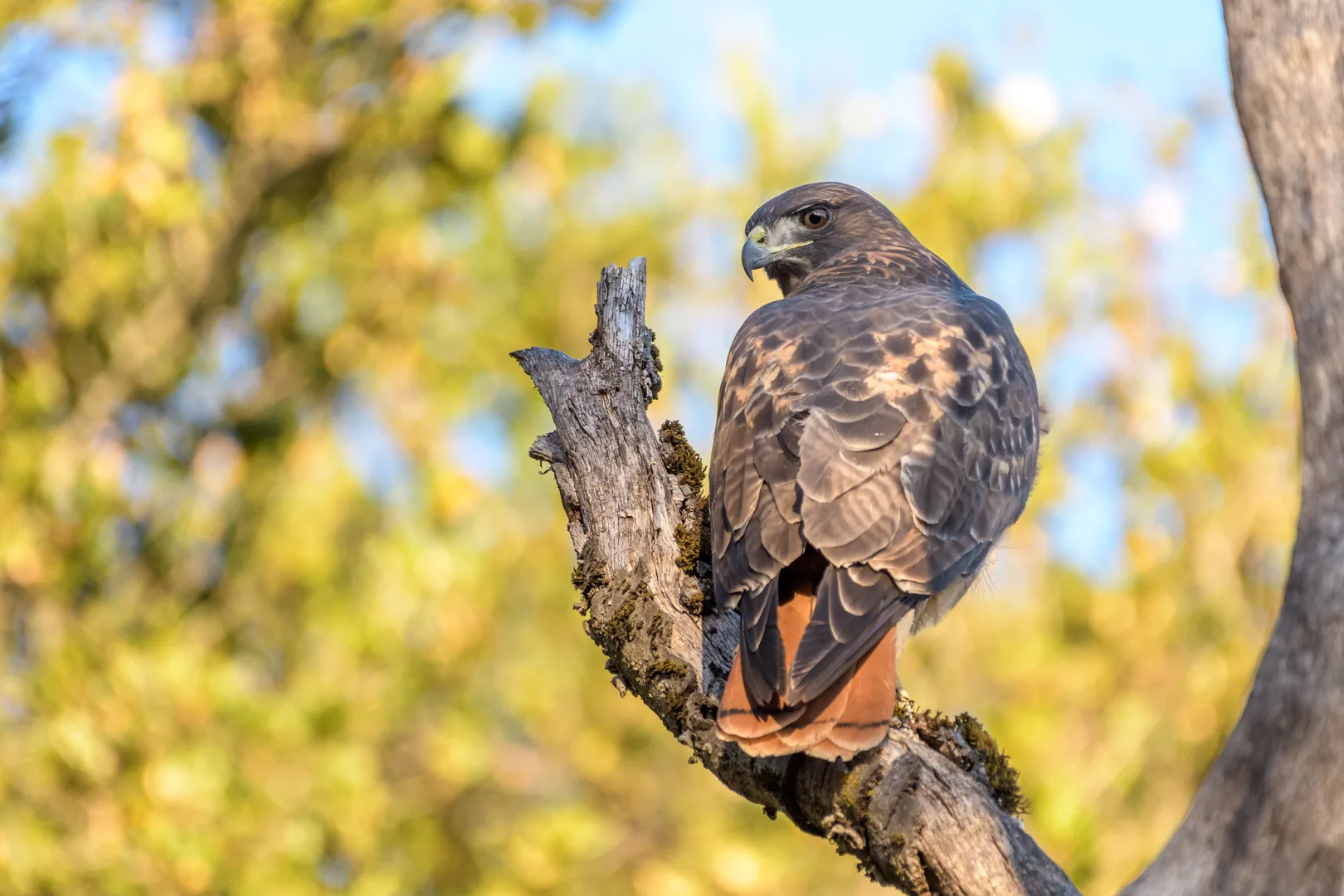
Wingspan runs 41 to 53 inches (105 to 135 centimetres). A female stands 20 to 26 inches (50 to 65 centimetres) tall and weighs 2 to 3 pounds (900 to 1,400 grams). Males are smaller, at 1.5 to 2.9 pounds (690 to 1,300 grams). Animal Diversity Web adds that females are about 25 percent larger than males, a size gap common among birds of prey. The tail that gives the bird its name is copper-coloured in adults, while juveniles do not have red tails.
Wait, then strike
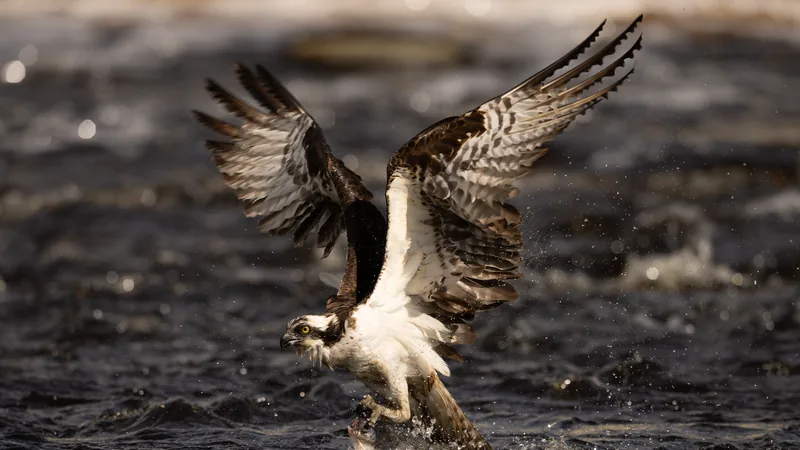
For all their soaring ability, the zoo says red-tails wait on a perch for prey instead of hunting from high above. Most often they launch hard off the perch, glide down and grab a meal on the ground. Rodents make up about 95 percent of what they eat, mainly ground squirrels and mice; birds, reptiles, insects and even fish caught at the water’s edge are also taken.
The hawk then has to defend its catch from golden eagles, bald eagles and ferruginous hawks. Life is hard: half of all red-tails die before their first birthday.
From Alaska to Panama
Red-tails live from Alaska south to Panama, and east from California into the West Indies. They avoid tundra and thick forest but are more adaptable than any other hawk in their genus, living in deserts, plains, farmland, parks, woodlands and even tropical rainforests. A red-tail tends to keep the same territory its whole life, and it can be as large as 25 square kilometres (9.6 square miles). Birds from Canada and Alaska fly as far south as Panama for winter.
Those that survive can last a while. AnAge says wild birds do not normally live more than 16 years, though the record in the wild is 30.7 years. The IUCN rates the species Least Concern.
Published
Traits
Intel
& FAQ
Guess
first
How big is a Red-Tailed Hawk, really? Slide, lock in, and see what the sources say. Every answer is a figure from this page, quoted from where it came from.
Sources
- 01Red-tailed Hawk. San Diego Zoo Wildlife Alliance.
- 02AnAge entry for Buteo jamaicensis. AnAge: The Animal Ageing and Longevity Database, Human Ageing Genomic Resources.
- 03Buteo jamaicensis (red-tailed hawk). Animal Diversity Web, University of Michigan.
- 04Buteo jamaicensis. The IUCN Red List of Threatened Species 2024: e.T22695933A264594226.
What the sources say: 32 claims checked word for word against these sources →