The Vampire Fish of the Amazonian Cataracts
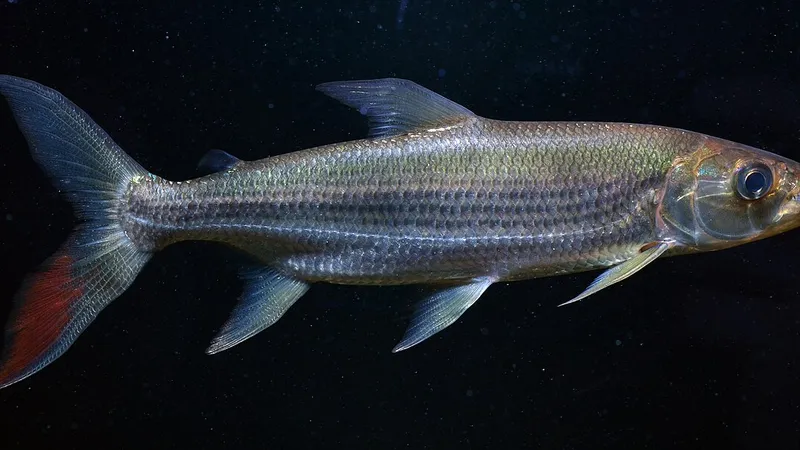
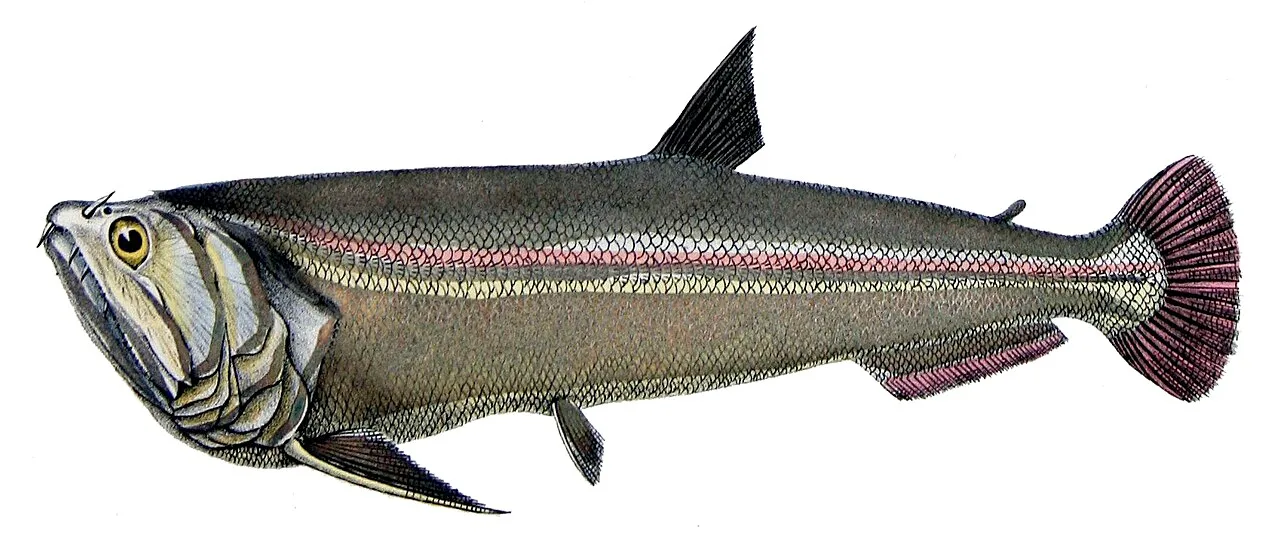
Known as the payara or vampire fish, Hydrolycus scomberoides is an aggressive predatory fish adapted for hunting in churning white-water torrents across northern South America.
Its most striking biological adaptation is a pair of elongated lower canine fangs that can reach up to 15 centimeters (6 inches) in length on large adult specimens.
Skull Pockets for Oversized Fangs
Because its fangs are so long, the payara cannot close its mouth without piercing its own head. To solve this problem, its skull has evolved two deep, hollow structural sockets in the upper cranium.
When the payara closes its jaws, the twin dagger fangs slide smoothly into these skull pockets, allowing the fish to maintain a sleek hydrodynamic profile when swimming against heavy river currents.
Specialized Piranha Hunter
The payara is one of the few apex predators in the Amazon that actively preys upon adult red-bellied piranhas.
Hunting from beneath in deep rapid runs, the payara spots the silhouette of schooling fish against the surface, accelerating upward to impale its prey on its twin fangs before swallowing the disabled target head-first.