The Agile Leaper of the Zapata Swamp
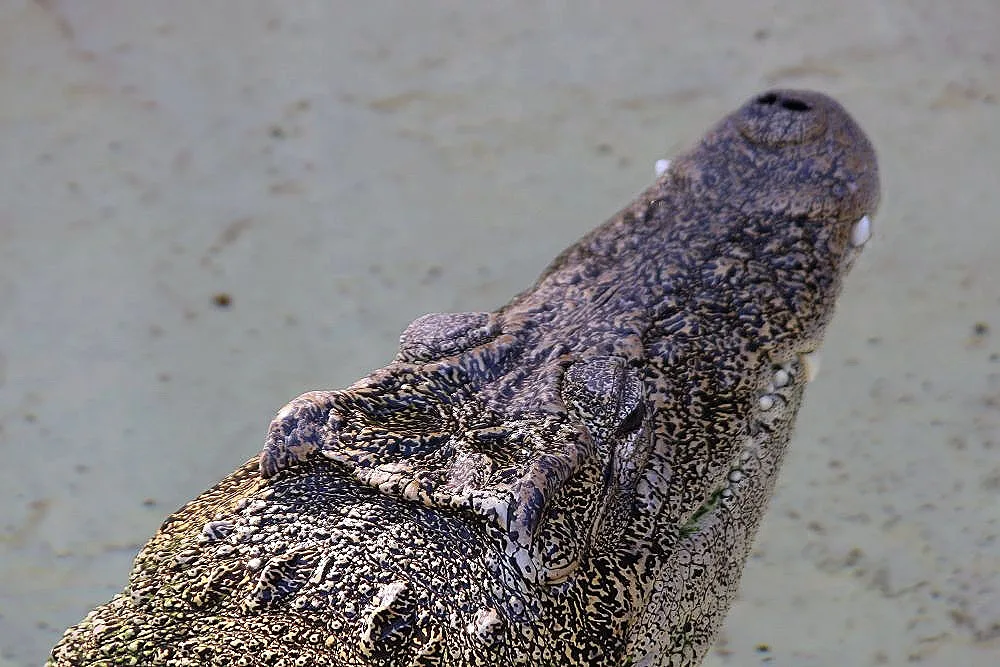
Confined to a tiny pocket of freshwater wetland in southwestern Cuba, the Cuban crocodile (Crocodylus rhombifer) is one of the most distinctive and endangered crocodilians on Earth.
Growing up to 3 meters (10 feet) in length, it features bright yellowish-tan skin marked with dark mosaic patterns, earning it the scientific name rhombifer.
Terrestrial Galloping and Vertical Jumping
Unlike heavier crocodiles that are clumsy on land, the Cuban crocodile possesses long, powerfully muscled legs that allow it to gallop across dry ground at speeds exceeding 15 km/h.
In shallow marshes, it uses a sudden thrust of its muscular tail to launch its entire upper body vertically out of the water, plucking tree-dwelling hutias and roosting birds directly from overhanging branches.
Molariform Crushing Dentition
While front teeth are sharp and conical for gripping slippery prey, the rear teeth in its lower jaw are broad, flattened, and molar-shaped.
This unique dental adaptation allows the Cuban crocodile to effortlessly crush the thick bony shells of river turtles and crustaceans, expanding its predatory diet beyond standard fish.