The Lowdown
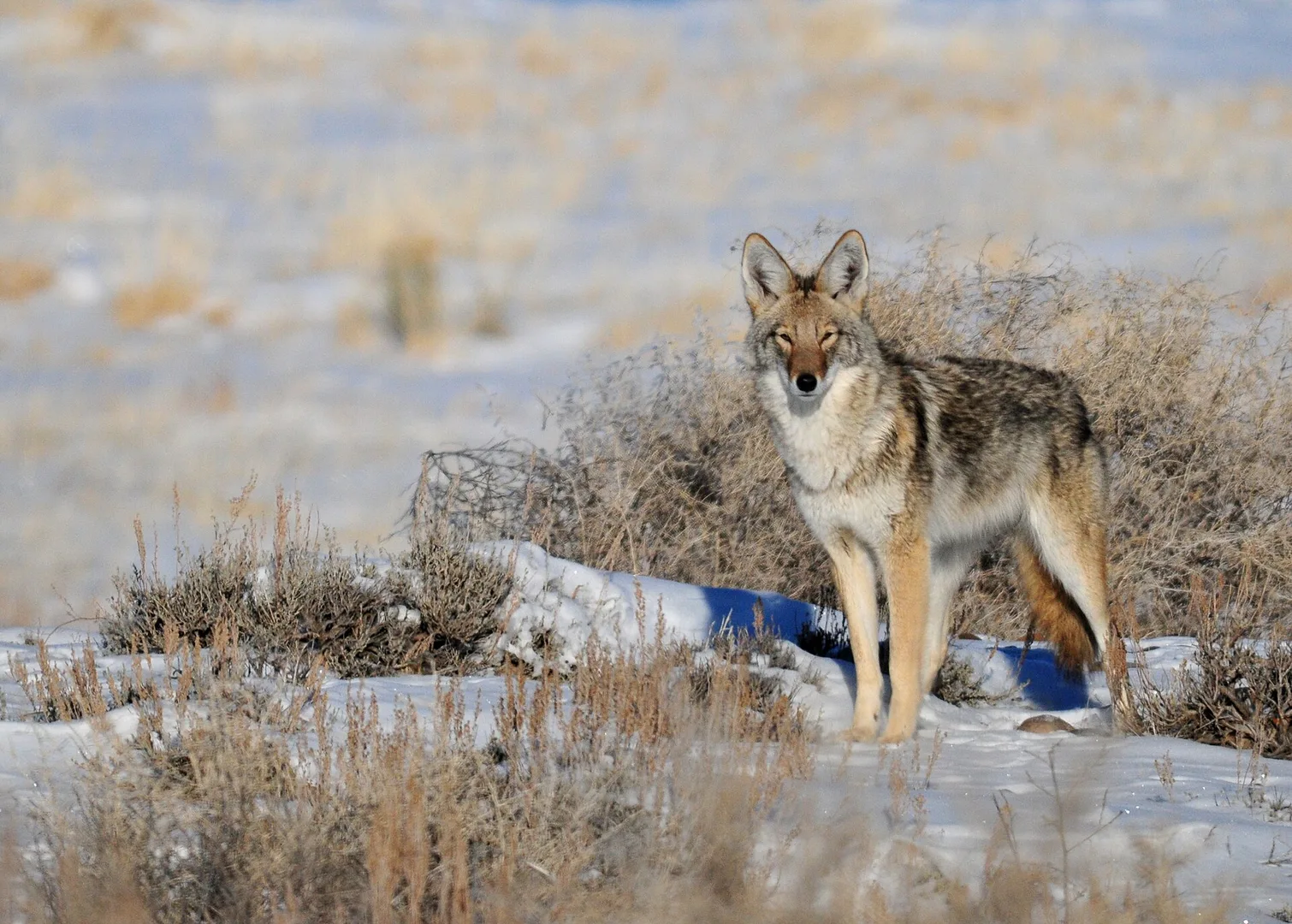
The coyote (Canis latrans) represents one of nature’s most extraordinary evolutionary success stories, native to open prairies, sagebrush deserts, pine forests, agricultural fields, and major metropolitan suburbs across north america. Characterized by remarkable physiological adaptations, it commands a vital presence across its home territory.
Its ecological role revolves around a diet of jackrabbits, cottontails, rodents, fawns, grasshoppers, fallen persimmons, and urban forage. To thrive in competitive ecosystems, its primary evolutionary superpower is fission-fusion social flexibility—hunting solo for rodents or forming packs for deer, expanding its geographical range despite intensive human encroachment.
Biological Fact: Naturalists have recorded that coyotes demonstrate unique physiological and communicative behaviors finely tuned to their native habitat.
As a keystone or iconic species within its ecosystem, the coyote continues to inspire conservationists and naturalists worldwide with its distinctive presence and behavioral complexity.