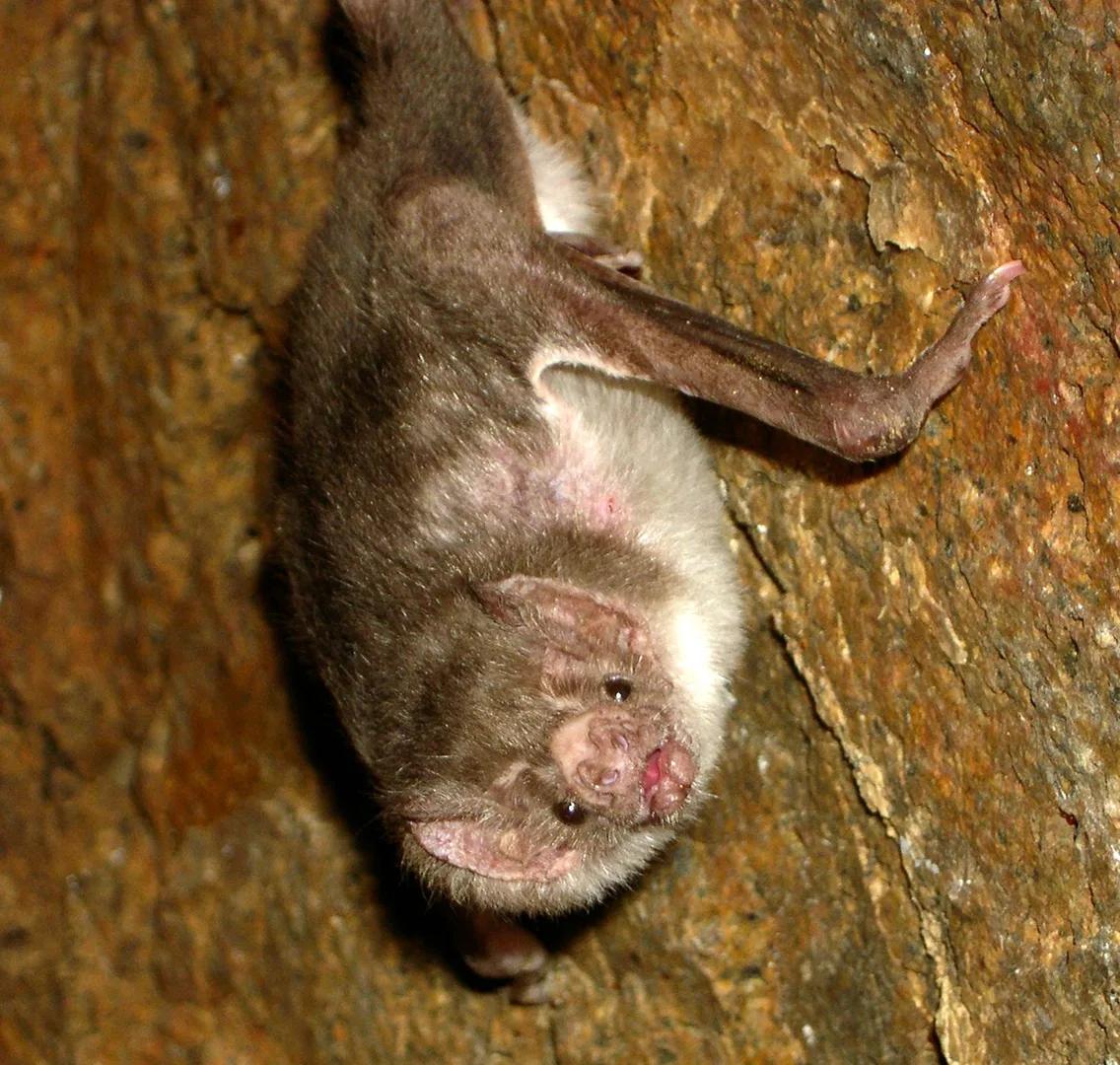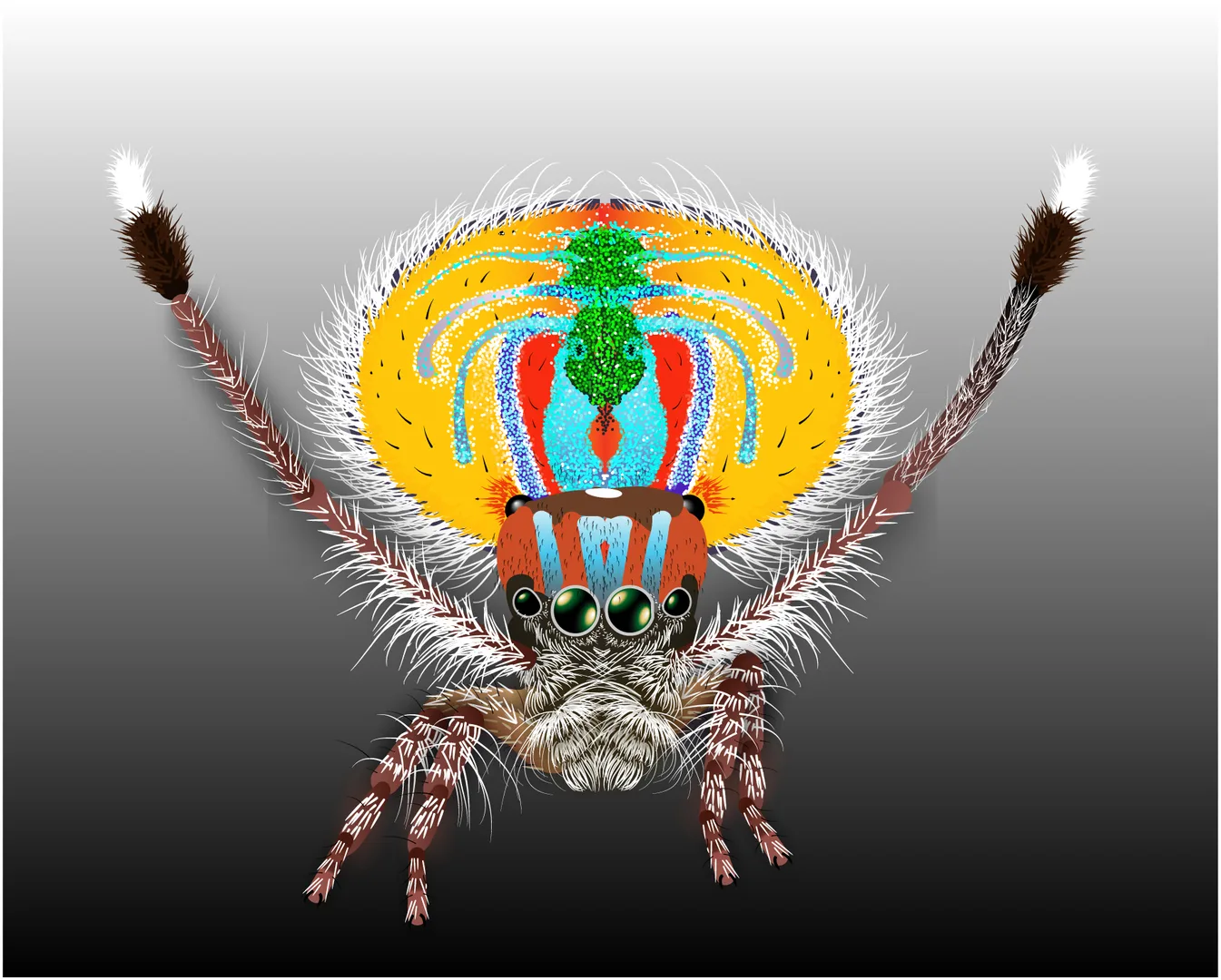
Araña mona. Fue tomada el 13 de Octubre del 2012 en el Monumento a la Virgen de la Paz
Velvet, Shadow, and Seismic Senses
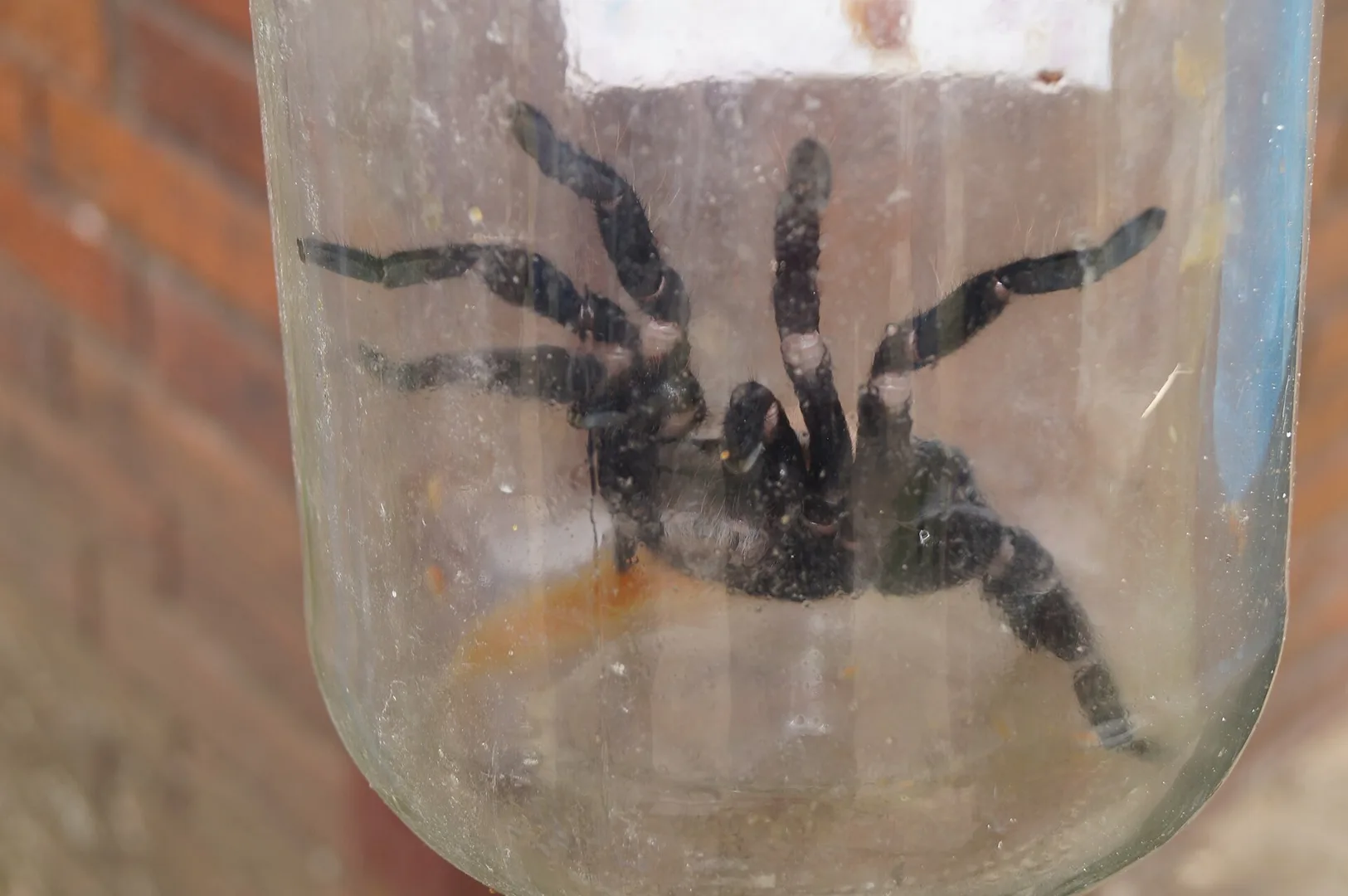
The Goliath Birdeater (Theraphosa blondi) is the heavyweight champion of the arachnid world, packing a leg span of up to 30 centimeters (12 inches) and tipping the scales at 175 grams, the same weight as a young puppy. Despite its dramatic Victorian-era moniker, it rarely feasts on birds; it stalks the forest floor at night like a brooding post-punk poet, sitting in absolute stillness until the subtle footfall of a frog triggers its sensory hairs.
Tarantulas have terrible eyesight despite having eight ocular lenses. Instead, they “hear” and “see” through specialized trichobothria, microscopic sensory bristles on their legs that detect minute shifts in barometric air pressure and subterranean shockwaves down to fractions of a millimeter.
The Barbed Missile Defense System
If you corner a Goliath birdeater, it doesn’t just bite, it unleashes biological shrapnel. By furiously rubbing its hind legs across its abdomen, it scrapes off thousands of microscopic barbed “urticating” hairs into an airborne cloud.
Microscopic Harpoons: These hairs are shaped like miniature barbed fishhooks coated with irritant proteins. When inhaled or lodged in a predator’s eyes or mucus membranes, they trigger immediate, blinding burning sensation and respiratory distress.
Sound That Hisses in the Dark
When truly agitated, the spider produces a loud, eerie hissing sound called stridulation by rubbing together the stiff bristles on its front leg joints. The sound can be heard by humans from more than 15 feet away in complete jungle darkness, a clear warning that you have wandered into the wrong subterranean basement club.