The Skeletal Wolverine Mechanism
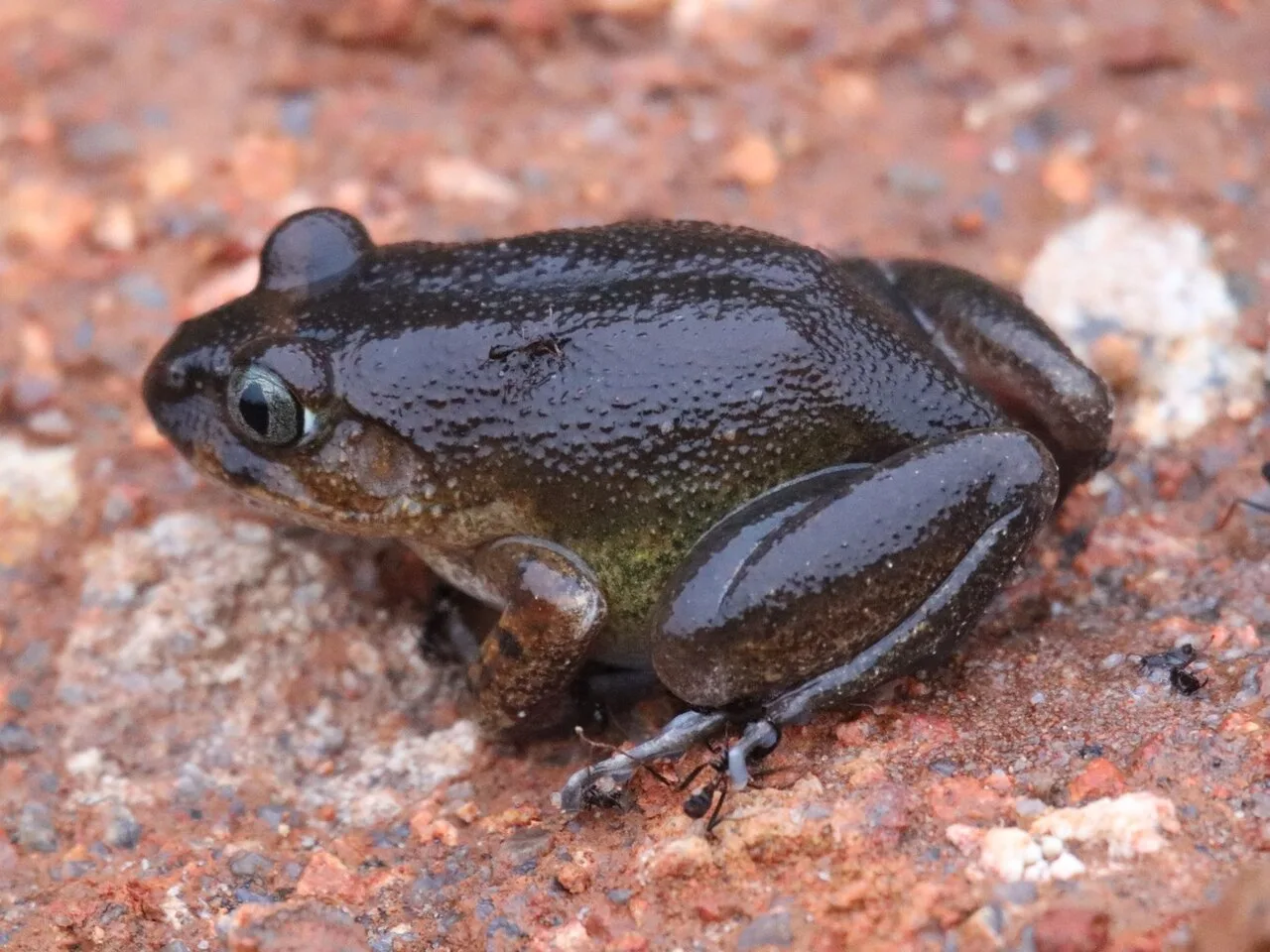
When seized by a predator, the wolverine frog (Trichobatrachus robustus) executes one of the most violent active defenses in the animal kingdom.
Inside each of its hind toes sits a small, sharp nodule of bone anchored to a specialized muscle. When threatened, the frog contracts this muscle with explosive force, snapping the bony connection and forcing the sharp bone shard directly through its fleshy toe pads like a retractable switchblade. After the encounter, the torn skin heals and the bone nodule slowly regenerates.
Dermal Hair and Aquatic Respiration
During the breeding season, male wolverine frogs develop long, hair-like dermal papillae along their flanks and thighs.
These structures are not actual hairs, but thin, vascularized skin extensions packed with micro-capillaries. They dramatically increase the frog’s surface area, allowing males to absorb dissolved oxygen directly from fast-moving mountain rapids while guarding clutches of submerged eggs for weeks on end without surfacing.
Streamlined Rainforest Predators
Reaching lengths of roughly 11 centimeters (4.3 inches), wolverine frogs are heavy-bodied ground hunters equipped with powerful hind legs for bounding through wet leaf litter.
Local hunters in Cameroon use long machetes and heavy poles to capture these frogs, knowing from experience that handling live specimens with bare hands leads to deep, painful lacerations from their bone talons.