The Ultra-Flat River Phantom
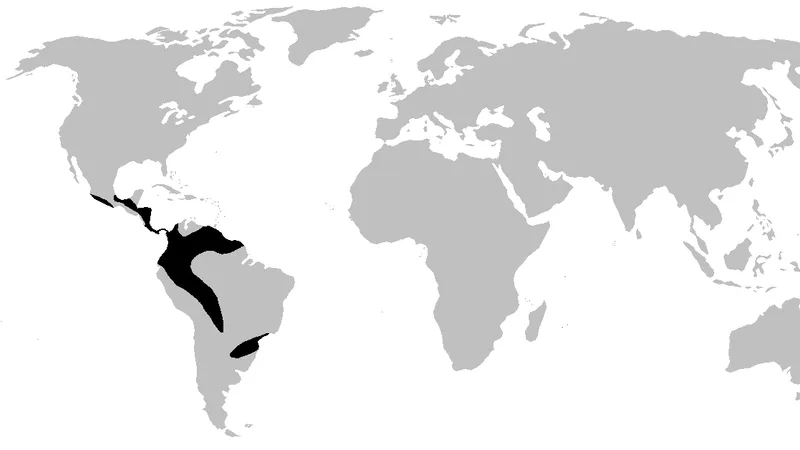
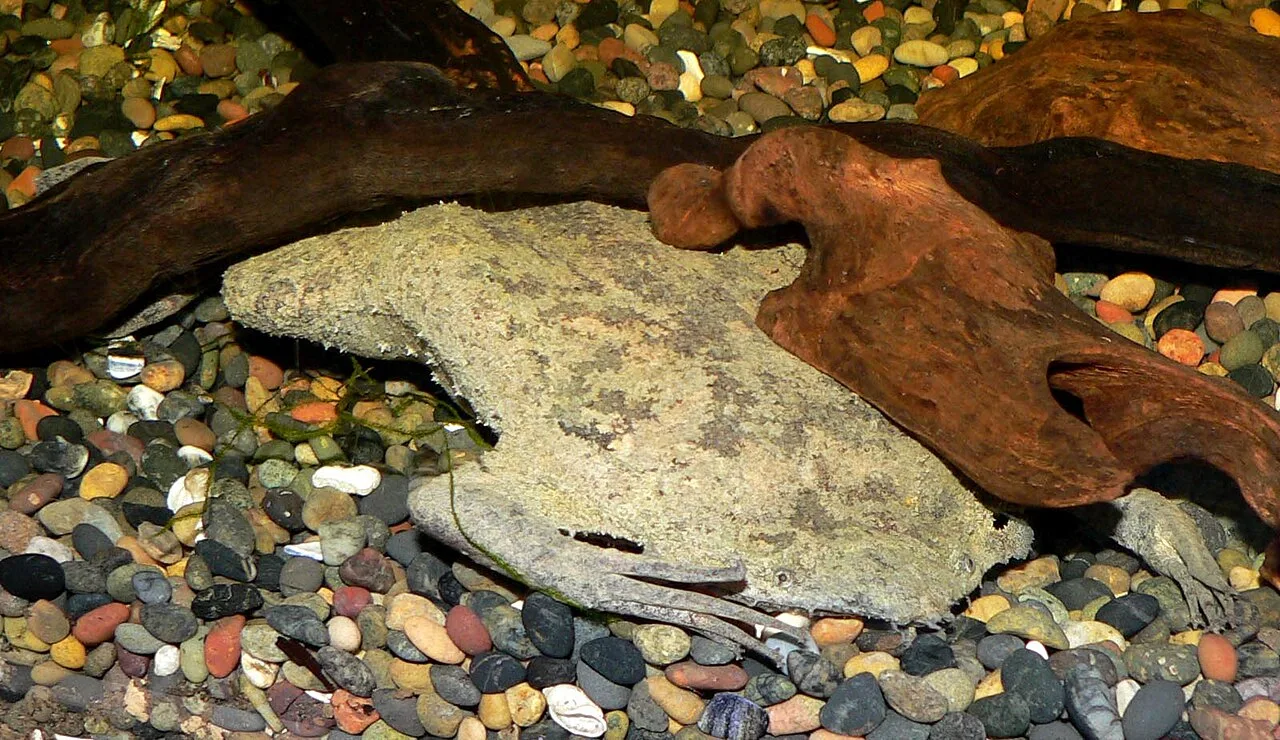
Dwelling at the muddy bottoms of slow-moving Amazonian rivers, the Surinam toad (Pipa pipa) looks less like an amphibian and more like a waterlogged, decaying brown leaf.
Its body is exceptionally flat and broad, lacking both a tongue and teeth. It possesses tiny, bead-like eyes on the top of its head that detect light while the rest of its body remains buried beneath river silt.
Honeycomb Subcutaneous Brooding
The reproductive cycle of Pipa pipa is famous for its specialized biological mechanics. During an elaborate underwater somersault mating dance, the male guides fertilized eggs onto the female’s back.
Over the next few days, the mother’s dorsal skin swells and grows around each individual egg, forming protective hexagonal pockets covered by a keratinous lid. The embryos develop entirely within these skin chambers, skipping the free-swimming tadpole stage entirely before bursting through the skin as miniature, fully formed toadlets after three to four months.
Fingertip Sensory Starbursts
Because it hunts in pitch-black, sediment-choked water where vision is useless, the Surinam toad relies on star-shaped sensory appendages on the tips of its long front fingers.
These delicate dermal micro-tentacles detect minute pressure waves produced by swimming fish. When prey brushes against a finger, the toad snaps open its wide mouth, creating an instant vacuum that pulls the meal inward.