The Lowdown
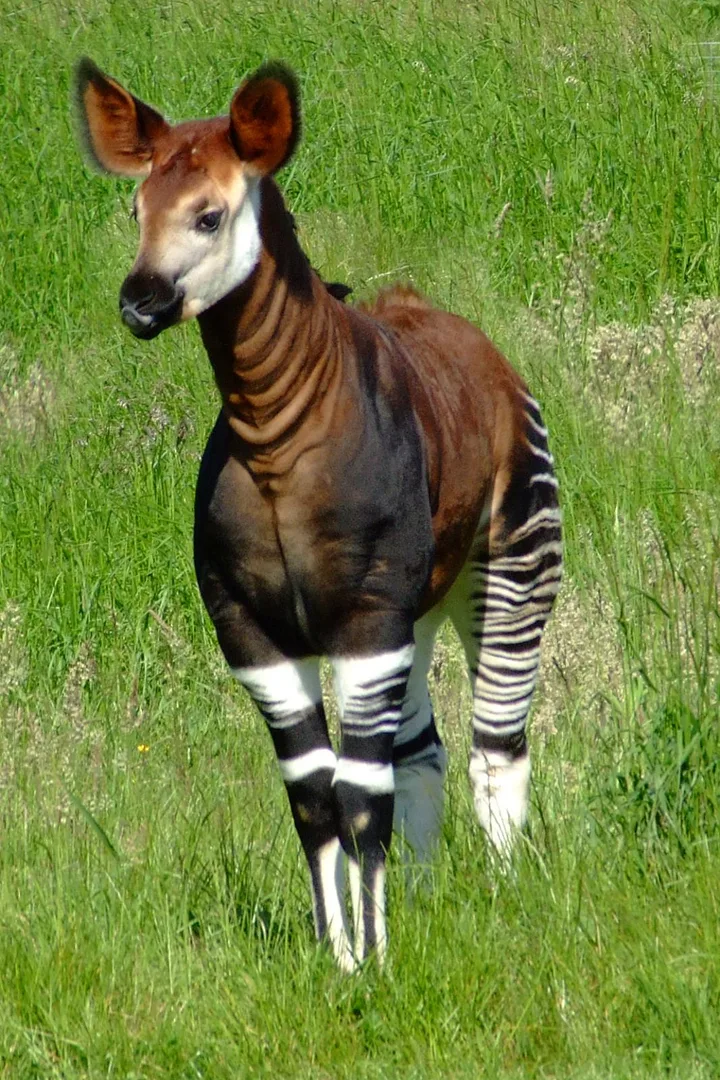
The okapi (Okapia johnstoni) represents one of nature’s most extraordinary evolutionary success stories, native to dense, closed-canopy lowland rainforests of the ituri forest in the democratic republic of the congo. Characterized by remarkable physiological adaptations, it commands a vital presence across its home territory.
Its ecological role revolves around a diet of over a hundred species of rainforest leaves, wild fungi, ferns, and riverbed sulfur clays. To thrive in competitive ecosystems, its primary evolutionary superpower is fourteen-inch prehensile bluish-black tongue capable of washing its own eyelids and ears, paired with scent glands in its hooves that leave territorial chemical trails.
Biological Fact: Naturalists have recorded that okapis demonstrate unique physiological and communicative behaviors finely tuned to their native habitat.
As a keystone or iconic species within its ecosystem, the okapi continues to inspire conservationists and naturalists worldwide with its distinctive presence and behavioral complexity.