The Lowdown
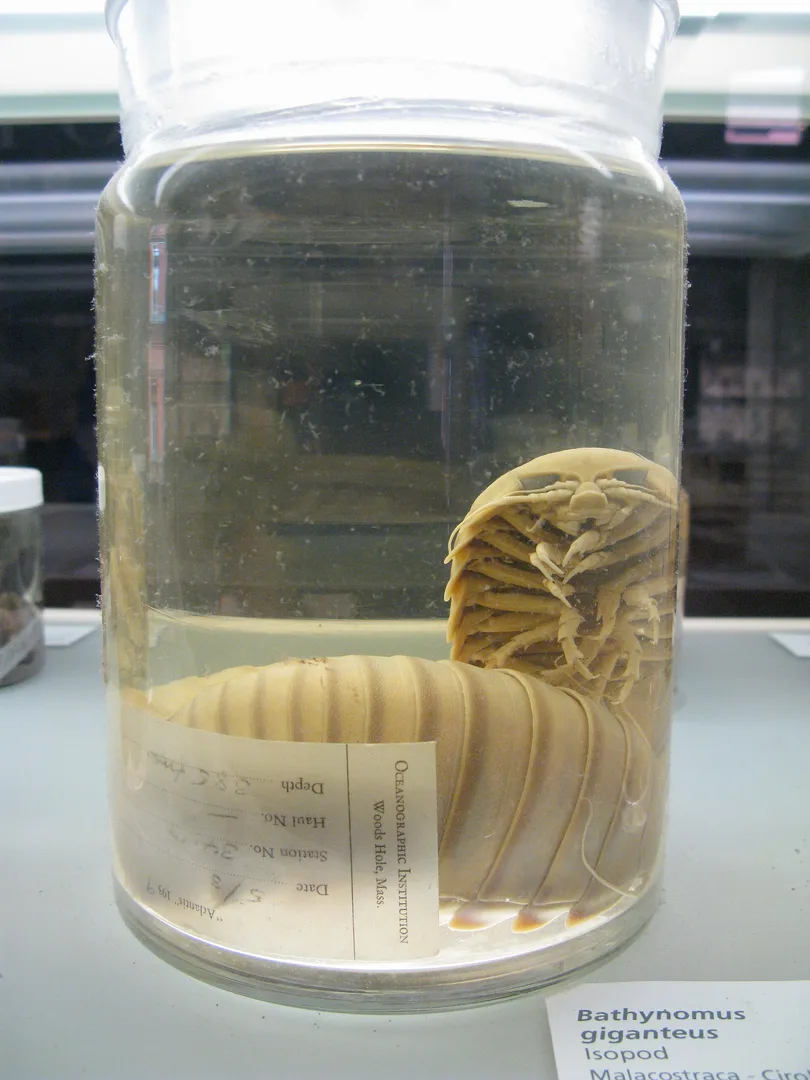
The giant isopod (Bathynomus giganteus) represents one of nature’s most extraordinary evolutionary success stories, native to benthic abyssal plains and muddy ocean floor between 500 and 2,500 meters in the atlantic, pacific, and indian oceans. Characterized by remarkable physiological adaptations, it commands a vital presence across its home territory.
Its ecological role revolves around a diet of sunken whale carcasses (whale falls), dead squid, deep-sea fish, and slow-moving sea cucumbers. To thrive in competitive ecosystems, its primary evolutionary superpower is deep-sea gigantism producing a foot-and-a-half armored exoskeleton that can survive over five years without food in near-freezing abyssal waters.
Biological Fact: Naturalists have recorded that giant isopods demonstrate unique physiological and communicative behaviors finely tuned to their native habitat.
As a keystone or iconic species within its ecosystem, the giant isopod continues to inspire conservationists and naturalists worldwide with its distinctive presence and behavioral complexity.