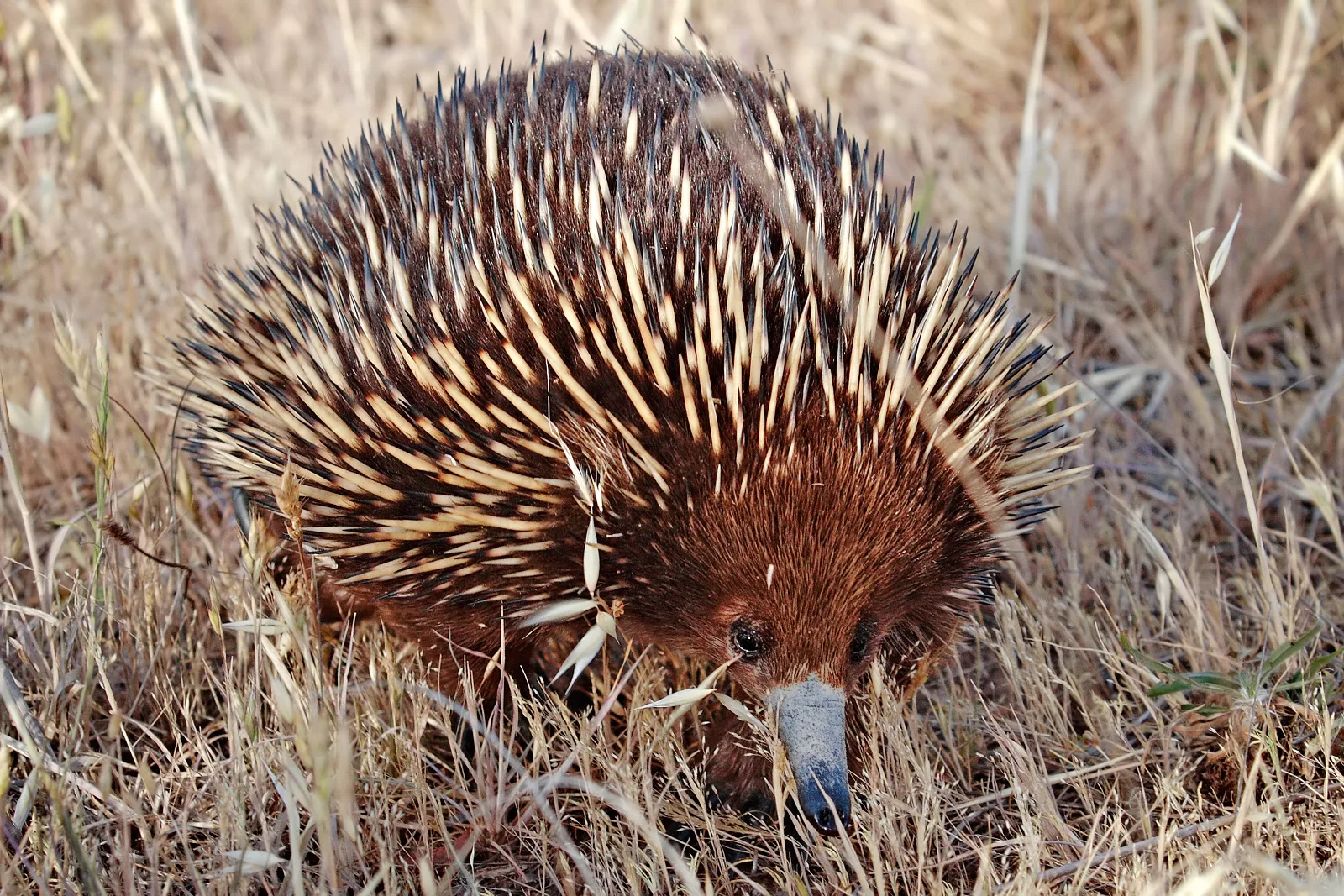
A wild shortbeak echidna, taken in Swifts Creek, Victoria
The Lowdown
Alongside the platypus, the short-beaked echidna (Tachyglossus aculeatus) belongs to the monotremes—the only living mammalian order that lays eggs rather than giving birth to live young. Encased in thousands of sharp keratin spines, it is one of the most resilient terrestrial mammals in Australia.
Lacking teeth, the echidna uses its rigid, sensitive beak and an eighteen-centimeter sticky tongue to lap up thousands of ants and termites per minute. The tip of its snout contains thousands of sensitive electroreceptors that pinpoint the minute nerve impulses generated by insect colonies moving through soil.
Biological Fact: Female echidnas lay a single leathery egg directly into a temporary abdominal pouch, where it hatches after just ten days into a tiny, jellybean-sized baby called a ‘puggle’.
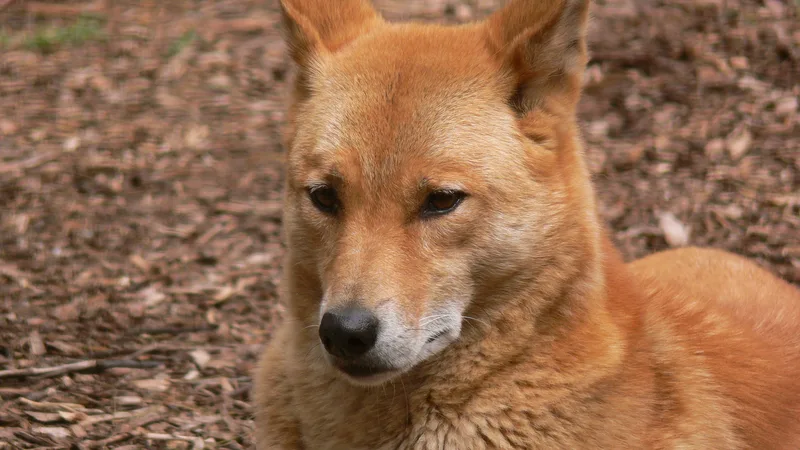
When confronted by dingoes or foxes, the echidna executes a remarkable defensive maneuver: digging vertically into the earth in seconds until only its impenetrable dome of razor-sharp spines is exposed to the predator.