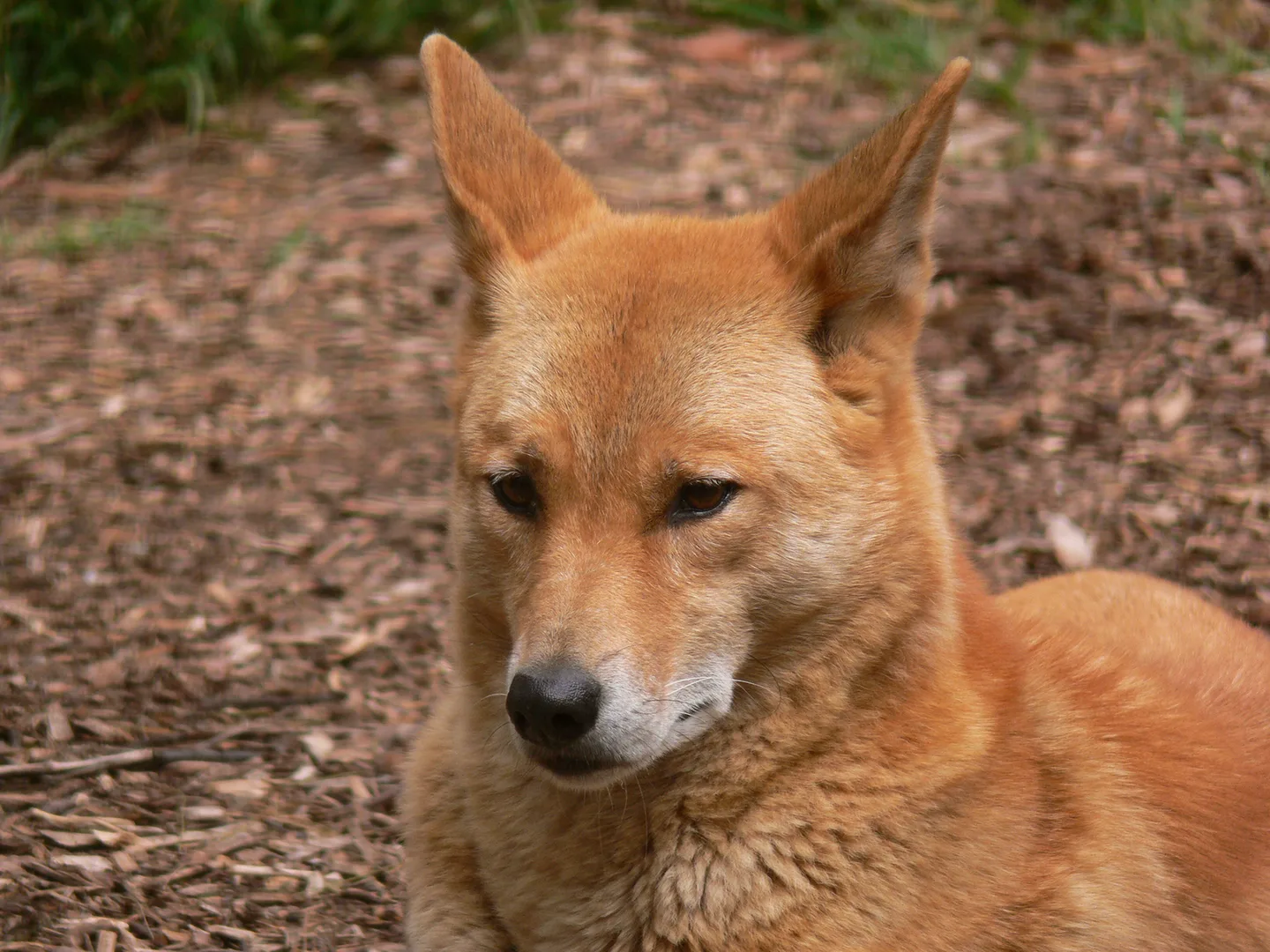
An Australian Dingoe, Canis lupus dingo , taken at a wildlife sanctuary/rescue center in South-east
The Lowdown
The dingo (Canis dingo) represents one of nature’s most extraordinary evolutionary success stories, native to deserts, alpine grasslands, tropical savannahs, and eucalyptus woodlands across mainland australia. Characterized by remarkable physiological adaptations, it commands a vital presence across its home territory.
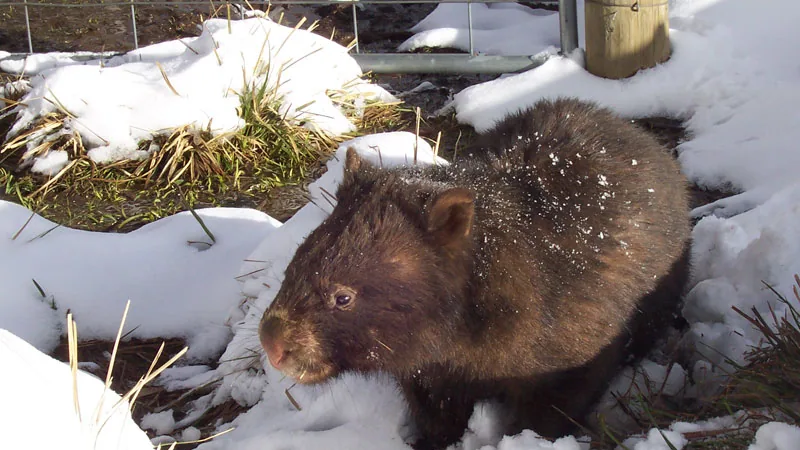
Its ecological role revolves around a diet of red kangaroos, wallabies, wombats, feral rabbits, bandicoots, and desert monitors. To thrive in competitive ecosystems, its primary evolutionary superpower is flexible double-jointed wrists and rotating neck capable of turning nearly 180 degrees, allowing it to scale vertical rocky cliffs and catch prey in mid-air.
Biological Fact: Naturalists have recorded that dingos demonstrate unique physiological and communicative behaviors finely tuned to their native habitat.
As a keystone or iconic species within its ecosystem, the dingo continues to inspire conservationists and naturalists worldwide with its distinctive presence and behavioral complexity.