The Lowdown
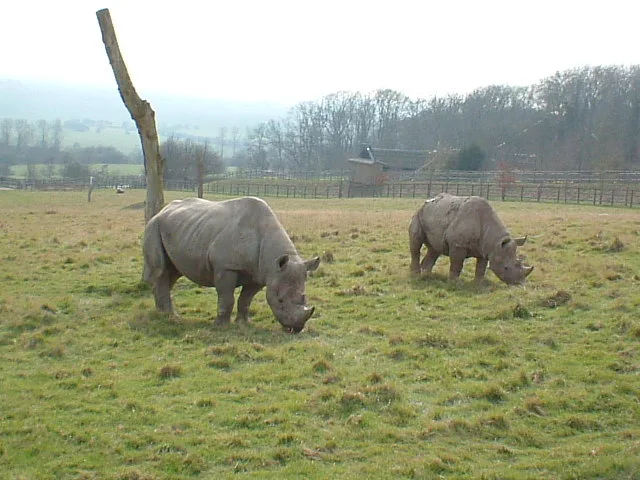
The black rhinoceros (Diceros bicornis) represents one of nature’s most extraordinary evolutionary success stories, native to dry thorny scrublands, savannas, acacia bushveld, and montane forests of eastern and southern africa. Characterized by remarkable physiological adaptations, it commands a vital presence across its home territory.
Its ecological role revolves around a diet of thorny acacia twigs, woody shrubs, wild legumes, and euphorbia succulent sap. To thrive in competitive ecosystems, its primary evolutionary superpower is hooked prehensile upper lip engineered like a dexterous finger for stripping leaves and thorns cleanly from dense, toxic acacia branches.
Biological Fact: Naturalists have recorded that black rhinoceross demonstrate unique physiological and communicative behaviors finely tuned to their native habitat.
As a keystone or iconic species within its ecosystem, the black rhinoceros continues to inspire conservationists and naturalists worldwide with its distinctive presence and behavioral complexity.