The 2024 Chatham Rise Discovery
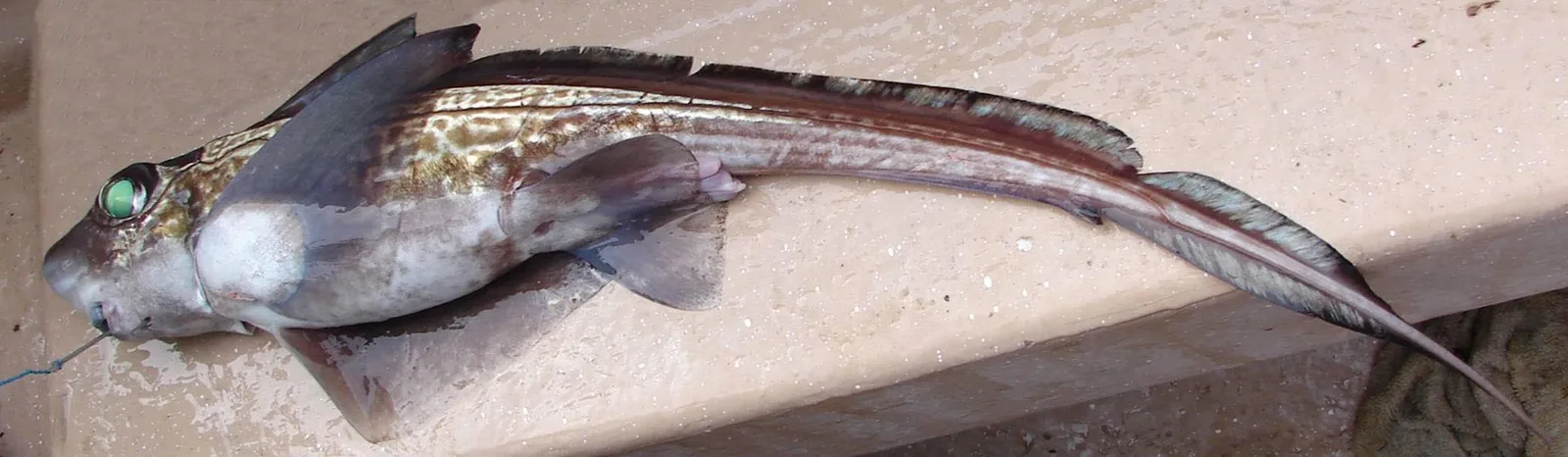
Formally described by marine biologists at New Zealand’s National Institute of Water and Atmospheric Research (NIWA), the Australasian ghost shark (Harriotta avia) represents an ancient lineage of cartilaginous fish that diverged from sharks over 400 million years ago.
Specimens were collected during extensive deep-sea surveys along the Chatham Rise east of New Zealand at depths exceeding 2,600 meters (8,500 feet). While long grouped with northern hemisphere spookfish, detailed genetic sequencing and anatomical analysis proved it is a unique species restricted to southern ocean waters.
Anatomy of an Abyssal Phantom
Unlike modern sharks with rows of replaceable serrated teeth, the ghost shark possesses permanent mineralized tooth plates engineered to crush hard-shelled molluscs and crabs. Its snout is elongated and flattened into a sensitive sensory plow loaded with electro-receptive ampullae.
Its skin is completely devoid of scales, giving it a smooth, purplish-brown luster. Massive pectoral fins extend from its flanks like glider wings, allowing the animal to hover motionlessly centimeters above abyssal mud plains while scanning for hidden electrical signatures of buried prey.
Deep-Water Cartilaginous Survival
Surviving at depths where water pressure exceeds 250 atmospheres, the ghost shark lacks a gas-filled swim bladder. Instead, it relies on a massive liver saturated with squalene oils, providing neutral buoyancy in near-freezing currents.
Females deposit large, leathery egg capsules directly onto benthic sediments. Embryos develop slowly in cold water for up to a year, nourished by internal yolk sacs before emerging as fully formed miniature phantoms.