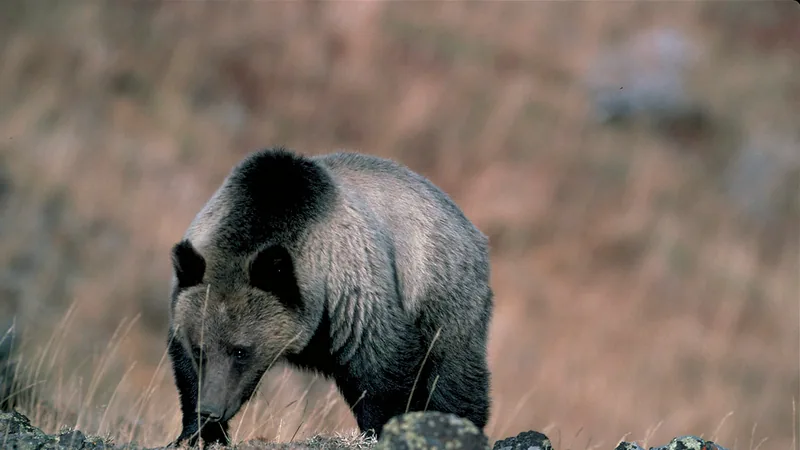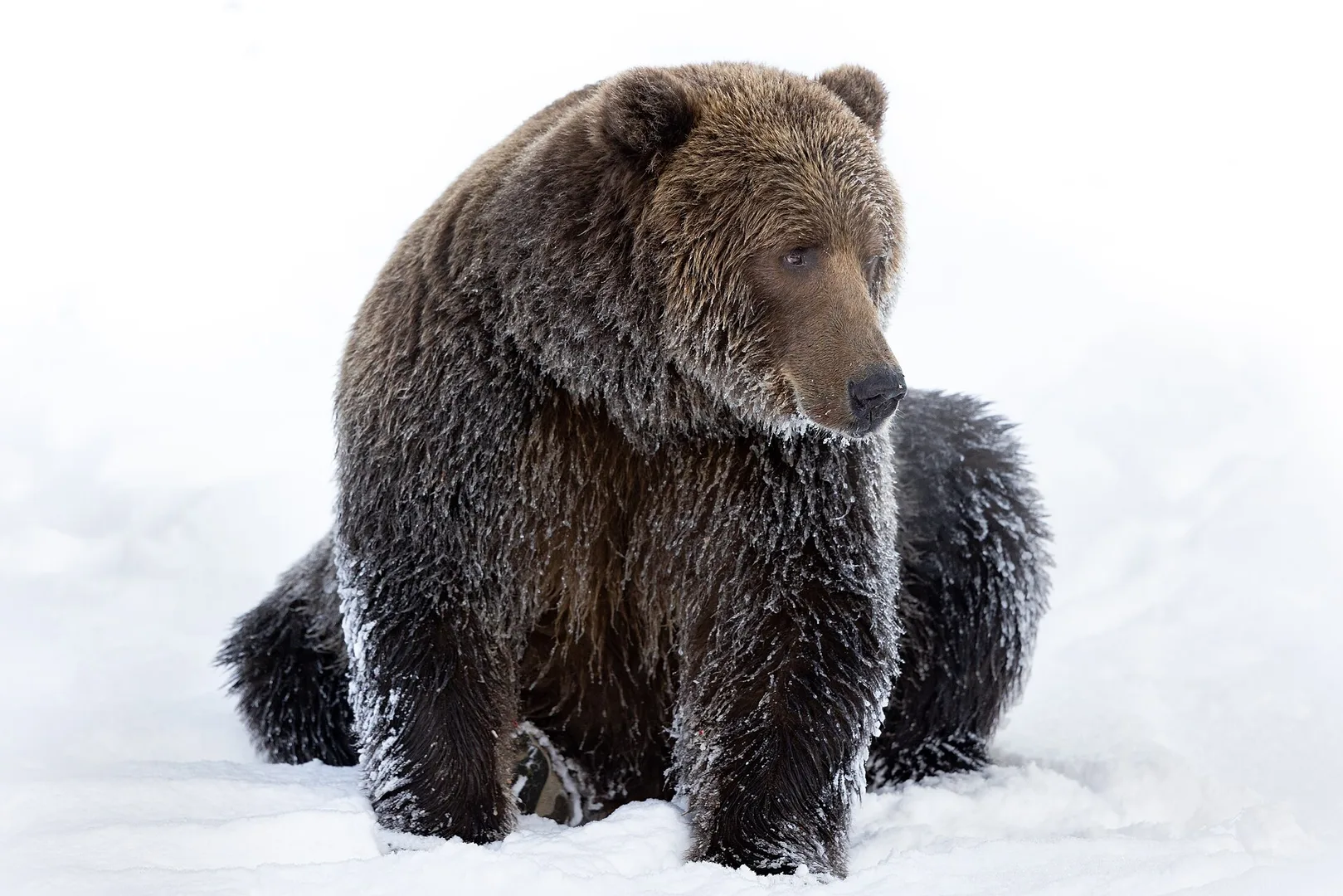
Female Kodiak brown bear navigating winter river snow on Kodiak Island
The Lowdown
The kodiak bear (Ursus arctos middendorffi) represents one of nature’s most extraordinary evolutionary success stories, native to coastal temperate rainforests, alpine meadows, and salmon spawning rivers of the kodiak archipelago in alaska. Characterized by remarkable physiological adaptations, it commands a vital presence across its home territory.
Its ecological role revolves around a diet of spawning sockeye salmon, elderberries, sedges, tidal kelp, and winter deer carcasses. To thrive in competitive ecosystems, its primary evolutionary superpower is massive bone density and fat storage capacity allowing it to gain up to five pounds of weight per day during peak autumn salmon runs.
Biological Fact: Naturalists have recorded that kodiak bears demonstrate unique physiological and communicative behaviors finely tuned to their native habitat.
As a keystone or iconic species within its ecosystem, the kodiak bear continues to inspire conservationists and naturalists worldwide with its distinctive presence and behavioral complexity.