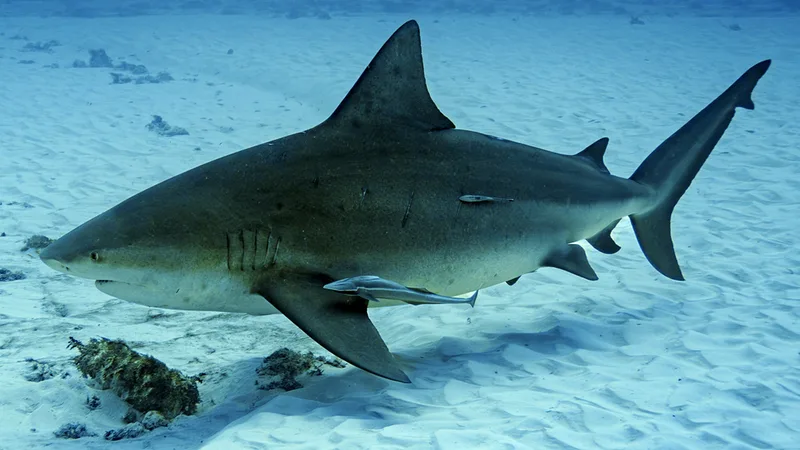
Wild Great White Shark cruising through pelagic waters
The Lowdown
The great white shark (Carcharodon carcharias) is one of the most iconic animals on Earth, thriving across coastal and offshore temperate waters, seal rookeries, and continental shelves worldwide. Shaped by millions of years of specialized adaptation, it possesses distinctive physical prowess and sensory acuity that make it a standout species of its ecosystem.
Its foraging and predatory strategy centers on elephant seals, sea lions, dolphins, tuna, smaller sharks, and whale carcasses. To secure food and thrive in competitive ecological niches, its primary evolutionary superpower is ampullae of lorenzini electroreceptors that detect one billionth of a volt, combined with endothermic countercurrent heat exchange muscles.
Biological Fact: Field biologists have observed that great white sharks utilize specialized behavioral adaptations to navigate territory and interact with their environment with remarkable precision.
Whether navigating changing climate patterns or participating in vital trophic networks, the great white shark plays an essential ecological role in its native habitat while continuing to captivate wildlife researchers and enthusiasts worldwide.