The Lowdown
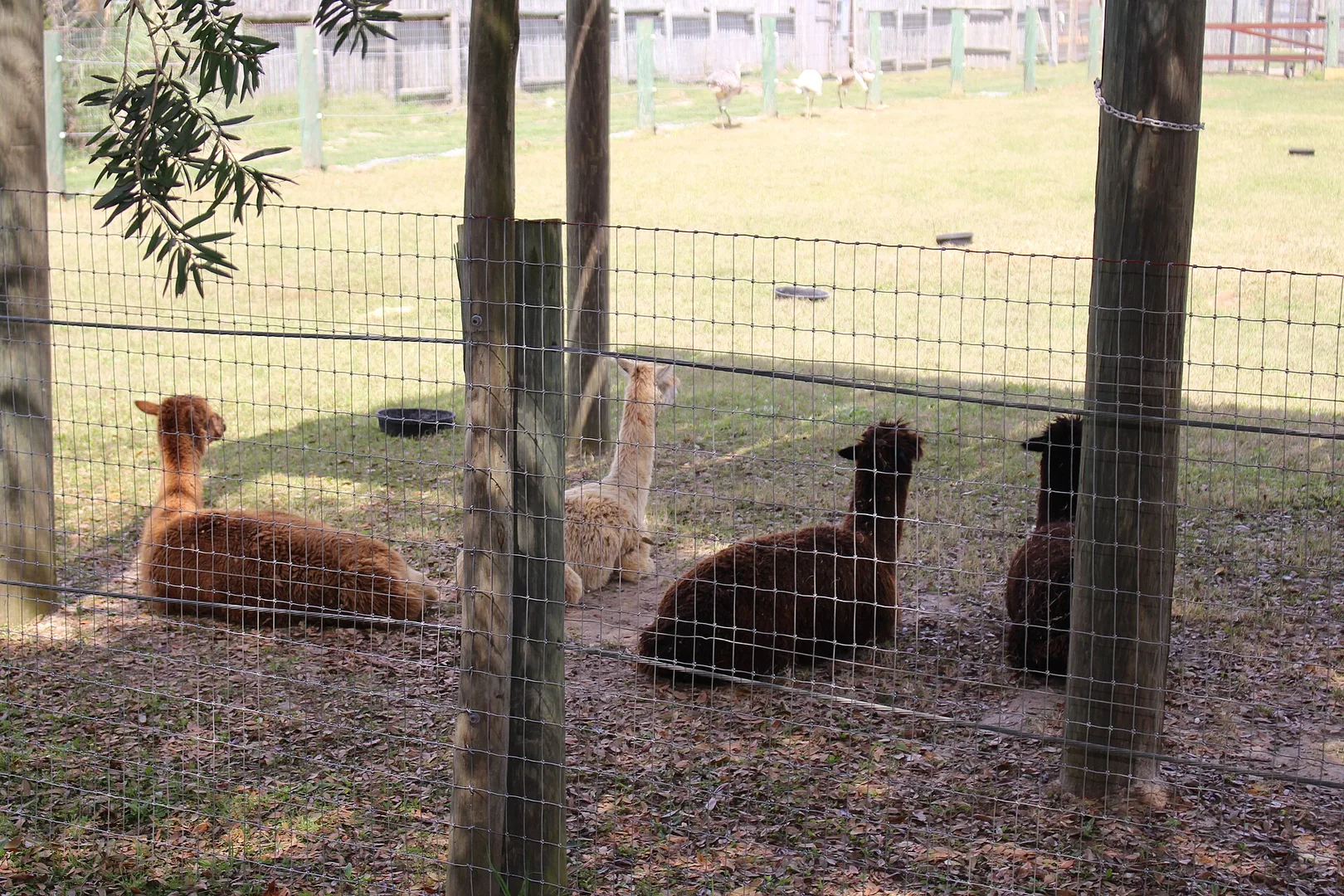
The alpaca (Vicugna pacos) is one of the most iconic animals on Earth, thriving across high-altitude andean plateau (altiplano) grasslands between 3,500 and 5,000 meters in peru and bolivia. Shaped by millions of years of specialized adaptation, it possesses distinctive physical prowess and sensory acuity that make it a standout species of its ecosystem.
Its foraging and predatory strategy centers on tough tussock grasses, sedges, high-altitude mosses, and alpine herbs. To secure food and thrive in competitive ecological niches, its primary evolutionary superpower is hollow-fiber fleece containing microscopic air pockets that provide five times the thermal warmth of sheep wool while remaining completely water-repellent.
Biological Fact: Field biologists have observed that alpacas utilize specialized behavioral adaptations to navigate territory and interact with their environment with remarkable precision.
Whether navigating changing climate patterns or participating in vital trophic networks, the alpaca plays an essential ecological role in its native habitat while continuing to captivate wildlife researchers and enthusiasts worldwide.